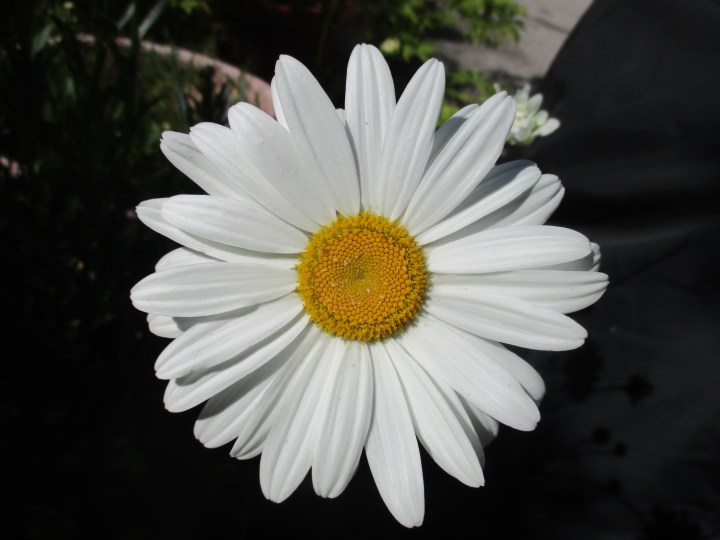
Six on Saturday: Kitchen Scraps


The first of our compost piles will not die. Some of the scraps of vegetables from the kitchens grow to produce more of the same. As this first pile of pre-compost gets turned over to the next pile, we commonly find potatoes and onions. Tomatoes, squash and sometimes cucumbers grow around and on top of the pile. Without watering, their season is limited, but just long enough.

It is actually frustrating that some of the vegetables that are not so productive where tended in the vegetable garden perform better, although likely briefly, on the random compost pile.

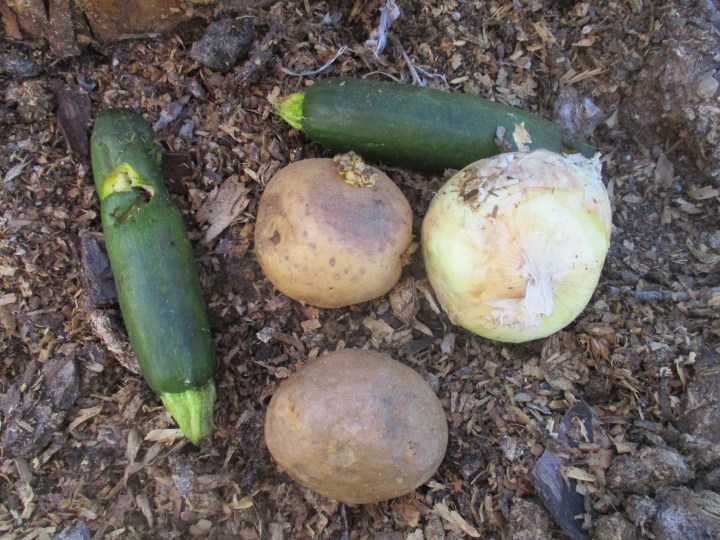
1. Vegetable scraps and rotten vegetables are common in the compost pile, even while the kitchens here are not presently operating. These do not seem to have been rotten when discarded.P00620-1
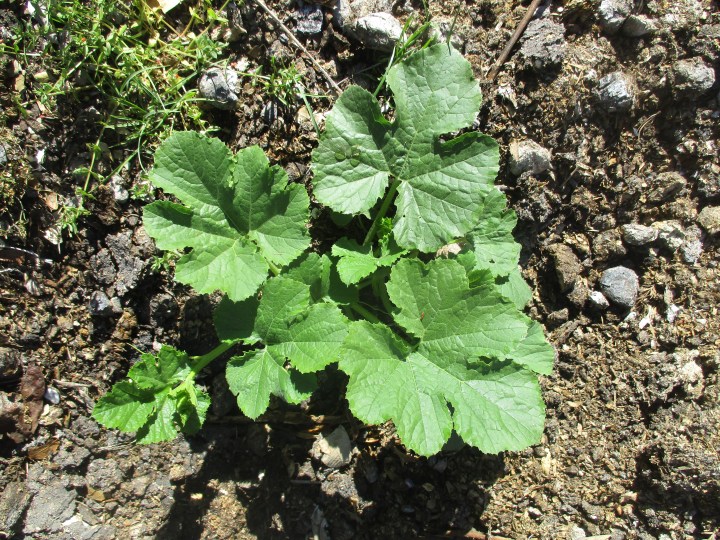
2. Summer squash is common here, even though scrap from the kitchens should be from juvenile squash, which should contain no viable seed. This might produce yellow crookneck squash.P00620-2
3. Cucumber is not so common, and will not likely last as long as other vegetable plants. The area is warm and dry. Cucumber prefers sunny but not so warm exposure, and regular watering.P00620-3

4. Determinate tomato looks just like what grew here last year. If so, it makes small cherry tomatoes that are shaped like ‘Roma’ tomatoes; and all the fruit will ripen at about the same time.P00620-4

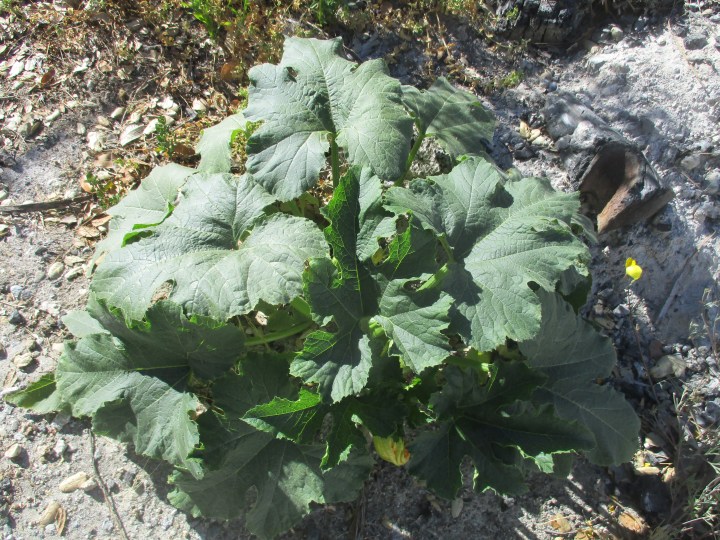
5. Pumpkin vine should be sprawling more than this. It could be just another type of squash. The round fruits with stout stems resemble baby pumpkins. However, the leaves are not right.P00620-5
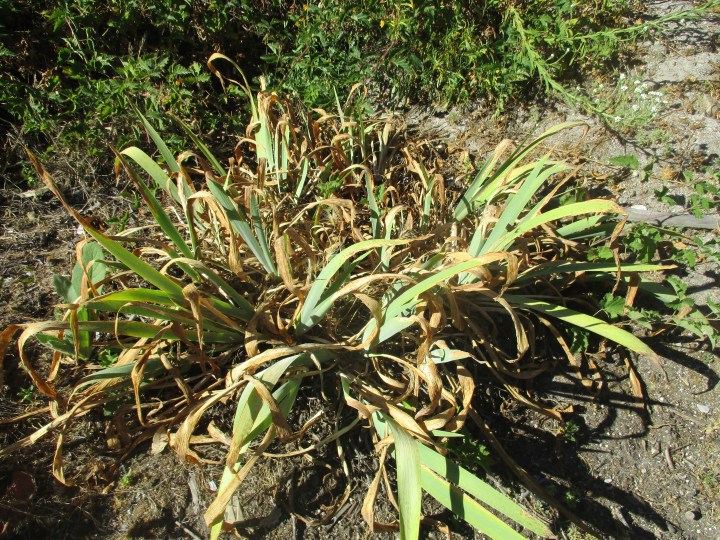
6. Bearded iris is no vegetable, but naturalized similarly next to the compost piles. It is perennial rather than annual. Although shabby here, it can be recycled into landscapes. Bloom is gold.P00620-6
This is the link for Six on Saturday, for anyone else who would like to participate:

https://thepropagatorblog.wordpress.com/2017/09/18/six-on-saturday-a-participant-guide/

Horridculture – Bucket of Bolts

P00425-6
They started out nicely.

Radishes seemed like a good idea back when I sowed the seed in the garden. I had not grown any in many years. I thought that the particular location would be cool enough to inhibit bolting, even though it was starting to get close to the end of their season here. They are definitely a cool season vegetable here, with brief seasons in spring and autumn. Some linger through winter.

The seed germinated efficiently. The seedlings started out well. Radishes are small roots that mature in only about three weeks. Technically, they were right on schedule. I happened to get a few tiny radishes from the batch. However, after the seed were sown, but before the radish roots developed, the formerly cool spring weather warmed suddenly enough to stimulate bolting.

The elongation of floral stalks was visible within the foliar rosettes of most of the individual radishes while they were still quite dinky. Initially, I thought it would be no problem. There were a few good radish roots, which was all I needed to brag to my colleague down South about. Those that bolted would sort of be palatable as radish greens. Bitterness does not bother me much.

Now, because so few of the radishes were pulled for their roots, too many are growing as greens, and they evolved from merely bolting to blooming. The flavor evolved from normal bitter to almost icky bitter. I will not be sharing these with anyone. I can not leave them in the garden to get shabby either. Besides, I want the space for something else. I suppose I will freeze some.

After all the effort, I got only a few small radishes, some decent greens, and mostly bitter greens. Perhaps I will try radishes again in autumn. This radish trial was a ‘FAIL’.

P00617
Yes, we have no radishes.

Six on Saturday: Bark


Rhody said, “Cornus florida bark is rough.” He likely intended to say, “Dog would bark, ‘ruff!’.”

This is not about Rhody though. It is about these six pictures of bark of some of the more significant trees that I work with. All are native here. Only the sycamore was installed intentionally into a landscape. All of the others grew wild. There are so many interesting trees here that it was not easy to limit these pictures to just six. I actually took more pictures that were omitted.

Furthermore, a picture of Rhody is not included.

1. Platanus racemosa – California sycamore is bigger and bolder than other American sycamore. Trunks of mature trees are massive and gnarled, with this distinctively blotchy gray bark.P00613-1

2. Pinus ponderosa – Ponderosa pine is the grandest of pines. The massive trunks seem to be comparable to those of Douglas fir. Bark often flakes in bits that resemble jigsaw puzzle pieces.P00613-2

3. Quercus agrifolia – Coast live oak is second only to valley oak in regard to grandeur. Unlike valley oak, it is evergreen. Smooth gray young bark eventually becomes darker and furrowed.P00613-3

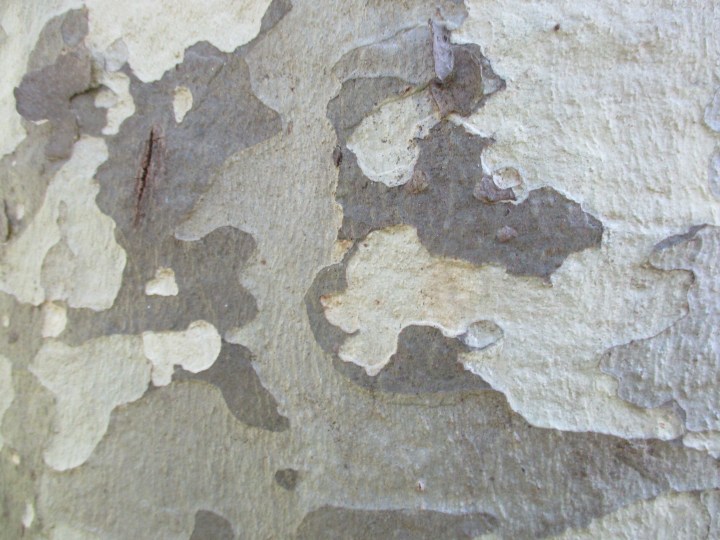
4. Pseudotsuga menziesii – Douglas fir is the majestic State Tree of Oregon, and a main timber crop there. Locally, it mixes with various ecosystems. Corky bark is rather finely furrowed.P00613-4

5. Acer macrophyllum – Bigleaf maple is the most imposing maple of the West. As the name implies, the leaves are bigger than those of any other maple. Bark gets sort of checked with age.P00613-5

6. Sequoia sempervirens – Coastal redwood is the grandest of all, and it happens to be the tallest tree in the World. Also, it is the state tree of California. The ruddy bark is distinctly fibrous.P00613-6

This is the link for Six on Saturday, for anyone else who would like to participate:

https://thepropagatorblog.wordpress.com/2017/09/18/six-on-saturday-a-participant-guide/
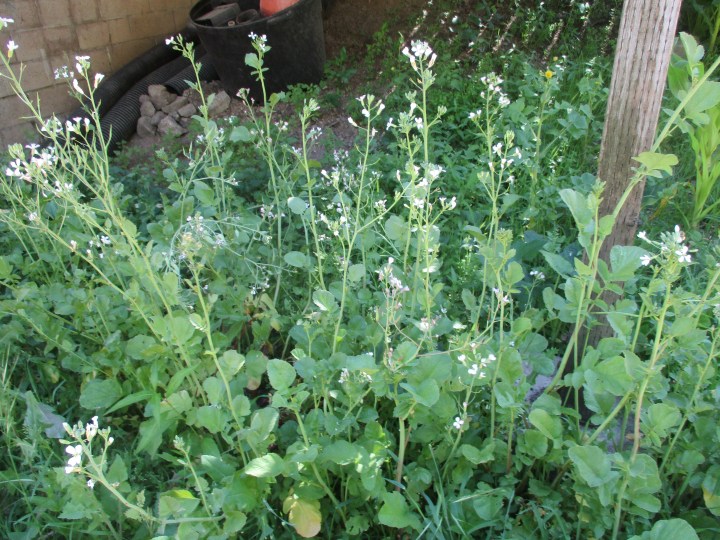
Post Script: For the first time, I am violating the recommended limit of six pictures to include this extra (but unnumbered) picture of Rhody for those who would be otherwise disappointed.P00613-7

Horridculture – Spruce Up

P00610
Even Charlie Brown would reject this little blue spruce.

No one wants to cut down this little blue spruce. What is worse is that no one wants anyone else to cut it down either. We all know it is ugly. We all know that it can not be salvaged. We all know that it really should relinquish its space to the healthy and well structured coast live oak next to it, in the lower left of the picture. Yet, it remains.

It was planted amongst a herd of gold junipers in about 1980 or 1981, shortly after the construction of the adjacent buildings. An abandoned irrigation system indicates that it was likely irrigated for some time afterward, although it is impossible to know for how long. Otherwise, it and the junipers were completely ignored for the last four decades.

When the vegetable garden was installed nearby, brambles, weeds and trash that had been accumulating for forty years was removed from the area. A few of the most decrepit junipers that were not worth salvaging were removed too. The young and feral coast live oak that grew next to the spruce should have been removed as well, but is actually in very good condition.

Furthermore, the coast live oak is a better tree for the particular application. It is native, so does not mind neglect. The spruce was never really happy there, which is why it is so puny and disfigured now, with the lower two thirds of the trunk bare of limbs and foliage. Obviously, the spruce should be removed so that the oak can continue to develop as it should.

We just like the spruce too much to remove it directly. Even though it would look silly if the bare trunk were exposed by the removal of the oak, the bit of foliage on top is so pretty and blue and familiar. I mean, it looks like we have a spruce in the yard; and everyone likes a spruce!

The plan is to subordinate it to the oak. As the oak grows upward and outward, the lower limbs of the spruce will be pruned away to maintain clearance. Eventually, the spruce will look so silly that the landscape would look better without it, and we will not mind cutting it down so much. It will be unpleasant, but it will be better than interfering with the development of the oak.

Six on Saturday: Leftovers


It is not easy to discard seedlings and cuttings that have potential. We are supposed to sow several seed for vegetable plants where we ultimately want only a few, which typically produces a few extra. Feral seedlings for other types of plants commonly appear in the garden. I happened to grow a few seed that were marginally old, but that I did not want to discard. Nor do I want to discard deteriorating but lingering cool season annuals from last winter.

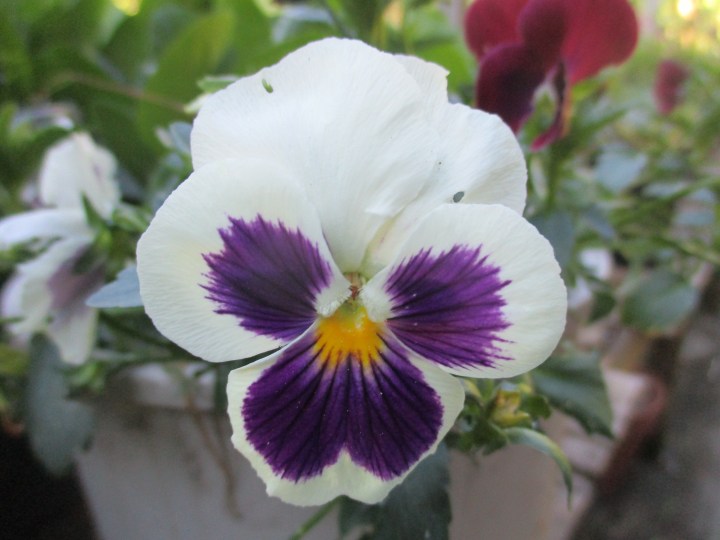
1. Since no new warm season bedding plants are going into the landscapes, cool season bedding plants are lingering until they succumb to the warmth. This pansy is not ready to give up yet.P00606-1

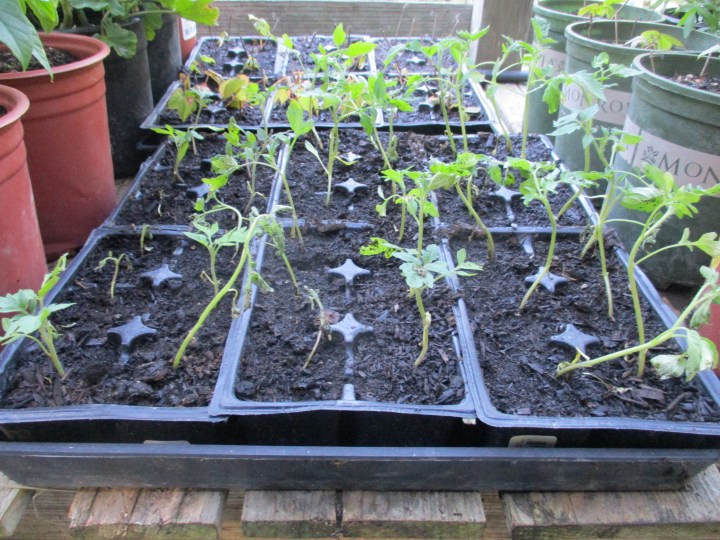
2. ‘Roma’ tomato seedlings that got plucked to favor stronger seedlings got plugged in cells for later. They got sown very late, and plugged even later, but might become a nice second phase.P00606-2

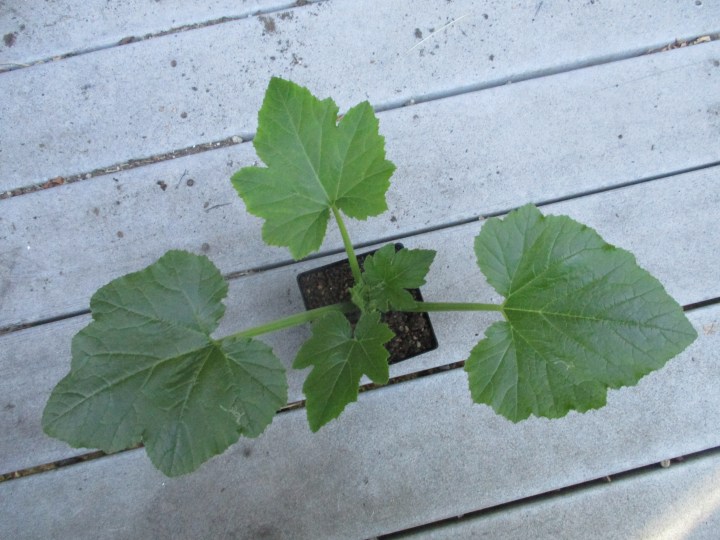
3. Extra summer squash seedling were also too good to discard. The main plants are producing now. This one should find a home quick. Since it can produce all season, no phasing is needed.P00606-3

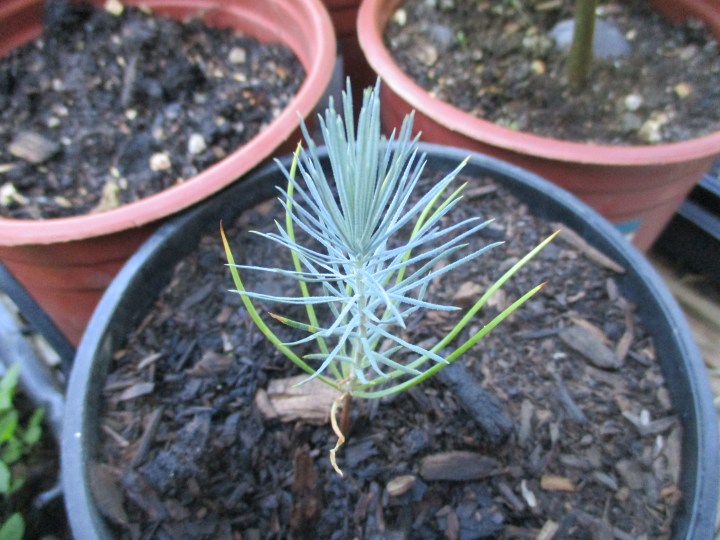
4. Ponderosa pines make extras too. This seedling got plucked along with other weeds, but was too exemplary to discard. (For the record, someone else salvaged it; so I can not be blamed.)P00606-4

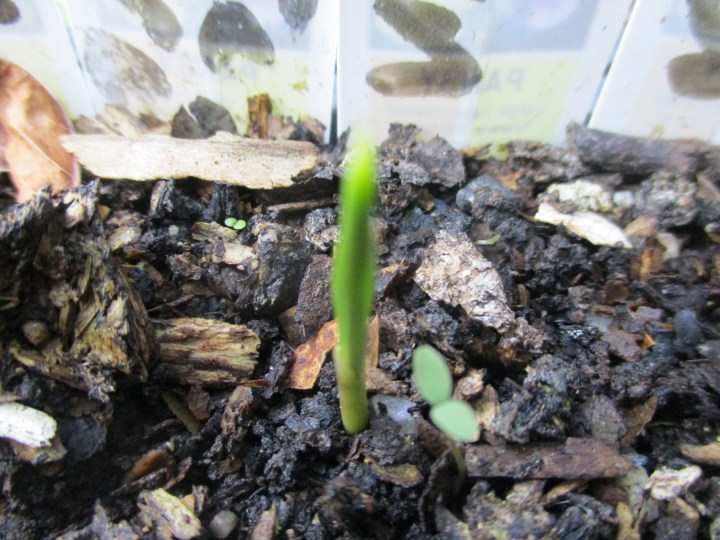
5. This is too blurry and dinky to look like much, but is a seedling of California fan palm. The seed was so old that I doubted its viability. I am very pleased with it, even if is the only survivor.P00606-5

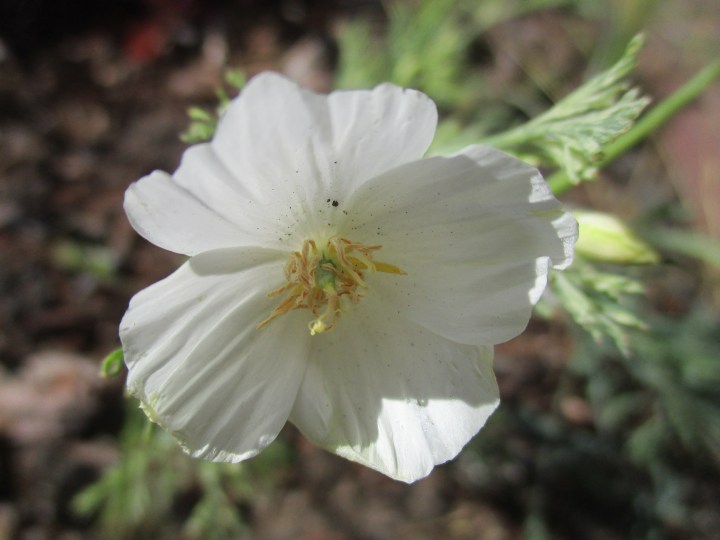
6. White California poppies are rare in nature. This one was left in the landscape while many of the orange poppies were removed along with weeds. There is another only a few yards away.P00606-6

This is the link for Six on Saturday, for anyone else who would like to participate:

https://thepropagatorblog.wordpress.com/2017/09/18/six-on-saturday-a-participant-guide/
Six on Saturday: Timber! II


Horticulture is not all flowery. It includes arboriculture, which is the horticulture of trees. As both a horticulturist and arborist, I get t0 work with it all. Not only do I work with arboriculture, but I get to work part of the time in forests of coastal redwoods, which are the tallest trees in the World. Compared to these redwoods, Douglas firs are rather average.

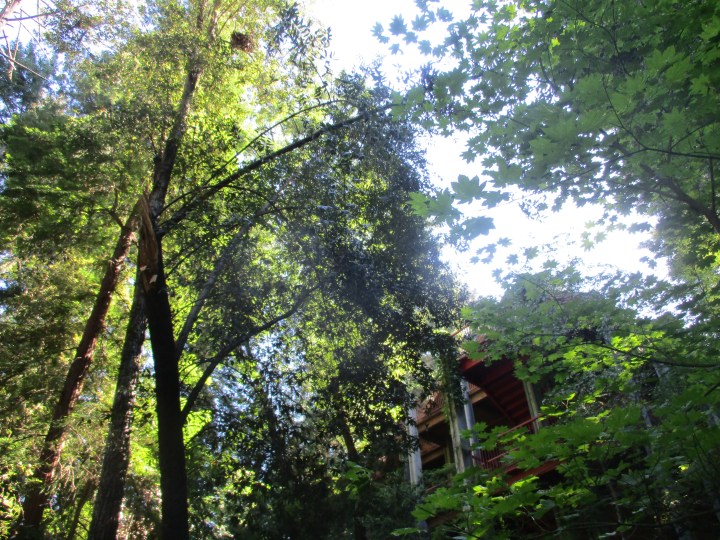
1. At about noon on May 7, this big Douglas fir fell unexpectedly. Since it was not cut down intentionally, no one actually yelled “Timber!”. This picture is recycled from a post from May 10.P00510-1

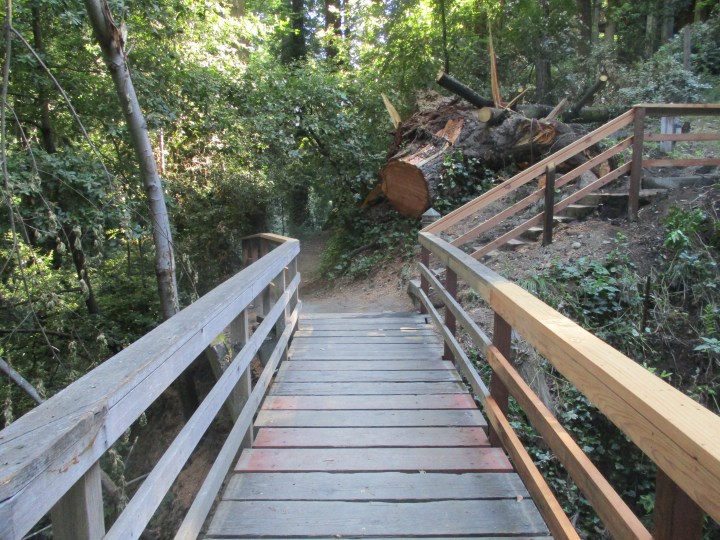
2. This is what it looks like now. Even though a bay tree fell on top of the Douglas fir and bridge after the picture above was taken, damage was minimal. Parts of the banister were replaced.P00530-2

3. The Douglas fir was less than eighty years old. It started growing here in the early 1940s. My grandparents might have met it when it was a baby. By the way, I did not count all the rings.P00530-3

4. The carcass of the Douglas fir is now more than twenty feet below. The light brown chips to the upper left are from the top of the tree that needed to be cleared from an adjacent roadway.P00530-4

5. This unfortunate maple really was an exemplary young specimen before it got clobbered by the big Douglas fir and bay tree. Not only are the limbs stripped off, but the trunk is fractured.P00530-5

6. The third trunk from the left is what remains of the bay tree that was leaning on the Douglas fir, and then fell on top of it. The top limb extending to the right is now about to break too.P00530-6

This is the link for Six on Saturday, for anyone else who would like to participate:

https://thepropagatorblog.wordpress.com/2017/09/18/six-on-saturday-a-participant-guide/

Six on Saturday: Rhody’s Rhodies II


As mentioned last week, the first five of these pictures are now two weeks old. They are too pretty to discard for lack of punctuality. However, it was necessary to delete one so that the most important, although less horticultural, sixth picture could be included. Not much of the bloom remains now.

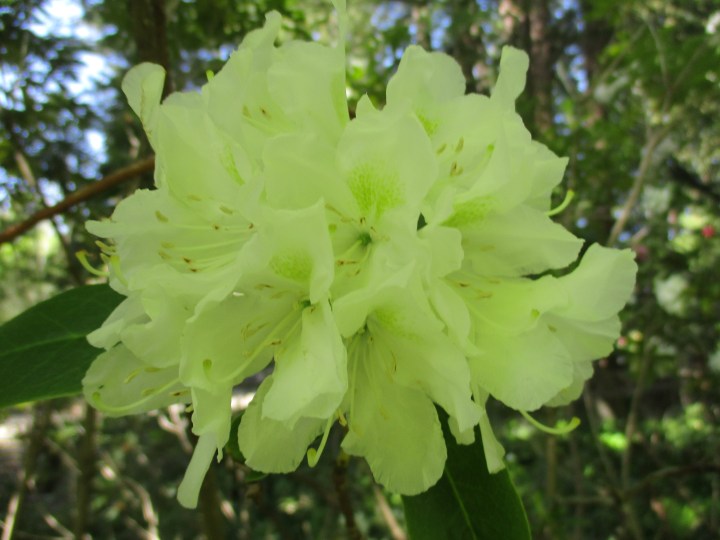
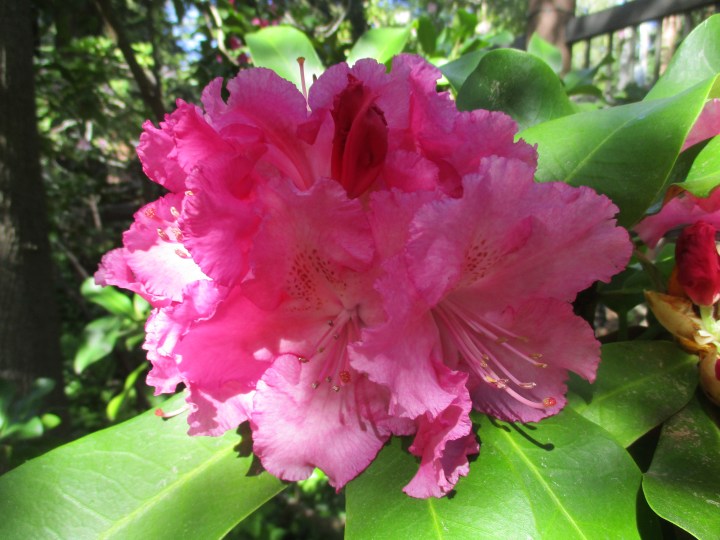
1. Color seems odd for this one. It did not seem so greenish to me when I got the picture. In fact, it seemed more pale, and almost white. I know the camera sees it more accurately than I do.P00523-1

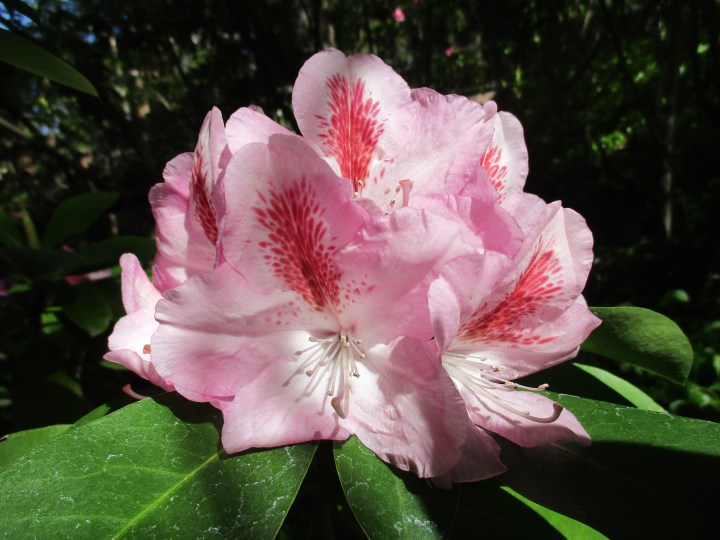
2. #1 from last week, which may have been ‘Mrs. G. W. Leak’, looks like this. I did not notice earlier. I would have otherwise deleted this instead of what I deleted to leave room for #6 below.P00523-2

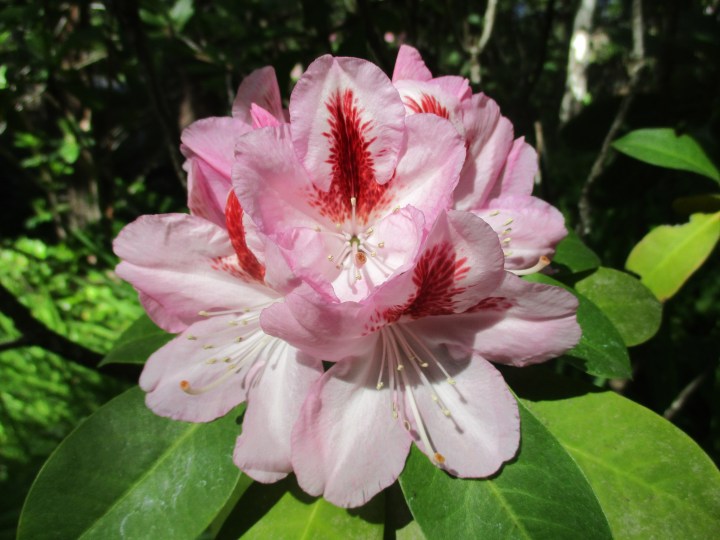
3. If #4 from last week did not look like ‘Anah Kruschke’, it is because this one is. I knew I got a picture of it, but somehow switched the two. This is the only one that I can identify this week.P00523-3

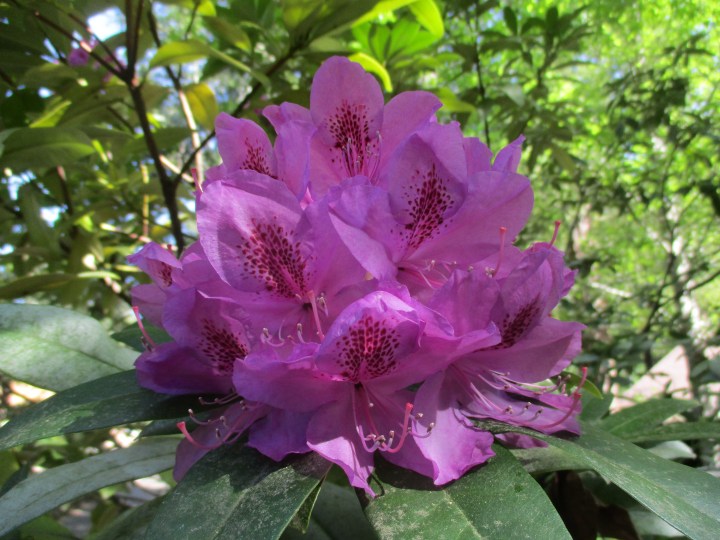
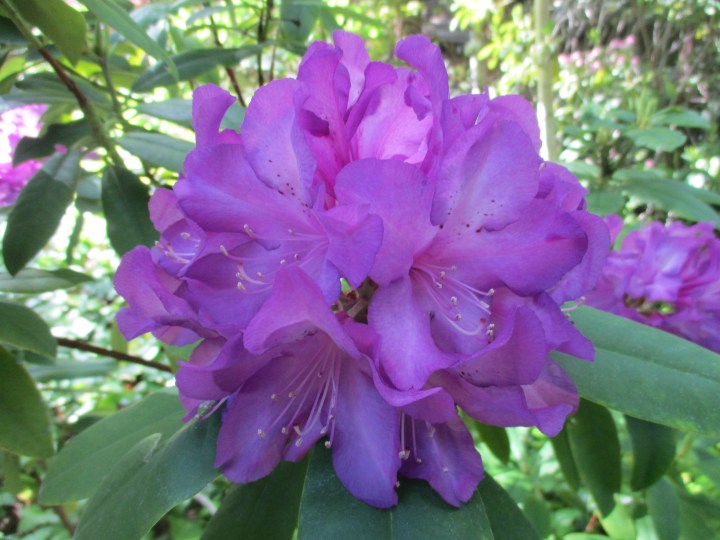
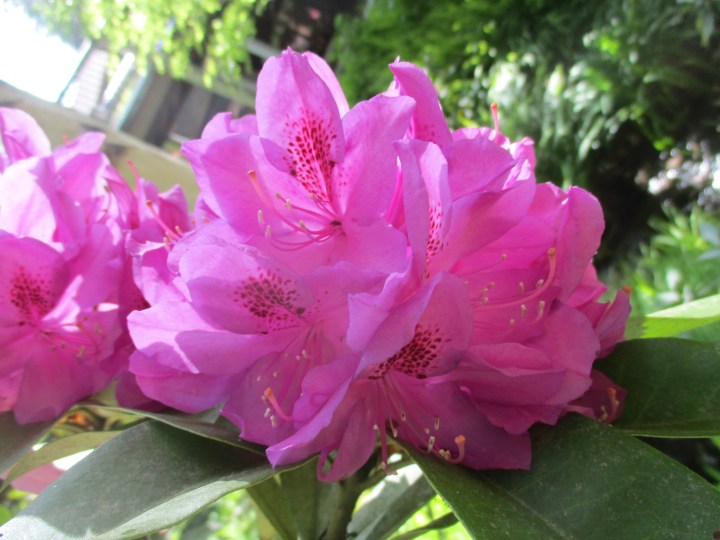
4. Color is something that I am not proficient with. I do happen to prefer this color to other purple rhododendrons. I do not know if it is purple or lavender, or if lavender is just pastel purple.P00523-4

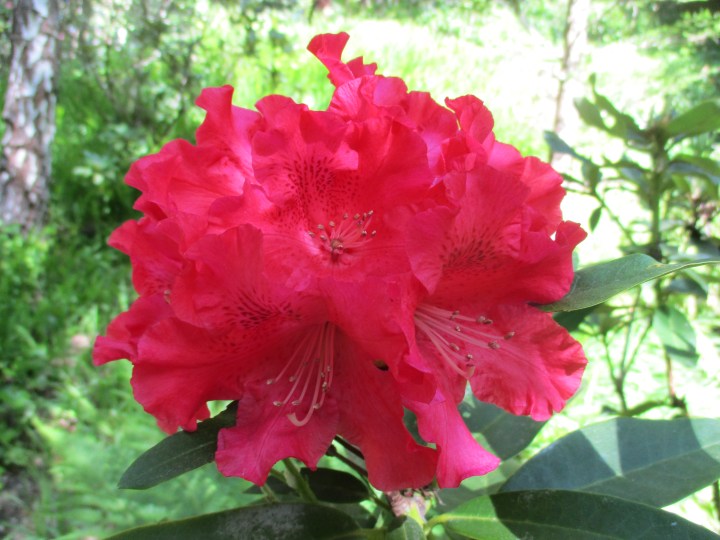
5. Of all the rhododendrons here, only a few are as richly red as this one. Of those few, this one is the second largest specimen, and most prolific in bloom. It is usually one of the last to bloom.P00523-5

6. Rhody! It is not much, but it proves that I at least tried to get a picture of what we all came here for. I deleted a good picture of another rhododendron to do it! Rhody would not cooperate.P00523-6

This is the link for Six on Saturday, for anyone else who would like to participate:

https://thepropagatorblog.wordpress.com/2017/09/18/six-on-saturday-a-participant-guide/

Six on Saturday: Rhody’s Rhodies I


Rhody actually had nothing to do with the rhododendrons. They have been her for decades. The youngest were added in the late 1990s. We know none of their identities. It does not matter. Bloom is spectacular. These pictures are from last Friday, so are a week old already. Six more will be two weeks old for next week. I just can not miss sharing them here for Six on Saturday.

1. Mrs. G. W. Leak – The spots are not pronounced enough. The foliage is not a good match either. Otherwise, the floral color and form are about right. Branch structure seems to match too.P00516-1

2. Trude Webster – This is just a guess. The leaves are not big enough. Bloom is a bit too brightly colored, and its spots are a bit too pronounced, although floral form seems to be about right.P00516-2

3. Lem’s Monarch – This one is questionable. Flowers are usually more white with reddish pink edge. However, they do not look quite like the real thing. Foliage happens to be a good match.P00516-3

4. Anah Kruschke – Like the others, the color is off for this one this year. It is normally a bit richer purple. I am fairly certain about its identity. The foliage and branch structure conform too.P00516-4

5. Rhododendron catawbiense – I am rather certain about the identity of this one. Everything about it is as it should be, even the foliage. This is probably my favorite of these particular six.P00516-5

6. Taurus – Of all of these six, this one is the least likely to be what I refer to it as. Only the floral color is correct. Floral form, foliage and branch structure are not. I do like the name though.P00516-6

This is the link for Six on Saturday, for anyone else who would like to participate:

https://thepropagatorblog.wordpress.com/2017/09/18/six-on-saturday-a-participant-guide/

Six on Saturday: (First) Rose Parade 2020


The landscapes are in surprisingly good condition after more than a month of neglect. Weeds are horrendous, but no more so than expected. They and the lawns are the priorities. Significant progress was made just in the last three days that we have been able to work. As busy as we are, I managed to get some nice floral pictures. Rhododendrons are still blooming, but will be the topic for next week.

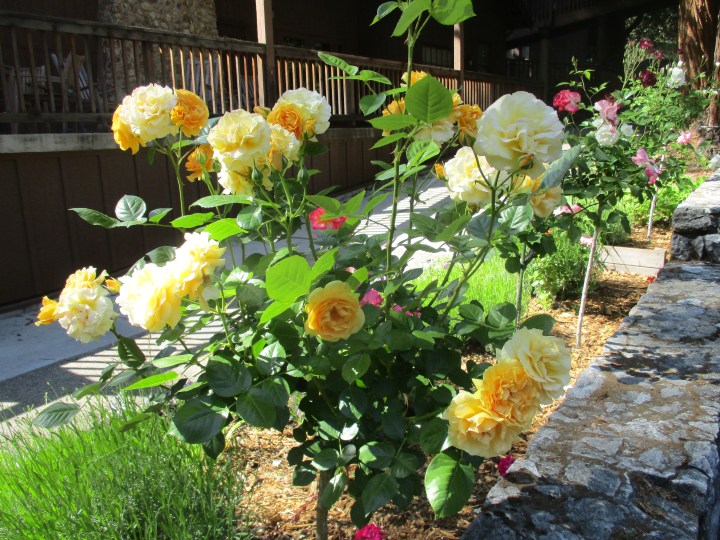
1. Of the mere four cultivars here, this is my least favorite. The color and profusion of bloom are excellent. I just dislike how the floral form resembles those of the trendy David Austin roses.P00509-1

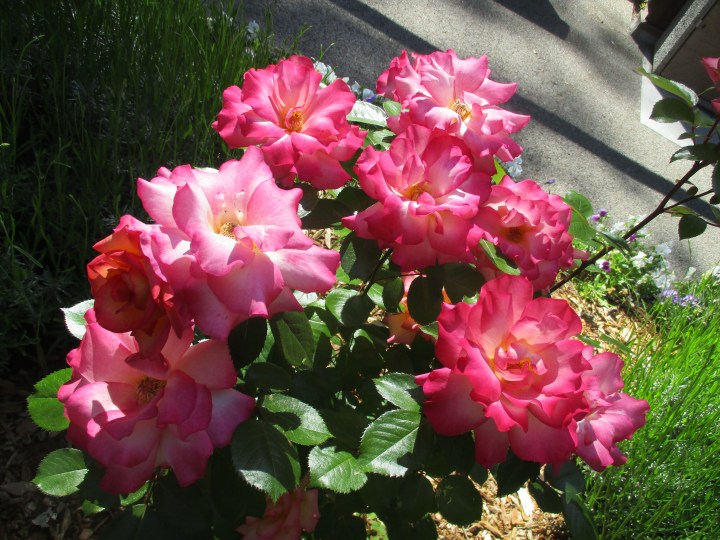
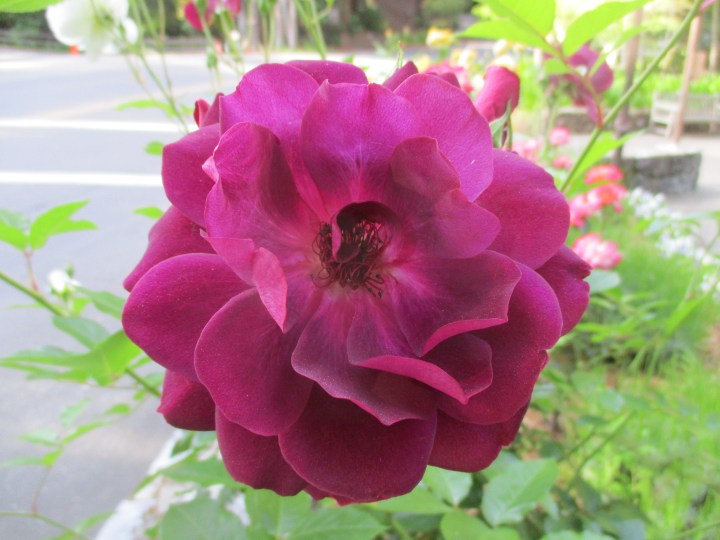
2. This cultivar is the only one that is in shrub form. All the others are tree roses (or standards). The profuse bloom resembled ‘Double Delight’ last year, but is completely different this year.P00509-2

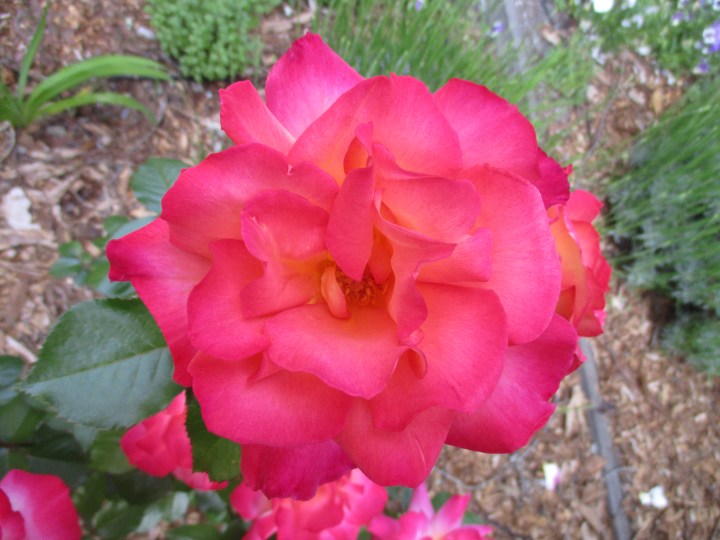
3. Close up, it is more rich bright pink than distinctly reddish pink with white. It is fragrant like ‘Double Delight’ should be, although it does not seem to be as fragrant now as it was last year.P00509-3

4. The first (#1 above) is also different from how it bloomed last year. Its petals are not so densely packed. There are plenty of buds behind the maturing flowers. Performance is exemplary.P00509-4

5. Is this purple? Not only is its color odd, but it is grafted onto the same rose trees as the white roses (#6 below). It is too weird for my taste. Everyone else likes it. That is more important.P00509-5

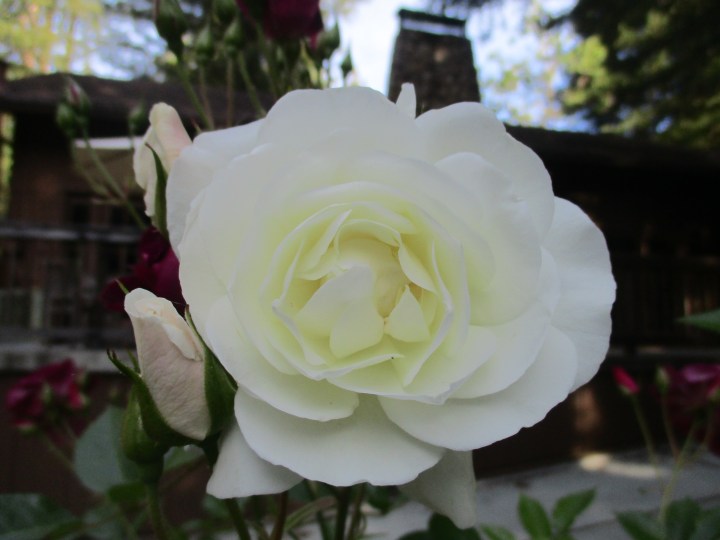
6. As mentioned above, this cultivar is grafted onto the same rose trees as the purple roses (#5 above). To me, it seems to be the common ‘Iceberg’. I do like white, even if it is just ‘Iceberg’.P00509-6

This is the link for Six on Saturday, for anyone else who would like to participate:

https://thepropagatorblog.wordpress.com/2017/09/18/six-on-saturday-a-participant-guide/
Six on Saturday: Self Isolation


Self isolation was not exactly why I avoided the landscapes. Since there are very few people here, I can get all the pictures I want without getting too close to anyone. Nor did I intentionally avoid the landscapes because, as I mentioned earlier, it is too saddening to see them looking so good without anyone here to enjoy them. I was just too busy to get out. These six pictures are instead from the recovery nursery. These are items that should eventually be out in the landscapes. Some should have bee there a long time ago.

1. Jasminum humile, Italian jasmine was grown from pruning scraps from a big shrubby specimen in Monterey. It does not look like much so far, but is extremely fragrant, like pink jasmine.P00502-1

2. Solanum jasminoides, potato vine was left by someone who moved away, but has not yet been planted into a landscape. It is overgrown now, so will need to be pruned back when planted.P00502-2

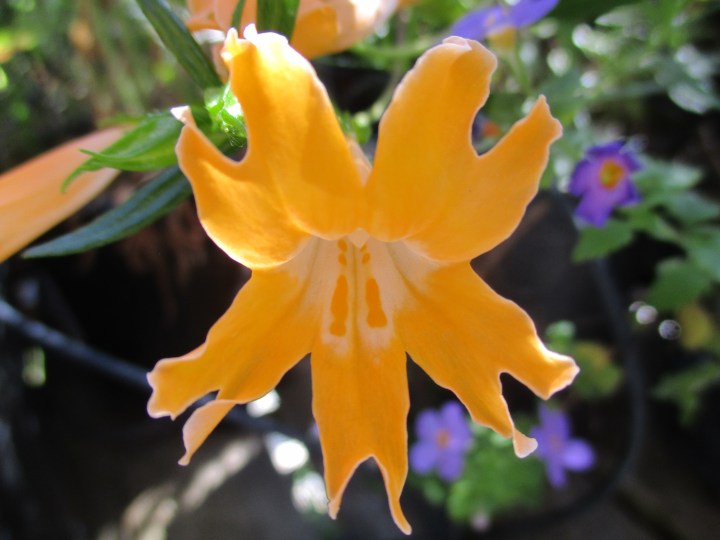
3. Mimulus aurantiacus, sticky monkey flower got removed from where it was in the way of something else, got canned, and now waits to be recycled elsewhere. I should have composted it.P00502-3

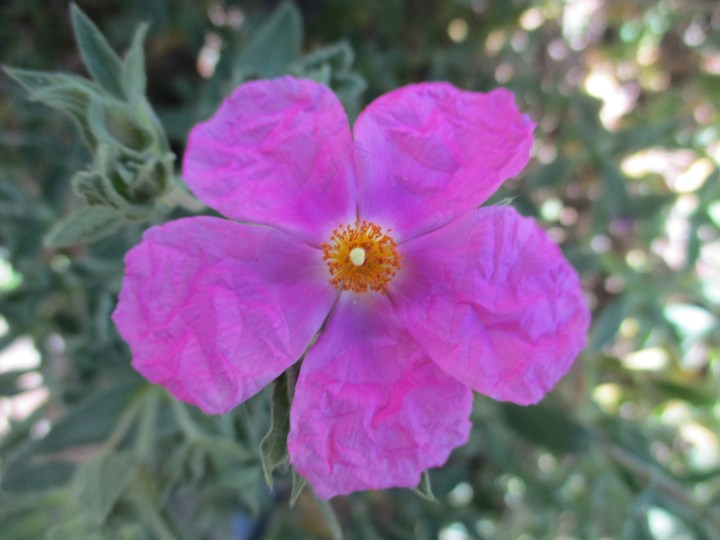
4. Cistus x argenteus, rockrose was actually purchased rather than recycled or grown here. It was for a small new landscape that can not be completed right now. This might be ‘Silver Pink’.P00502-4

5. Pelargonium peltatum, ivy geranium provided cuttings when pruned a month ago. It might be ‘Royal Candy Cane’. They should have been planted intact, but there is not enough of them.P00502-5

6. Leucanthemum × superbum, Shasta daisy, like sticky monkey flower, was removed from an area that was outfitted with a new landscape, but not yet recycled. I really should just plant it.P00502-6

This is the link for Six on Saturday, for anyone else who would like to participate:

https://thepropagatorblog.wordpress.com/2017/09/18/six-on-saturday-a-participant-guide/