tanglycottage.wordpress.com is where you can find it. This is a blog about gardening, gardens, life, and of course, Skooter the kitty, in and around Ilwaco, in the very southwestern corner of Washington, where the Columbia River flows into the Pacific Ocean. Like so many blogs, it shares compelling insight about a culture and a region that might be very different from what one is accustomed to. Then again, it might be compellingly similar . . . or even unexpectedly familiar. You can decide for yourself.
I have been to Ilwaco only once, about twenty years ago. I spent the night in a campground there while driving from Silverdale, west of Seattle, to Saint Helens, north of Portland. It was certainly not a direct trip. That would have been a two and a half hour drive. I was on vacation, so drove around the Olympic Peninsula. I sort of intended on returning someday, but never did.
After all these years, it has been fascinating to read about the flora of the gardens of the region. When I was there, I was more interested in the native flora outside of town. Ilwaco still looks something like I remember it to look like, although I think that there is more landscaping downtown now.
A while back, I commented on Gladiolus papillio that was blooming in a planter box in downtown Ilwaco. I was impressed that it was such a reliable perennial species of gladiolus. I had been wanting to grow a species of gladiolus that was more perennial than than the common summer blooming bulbs that I am familiar with, but had not decided on which ones to try. Anyway, in response to my comment, the author of ‘Tangly Cottage Gardening Journal’ offered to send me a few of the bulbs! How could I refuse?
These six pictures are of those Gladiolus papillio bulbs that came from Ilwaco in Washington.
1. It is so excellent to get a package in the mail from such an exotic and far away place! It got here very fast. It was in my mail only two days after being postmarked on October 25.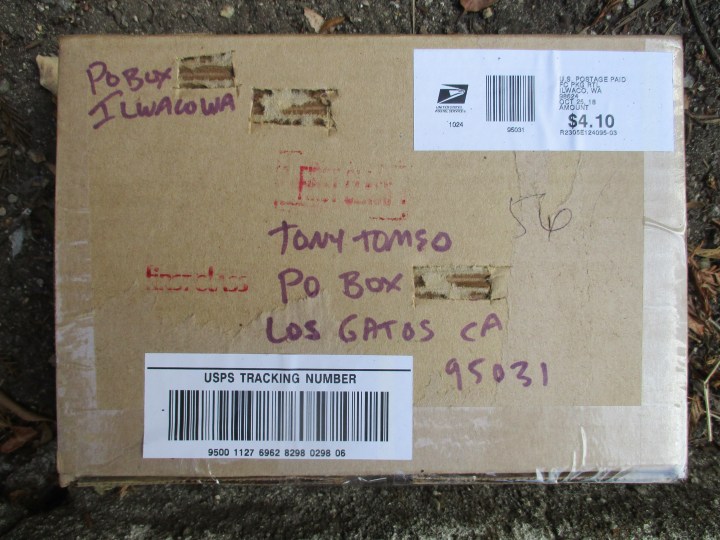
2. The contents of the package are even more excellent than the package itself! There were nearly fifty bulbs here! I planted them on the first of November, a bit more than a week ago.
3. The bulbs were planted in three groups of about a dozen, with two groups of about half a dozen between them. The first group is partly buried here because a bit of soil fell back into the hole before I got this picture.
4. This is how the same first group of bulbs looks completely buried. Aren’t they pretty? Never mind the calla. It is not vigorous enough to bother the Gladiolus papillio.
5. This is the planting bed where the Gladiolus papillio bulbs were planted. They are up in back, in a row that extends from the left edge of the picture to the corner of the trellis with the espaliered camellia. The pinboard and mailbox in the top right corner of the picture are at the Post Office next door. I would have preferred to plant the bulbs in front of the Post Office, but there is no place to do so over there. I am pleased that these Gladiolus papillio were planted in a public space almost in front of the Post Office because that is where they originated in Ilwaco. As the proliferate, I intend to take a few to my downtown planter box in Los Gatos, and might even share a few with the lady who tends to the planter box next door to the Los Gatos Post Office.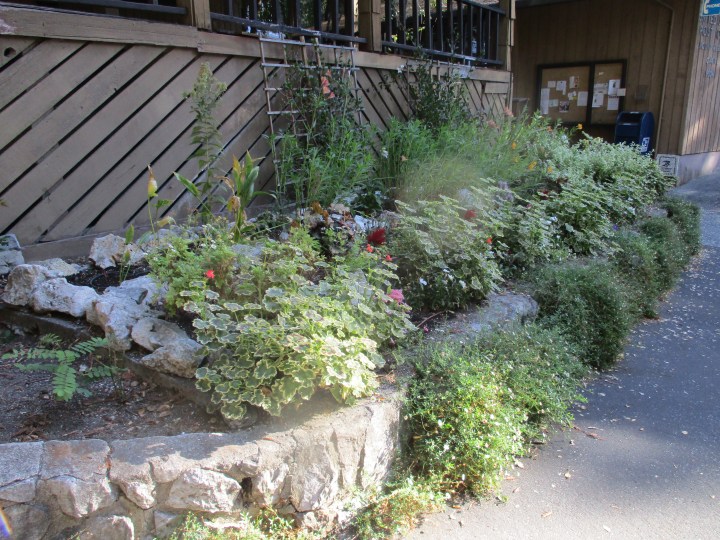
6. This is the Mount Hermon Post Office is next door.
This is the link for Six on Saturday, for anyone else who would like to participate:
https://thepropagatorblog.wordpress.com/2017/09/18/six-on-saturday-a-participant-guide/



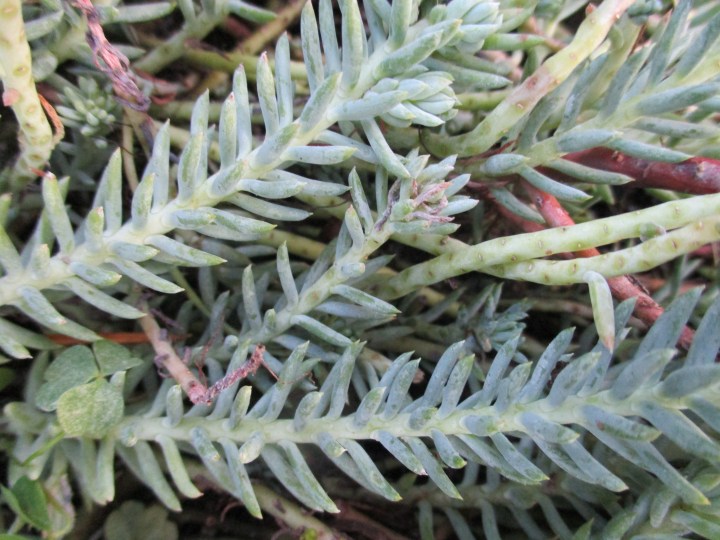


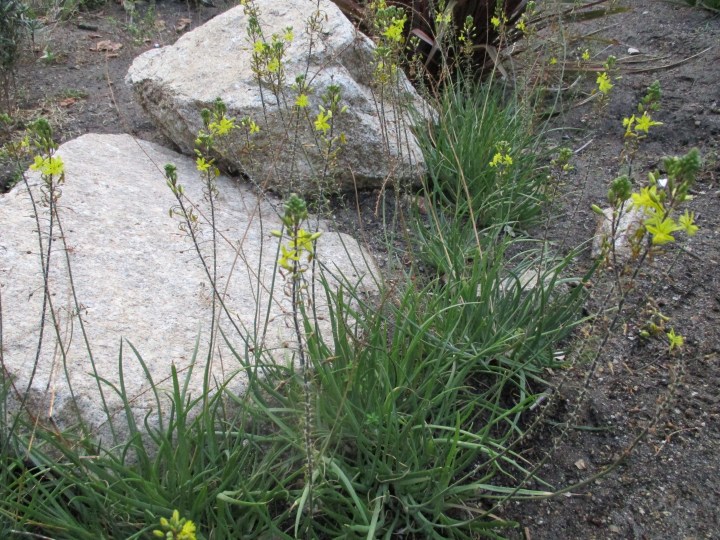


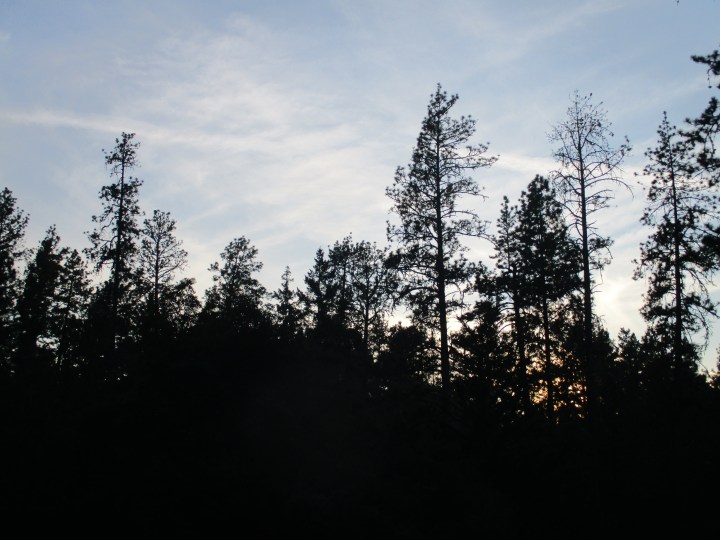



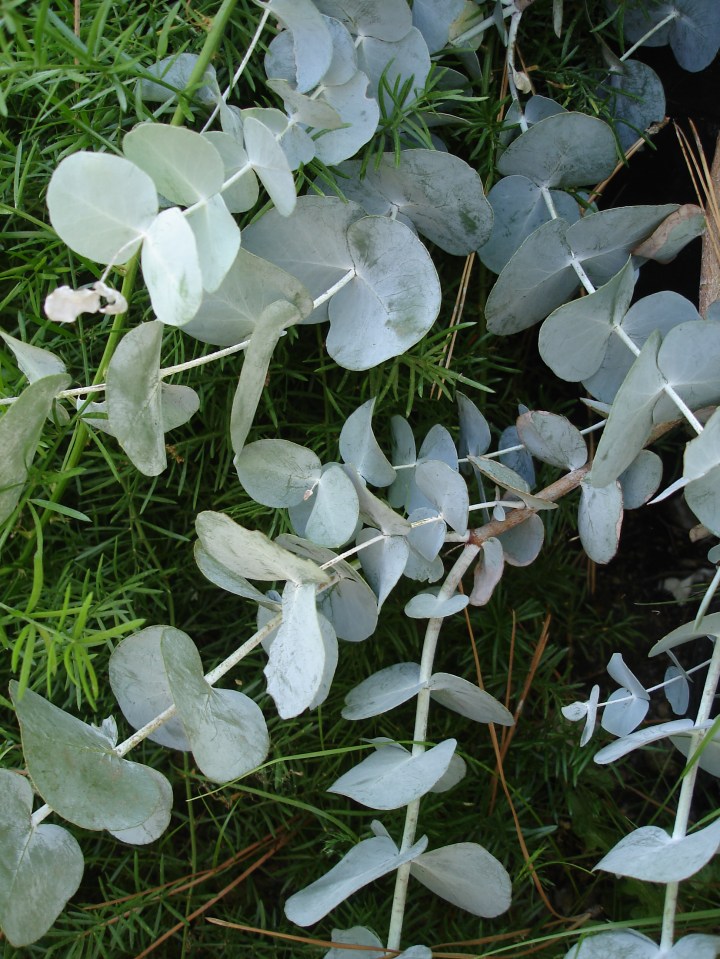 Junipers have a bad name. So do eucalypti. Too many of the wrong types were planted back at a time when they were too trendy. Those that were planted into inappropriate situations grew up to cause problems. The names of all junipers and eucalypti are now synonymous with those problems, even though there are many types of both genera that are quite practical for landscape purposes.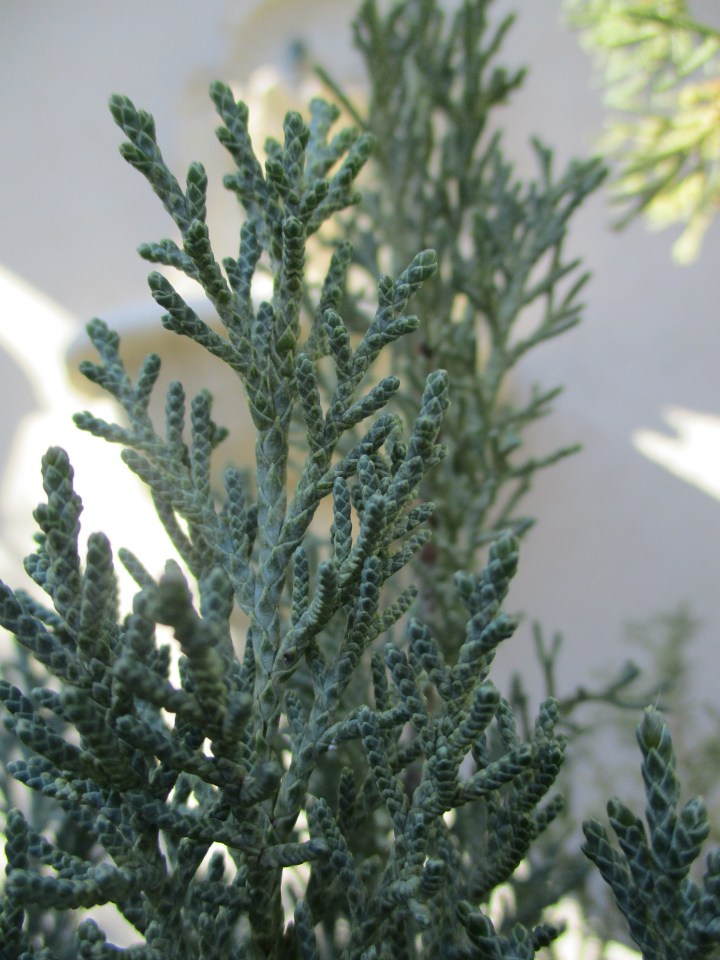
 The response to the brief article that I wrote about the smoke from a small and localized wildfire on Sunday is not easy to dismiss. The original article is at



 Q: What do I spray on my medicinal marijuana plants to kill mealybug?