
Memorial trees should be remembered . . . right? I mean, they are planted to remind us of . . . something, or . . . someone. They are typically trees that will be around for a long time, because that is how important memories should be. Redwoods and oaks work nicely. Most get outfitted with plaques to remind everyone what the trees are there to remind us of.
The old original Sunnyvale City Hall was landscaped with several memorial trees. The most prominent were redwoods and cedars that were mostly planted as memorials for local veterans of various wars. They accumulated over several decades and a few wars. City Hall seemed like a good place for them, where they could live for a long time without bother.
However, City Hall was demolished in the late 1970s, and replaced with a big mall. The larger redwood and cedar memorial trees were salvaged as the mall was build around them. Most survived in a courtyard within the mall until the mall was partly demolished less than a quarter of a century later.
All the cedar memorial trees died in captivity within the courtyard. One redwood that was not a memorial was added to the group where one of the cedars had been.
Prior to the demolition of the courtyard, I needed to inspect the surviving redwood to prescribe procedures for safe removal of surface pavement, and subsequent protection of exposed roots. The surviving trees were in remarkably good health. I was not very worried about them. What bothered me though, was the complete disregard for their historical significance.
The plaques associated with these memorial trees were a mess. It was as if they all had been collected from their respective trees, mixed up, and replaced randomly. Plaques from the absent cedars were assigned to some of the surviving redwoods. The oldest and grandest memorial redwood was labeled as the redwood that was added last, after the mall was built, and therefore of no historical significance. The smallest and youngest redwood that really was added after the mall was built was labeled as one of the more historically significant memorial trees.
I believe that all the trees that were there during my inspection are still quite healthy within a small park space that was built around them. I have no idea if they are outfitted with plaques. If they are, I can not help but doubt the accuracy of those plaques.
 After decades of spectacular spring bloom, this pair of flowering cherry trees in the picture above must be removed. They have been deteriorating for a very long time. Below the limber blooming branches of the tree on the right, there is not much more than a bulky rotten trunk, one rotting limb, and a short stub of a limb that was cut back to a bit of viable twiggy growth last year. The tree to the left has only a few more viable but rotten limbs.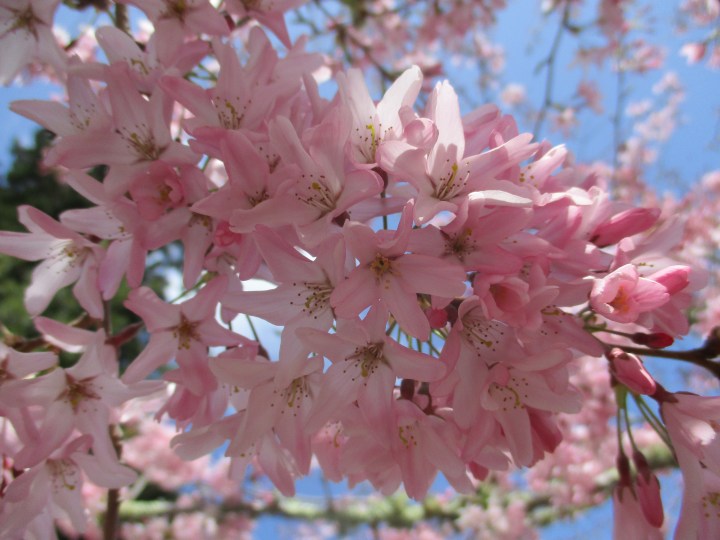

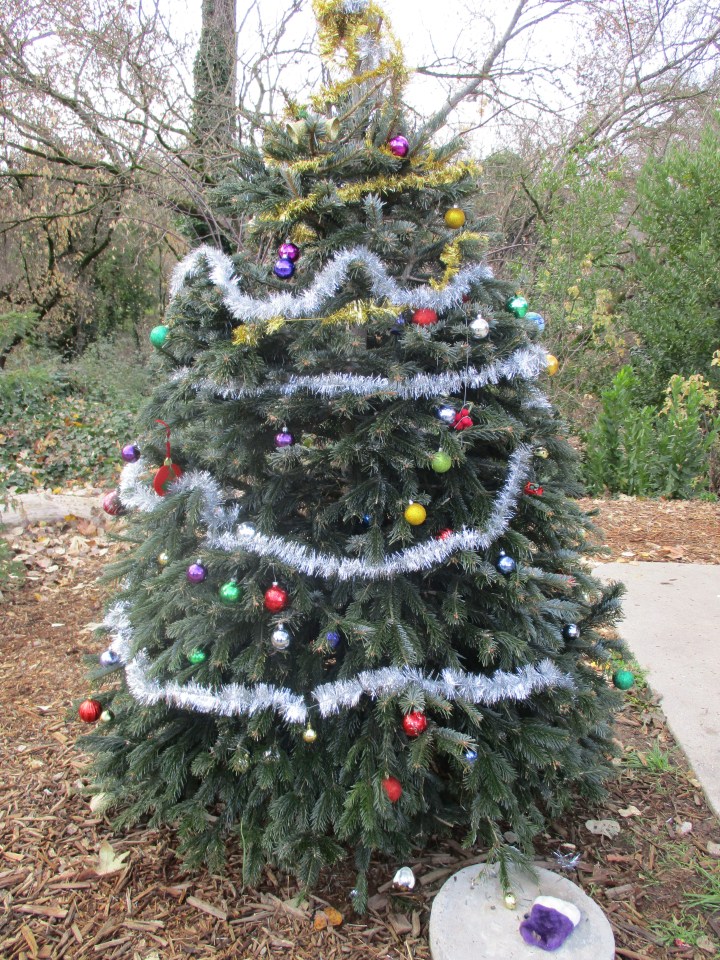 Many towns display a Town Christmas Tree in a prominent and centrally located public space.
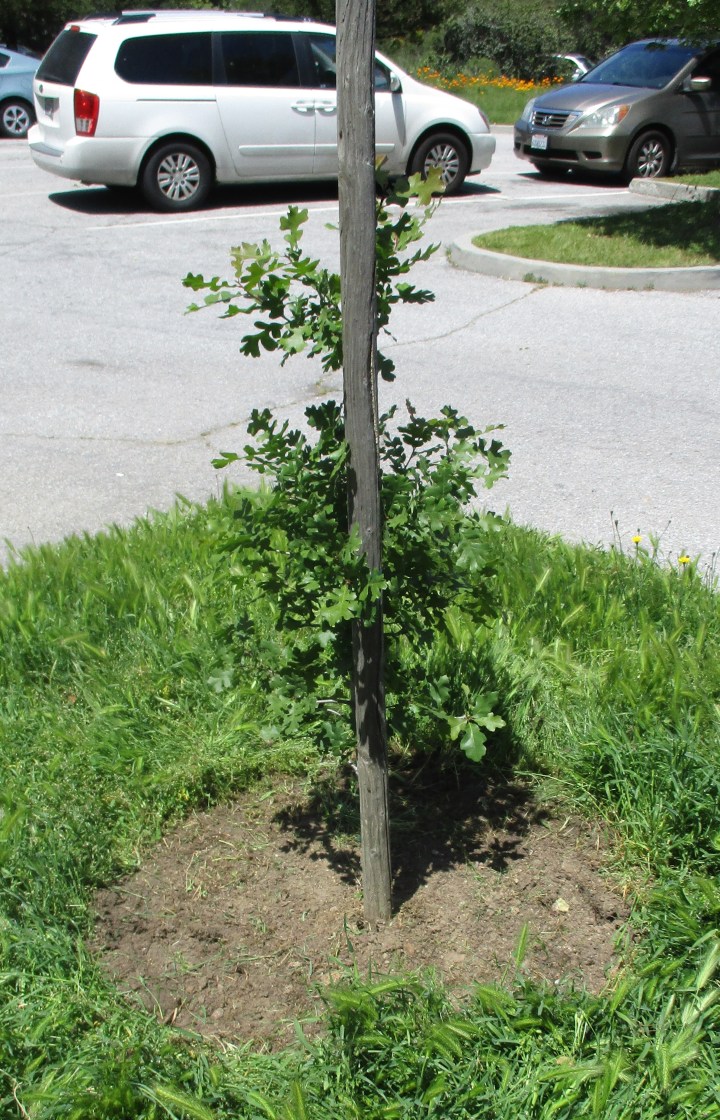
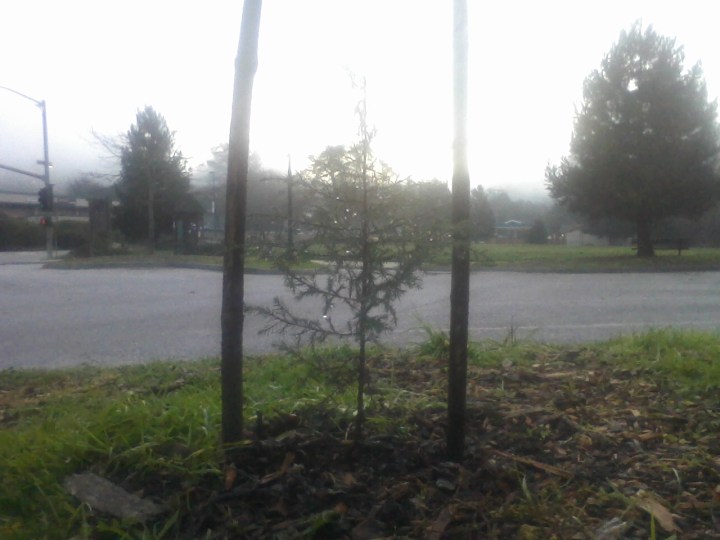 The little Memorial Tree in Felton Covered Bridge park that I so frequently write about is not the first to be planted there in its parking lot island. It is actually the fourth! The first was a California black oak like the other four in the other islands. They were all planted with the original landscape. It did not live there long before getting run over by a car. The island was empty for many years.
 It wasn’t even two days. The article about the ‘Illegal Planting’ of the Memorial Tree in Felton Covered Bridge Park posted at noon on Saturday, and then on Sunday night or early Monday morning, the Memorial Tree was vandalized. Fortunately, it is nothing serious. A small bag of trash was impaled onto the binding stake that is there to keep the trunk straight, which pushed the top of the small tree aside. It needed to be bound to a new stake anyway.
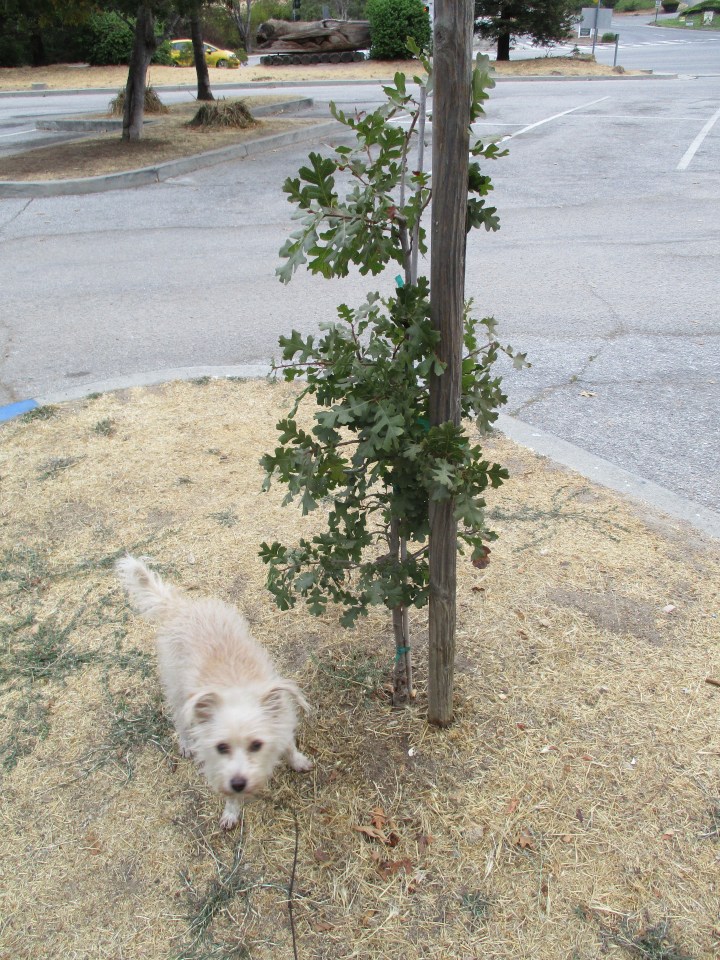 “ . . . others illegally planting whatever they wish . . . illegally.” Someone actually said that about the installation of our little Memorial Tree in Felton Covered Bridge Park. It was within the context of a review of the Park on Facebook, written by someone who has not stopped complaining about Felton since she moved here. It was forwarded to me quite some time ago by someone who documents and files such information that is relevant to hate crimes, and what is now known as ‘hate speech’, which is another completely different topic that we can not get involved with here.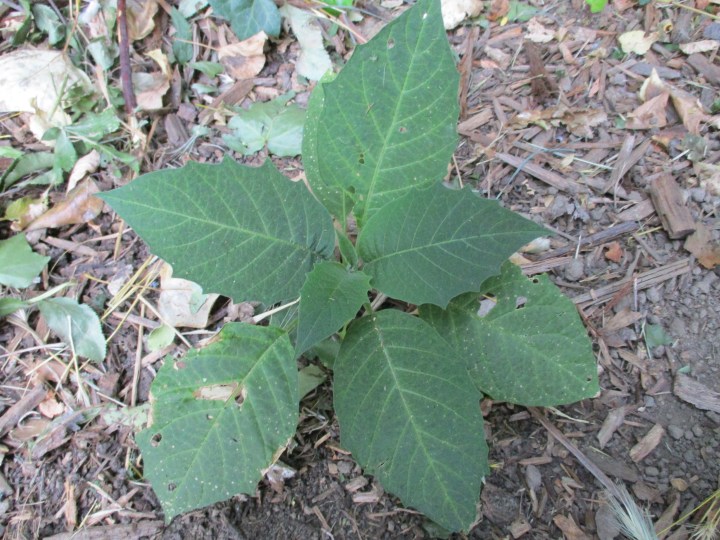
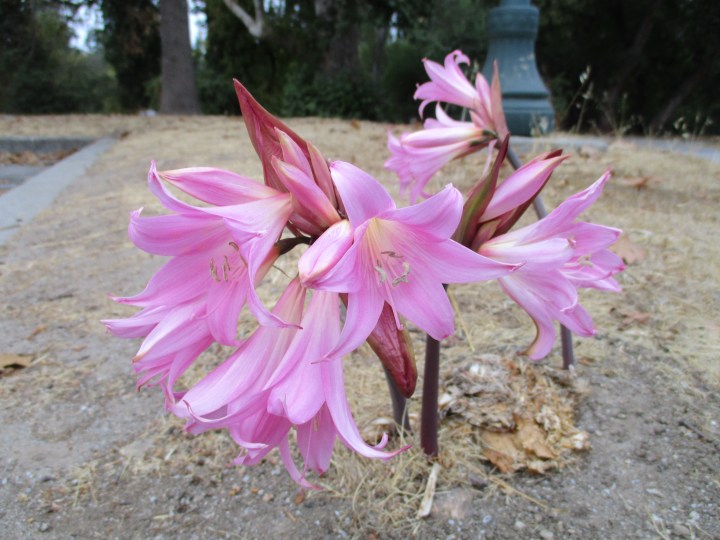
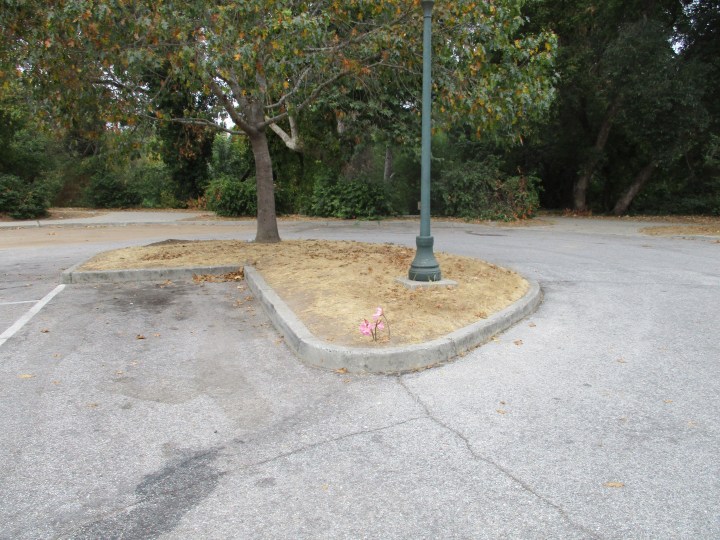
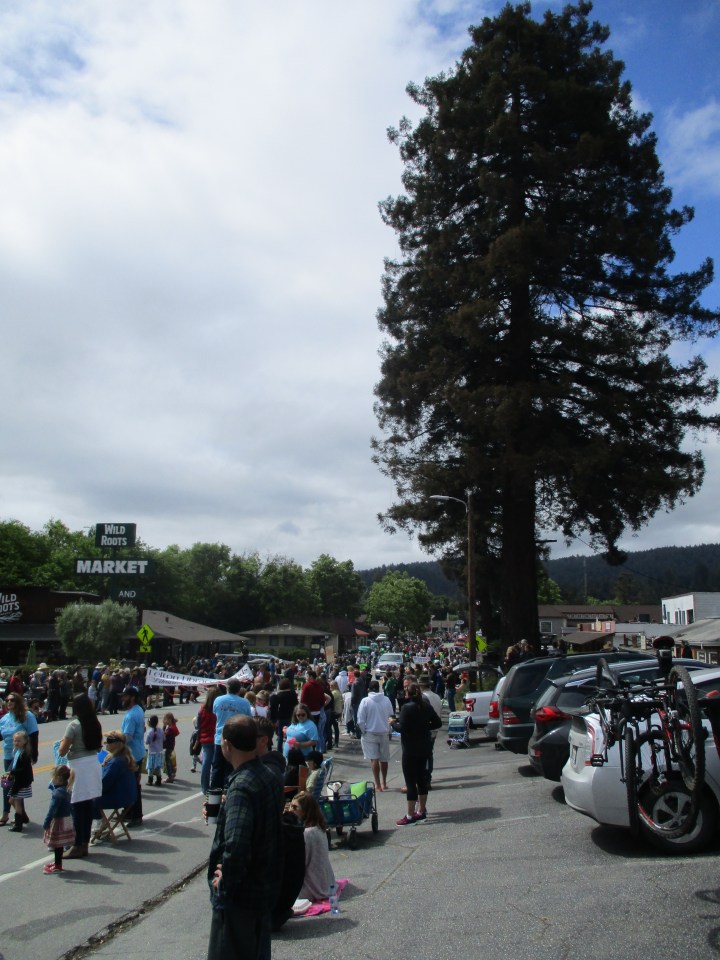

 When I started writing this blog eight months ago, I reserved the right to occasionally write about topics that were irrelevant to horticulture and gardening. I designated the category of ‘elaborations’ for posts that were not from my weekly gardening column; but so far, I have tried to post articles within this category that were at least remotely relevant to horticulture, even if only to discuss a single tree, or merely a single ginkgo leaf that somehow appeared in Felton Covered Bridge Park.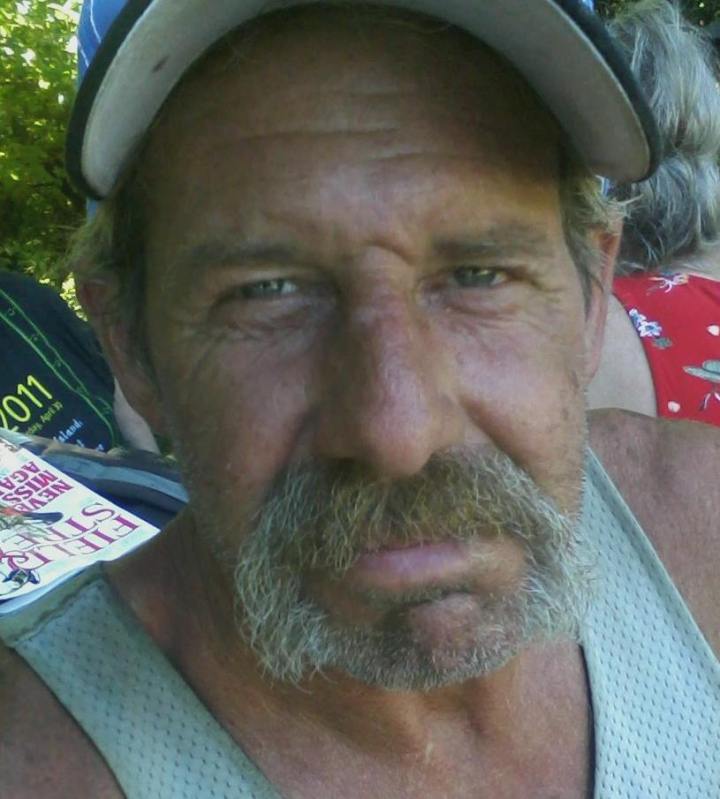
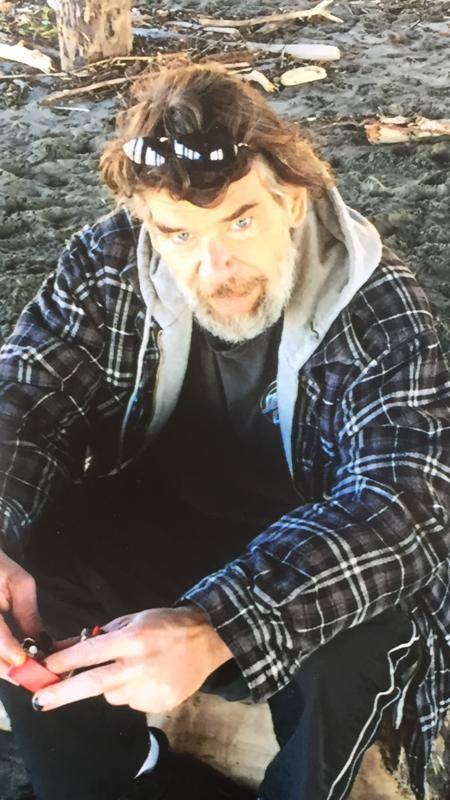 Steven Michael Ralls of Felton succumbed to complications associated with a variety of chronic medical conditions, and passed away in Aptos on May 2, 2017, at the age of 46. Steven was born on December 13, 1970 in Fort Leonard Wood, Missouri, and then spent most of his childhood in Norman, Oklahoma. He came with his family to Berkeley, California in 1987, and then lived in Hayward, before settling in Felton in 1999. His recent relocation to Aptos was considered to be only temporary, as he would have preferred to return home to Felton.
 We can keep this more brief than that long title.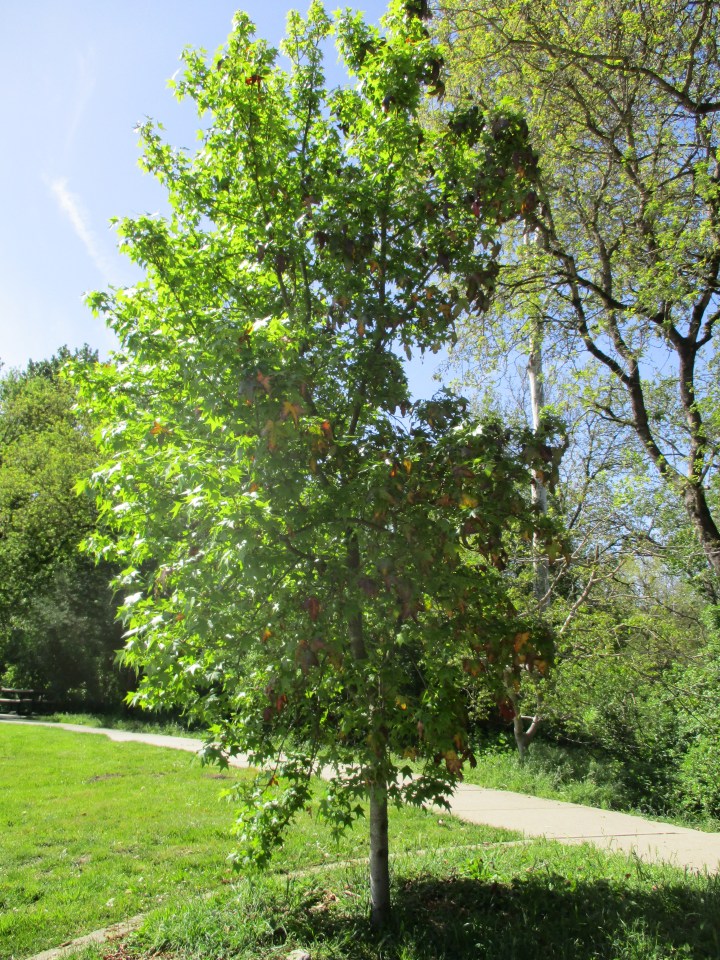
 Tony Tomeo