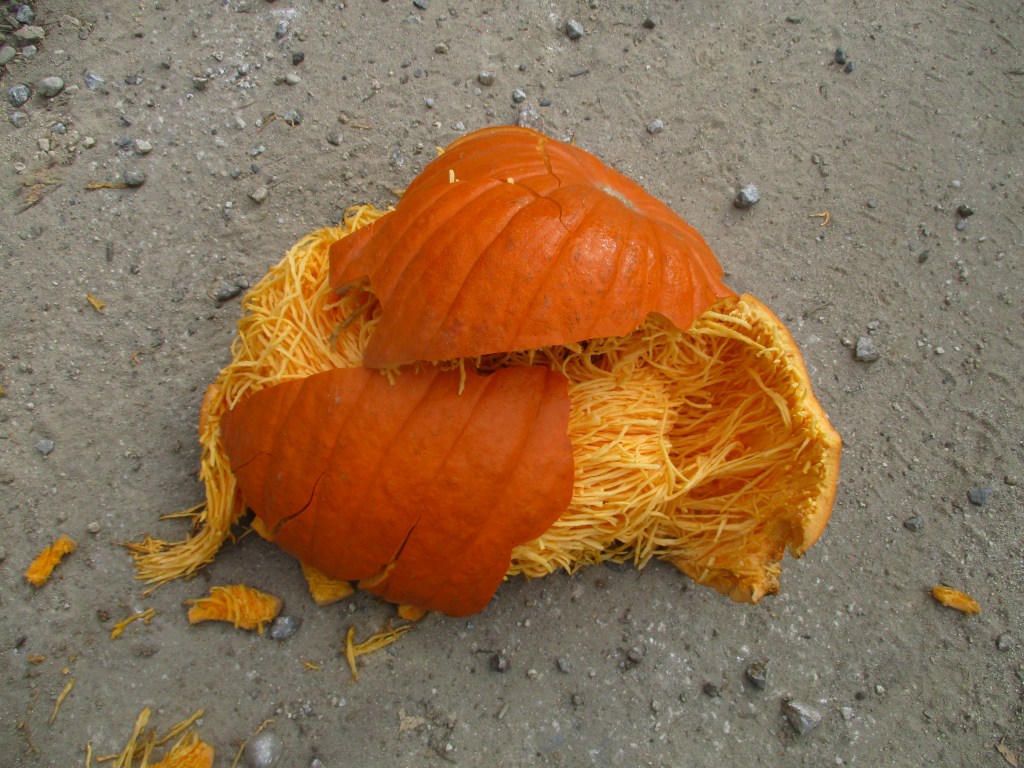
Six on Saturday: Lumpy Lecter

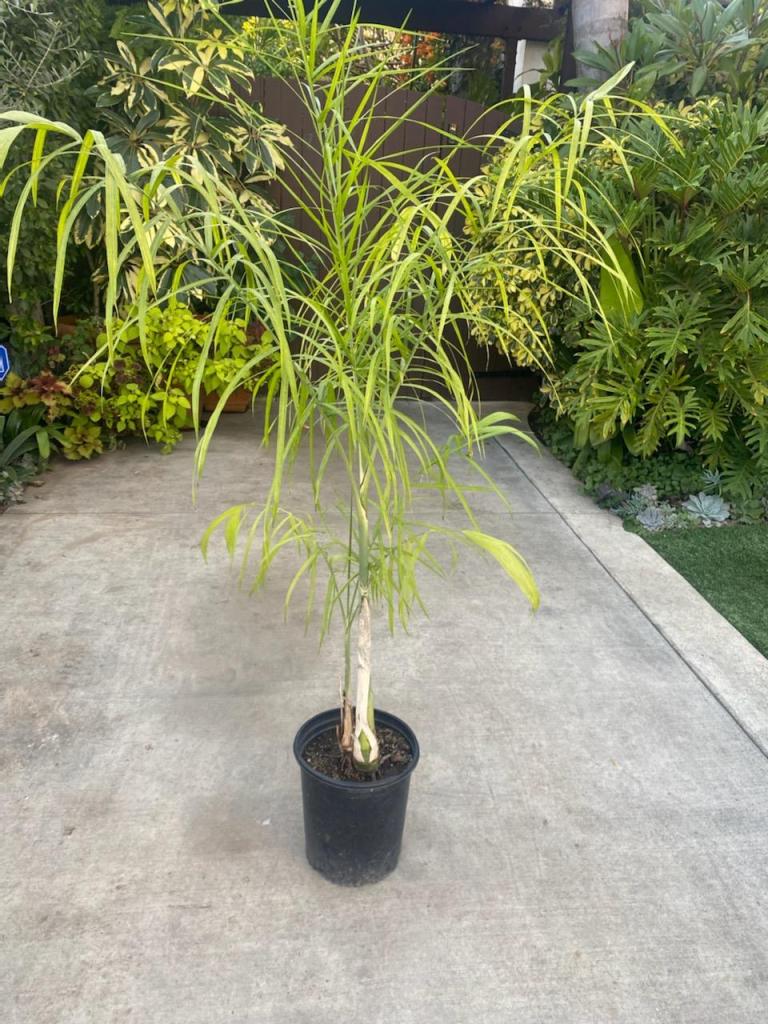
This Six on Saturday did not go as planned. I intended to finally share six pictures of the esperanza and poinciana (pride of Barbados) seed from Crazy Green Thumbs, since they were sown shortly before I shared more of Brent’s pointless pictures last week. However, the file of those pictures was somehow deleted! It is too dark to get a picture now. When I get a picture later, it will show only flats of unseen seed! Since reminding Brent to NOT send more pointless pictures, he responded by sending a profusion of pointless pictures! However, if I can not share the six pictures that I very much wanted to share this week, I will most certainly not share six more pointless pictures that I do not want to share. So, I ultimately decided to share six pictures of an exemplary Mediterranean or European fan palm, Chamaerops humilis, that we relocated more than two weeks ago. However, since I had not planned to share these pictures just yet, I had neither procured a picture of the palm at its new home, nor copied a picture of it prior to departure from its former home.

1. From beginning to end, and even after the intensive grooming of the trunk, only three of these many healthy fronds got pruned away, and only because they hung too low. For most palms, I prefer to remove most foliage for transplant. So far, this one sustains it all. This is the view of the top of the canopy as the dug tree was laying in back of the pickup.

2. Female specimens have fewer and more pliable teeth on their petioles than the males. This was one of the most tame of females I have ever engaged. I had expected far worse.

3. Only a few aborted berries were observed. Since this species in unpopular here, it may lack a male pollinator. However, it has potential to sneakily provide its own male bloom.

4. Gads! I almost never see this palm pruned and groomed properly. Petioles should get cut below the thorns and as closely to the trunk as possible. These long stubs are thorny.

5. The upper left quadrant of this picture demonstrates what this trunk should look like, after the thorny petiole stubs were cut away. It looks like Lumpy, the son of Chewbacca.
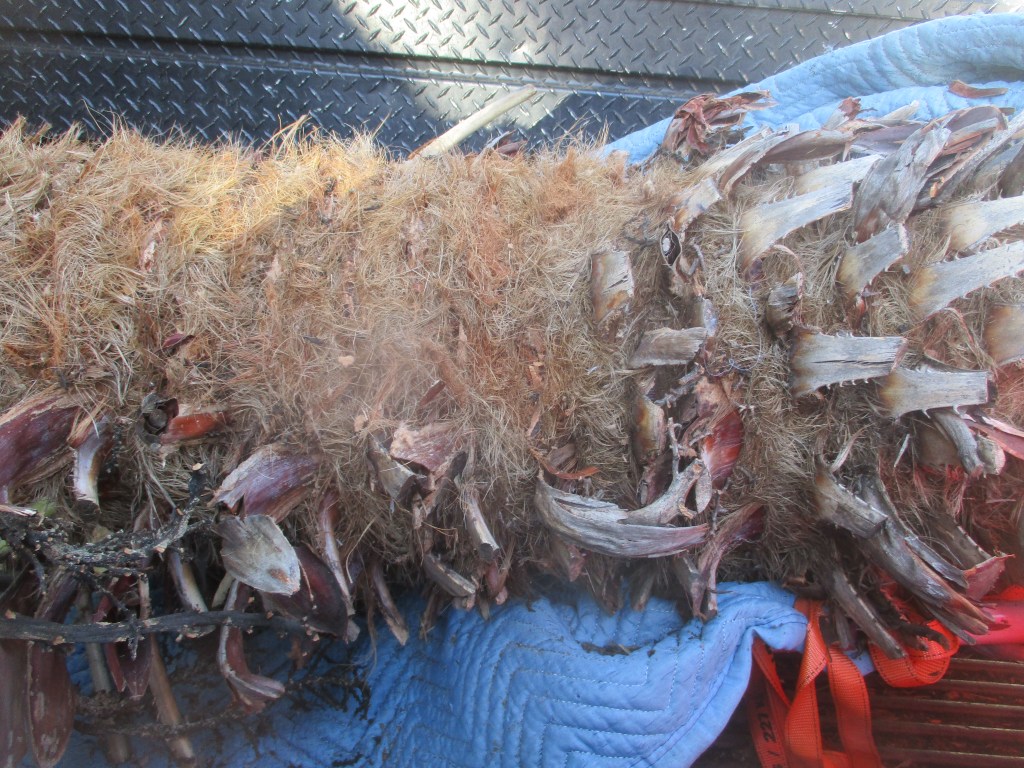
6. Here, it looks like Doctor Lecter of ‘Silence of the Lambs’, strapped into a dolly. It was much easier to handle after grooming, but still weighs about a hundred and fifty pounds. This species typically develops a few curving trunks. Such a straight single trunk is rare.

This is the link for Six on Saturday, for anyone else who would like to participate: https://thepropagatorblog.wordpress.com/2017/09/18/six-on-saturday-a-participant-guide/
Six on Saturday: Brent’s Pointless Pictures III – Watts Towers

Only two or perhaps three of these six pictures were taken in Watts. Furthermore, those towers in the backgrounds of pictures #3 and #4, although only a few blocks west of the Watts Towers, and supporting massive volumes of wattage, are merely electricity pylons. It is unimportant. Actually, these five images and one video are assembled together here only so that I need not discard them unused. Brent will not stop sending them. Now that these are the last for the moment, I can post more interesting or at least relevant images next week. I must share pictures of the esperanza and poinciana seed getting sown. Also, we moved a Mediterranean fan palm.

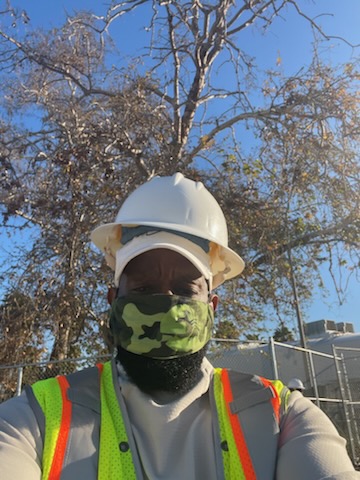
1. Brent can not stop taking selfies. Carly Simon sang about this sort of behavior in 1972; ‘You’re so vain.’ Here, he wants to be seen in a hard hat like my arborist colleagues wear. 

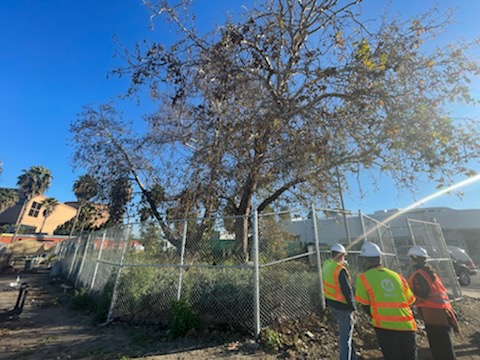
2. Old sycamores that Brent saved from certain doom are a much more important topic. Developers who want them out of their way said that the bare deciduous trees had died.

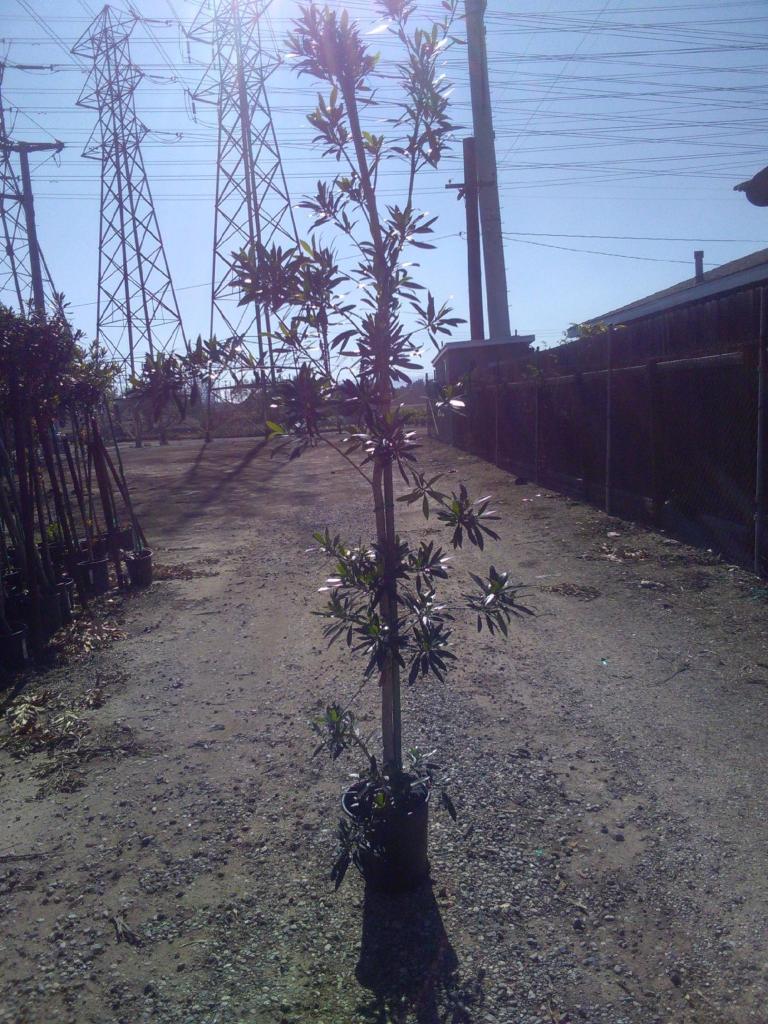
3. Tristania laurina is an exemplary small street tree for many of the narrow streets that Brent installs street trees on. This matured crop are exemplary #5 (5 gallon) specimens.

4. Minor lower growth that got pruned away promoted caliper growth. Those are not the Watts Towers, although they are only a few blocks to the west, and support many watts.

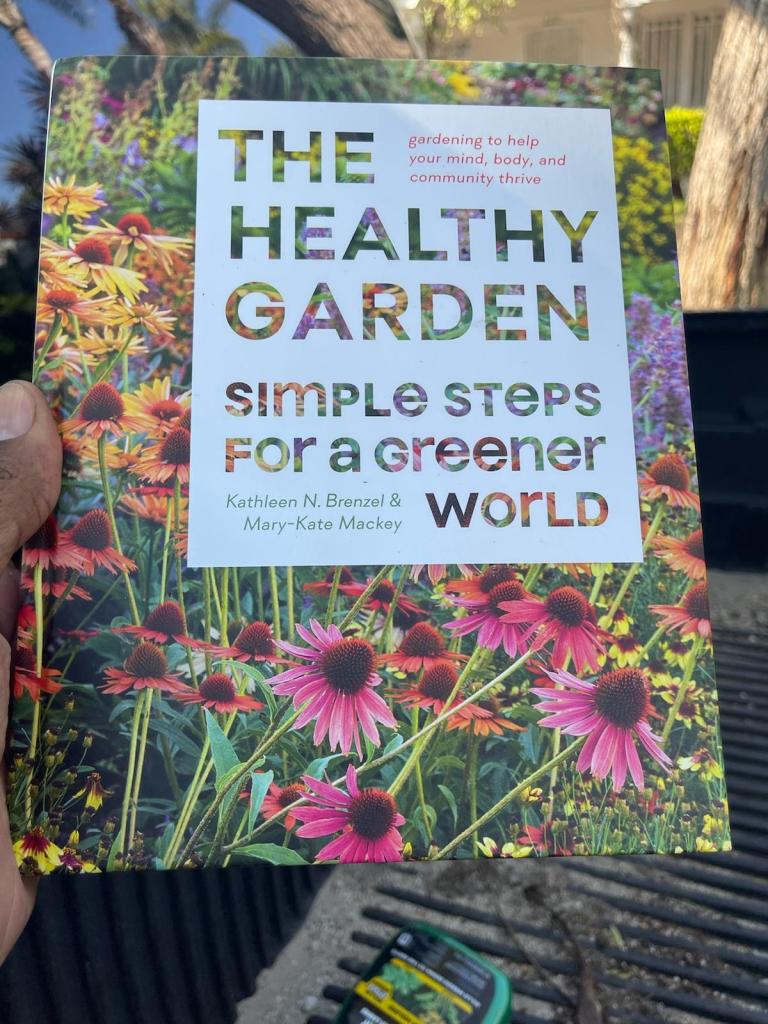
5. Brent wants to show off a new publication that features his home garden, or his work, or some such nonsense. I did not write the particular article, so it must not be very good. 

6. Brent’s home garden is SO crowded with SO much vegetation and other ‘stuff’. What a mess! It could be a hazardous situation during an earthquake. This one was very minor.

This is the link for Six on Saturday, for anyone else who would like to participate: https://thepropagatorblog.wordpress.com/2017/09/18/six-on-saturday-a-participant-guide/
Six on Saturday: Brent’s Pointless Pictures II – Palms

Esperanza and poinciana (pride of Barbados) from Crazy Green Thumbs will be delayed again. I still have not sown the seed, and when I do, I will likely delay posting pictures of them until I have exhausted all of these pointless pictures that Brent sends to me. There may be six more for next week after these six. Fortunately, the few that arrived since this purging began are not very interesting, so need not be shared. These six pictures arrived at various times through the past few months; and I did not document dates for them. It would be difficult to identify their chronology without inquiring with Brent, and without familiarity with potentially observable seasonal indicators of the particular climate. I am less than three hundred fifty miles away, but in an entirely different climate and region.

1. Baby queen palm, Chamaedorea plumosa, which is not princess palm, Dictyosperma album, is related to popular bamboo palm, Chamaedorea seifrizii. Brent got this for me.

2. Of all of Brent’s landscapes, this might be my favorite. The formality is rad. However, these illuminated Canary Island date palms, Phoenix canariensis, must be embarrassed.

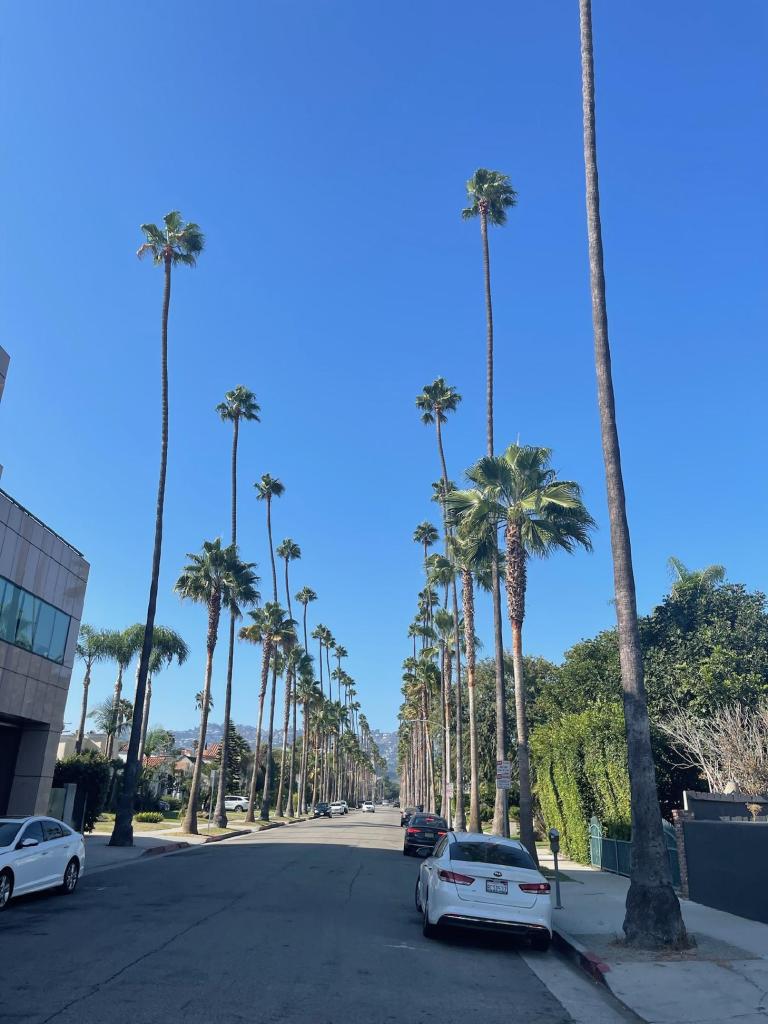
3. Mexican fan palm, Washingtonia robusta, is a most common palm of the Los Angeles region. Although palms are popularly informal, some might be formal and symmetrical.

4. Mexican fan palm dominate the view. Kentia palm, Howea forsteriana, California fan palm, Washingtonia filifera, and queen palm, Arecastrum romanzoffianum, got in too.

5. Brent likes to show off his palms. They are more visible from next door than from the garden they inhabit. The Mexican fan palm is a Memorial Tree for Brent’s brother Brian.

6. Coons! The arborist who pruned this Mexican fan palm returned to finish shaving the trunk, but found that a pair of coons who inhabited the beard were not ready to relocate.

This is the link for Six on Saturday, for anyone else who would like to participate: https://thepropagatorblog.wordpress.com/2017/09/18/six-on-saturday-a-participant-guide/

Six on Saturday: Brent’s Pointless Pictures

Esperanza and poinciana (pride of Barbados) seed that Crazy Green Thumbs sent to me earlier have not yet been sown, as I said they would be last week. Therefore, there are no pictures for them yet. Instead, I shared six of the countless pointless pictures that Brent, my colleague down south, sends to me as if I have nothing better to do than to download his countless pointless pictures and pretend to be impressed by them. They are different shapes and sizes, and some are quite small, but that is how I get them. Some are months old. Try to be impressed.

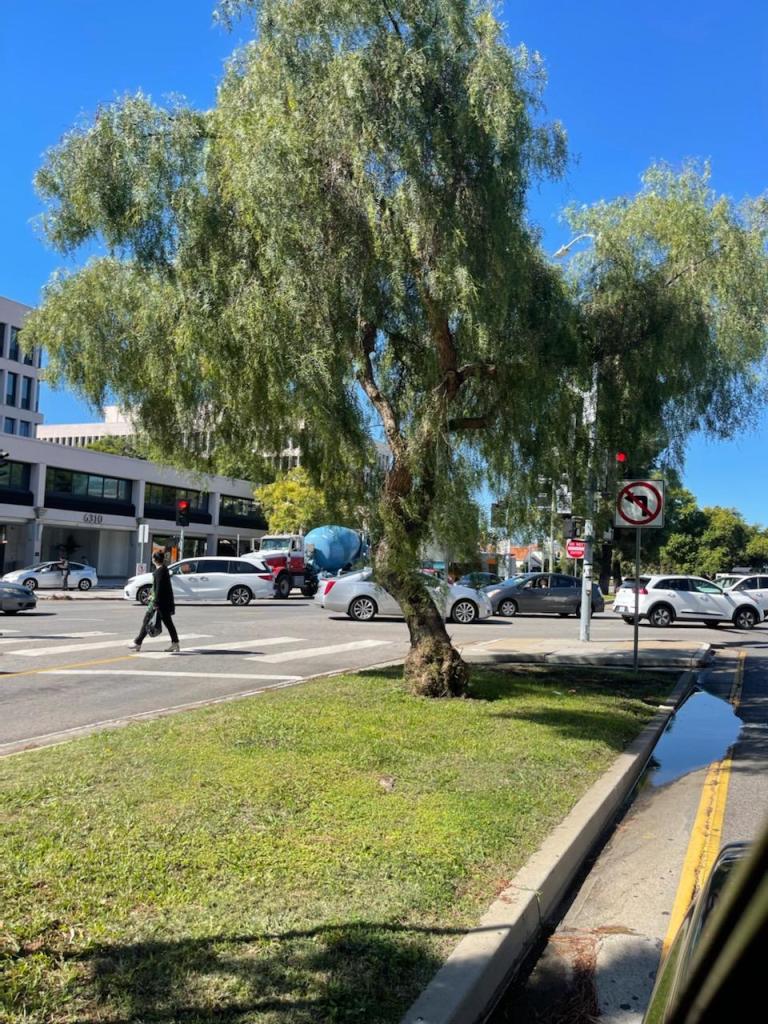
1. This California pepper tree is the only important subject of Brent’s otherwise pointless pictures. He planted it in this median when his daughter was born twenty-one years ago.

2. Poinsettia, cyclamen and a wreath on the gate at Brent’s front porch indicate that this picture was taken prior to Christmas, and that Brent’s garden is in need of a weed eater.

3. This is a better example of the overgrown vegetation. This flame vine spreads out over the roof and sometimes reaches the opposite side. I cut it back to bare cane a few times.

4. Brent’s older brother’s best friend grew up in this home in Leimert Park, and still lives here. He believes that this ‘saucer’ magnolia is a ‘Japanese’ magnolia. He is an idiot also.

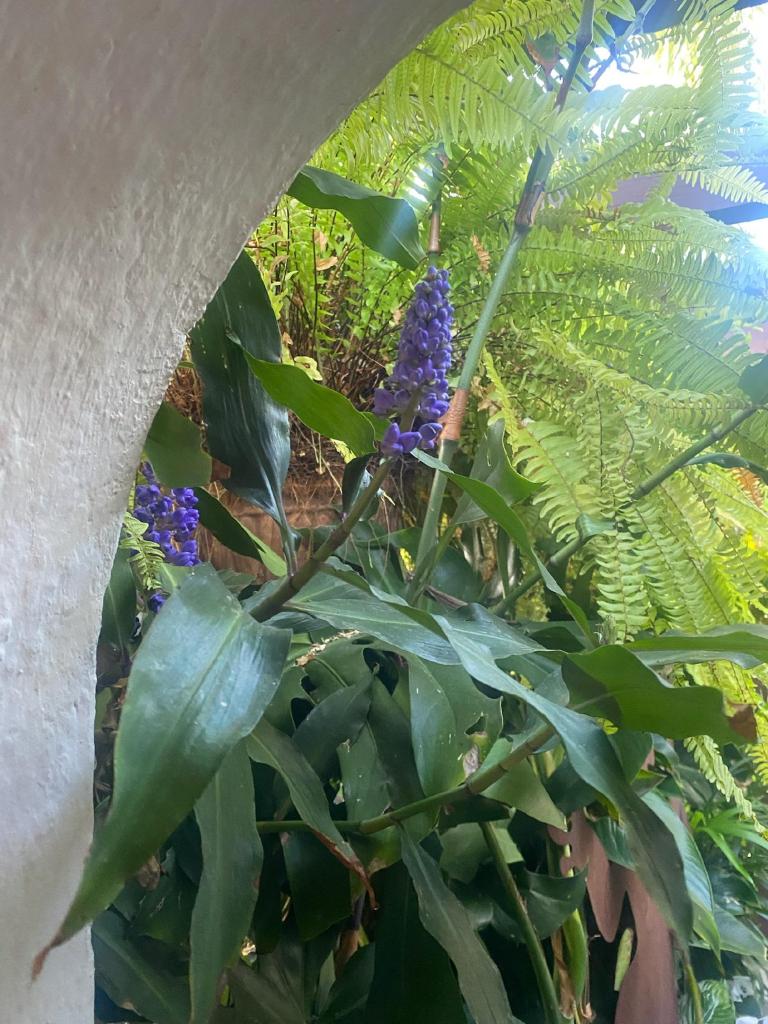
5. This might be a red ginger, and it might be right outside of the dining room at Brent’s home. It is difficult to identify a location with all the overgrown and crowded vegetation.

6. Blue ginger is neither related to real gingers, nor fragrant like real gingers, but sure is pretty. This could have been right outside of the front porch gate, prior to the picture #2.

This is the link for Six on Saturday, for anyone else who would like to participate: https://thepropagatorblog.wordpress.com/2017/09/18/six-on-saturday-a-participant-guide/
Six on Saturday: Isolation

I seem to have flunked my Covid test. Nonetheless, I felt that I was sick with ‘something’ that, regardless of how minor, should not be shared. I would have ignored it a few years ago. That is no longer an option. I isolated at home for the past week, avoided work, and did not venture out much. Consequently, I did not take pictures for this Six on Saturday. Half were taken here at the last minute. Half were taken prior to last week.

1. Esperanza and poinciana (pride of Barbados) seed from Crazy Green Thumbs got here a month ago. Sowing is delayed for frost. I am too ashamed to say what happened to the esperanza seed from The Shrub Queen earlier. I will explain when I sow these after frost. 

2. Pineapple sage grew from five cuttings on a windowsill right in the middle of winter. I had no plan for them when their original stem got in my way at an ATM. It needed to go. 

3. Hottentot fig, which is also known as common freeway iceplant, gets no respect. I was pleased to see it mixing with other succulents for a planter box in town earlier last week.

4. Narcissus bloomed at about the same time that I saw the Hottentot fig in town. It was in our landscapes though. It brings back childhood memories of summering in Montara. 

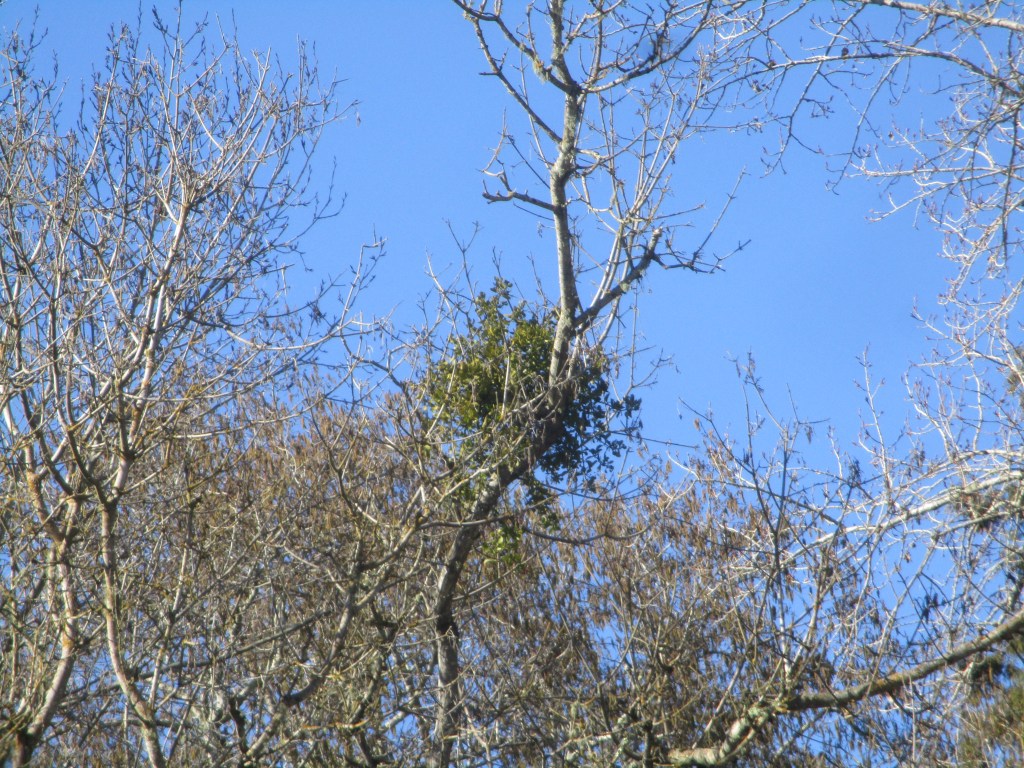
5. Mistletoe is making a comeback, after an unexplained decline a few years ago. I really wanted to show the unseasonably clear blue sky, but this seemed to be more interesting.

6. This is how the weather should behave at this time of year. There has been no rain for a month or so. It is quite dry. I believe that I recorded this video on Christmas morning.

This is the link for Six on Saturday, for anyone else who would like to participate: https://thepropagatorblog.wordpress.com/2017/09/18/six-on-saturday-a-participant-guide/
Six on Saturday: Joshua Tree

Yucca brevifolia is commonly known as Joshua tree. It is native to the Mojave Desert. It is very rare in home gardens because it is so extremely susceptible to rot with irrigation, or even where it gets more rain than it is accustomed to in the Mojave Desert. Besides, it is very difficult to work with, and even with impeccable maintenance, even the healthiest of specimens develop weirdly and unpredictably irregular form that too many find to be unappealing. Nonetheless, whether appealing or otherwise, whether in a landscape or in the wild, it is a fascinating species of Yucca. Rhody and I encountered these Joshua trees and many others west of Boron last Thursday.

1. Joshua tree is the tallest tree in this region, but does not get as tall as utility poles. The scarcity of moisture limits vegetation here. That is not wildlife in the lower right corner.

2. Zooming in on the specimen to the right in the previous picture reveals that there are many more in the distance. Many are solitary. Most live socially, in otherworldly forests.

3. If there were an exemplary Joshua tree, it might look something like this. The shabby specimen in the background to the right is also rather typical. They are weirdly variable.

4. These short and rigid leaves are extremely sharp! They look somewhat like the foliage of common giant yucca, but are very difficult to handle. Joshua tree is better in the wild.

5. Old foliage decays very slowly. It folds back and lingers on the limbs like this for many years. Joshua tree grows very slowly, so this foliage may have been like this for decades.

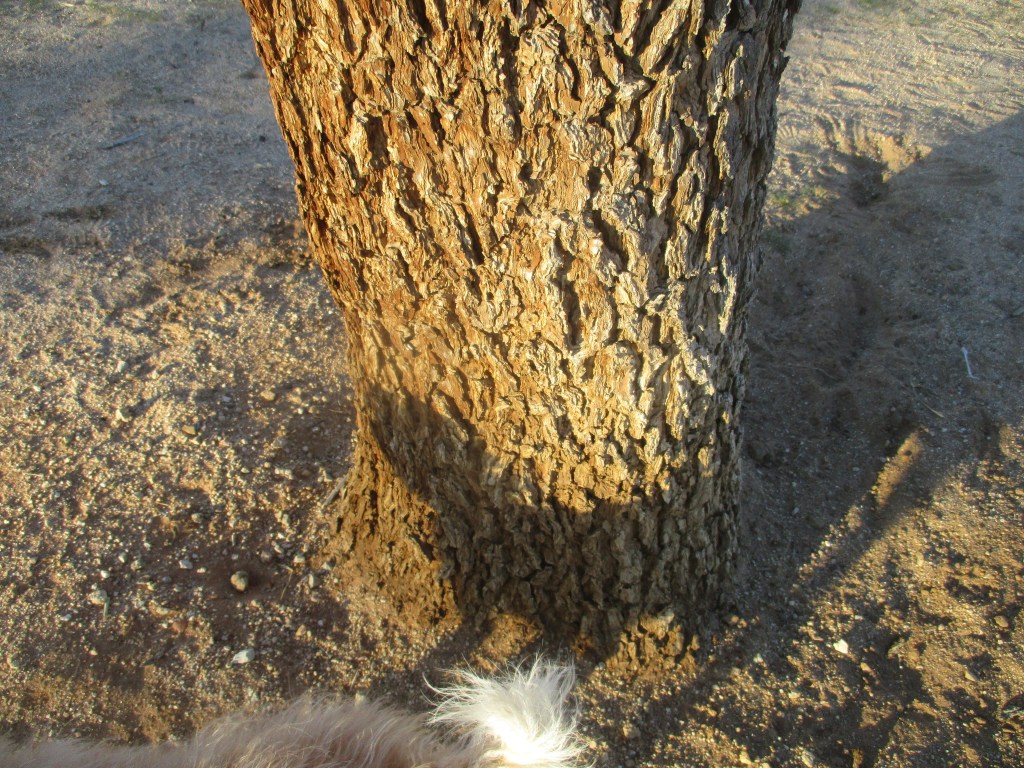
6. Trunks eventually shed deteriorated old leaves as they widen and develop this roughly textured exterior that resembles bark. Again, that is not wildlife in the lower left corner.

This is the link for Six on Saturday, for anyone else who would like to participate:

Six on Saturday: Winter Lite

There is not much time to finish all of the winter chores. Deciduous plants defoliate a bit late and refoliate a bit early. They do not stay bare for long. Roses were a priority for this week. We managed to prune all of them, and relocate several of them as well. Their buds are plump but still dormant. Although the weather has been pleasantly mild for the past several days, it has been more seasonably cool and even frosty for night. Seriously, there was genuine frost and even ice! It would not impress those who are familiar with wintry weather, but it makes our work a bit less rushed. All that we need now is a bit more rain. 

1. Pruning roses is one of my favorite winter chores. It is almost as much fun as pruning fruit trees. Just a few are my favorite hybrid tea roses though. This is merely understock.

2. Carpet roses are the most common roses in our landscapes. I loathe them. However, I have been enjoying some of them. The smaller of two big colonies generated this debris.

3. Salvia greggii appeared mysteriously near some of the roses last year. Seriously, it is a mystery. I like it enough to layer the stems from the right for little new plants to the left.

4. White fir appeared mysteriously behind the Salvia greggii just recently. It lacks roots! Excellent! It can not damage pavement or septic systems! I should propagate more of it.

5. Angel’s trumpet has been confused since it arrived. It bloomed before developing new foliage last spring, stopped blooming before autumn, and now, is trying to bloom again!

6. Winter is famously mild here. Nonetheless, the weather sometimes gets cool and even frosty. On rare occasion, it gets cold enough for icicles. This appeared here on January 2. 

This is the link for Six on Saturday, for anyone else who would like to participate:

Six on Saturday: HAPPY NEW YEAR!

HAPPY NEW YEAR!

Happy January too! Happy Saturday! Really though, what is all the fuss about? There is nothing new about this. New years have been arriving annually for as long as anyone can remember. New days arrive daily. New hours arrive hourly. In fact, a new one just began within the last sixty minutes or so. Perhaps that justifies trying to be happy whenever we want to. I digress. My Six for this Saturday are irrelevant to this New Year, and actually, are not exactly happy. All six pictures involve just two trees, a valley oak, Quercus lobata and a coast live oak, Quercus agrifolia.

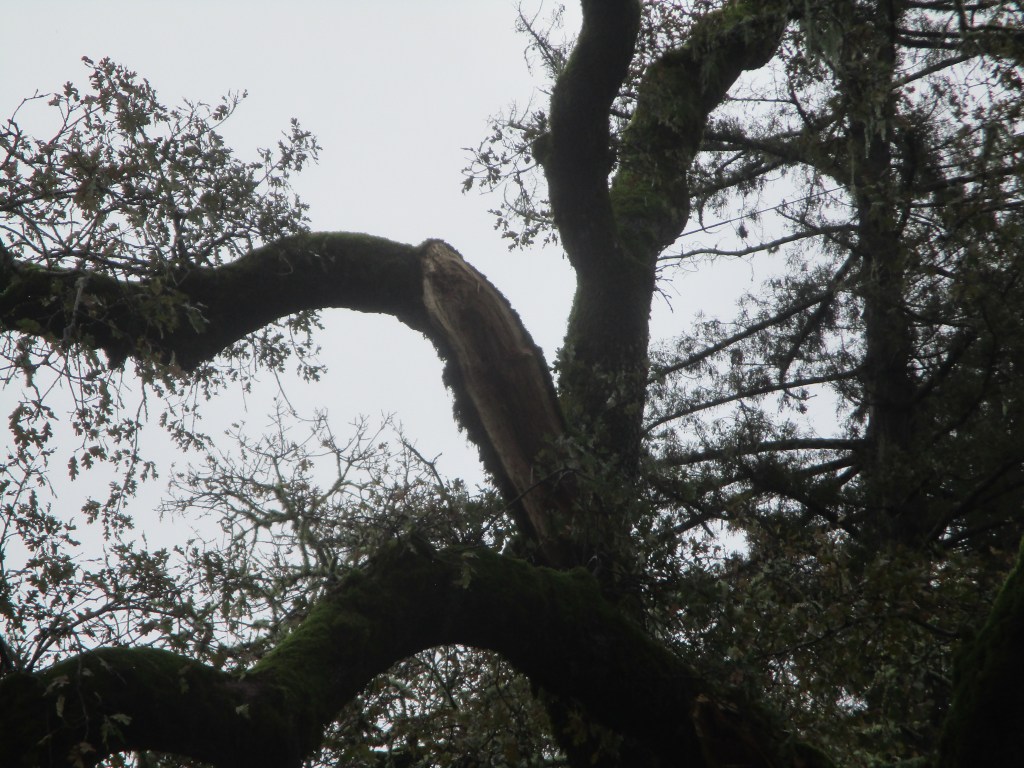
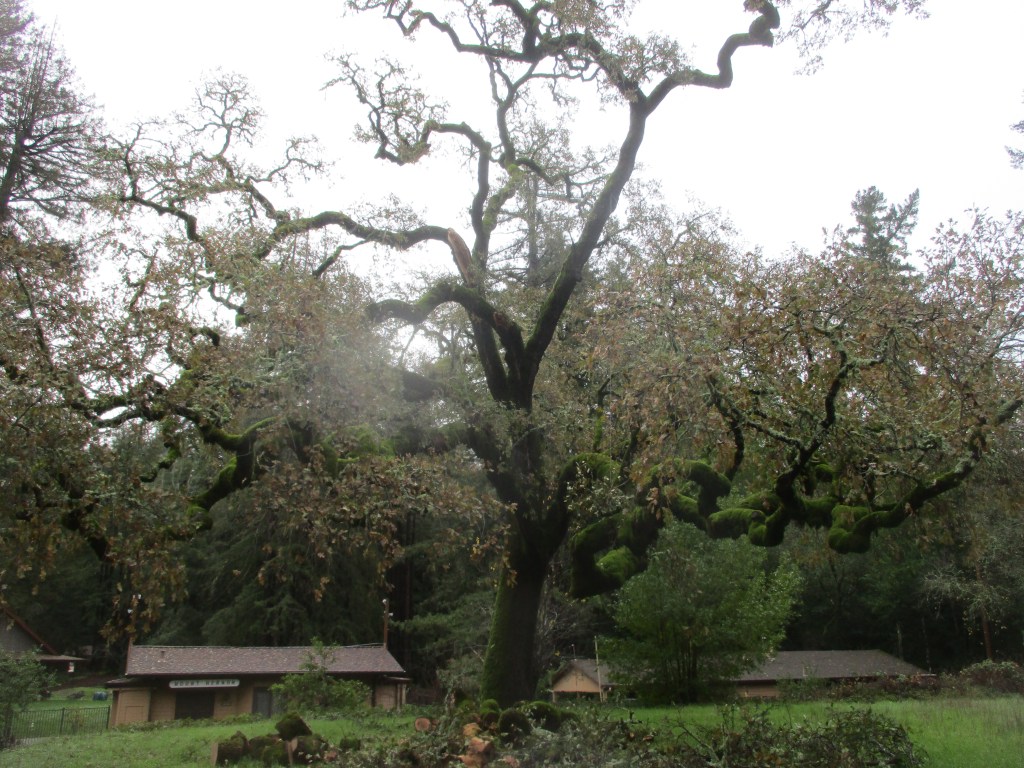
1. Thunderstorms are rare here. A real doozy arrived on Christmas morning though. The wind could have landed Rhody in Oz. This distinguished valley oak lost two major limbs. 

2. The worst of the damage is just above and slightly left of the center of this picture. The large limb that fell from there clobbered another large limb that was closer to the center.

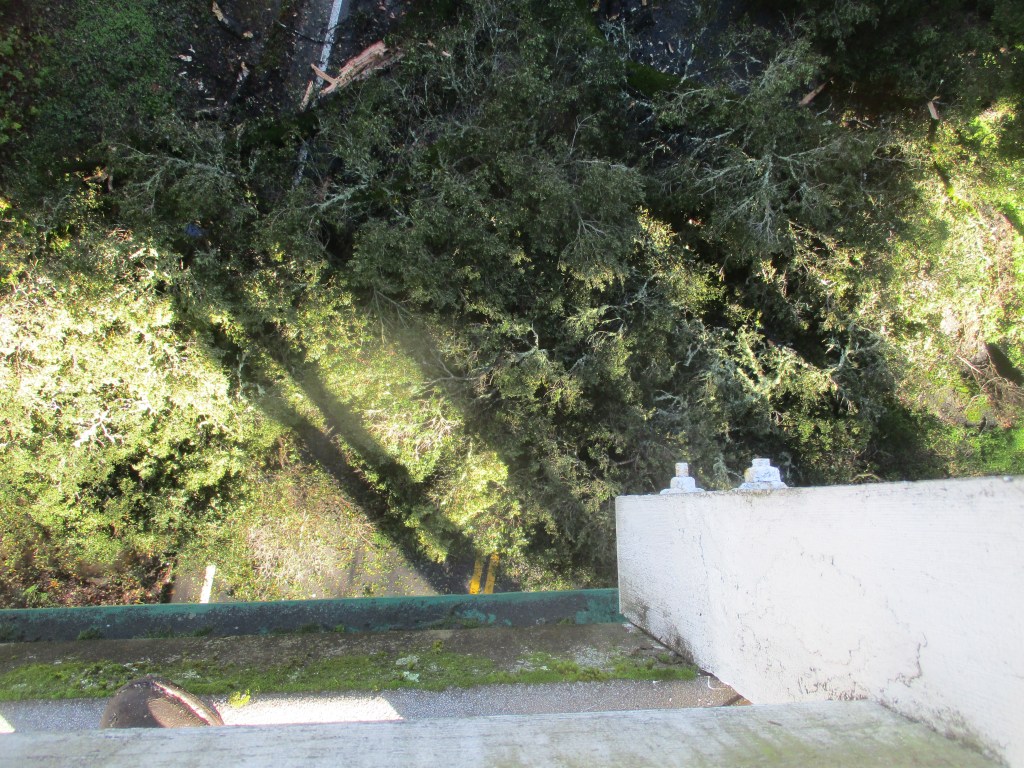
3. Can you identify what this picture shows? The pair of short yellow lines near the lower center of the picture is a clue. That is the dirty tip of my left boot in the lower left corner. 

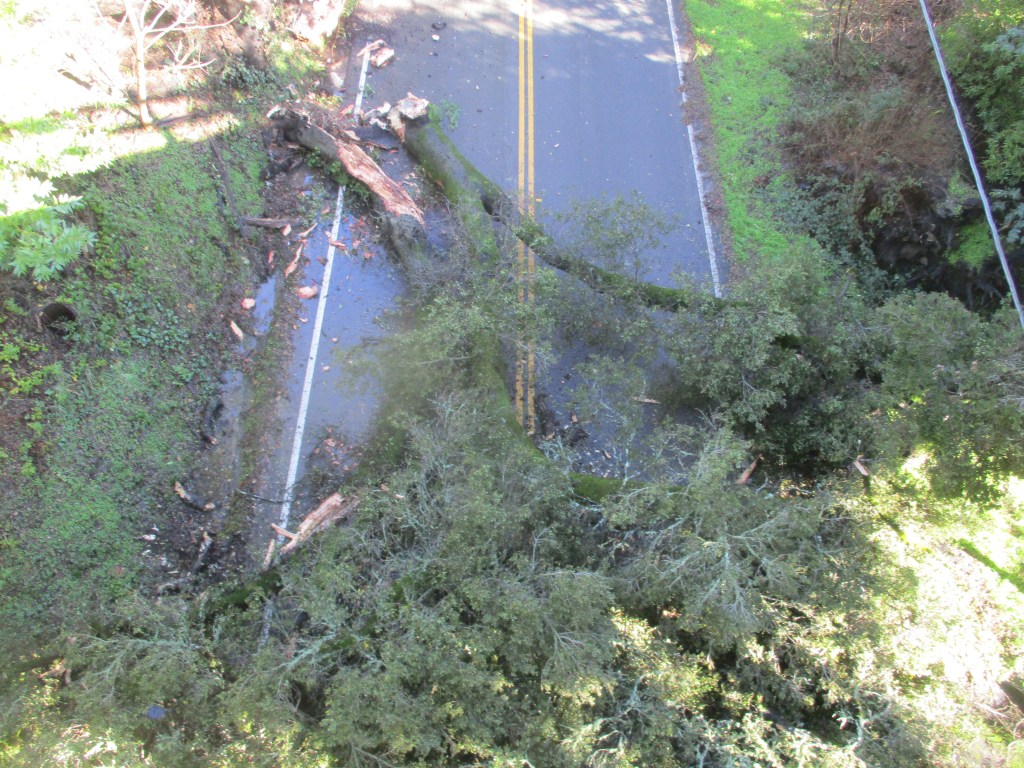
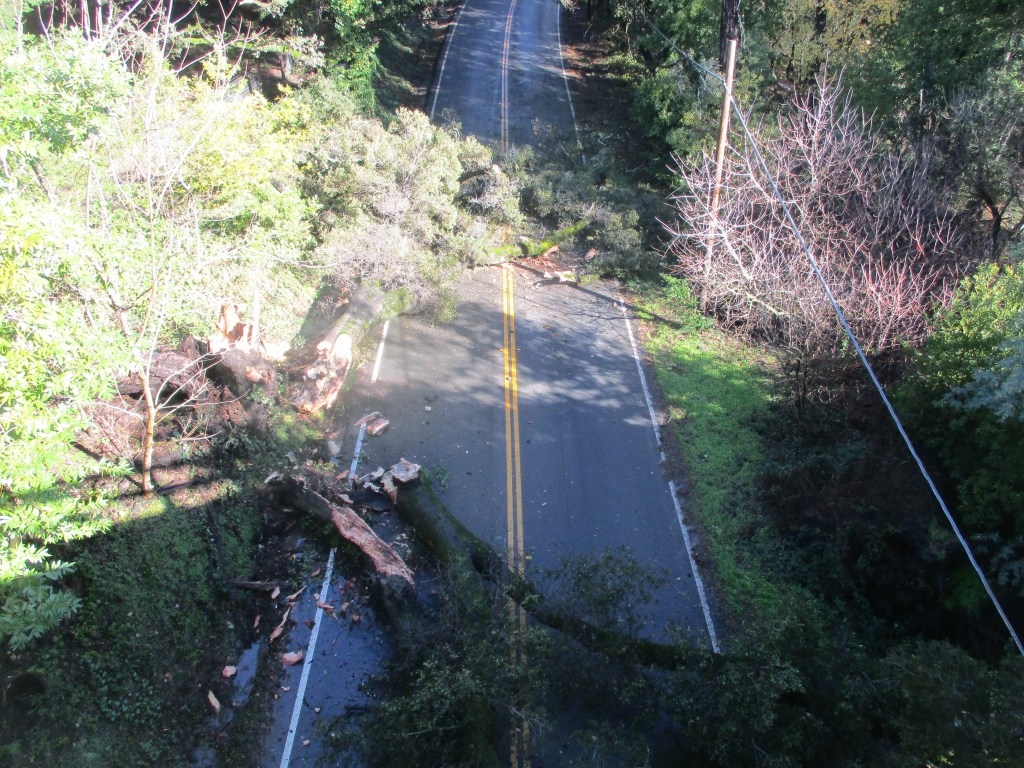
4. Tilting the camera from vertical reveals why I could not return to work after what was supposed to be a quick errand. This large coast live oak fell and totally blocked the road.

5. But wait, there’s more! This was more than we could move efficiently with the tractor. Two crews, working at both ends, took all day to clear it all. Another trunk fell to the left. 

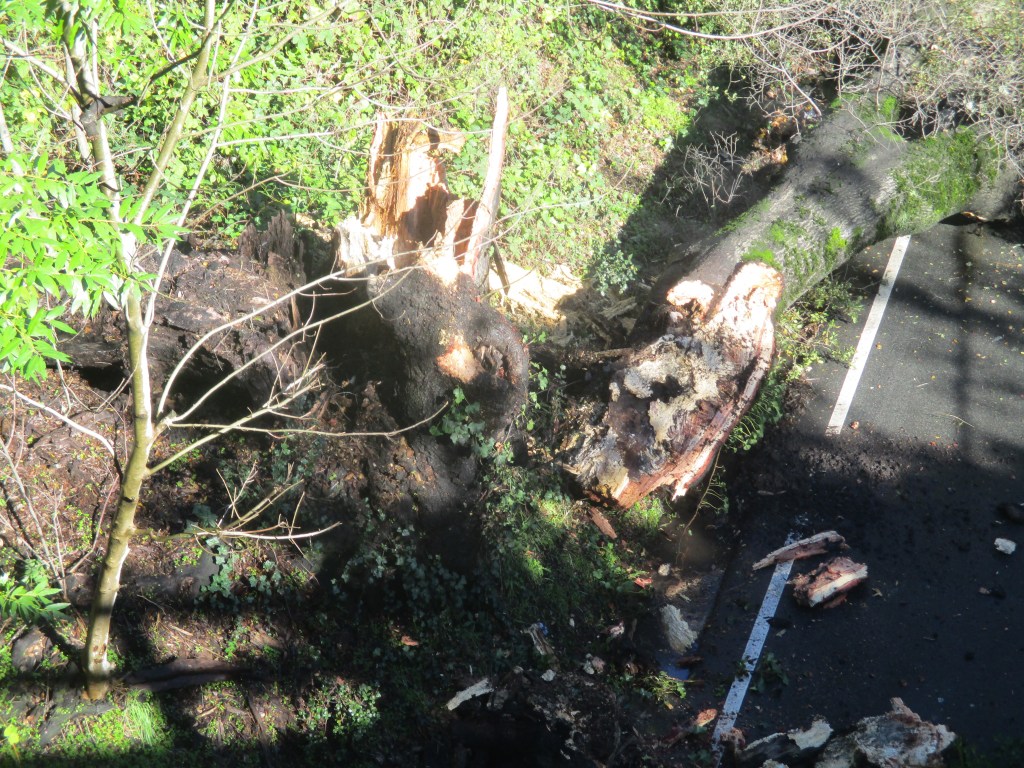
6. The trunks had been deteriorating for decades. The moisture of the adjacent drainage ditch accelerated rot. All that evergreen foliage finally got too heavy when wet from rain. 

This is the link for Six on Saturday, for anyone else who would like to participate

Six on Saturday: Rhody Hates Pictures

Six on Saturday is cancelled for Christmas. I should have remembered that. Well, I already posted my Six on Saturday, as well as these extra Six.

. . . .

Rhody is who everyone who comes to my blog really wants to see. I would share more of his pictures, but there simply are not many. He dislikes getting his picture taken, so does not cooperate. These six pictures demonstrate that splendidly. This is not my real Six on Saturday for today. I submitted them a moment ago. I just added these because Rhody is just that popular, and because I did not know what else to do with these six silly pictures that do not conform to any particular horticultural topic.

1. If only I could get a few simple candid pictures of Rhody before he notices the camera.

2. Oops! It is too late now. He gets so annoyed when he sees me aiming a camera at him.

3. Then I get ‘the look’, which, as one can imagine, means that he is even more annoyed!

4. Now he is contemplating where he will hide each left boot of every pair of boots I own.

5. Again I get ‘the look’, but a bit more resigned. He just wants me to finish and go away.

6. Now he just does not care. He knows I will take pictures anyway. He does as he wants.

This is the link for Six on Saturday, for anyone else who would like to participate:

Six on Saturday: Halloween is Dead!

Halloween is the Holiday that I loathe most, for several reasons. Nonetheless, pumpkins that are grown almost exclusively for Halloween, are one of the main crops of Half Moon Bay and the rest of coastal San Mateo County. One of my classmates at Cal Poly was Half Moon Bay Pumpkin Queen of 1985! I am actually rather fond of pumpkin. Where I lived in town, neighbors left pumpkins on my porch after Halloween. They were bright orange but mildly flavored Jack O’ lantern types, but were good enough for me to can enough to last until the next Halloween. Anyway, these six might have been more appropriate prior to last Halloween.

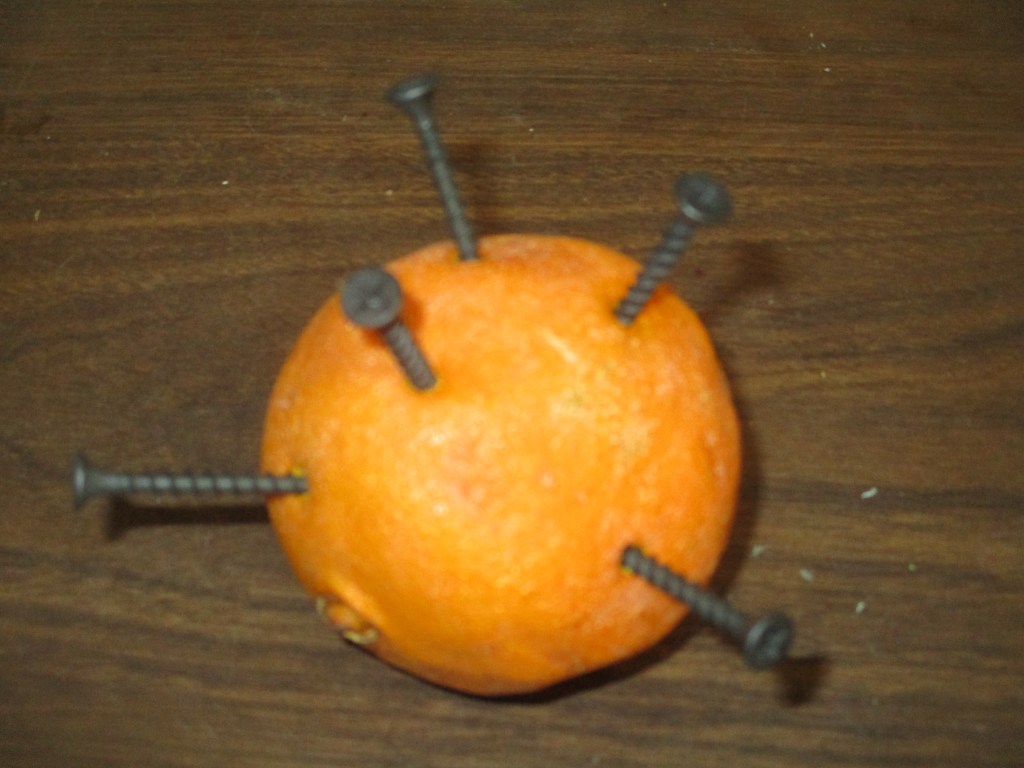
1. Screwball! Seriously, what is this? I did not grow this orange. I have no idea how it got impaled by all those screws. I just found it here. It resembles a character of ‘HellRaiser’.

2. Skeletal remains of trees that were burned by the CZU Fire, which I happened to write about on Halloween last year, were likely Douglas fir. They look like the Haunted Forest.

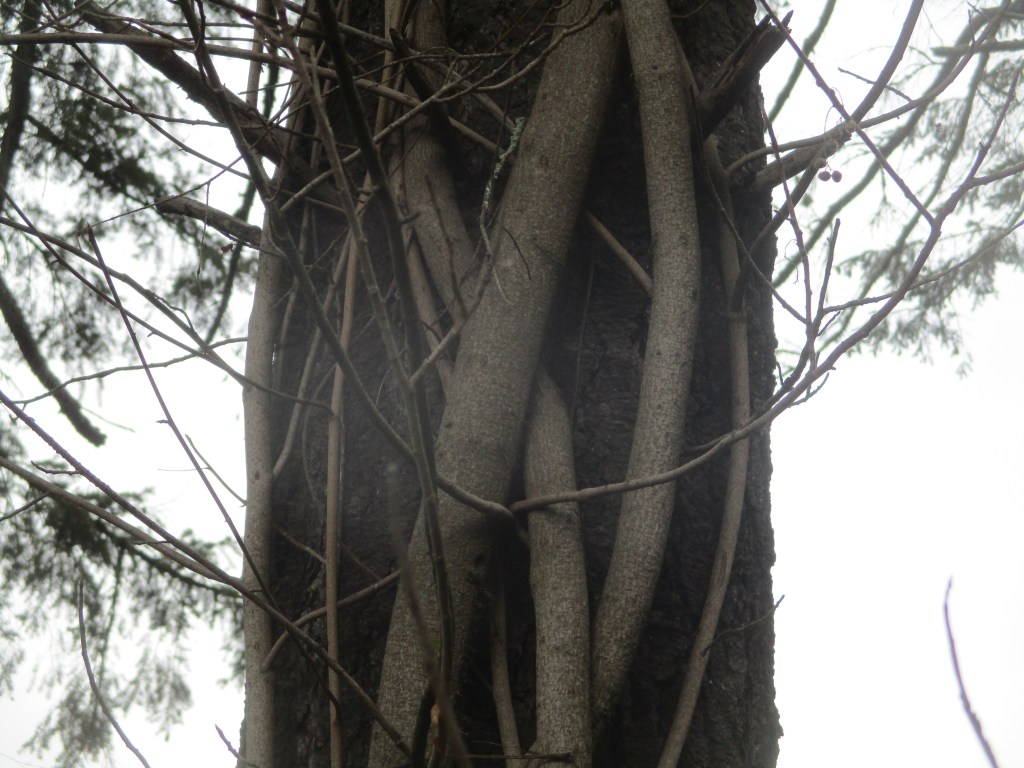
3. Poison oak is a nasty species in all regards. Not only are most people very allergic to it dermally, but it looks evil also! These vines look like they want to strangle their support.

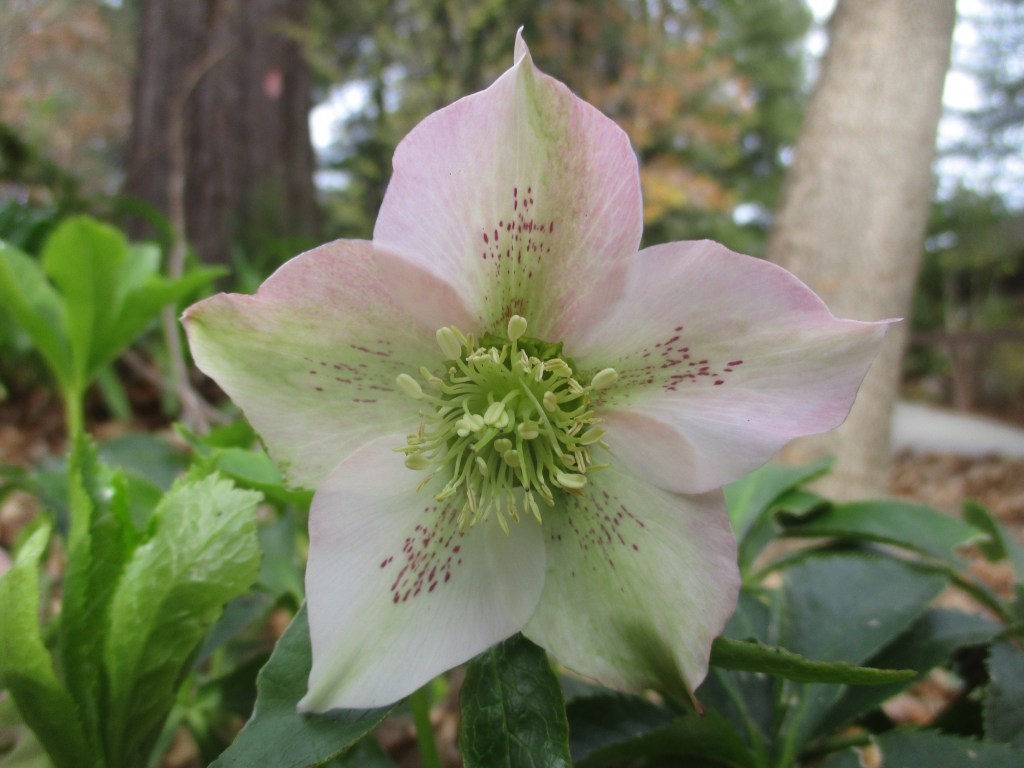
4. Hellebore does not perform well here. Perhaps it might perform better if it were bored in . . . someplace else. This is likely my favorite since it is white; but such a ghastly white.

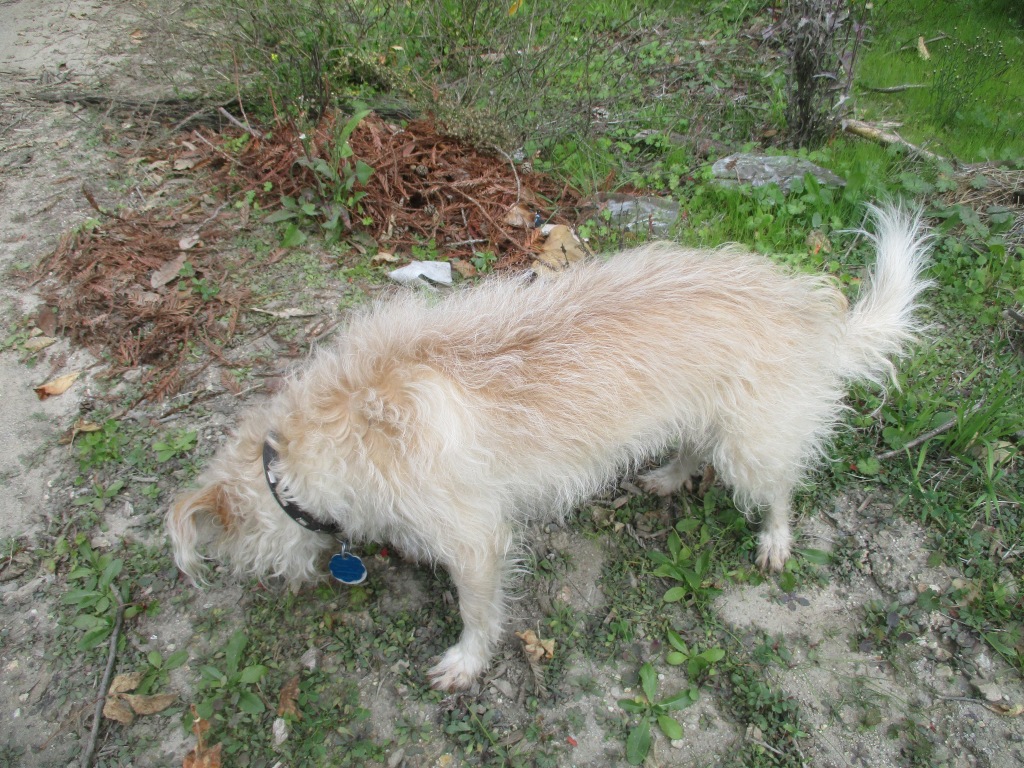
5. Ignore the diminutive werewolf to the lower left, and the background flora too. Notice the bridge above instead, and the bright orange horticultural oddity in the middle below.

6. Pumpkins are squash. This one demonstrated that characteristic splendidly. Now that Halloween was a month and a half ago, most go to waste. At least this one had some fun.

This is the link for Six on Saturday, for anyone else who would like to participate: