Not the terrier!
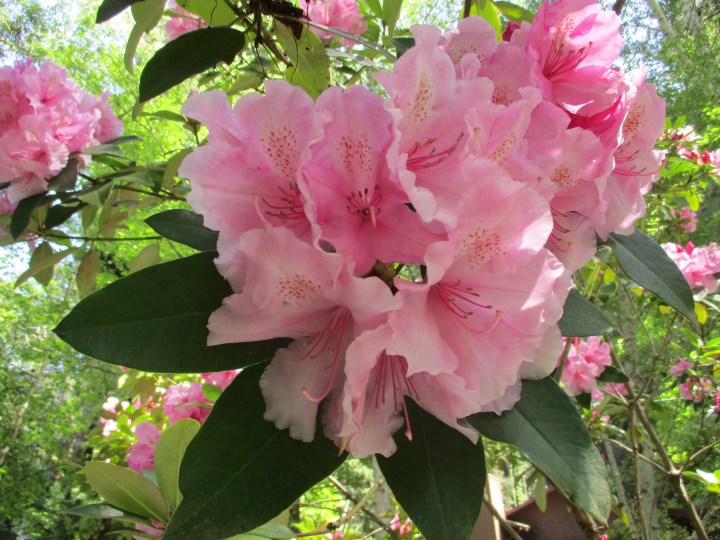
These are six of the many rhododendrons that have been blooming in the landscape for a while now. Some of the pictures are a week or so old. I do not remember when I took them. The rhododendrons did well this year, and their bloom has been lasting quite nicely. I should be pruning them next week, but can not get started until they finish. Some are very big, and some are sloppily overgrown. As much as I enjoy them in this landscape, I miss working with them on the farm. I can remember delivering the smaller rhododendrons in this landscape several years ago. Some of the bigger specimens are about as old as I am. I think I recognize a few of them, but can only positively identify the one in the first picture. ‘Annah Kruschke’ is the most popular cultivar, not only because it is so reliable, but also because it is not too bothered too much by the arid climate of the Santa Clara Valley and other regions that are somewhat farther inland.
1. Annah Kruschke is not the best purple, but is the easiest to grow. The foliage is is very nice dark green and somewhat glossy. It has a nice stout form that does not get too sloppy. Thrip do not bother it too much.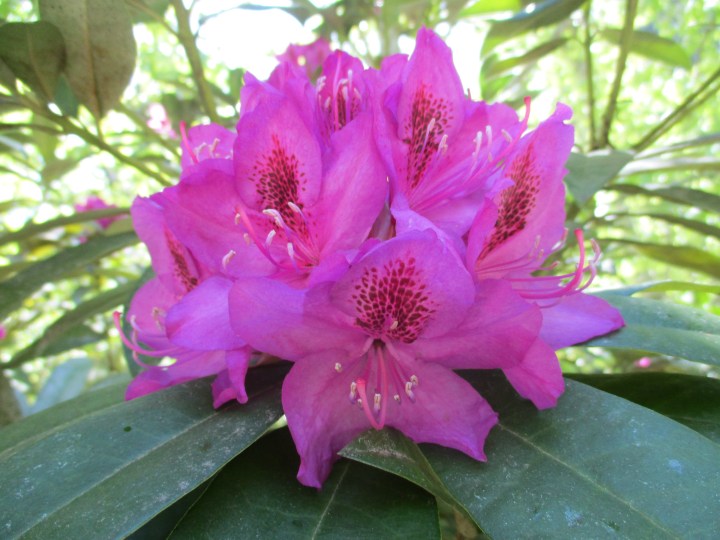
2. This one looks like Taurus, and is just as popular with thrip, but I can not positively identify it. Branch structure is not only open, but has gotten quite sloppy with age. These will be a challenge to prune back.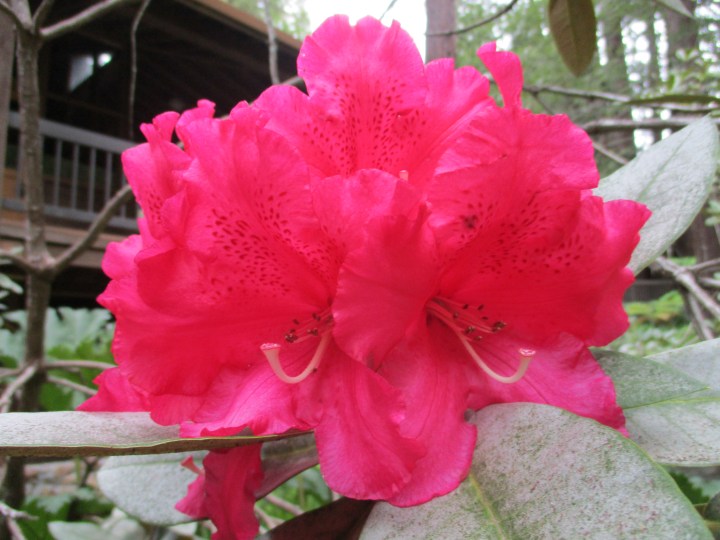
3. I will not even guess what this watermelon red rhododendron is. There are several of them here. Although the branch structure is somewhat open, it is not a sloppy mess.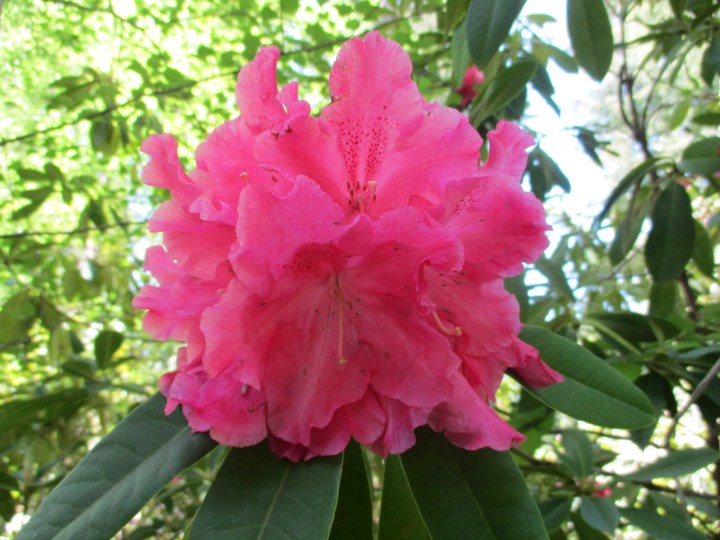
4. This one looks more like a cultivar that belongs in the Northwest. It has a nice stout branch structure, and nice round trusses of bright pink bloom. Although happy here, these types are not so happy in chaparral climates.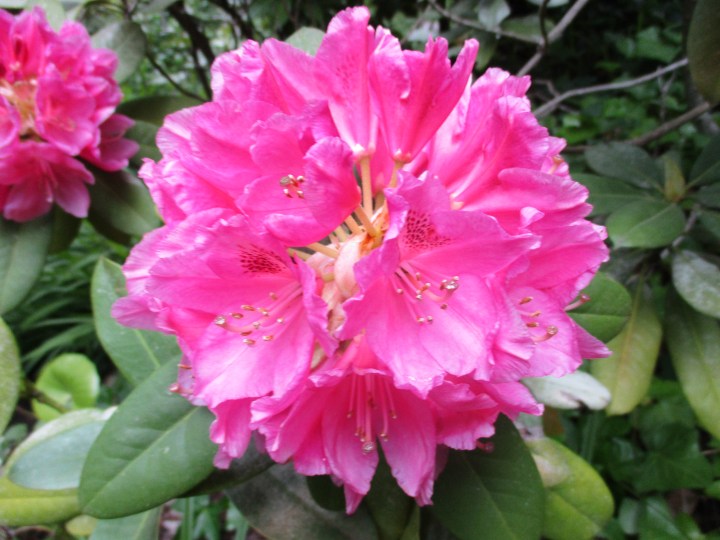
5. This is probably my favorite rhododendron here because it looks so much like one of my favorite whites, “Helen Schiffner’. I could do without the yellow blotches. The foliage and branch structure are somewhat shabby.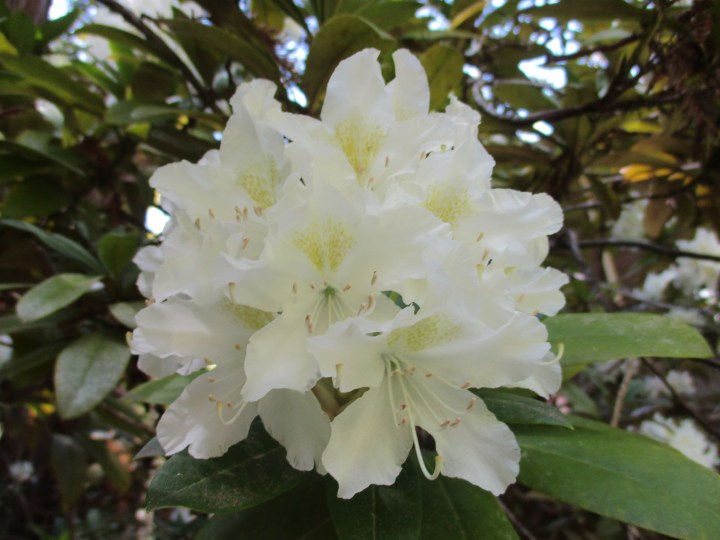
6. Like #3, I will not even guess what this one is. Although I typically prefer plain white, I happen to like these sorts of flowers because the blackberry stains in each floret makes the white look whiter.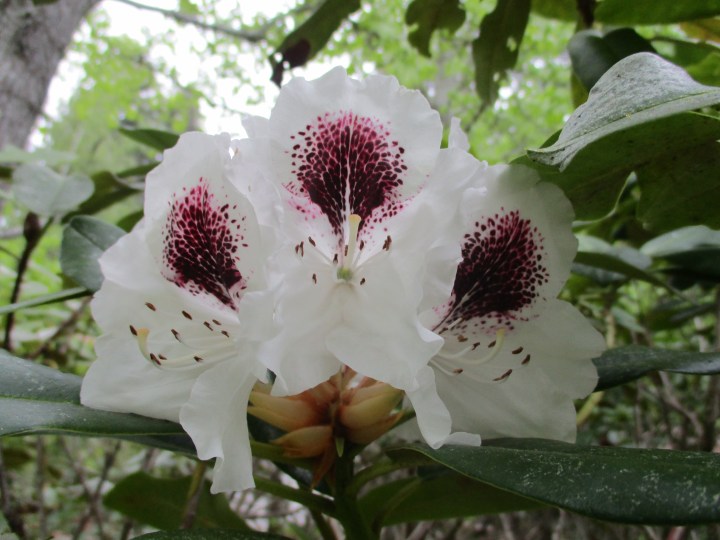
This is the link for Six on Saturday, for anyone else who would like to participate:
https://thepropagatorblog.wordpress.com/2017/09/18/six-on-saturday-a-participant-guide/
 The pros and cons of wax privet, Ligustrum japonicum ‘Texanum’ might get it a rating of about 2.5 out of 5. It seems that every asset is offset by a liability. The profuse clusters of tiny white flowers are sweetly fragrant, but are also a serious problem for those allergic to pollen. The berries attract birds, but are also very messy, and contain seeds that can germinate in the strangest of places.
 Seriously, I am not making this up. ‘Drunk Stick’ is what the Spanish name of ‘palo borracho’ translates into. It is one of the few common names of the tree I know only as floss silk tree, Chorisia speciosa or Ceiba speciosa. Yes, it sounds crazy, but not as crazy as what the trunk and limbs looks like. One can speculate why it is known as ‘drunk stick’. I am not certain that I want to know.
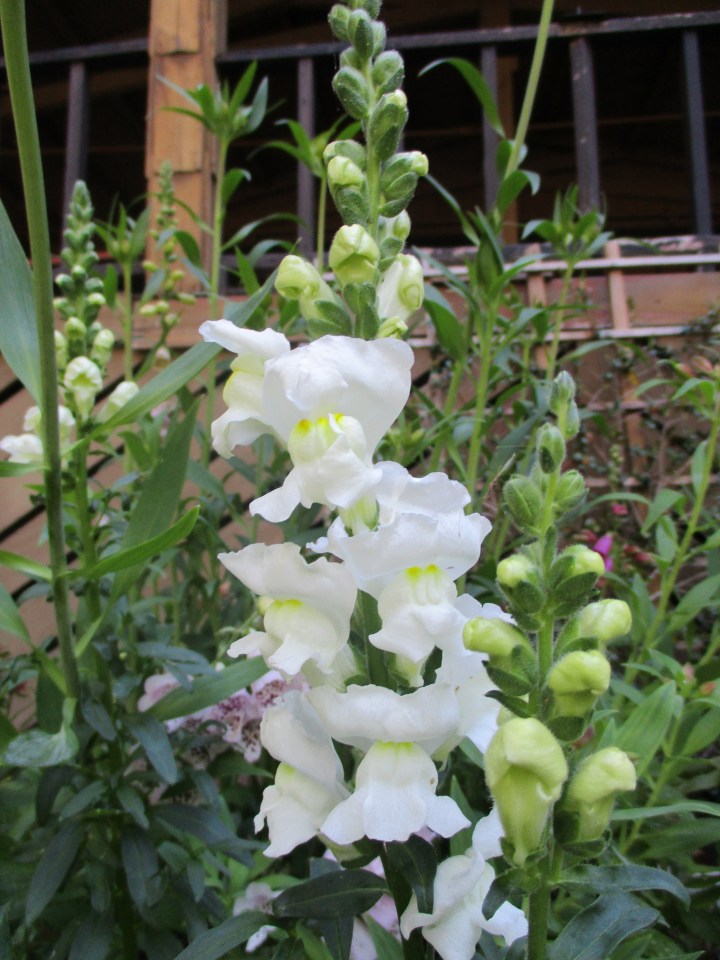 They are short term annuals in spring or autumn. Where winters are cold, they may last from spring through autumn. Where summers are hot, they may last from autumn through spring. So what are snapdragon, Antirrhinum majus, here? They can be either or both, depending on where and when they get planted. For most of us, they are a cool season annuals that finish before summer.


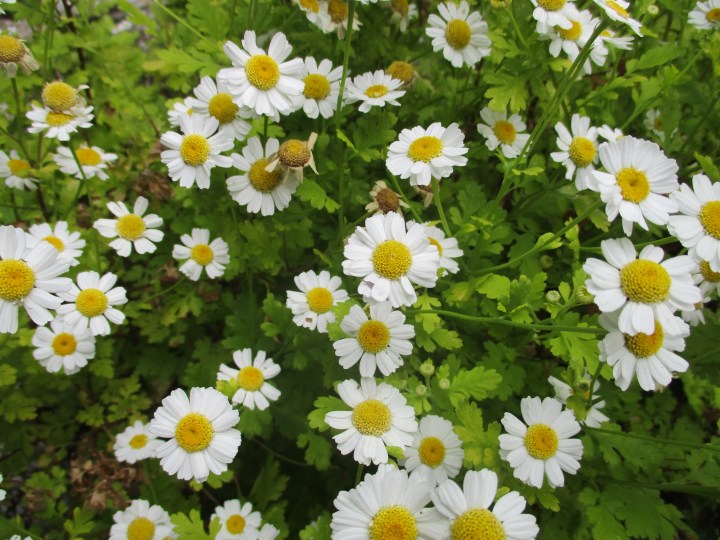

 It is not as if the previous article about it was inadequate.
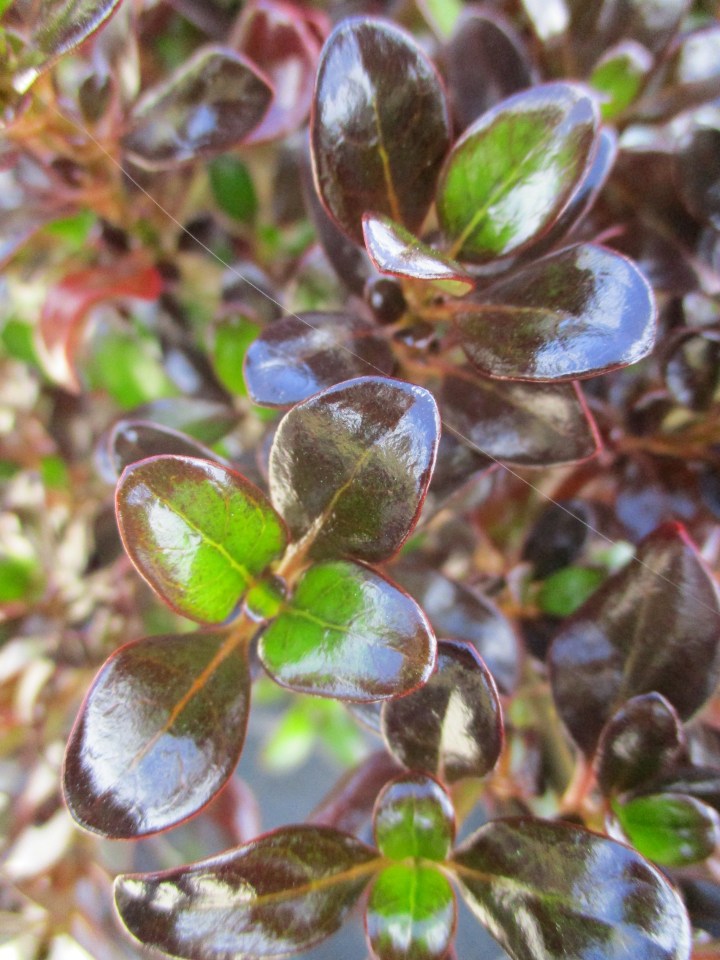 As the old fashioned larger mirror plant, Coprosma repens, fell out of favor through the 1990s, several more colorful varieties of a more compact species of mirror plant, Coprosma X kirkii, became popular. (The ‘X’ in the name indicates that it is actually a hybrid of two specie.) Without getting much more than two feet deep, it spreads out laterally like dense evergreen groundcover.
 They are not a myth. They are quite real. So are the related and similar deciduous azaleas. There are certainly not as popular or as diverse as the familiar evergreen cultivars, but they have their place.
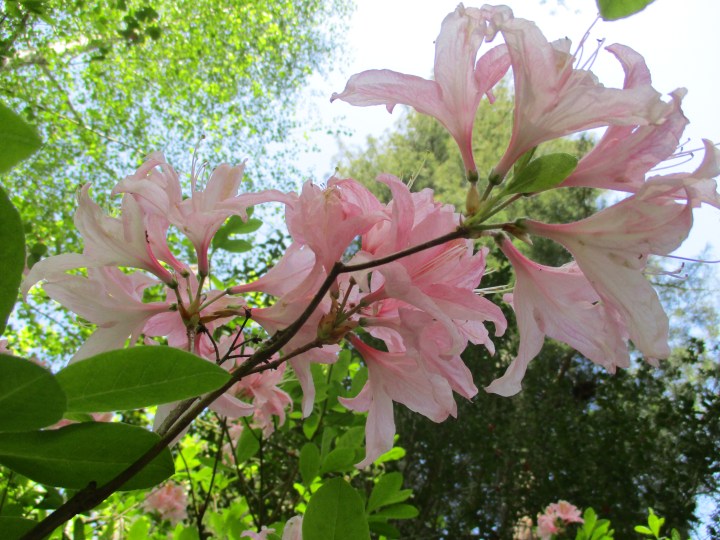 (The article from my weekly gardening column that is typically posted on Thursday was posted yesterday, which is why this article, which is more appropriate for Wednesday is posted today.)
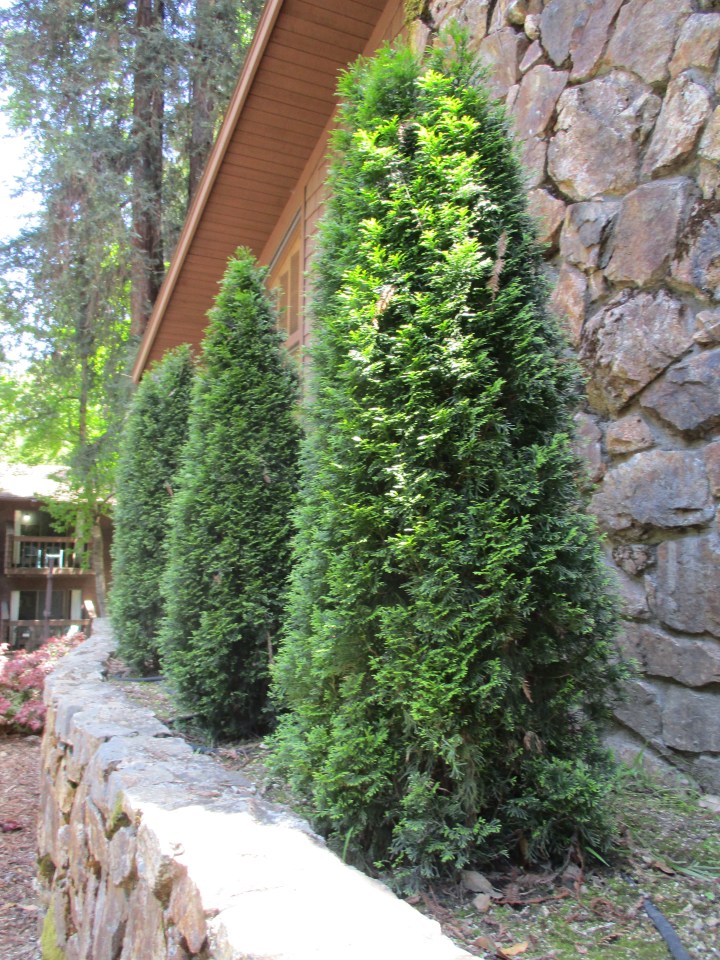 The many cultivars of arborvitaes of home gardening have been so extensively bred and selected that only the foliar texture resembles that of their ancestors. ‘Emerald Green’ which is also known by its Danish name ‘Smaragd’, is a cultivar of arborvitae that was developed from the white cedar, Thuja occidentalis,which grows wild from Minnesota to New Brunswick, as a forty foot tall tree!
 There really is a bearded iris that happens to be named ‘San Francisco’. It is related to ‘Los Angeles’, but not ‘San Jose’. (I really want to find a copy of ‘San Jose’ for my own garden!) Both ‘San Francisco’ and ‘Los Angeles’ are white with a slight blue highlight, and an even slighter reddish edge that is easy to miss. I can not remember which one of the two is whiter than the other, but the whiter one may lack the reddish edge altogether.

