
Despite the pleasant warm weather, it will be autumn soon. This is the time to get ready for cooler weather through autumn and winter. The plants in the garden do that on their own without our help. They somehow seem to know what time it is. We only need to clean up the mess and empty the gutters when deciduous trees start to drop their leaves later. Most of our work involves features that are not plants.
Winters are so mild here that some of our work often gets delayed until it becomes necessary. If needed, we can paint, stain and seal decks, fences, patios and anything else outside anytime the weather allows right through winter. Many of us leave patio furniture outside all year both because the weather is not too harsh on it, and because patios are usable spaces even through winter.
Firewood is also commonly neglected or not even needed, but for different reasons. Many fireplaces were damaged or destroyed by the Loma Prieta Earthquake decades ago, and never repaired or replaced. Modern building codes outlawed the construction of new fireplaces even prior to that; so newer fireplaces are instead pellet stoves. Those of us who still use old fireplaces and stoves have more difficulty obtaining wood now that the orchards are gone and the outskirts of town are so much farther from home.
The advantage of pellet stoves is that fuel (which looks like stove food) is always available so does not need to be accumulated, stored and seasoned. The fuel also burns cleaner. Synthetic logs (made from compressed wood byproducts and fuel) are an expensive alternative for conventional fireplaces and stoves, but also burn cleaner than wood, and are always available. They are lightweight and clean, so can be picked up at the store and brought home in the trunk of a small car whenever a fire is wanted in the fireplace.
Good old fashioned firewood is both more work and stigmatized because of pollution. Those of us who do not have firewood available within our own gardens can purchase it from some tree service companies. It is most commonly obtained already split and seasoned directly from the wood yard where the tree service company stores it. It can be delivered for a price. Some people even like to pay a bit extra to get it stacked.
Firewood obtained in this manner is typically a mix of random woods from trees found in local landscapes. There is often a preponderance of a particular type of wood. No one ever knows what to expect. The specific type of wood is designated only when a large tree or group of trees needs to be removed, and can be isolated from mixed wood.
Palms and yuccas, known as ‘herbaceous trees’, do not produce effective firewood! A few pieces in a load of firewood should not hurt anything, but palm or yucca ‘wood’ should not be purchased. Mixed wood often contains some resinous wood and eucalyptus, which burns just fine, but produces a bit more soot that needs to be cleaned from chimneys.
Firewood should be obtained annually in quantities that are likely to be used each winter. It is perishable, and can rot if stored several years outside. Even if it does not rot, it can become infested with rodents if it stays idle too long. Besides, excessive firewood simply takes up space that could be used for something else.
 This is a formerly unplanned sequel to the article ‘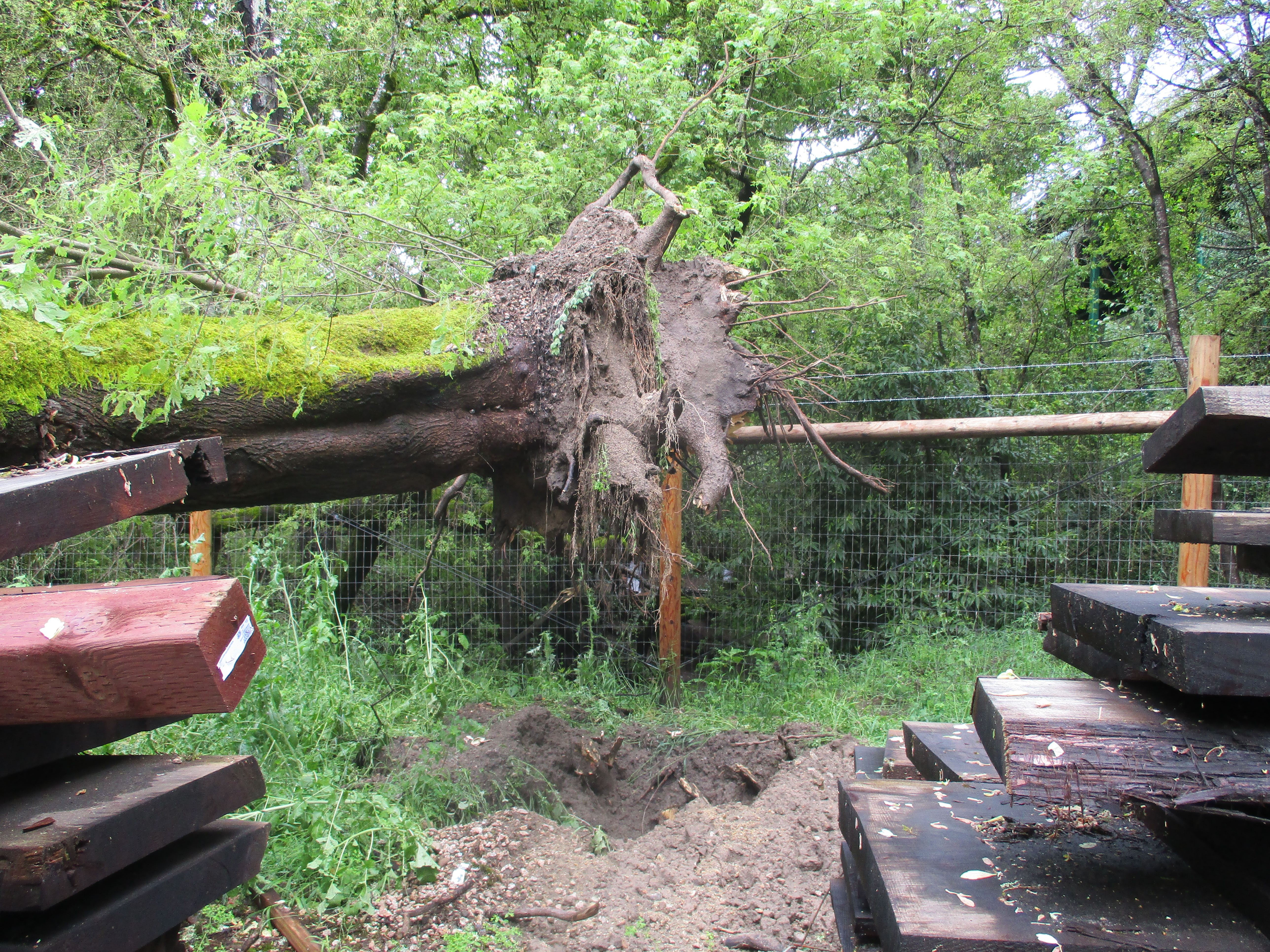

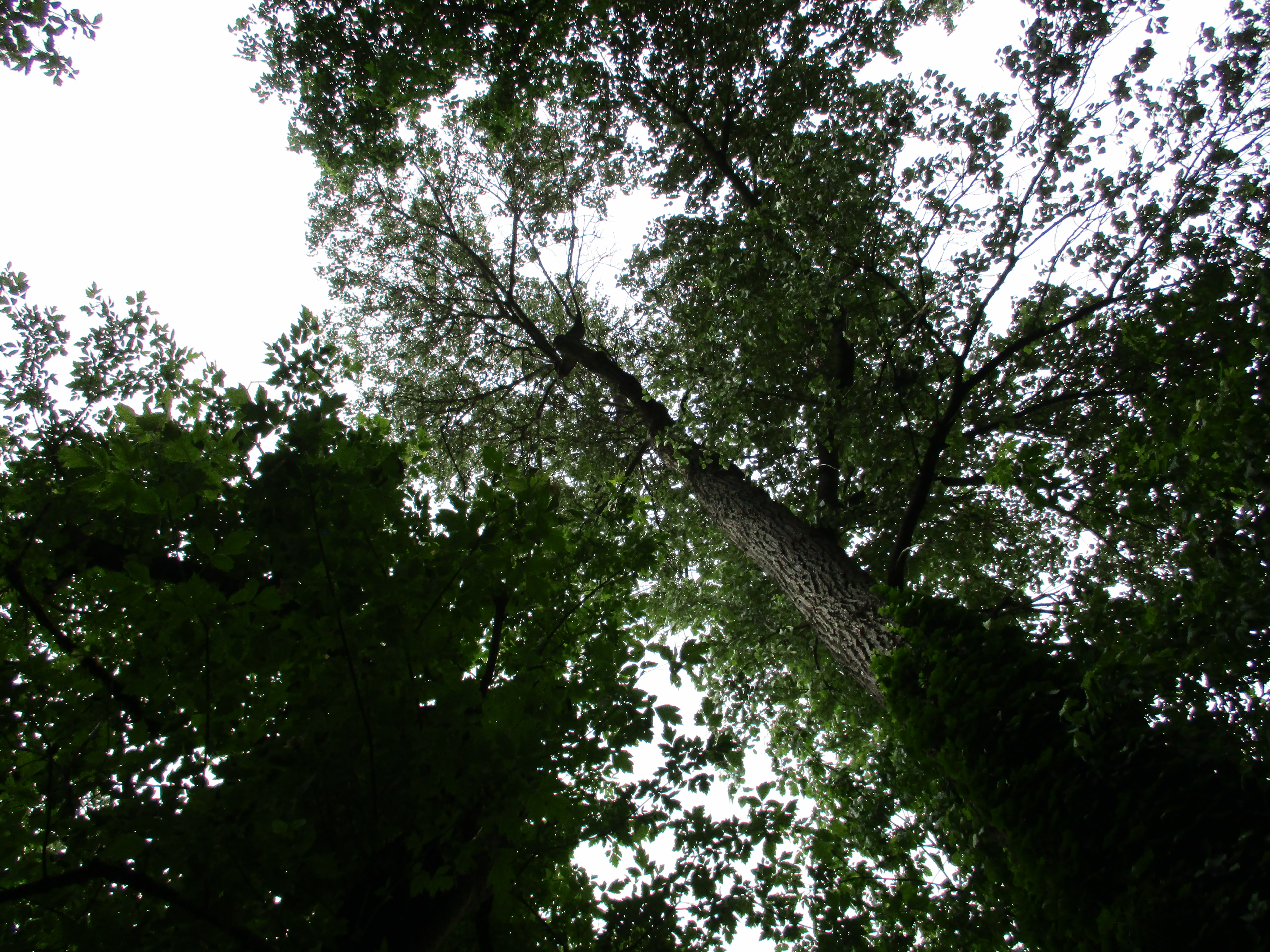
 By ‘big trees’, I don’t mean the various ficus trees that can grow up to the ceiling, and be quite happy inside. I am referring to the shade trees that live out in the yard, or forest trees that live beyond that. They are outside for a reason . . . or actually, several reasons. They are too big to bring inside. They probably would not like the climate inside. No one wants to rake fallen autumn leaves inside. Well, you get the point.
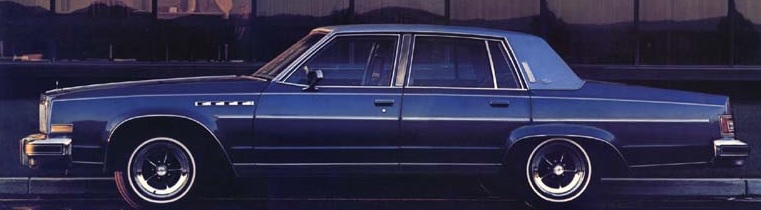 That is a myth. They do not hate all cars. They just hate particular cars.

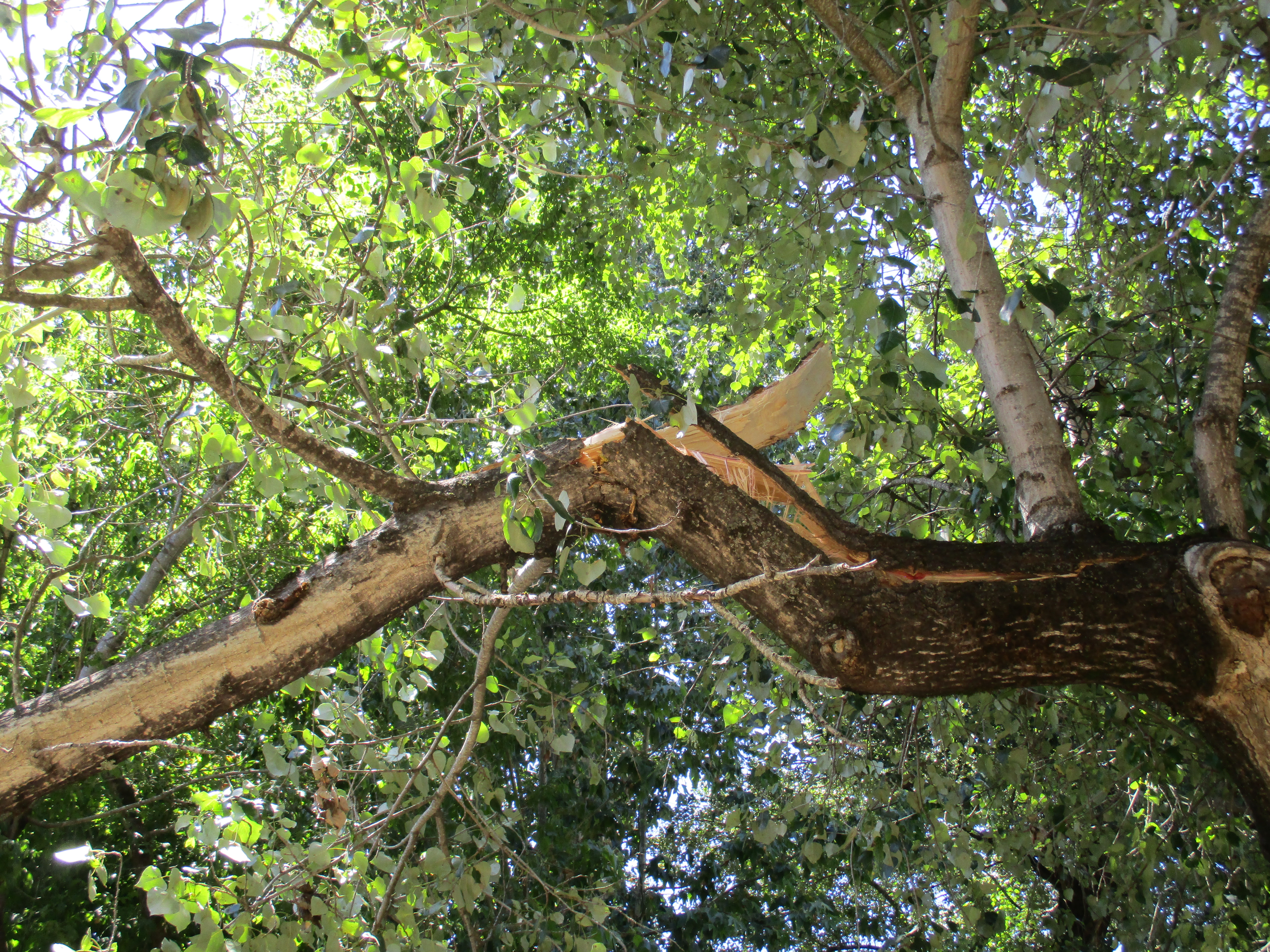 (This was copied and modified from the Facebook page of Felton League.)
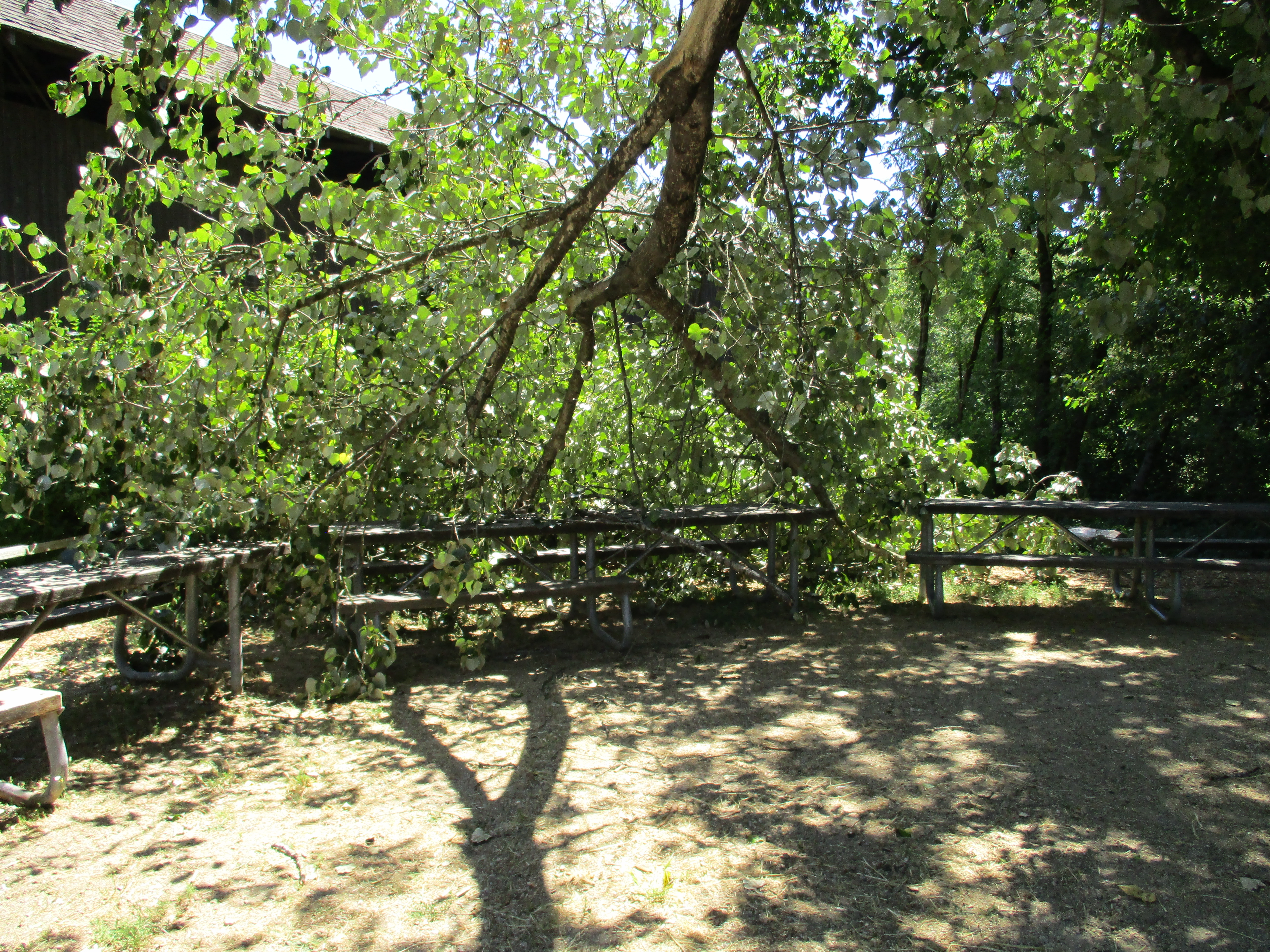 (continued)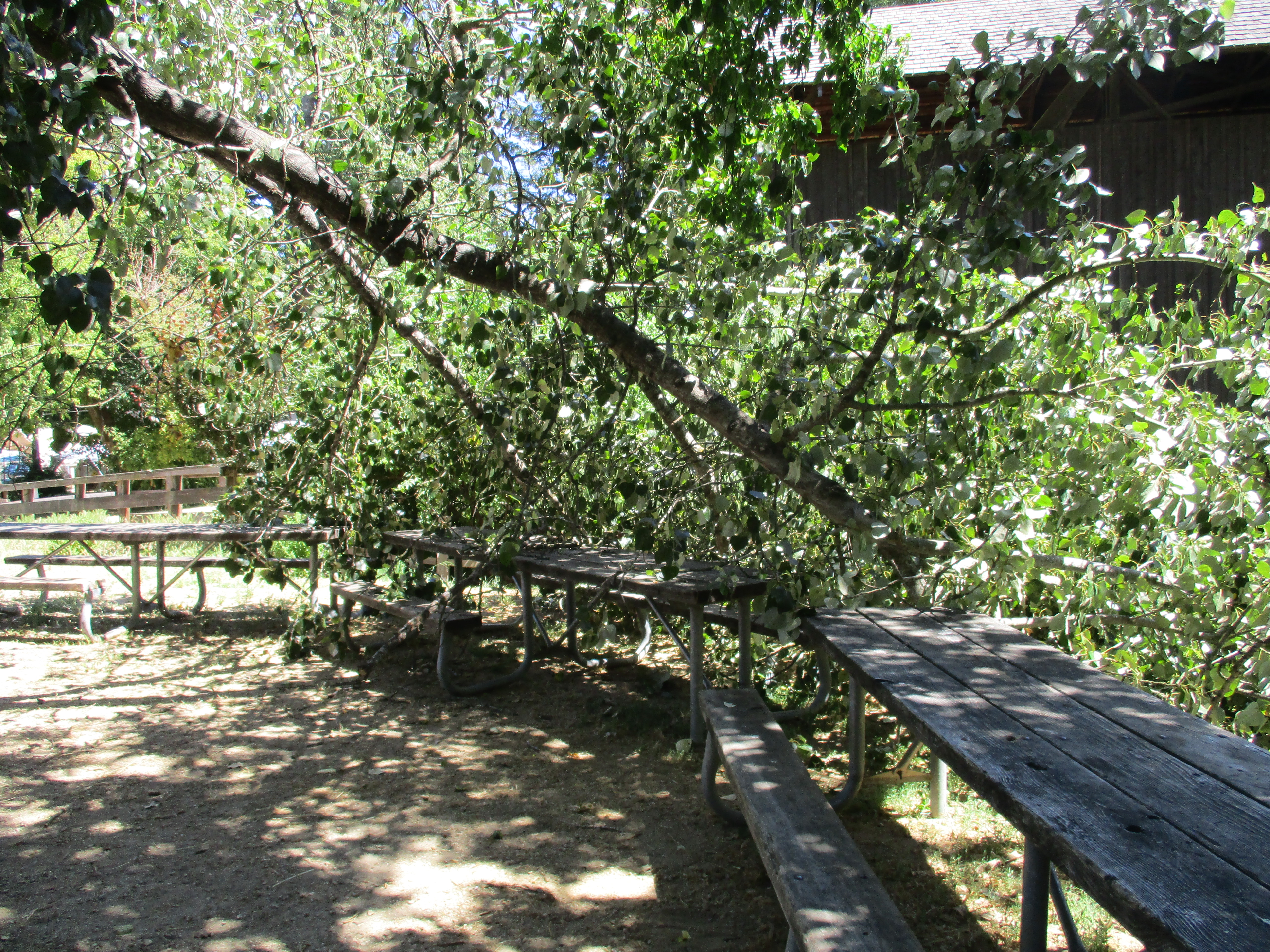
 It is as scary as it sounds. Well foliated limbs or entire trees really do fall spontaneously during the calmest of warm weather. It never fails to frighten anyone who witnesses it. Those who witness it always express the same difficulty with trying to explain it to those who did not witness it, as if they know that no one will believe them.
 When I started writing this blog eight months ago, I reserved the right to occasionally write about topics that were irrelevant to horticulture and gardening. I designated the category of ‘elaborations’ for posts that were not from my weekly gardening column; but so far, I have tried to post articles within this category that were at least remotely relevant to horticulture, even if only to discuss a single tree, or merely a single ginkgo leaf that somehow appeared in Felton Covered Bridge Park.
 Steven Michael Ralls of Felton succumbed to complications associated with a variety of chronic medical conditions, and passed away in Aptos on May 2, 2017, at the age of 46. Steven was born on December 13, 1970 in Fort Leonard Wood, Missouri, and then spent most of his childhood in Norman, Oklahoma. He came with his family to Berkeley, California in 1987, and then lived in Hayward, before settling in Felton in 1999. His recent relocation to Aptos was considered to be only temporary, as he would have preferred to return home to Felton.
 The Great Basin bristlecone pine of the eastern Sierra Nevada can live more than five thousand years. The giant sequoia of the western Sierra Nevada can live more than three thousand years. The familiar coastal redwood from the Coastal Ranges can live more than two thousand years. Besides impressive longevity, one thing that they all have in common is that they all eventually die.
 Tony Tomeo