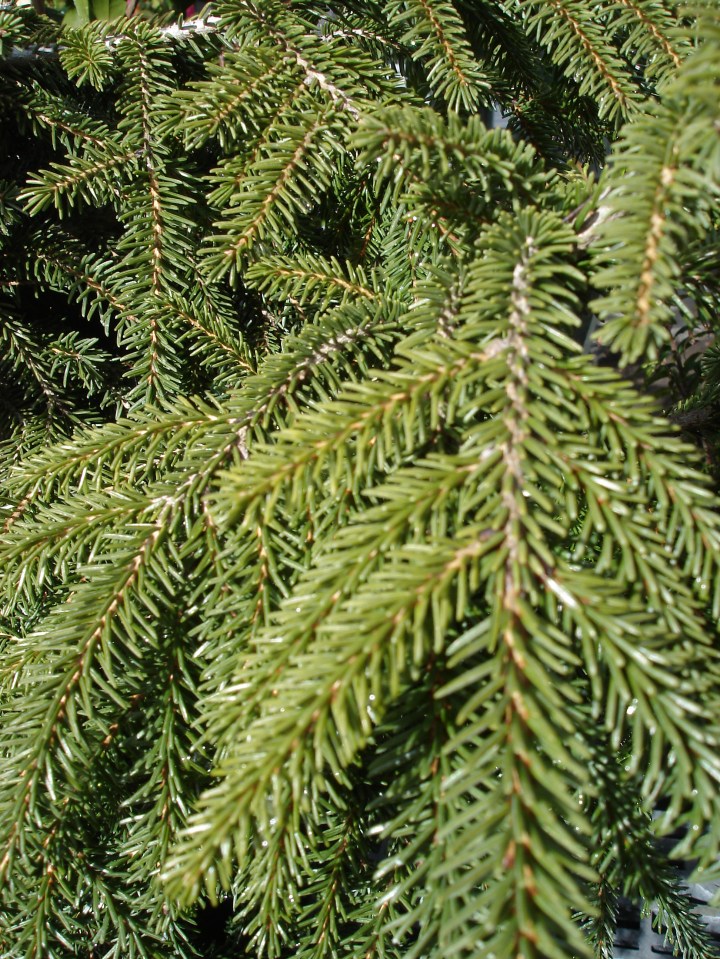
 If it got as big as it does in the wild, Oriental spruce, Picea orientalis, would not fit into many home gardens. It can get more than a hundred feet tall! Fortunately, it does not often get much more than twenty five feet tall locally. Trees that compete with taller trees in forested landscapes might get to forty feet tall. Their symmetrically conical canopies get about fifteen or twenty feet broad.
The tiny needles of Oriental spruce are less than half an inch long, so are smaller than those of any other spruce. Relative to the finely textured deep green foliage, the densely arranged and neatly angular stems are notably stout. Like other spruces, Oriental spruce is best where it has sufficient space to retain lower stems down to the ground. It can look rather silly with a bare lower trunk.
Garden varieties are more common and stay smaller than the straight species. ‘Skylands’ has yellow foliage, although it fades in warm situations. ‘Aurea’ has paler pastel yellow new foliage that matures to green. ‘Gowdy’ has a narrow columnar form, and grows very slowly. ‘Nana’ develops as a plump low mound that stays less than three feet tall. All like to be watered somewhat regularly.

 It seems that I have been negligent about writing about my colleague Brent Green and some of our crazy adventures in horticulture. I said I would do so when I started writing my articles here way back two Septembers ago. It is easy to get distracted from such topics, particularly since we do such different types of work. Brent is a renowned landscape designer and proprietor of GreenArt Landscape Design in Southern California. I am just a horticulturist and arborist who really should get back to growing horticultural commodities in Northern California. For all of our similarities, there just might be as many differences.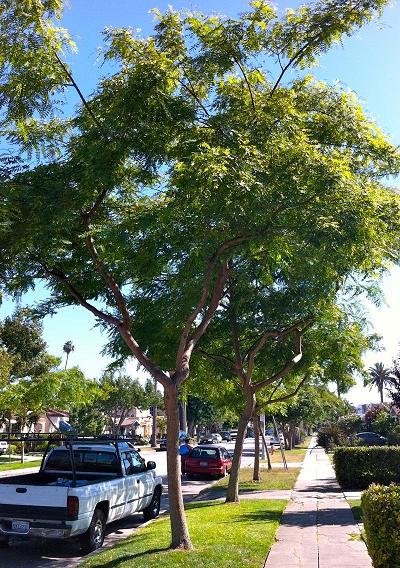
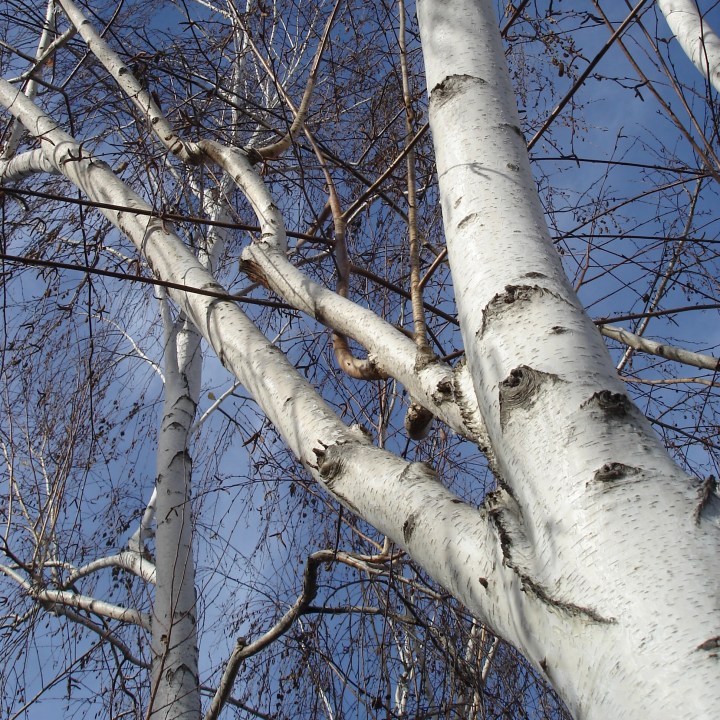 It may not be the biggest or best deciduous shade tree, but European white birch, Betula pendula, is famous for tall and elegant white trunks with wispy pendulous stems. It is a very informal tree that typically leans in one way or another, but is somehow right at home in refined landscapes. It is rarely alone, since it is usually planted with two or more friends, and sometimes in groves.
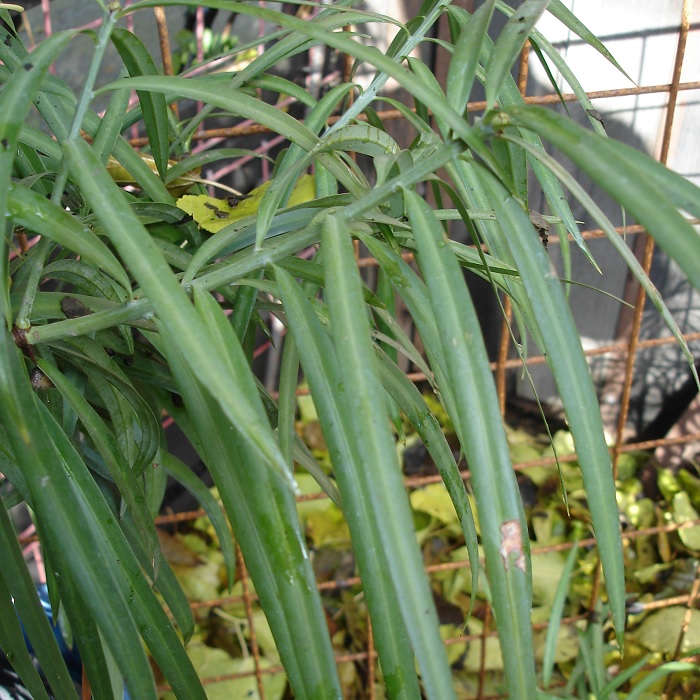 Of the various specie of podocarpus, and as the name implies, the long leafed yellowwood, Podocarpus henkelii, has the longest leaves. They can get about six inches long, and hang elegantly from upwardly curving branches. This glossy evergreen foliage can be quite dense. It is dark green in full sun, and can be a slightly bluish in partial shade, particularly as new growth develops.
 It is no surprise that there are many different types of physicians within the medical industries. Pediatricians, surgeons, cardiologists, dermatologists, and all sorts of ‘doctors’ are all recognized for their particular medical specialty. Yet, almost all horticultural professionals are known simply as gardeners or landscapers, even though many never work directly in gardens or landscapes.
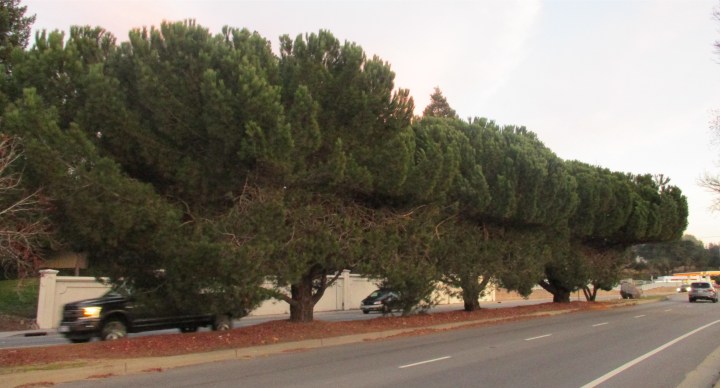 Many arborists mark certain lengths on their pole saws and pole pruners. When stood upright, these marks designate the standard heights for minimal clearance pruning. Not so many need to mark the height of minimal clearance for walkways, since they will prune away anything that is within reasonable reach with hand tools from the ground. The minimal clearance above parking spaces is not so easy to guess at, so is more likely to be marked on poles. So is the minimal clearance over roadways, where the lowest limbs must be high enough to be out of the way of campers and freight trucks.
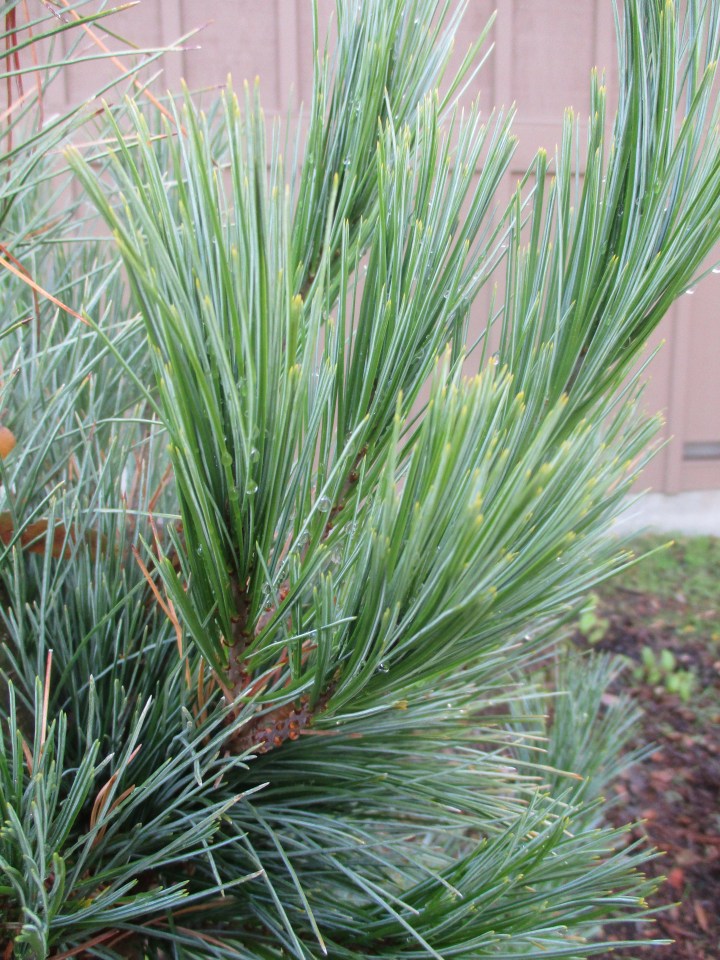 The big name of this little pine takes some explaining. Domingo pine is a cultivator of an interspecific hybrid of two distinct specie, Eastern white pine, Pinus strobus, and Mexican white pine, Pinus ayacahuite. Until a better name in invented, it is known as Pinus strobus X ayacahuite ‘Domingo’. It is typically but incorrectly abbreviated as Pinus ‘Domingo’, or Pinus strobus ‘Domingo’.
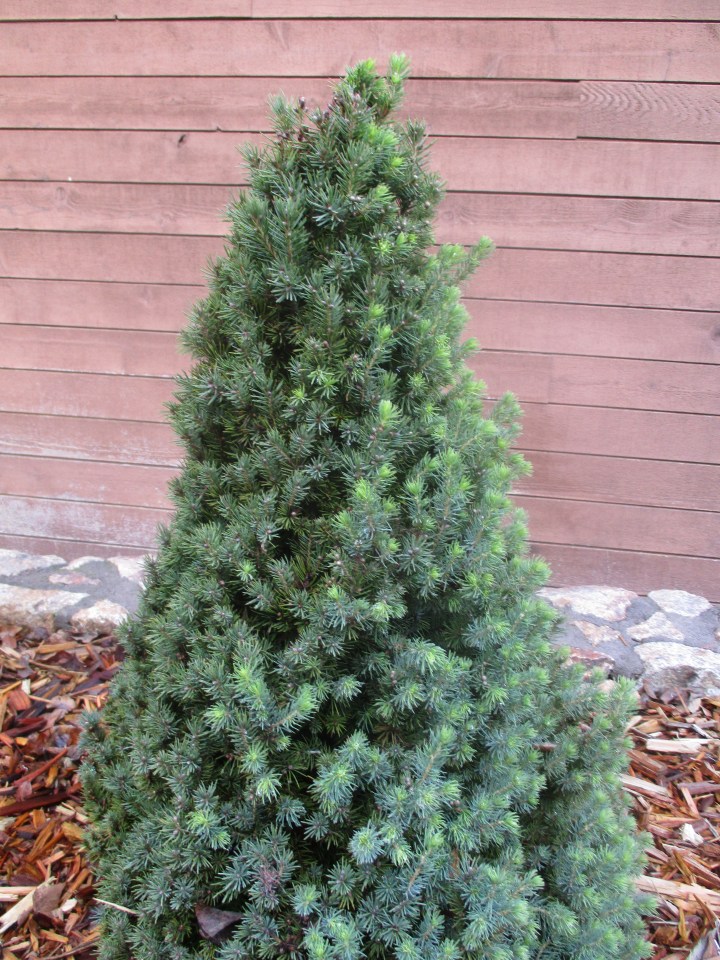 People really stress out over Christmas trees. Some do not want a cut Christmas tree because it involves killing the tree. Some do not want an artificial Christmas tree because it is . . . artificial. Some do not want a living Christmas tree because it is too expensive for a tree that is too small. There are so many myths and misconceptions about Christmas trees, yet everyone wants one.
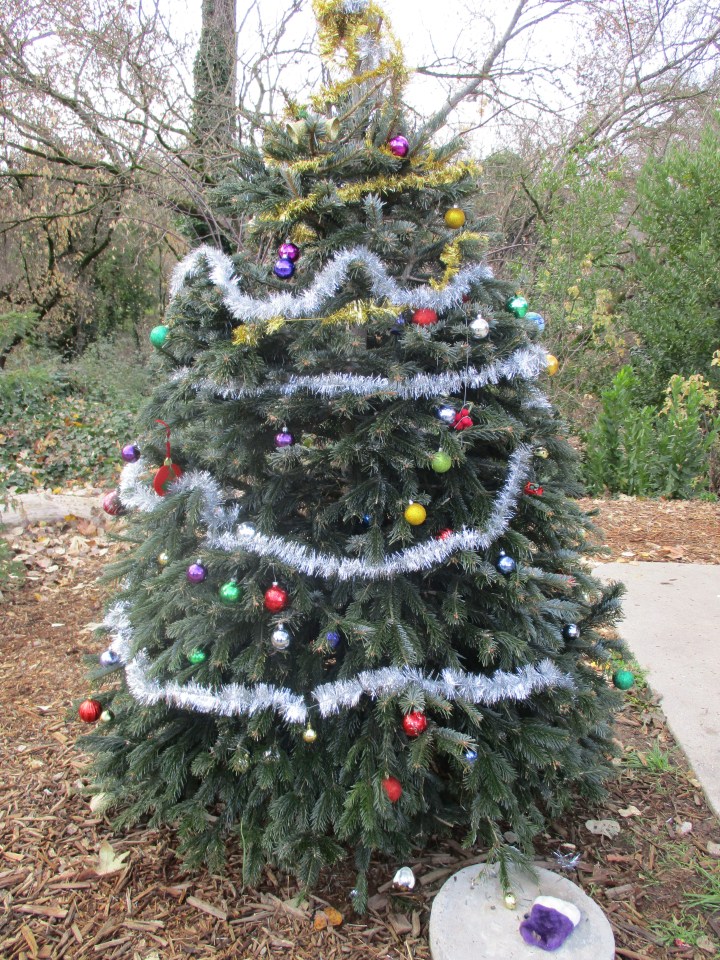 Many towns display a Town Christmas Tree in a prominent and centrally located public space.
 Tony Tomeo