 As the name implies, ‘annuals’ need to be replaced ‘annually’. What is worse is that they do not even function for an entire year, but only for a specific season. Cool season annuals mostly work from autumn to spring. Warm season annuals mostly work from spring to autumn. Calendula is a popular cool season annual that may not last even that long, since it can mildew half way through winter.
Now that it is time for cool season annuals, it can be unpleasant to remove warm season annuals that are still performing well. In mixed plantings, new annuals can be phased in through autumn as older annuals deteriorate. Busy Lizzie (impatiens), wax begonia and other warm season annuals that are actually perennials can get cut back and overplanted with cool season annuals. The cool season annuals that temporarily overwhelm them can provide shelter from frost. As the cool season annuals finish next spring, the warm season ‘annuals’ can regenerate
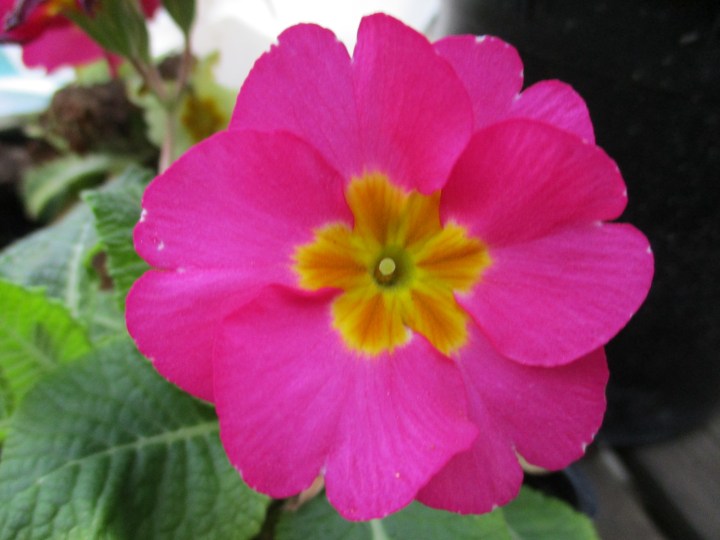
However, not all cool season annuals need to finish next spring. Sweet William, cyclamen, chrysanthemum and the various primroses are popular cool season annals that are actually perennials. When the time comes, they can be overplanted with warm season annuals, so that they can regenerate the following autumn. In cool spots, sweet William and some primroses can actually perform all year. (Some people are allergic to primroses like poison oak.)
Alyssum and nasturtium really are annuals, but can function both as warm season and cool season annuals. They sow their own seeds so that new plants can reliably replace old plants without being noticed. The old plants only need to be pulled as they deteriorate. Alyssum is white, or pastel hues of pink or purple. Nasturtium is just the opposite, with bright hues of yellow, orange and red, with only a few pastel options.
Pansies and smaller violas are the two most popular of cool season annuals, since they function like petunias for cool weather. They lack few colors. Most have two or three colors. Ornamental cabbage and kale produce big and bold rosettes of pink, white or pink and white foliage. Kale has weirdly distinctive foliar texture. White, lavender, pink, purple and rose stock is the most fragrant of cool season annuals, and taller varieties are great for cutting. Iceland poppy has delicately nodding flowers on wiry stems. They can be pastel hues of white, pink, yellow, orange or soft red.
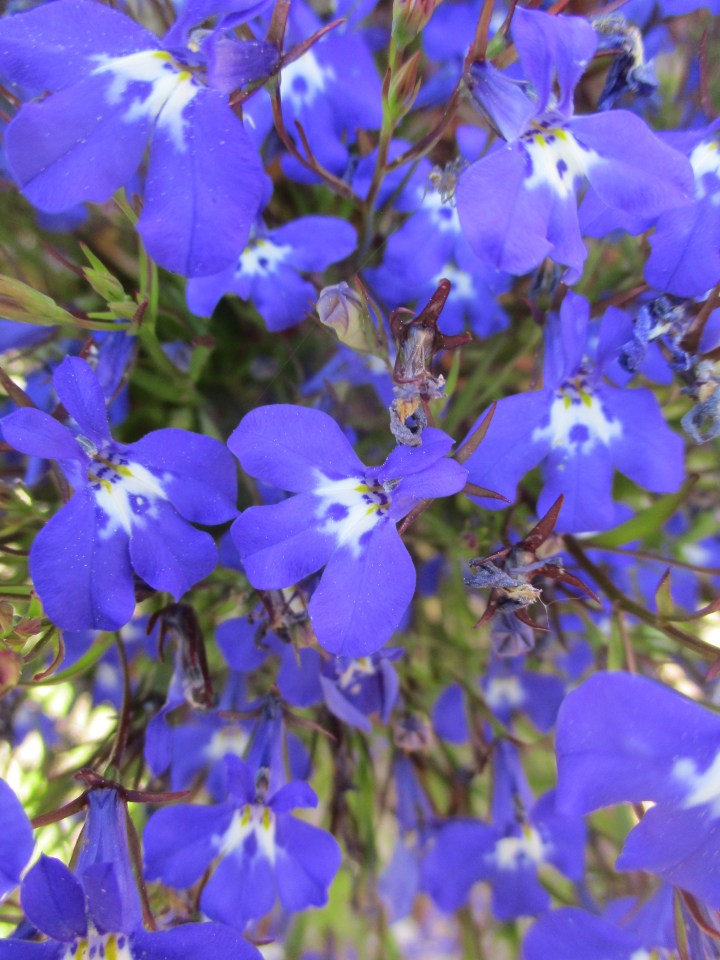

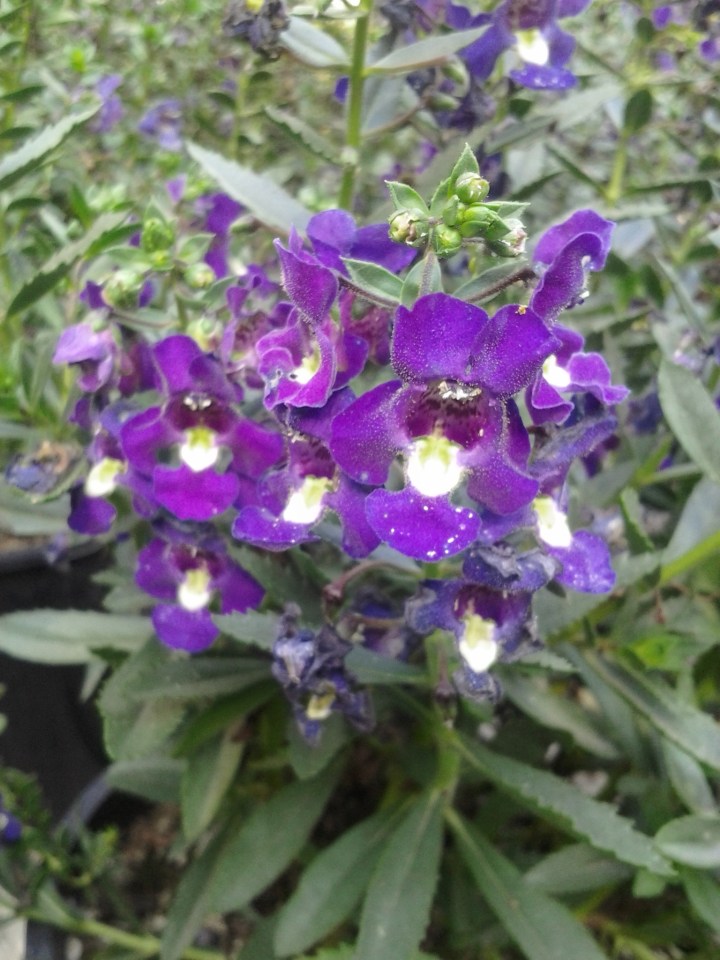 Angelonia is one of those warm season annuals that can actually survive through winter as a pernnial to bloom again next spring. It may even want to continue to bloom untill frost. The flowers can be blue, purple, red, pink or white, and look something like small snapdragon flowers. Most have spots or stripes of an alternate color or two in their throats. Some modern varieties have fragrant flowers. Plants can get a foot or two tall, and almost as wide. In sheltered spots, angelonia can be cut back as soon as it starts to look tired in autumn. Exposed plants might be happier if cut back significantly later, as winter ends. Old growth may be unsightly for a while, but can protect interior stems and roots from frost. Besides, pruning stimulates new growth that will be more susceptible to subsequent frost.
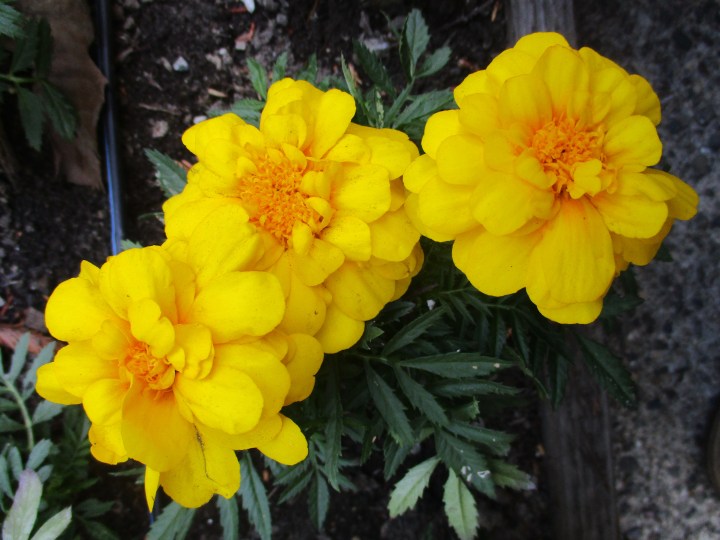 Actually, French marigold, Tagetes patula, is no more French than African marigold is African. All are from Mexico and Guatemala. They were merely popularized and bred respectively in France and Africa. There are now hundreds of varieties. Yet, their color range is surprisingly limited to hues and shades of yellow, orange and ruddy brown. White marigolds are really just very pale yellow.
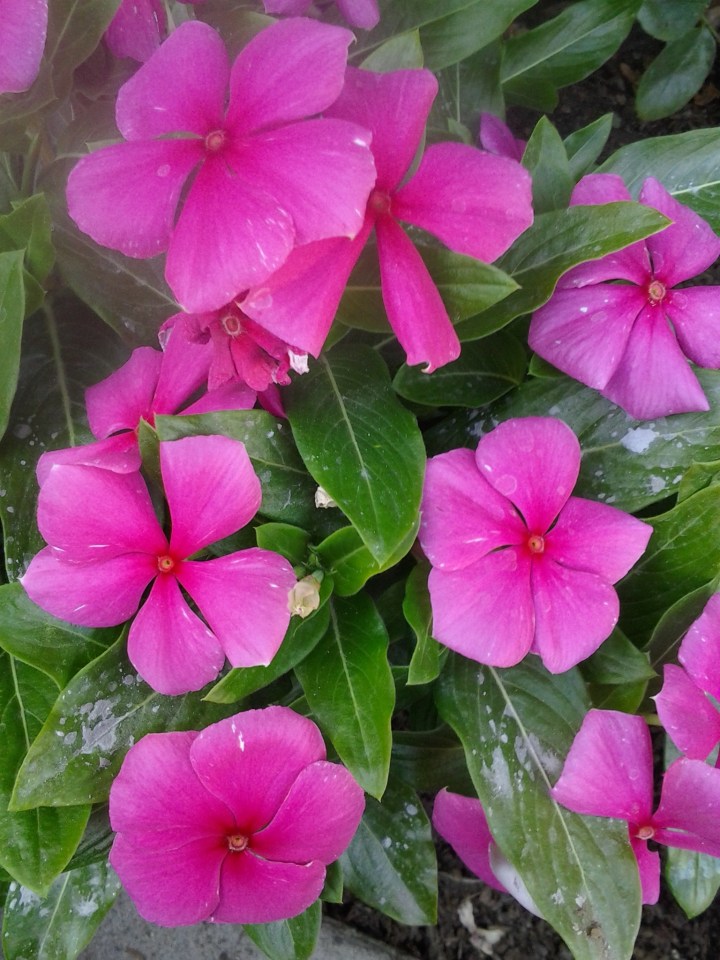 Like gardenia, dogwood and snapdragon, the potentially finicky Madagascar periwinkle, Catharanthus roseus, is often challenging to grow. It enjoys, but seems to prefer more humidity than it gets here. The happiest plants can get nearly two feet tall and wide in sheltered and humid spots. (They can get even larger in exposed spots in humid climates.) Yet, most of us are satisfied with relatively scrawny plants less than half a foot tall.
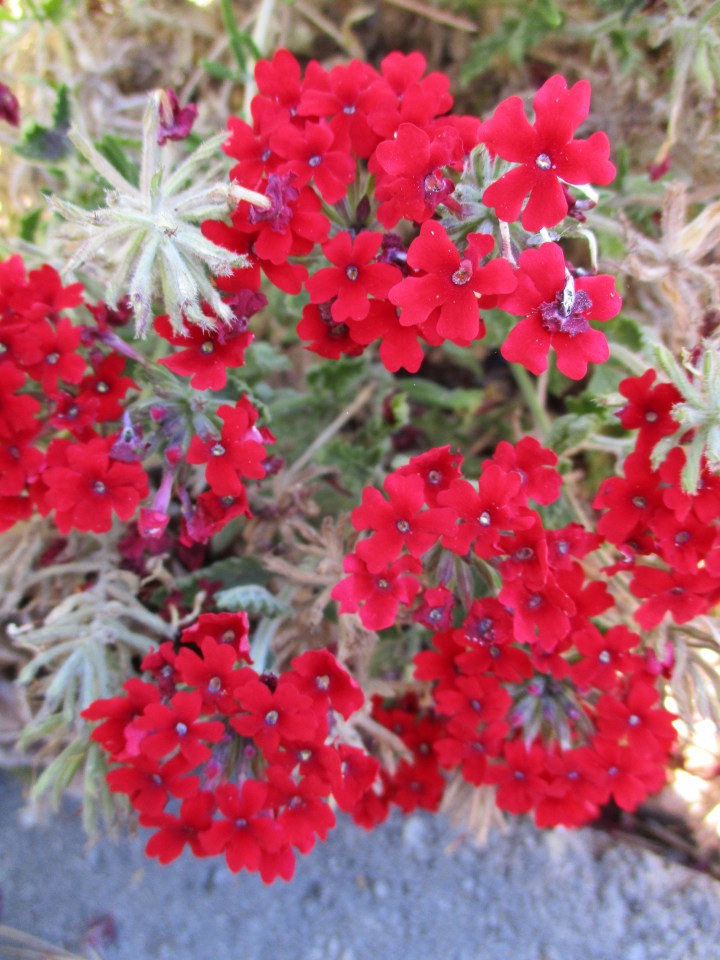 It is fair to say that garden verbena, Verbena X hybrida, is a reliable warm season annual. It gets planted in spring to spread out and bloom through summer with bright pink, red, purple or almost blue, or softer pastel pink or pale white. It is commonly replaced with cool season annuals by late autumn. However, garden verbena is actually a short term perennial that can survive winter to bloom for a few years.
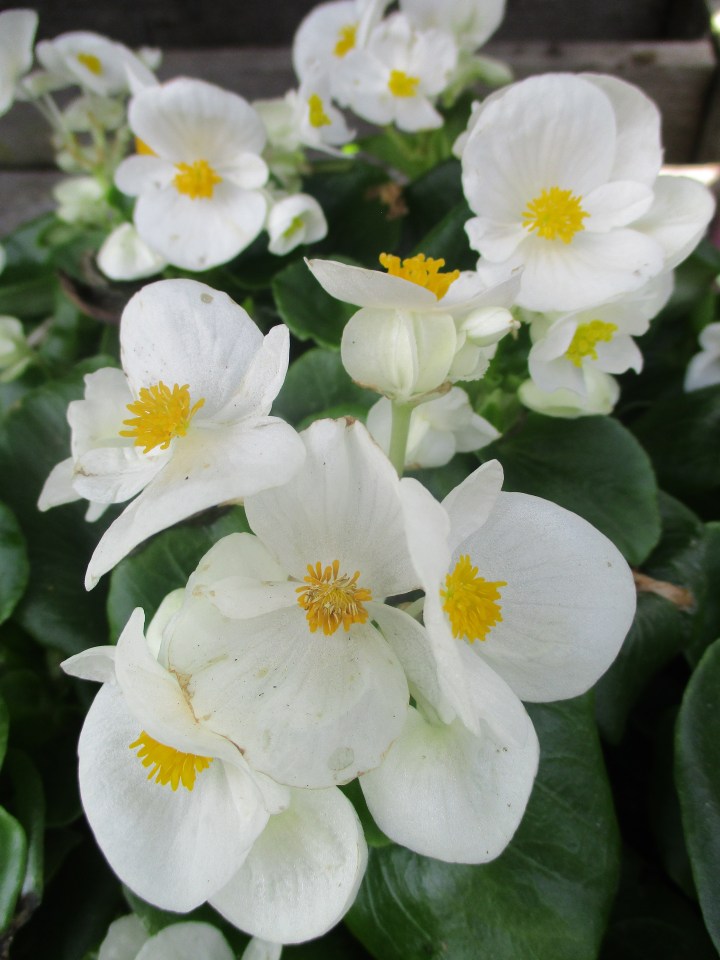 Oh, how breeding complicates things. Many years ago, there were only six basic types of wax begonia, Begonia semperflorens-cultorum, with three choices for floral color, and two choices for foliar color. Bloom was white, pink or red. Foliage was either green or dark bronze. Although these choices have not changed, some modern hybrids are difficult to distinguish from other species.
 The flowers may not last very long once cut, but cosmos, Cosmos bipinnatus, blooms so abundantly, that there might not be any shortage of new flower to cut and bring in to replace those cut a day or two before. Their pastel pinks and lavenders, as well as white, suit the Easter season perfectly. Their soft light green foliage is remarkably lacy. Mature plants are about two to four feet tall.
 Pulling out cool season annuals that are still somewhat colorful is never easy, even if they are already deteriorating. There is always the desire to stretch their season as late as possible until they succumb to warmer weather. Only a few can perform all year, or get cut back to hide below other taller plants until the weather gets cool enough in autumn for them to regenerate and bloom again.
