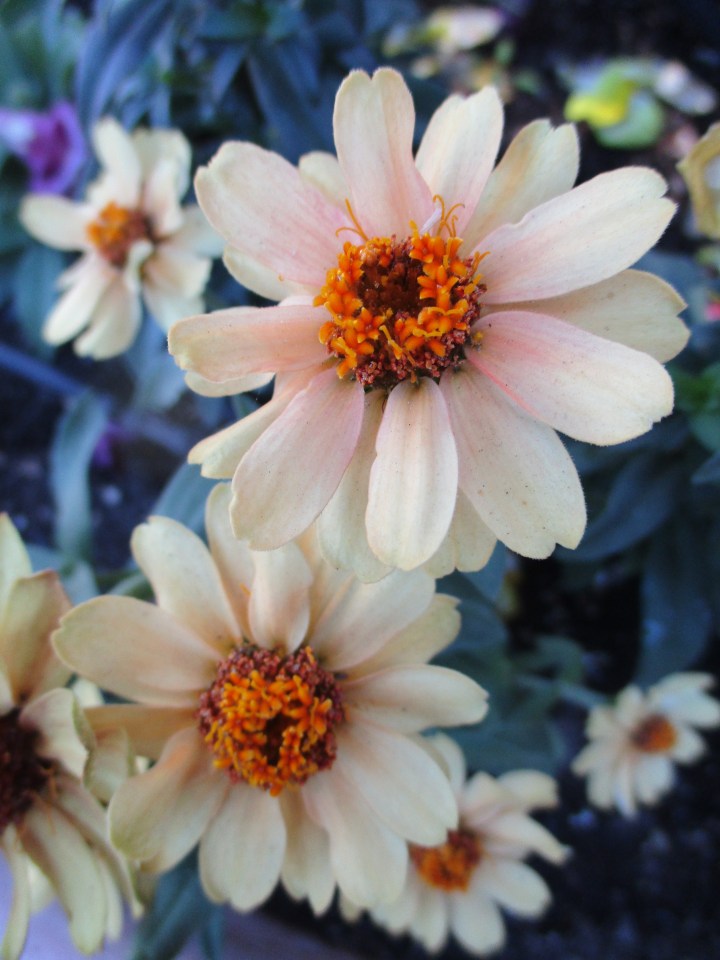
 The same cooling weather that is initiating fall color is what finishes the zinnias that bloomed so colorfully through summer. Like tomatoes, they can stay out in the garden until they succumb frost if they continue to perform, and if the space they occupy is not needed for something else. There should be no guilt with replacing them sooner. After all, they are technically warm season annuals.
Some of the more popular types of zinnias are identified as Zinnia elegans or Zinnia violacea. Most are known merely by their variety name. They have been bred so extensively than it is difficult to assign any of them to particular species. Most are susceptible to mildew if crowded or watered from above. They want full sun exposure and rich soil. Seed can be sown immediately after frost.
Zinnias are crazily variable. Some get more than three feet tall. Others are less than a foot tall. They can bloom in every color except blue. Some resemble other types of daisies, with distended centers. Others are as fluffy as African marigolds. Some bloom with small but profuse flowers. Others have fewer but bigger flowers that are wider than three inches. Most are excellent cut flowers.
 French Marigold might have been a more appropriate choice. It is the official flower of Dia de los Muertos on November 2. Some might say that the bigger and bolder African marigold, Tagetes erecta, is just as official. Both are Mexican, but as the names imply, most varieties of French marigold were developed in France, and most varieties of African marigold were developed in Africa.
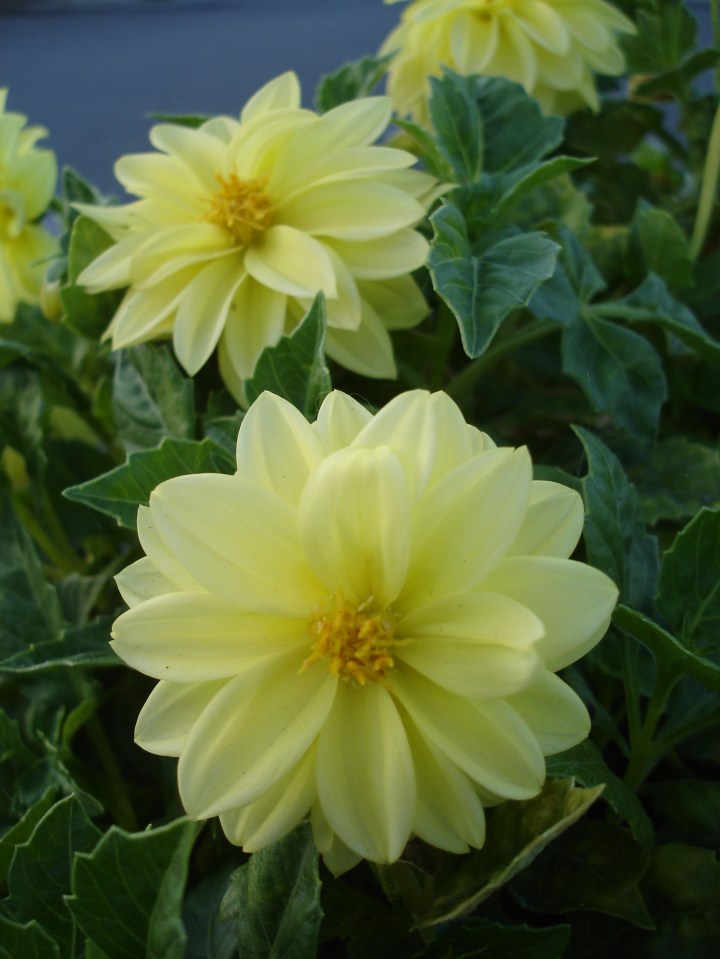 They are really just smaller versions of the larger perennial dahlias that are grown for their big bold flowers and flashy colors. Technically, annual dahlias produce smaller versions of the same perennial roots that can survive through winter to regenerate the following spring. Yet to most of us, it is easier to purchase new plants in spring than to grow new plants from stored roots.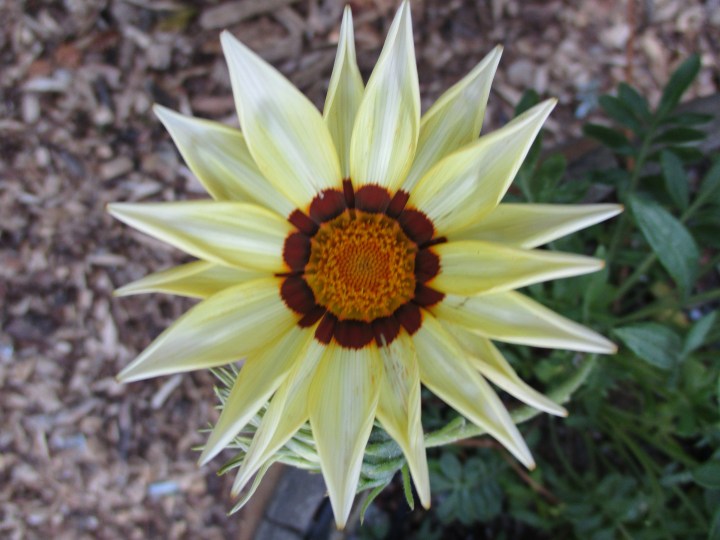

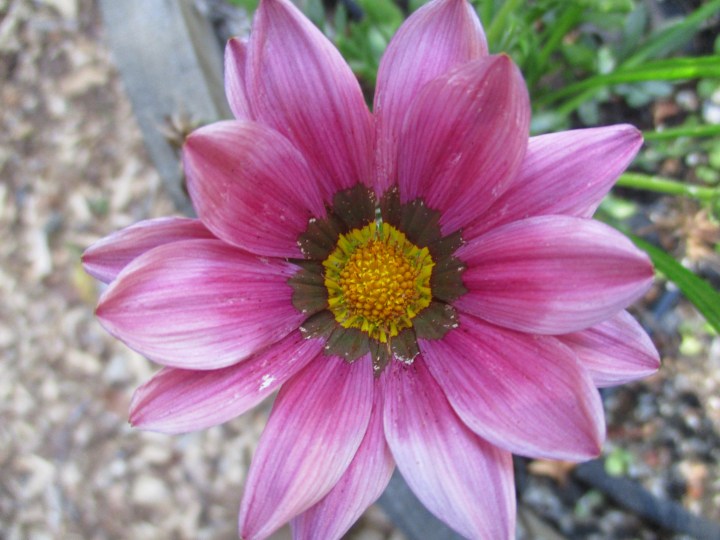


 Their pastel hues and blends of pink, lavender, near red and white are so perfect for the middle of spring when cosmos, Cosmos bipinnatus, begin to bloom. They are just as perfect as bloom continues right through summer and almost to autumn, when the tall and airy plants finally begin to wear themselves out. If they continue through autumn, they eventually succumb to frost in winter.
 Good old fashioned busy Lizzie is hard to find nowadays, if it can be found at all. The nasty mildew that kills it so quickly might not be prevalent everywhere, but happens to be a serious problem where most of the bedding plant farms are located. Now, the formerly uncommon New Guinea impatiens, Impatiens X hawkeri, which is somehow resistant to the mildew, is becoming popular.
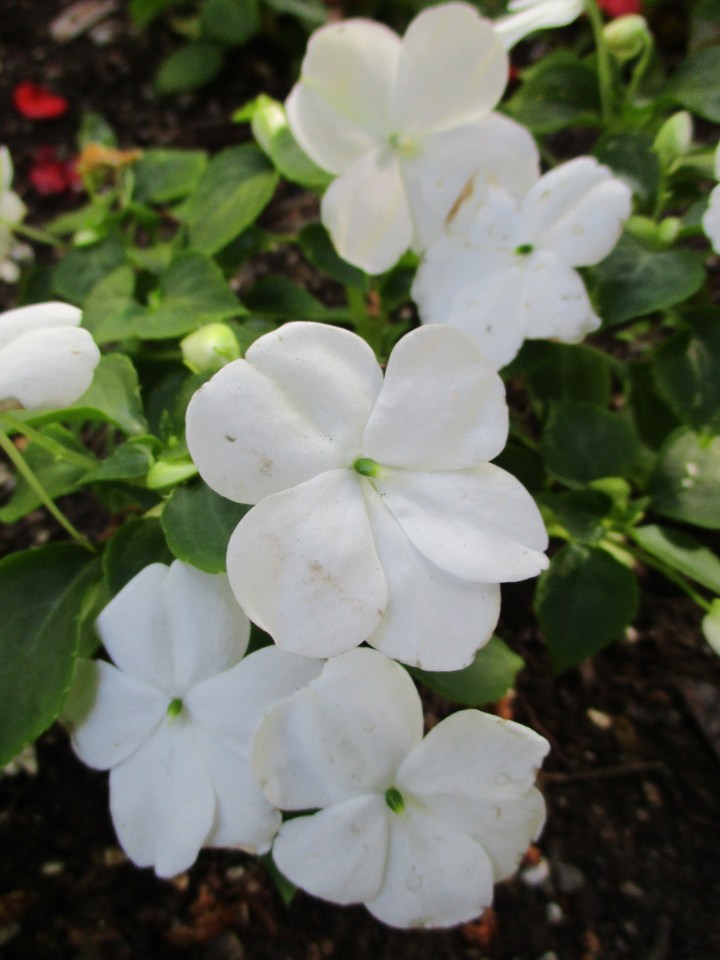 In only a few years, busy Lizzie, Impatiens walleriana, went from being one of the most popular warm season annuals to being unavailable in nurseries. It is now making a slight comeback. Most of those planted during their planting season last spring are now so profuse with bloom that their rich foliage is mostly obscured. Although they can be perennial, almost all get replaced in autumn.
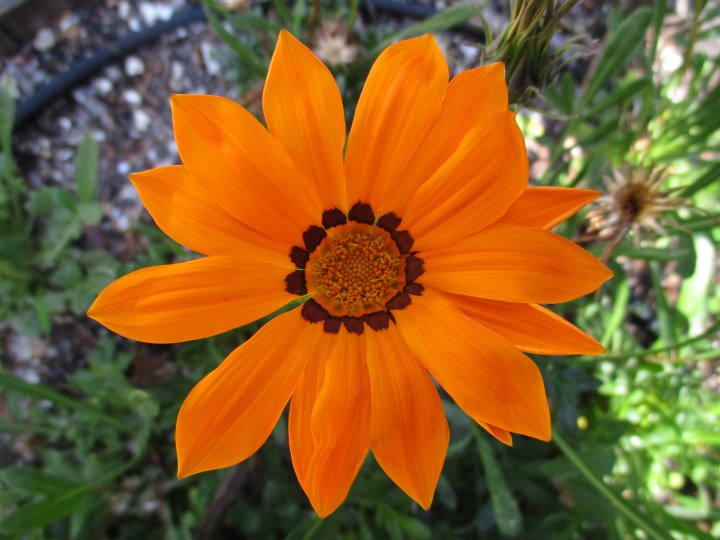
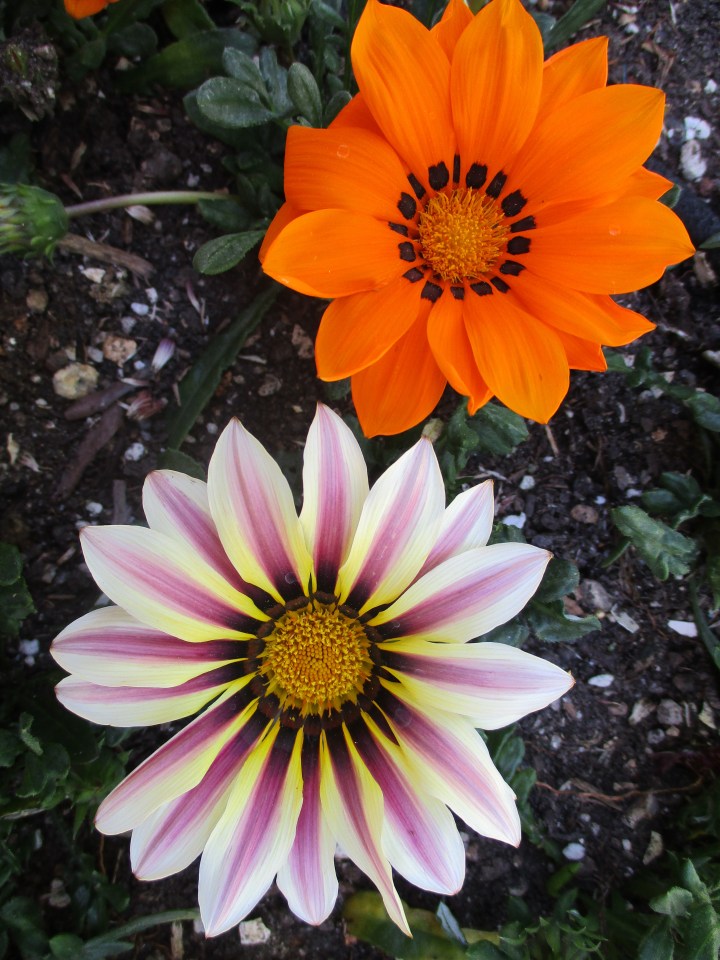 Why would anyone want to grow annual gazania when perennial gazania that is popularly grown as ground cover lasts for several years? Well, as long as the weather stays warm, annual gazania blooms with an impressive abundance of bigger and more brightly colored flowers. Perennial gazania blooms less profusely and only in midsummer, with simpler and somewhat smaller flowers.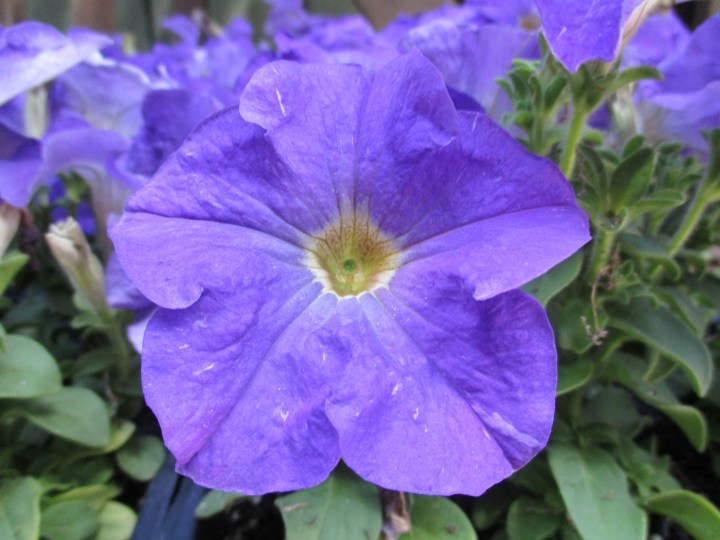

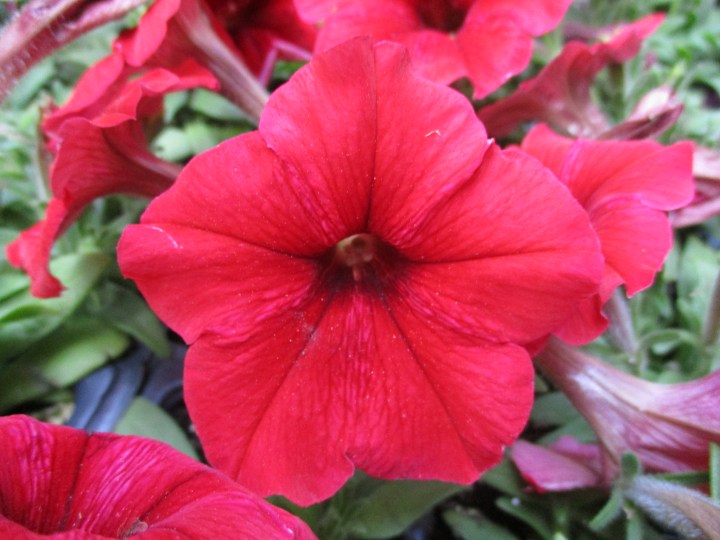
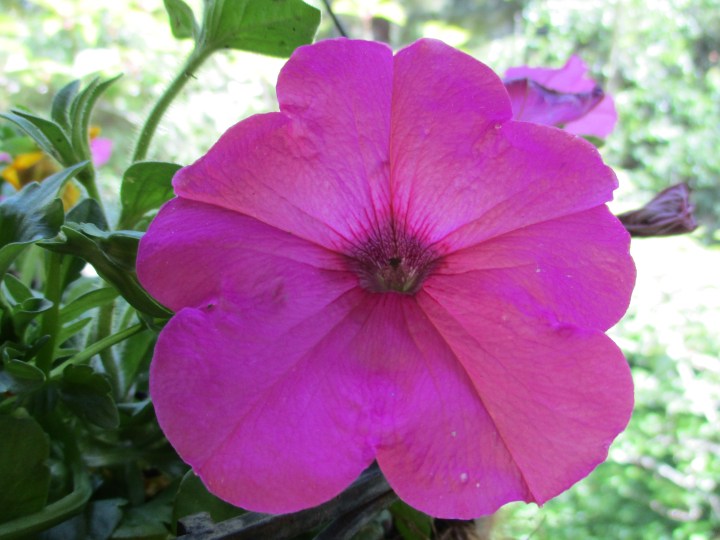
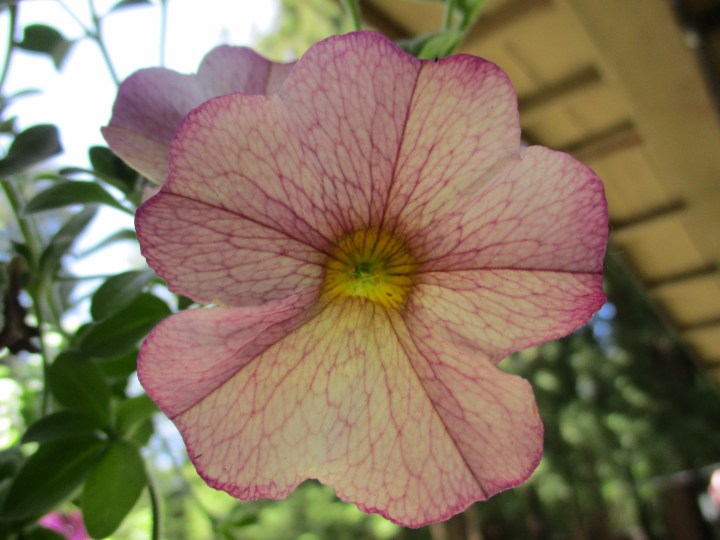
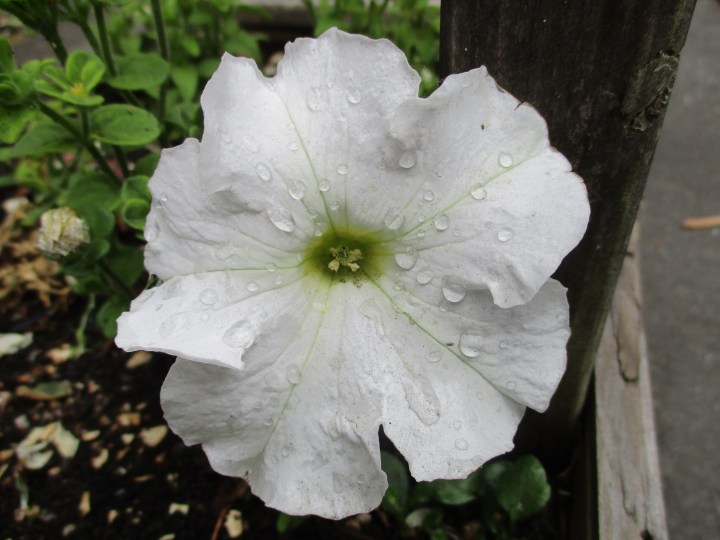
 This is one of those warm season annuals that we do not hear much about. Verbena looks something like lantana, but rather than maturing into a nice shallow ground cover or low mounding shrub with a bit of staying power, verbena lasts only until frost next autumn. The blooms are a bit larger. The leaves are a bit greener. They stay lower than a foot, and get only a few inches wider than tall.
