 The coloring of foliage is a bit slow this autumn. The cooling nights after such warm weather is bringing some of the deciduous foliage down while it is barely yellowing. Honeylocust and black oak have already gotten notably sparse without much notable color. Hopefully, the more colorful sweetgum, flowering pear, pistache and gingko trees will retain their foliage later into cooler weather, so that they can put on a worthy show before filling compost piles.
It is probably slightly too early to clean gutters and downspouts. Unless the rainy season somehow starts first, this should probably wait until most of the foliage that is expected to fall has already fallen. Lawns, certain ground covers, decks and pavement should be raked as needed though. Decks and pavement can get stained from the tannins that leach from decomposing foliage. Lawn and ground cover do not like the shade under the debris.
However, slugs and snails really dig the mess. Fallen foliage keeps the ground cool, damp and shaded. Raking leaves does not eliminate slugs and snails, but inhibits their proliferation. There are always plenty of other hiding places. As the weather eventually gets cooler and damp, snails that stay out in the early morning should be collected and disposed of. Of course this technique is not convenient for everyone, since most snails hide before the sun comes up. Small slugs hide earlier in the morning and are even more unpleasant to handle.
Once found, neither slugs nor snails are too elusive . . . or fast. Yet, plucking and collecting them is not a fun job. Once collected, no one knows what to do with them. They can be put into plastic bags and disposed of; and will eventually succumb. Some people prefer to simply toss them onto a dry and sunny driveway or roof where they succumb more quickly and get taken by birds. Snails may need to be squashed to limit mobility.
Even though it is too late to prevent most types of weeds from dispersing their seed, a few types continue to disperse seed as they deteriorate through autumn and winter. Weeds in areas that get watered last longer and disperse their seed later than those without watering. Perennial weeds that are still green in dry areas areas will be easier to pull after the first rain.
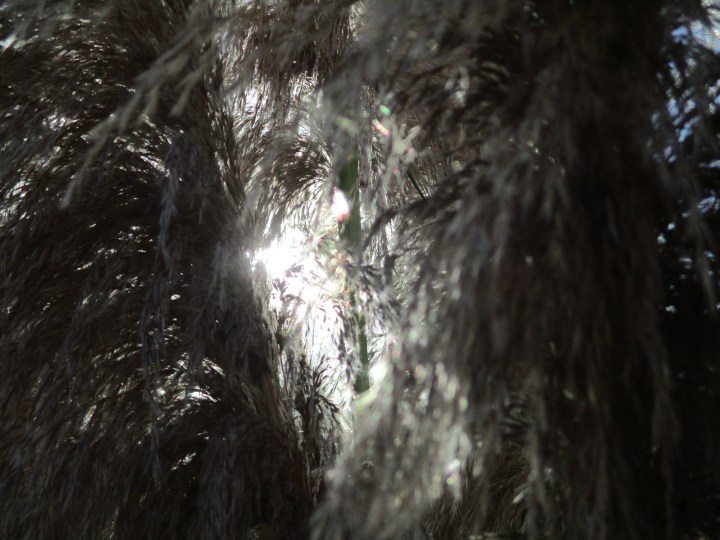
 It is known by a few different common names, including ‘Andean pampas grass’, ‘purple pampas grass’, and simply ‘pampas grass’. ‘Andean pampas grass’ sounds almost like an oxymoron, since the Andes Mountains are in a separate region to the west of the pampas region of Uruguay and eastern Argentina. ‘Purple pampas grass’ is even sillier, since it is devoid of any purple.

 Himalayan blackberry is to cane berries what blue gum is to eucalypti. It is what gives all cane berries a bad reputation, and is why so few of us want to grow them. Himalayan blackberry grows as an extremely vigorous weeds, extending sharply thorny canes over anything within reach. When the canes are removed, the tough roots are extremely difficult to remove and kill.
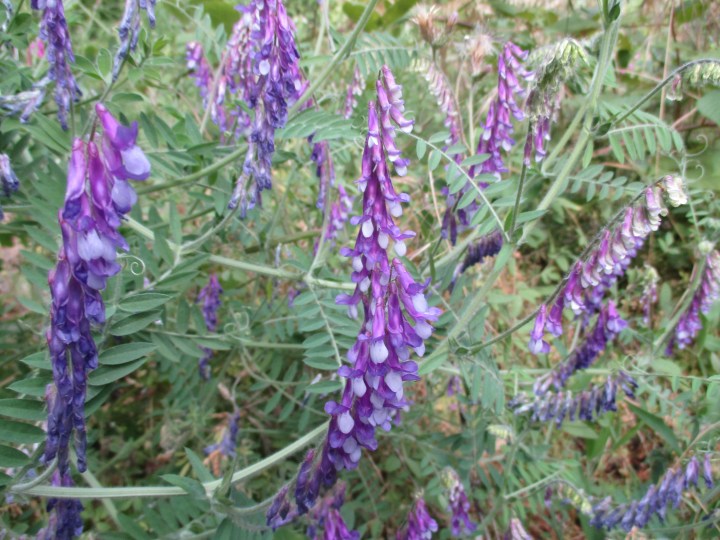
 Whether it is grown intentionally, or considered to be a common roadside weed, there is no denying that perennial pea, Lathyrus latifolius, knows how to brighten some of the wilder parts of the garden with brilliant purplish pink bloom. Some garden varieties bloom either pale pink or white, just like a few random feral plants do. Bloom resembles that of sweet pea, but without fragrance.
 Weeds are weeds because they grow where they are not wanted. They might be desirable plants in the wild within their native ranges, or beyond their native ranges where they are useful, but for one reason or another, are undesirable in other situations. In fact, many of the most invasive exotic (non-native) weeds were imported because they were useful for something, and then escaped.


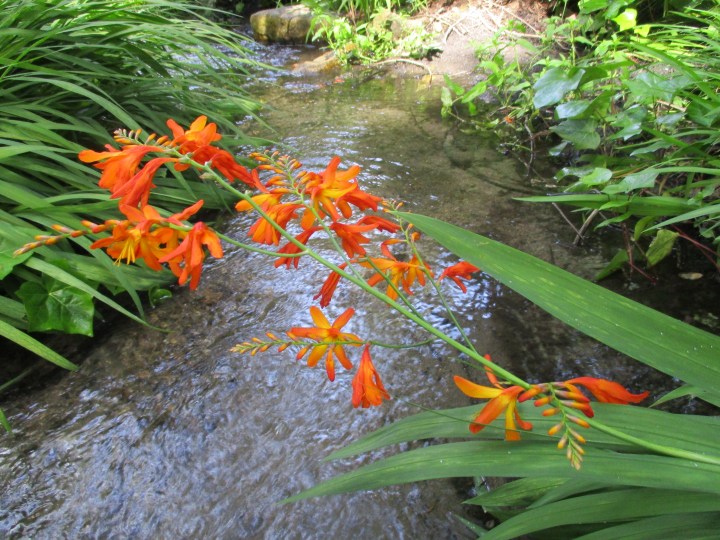
 Generally, that is how they are. Almost all perennial pea flowers bloom with the same bright purplish pink color of the bloom in the picture below. That is, of course, before their pods develop, but you get the point. We sort of know what to expect from them.



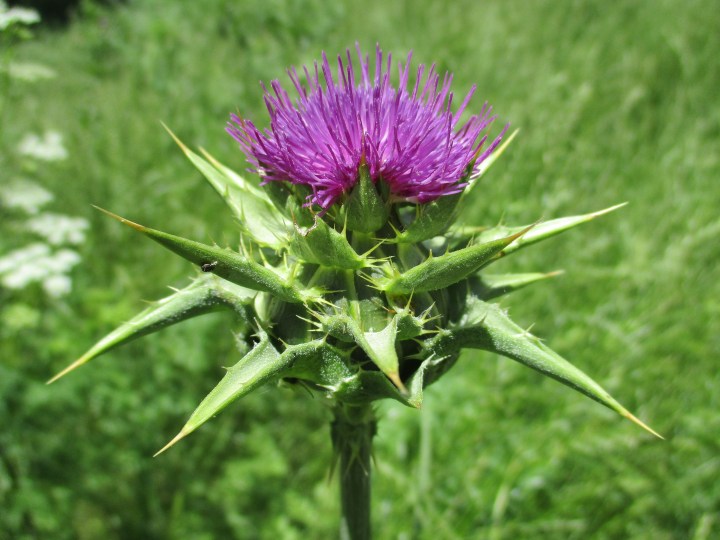
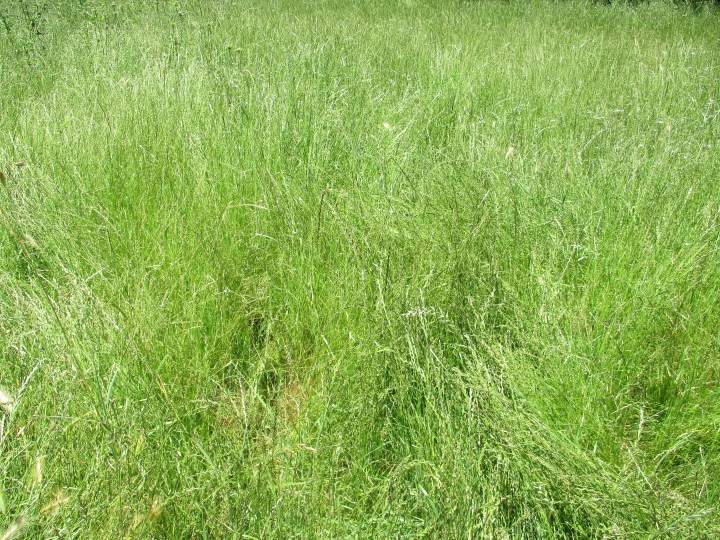 These are perfect conditions for crop circles. Even without any convenient grain crops, there is plenty of tall grass in unmanaged and ungrazed fields. All this grass needs is to be crafted into crop circles.



 Tony Tomeo