
Several months ago, warm season vegetable plants replaced cool season vegetable plants. More recently, new cool season vegetable plants began to grow from seed, to replace warm season vegetable plants. Annual vegetables grow only within specific seasons. As they finish, they relinquish their space to those that grow in the next season. Annual color operates in the same manner.
‘Color’ is another word for ‘annuals’ or bedding plants that provide colorful bloom. Those that grew earlier were warm season annuals or summer annuals. Those that replace them through autumn are cool season annuals or winter annuals. Of course, there is nothing black and white about color. Some color from last summer can linger late. Some for next winter prefers an early or late start.
Furthermore, much of the color that cycles through gardens as annuals actually has potential to perform as perennials. If cut back and obscured by more seasonable color through their dormancy, some types can regenerate when it is again their season to perform. For example, cut back busy Lizzie that bloomed last summer can overwinter underneath primrose, and start over next spring.
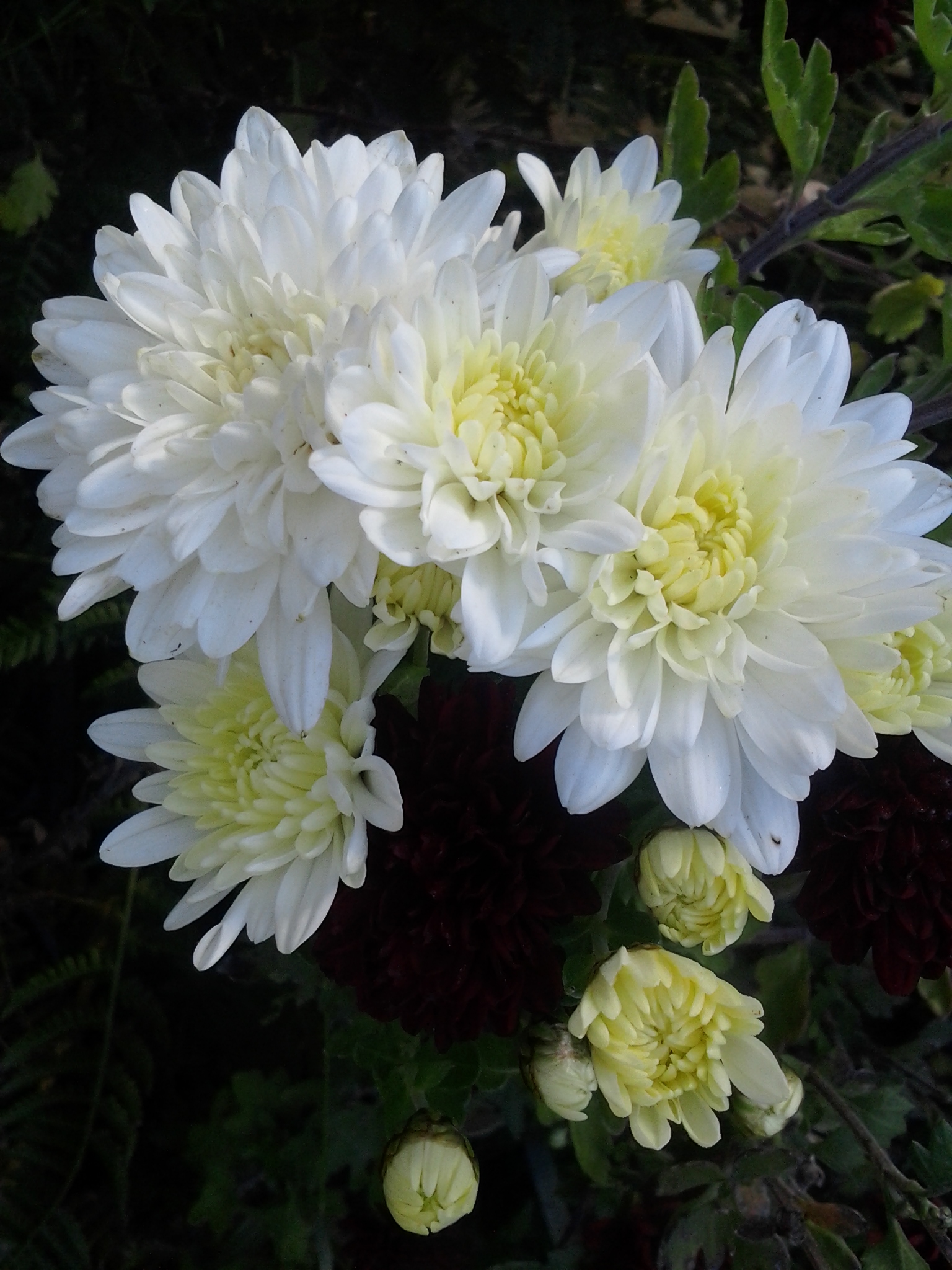
Marigold and chrysanthemum can start bloom early, before summer ends, but may not perform for long. Some chrysanthemum bloom only once, before vacating their space for other cool season color that does not mind starting later. Cyclamen and ornamental cabbage happen to prefer late planting, to avoid Indian summer. Warmth causes cabbage to bolt, and promotes rot of cyclamen.
Pansy, viola and various primrose have always been popular. Sweet William, Iceland poppy and stock are not as common. Stock should be, since it is so delightfully fragrant. Both nasturtium and alyssum bloom nicely through either summer or winter, depending on when they started to grow from directly sown seed. Some fibrous begonia can perform through winter if sheltered from frost.
Most color does well from cell packs. Nasturtium should only grow from seed. Chrysanthemum and cabbage might be better from four inch pots. Cyclamen may only be available in four inch pots.

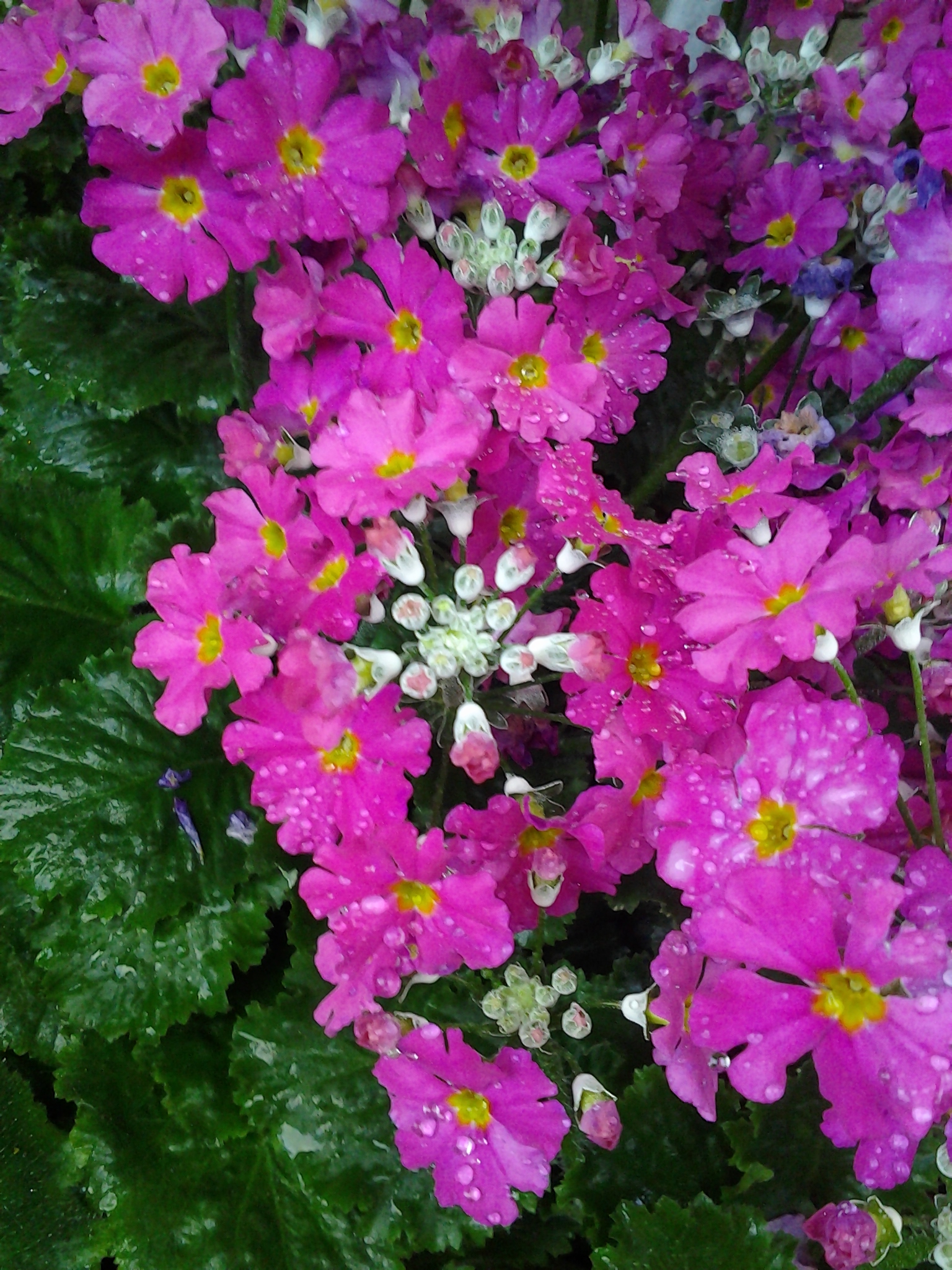 The simple pink and white of ‘good & plenty’ candy is what fairy primrose, Primula malacoides, is known for. Pastel purple is also popular. Rosy reddish pink and deeper pinkish purple are somewhat rare. The small flowers are arranged in circular trusses that stand as tall as one foot, just above the softly mounding light green foliage. The rounded leaves are slightly fuzzy. All parts of fairy primrose are toxic, and to those who happen to be allergic to it, can be as severely irritating to the skin as poison oak!
 Cyclamen are everywhere! Some nurseries have more cyclamen than all other cool season annuals combined. Not all cyclamen are represented though. Almost all are white or simple red. Pink, salmon and other shades of red are noticeable scarce because they are not traditional colors of Christmas. The plants are mostly of impeccable quality, and outfitted with abundant flowers. While there is not much else blooming, the popularity of cyclamen is impossible to ignore.
 It is unfortunate that most florists’ cyclamen, Cyclamen persicum, are enjoyed as cool season annuals only through winter, and then discarded as they are replaced by spring annuals. They can actually survive as perennials for several years, with white, red, pink or magenta flowers hovering above their marbled rubbery foliage each winter. Foliage typically stay less than six inches deep.
 This is not an easily defined flower. There are hundreds of species within the genus of Viola. Many are known as pansies. Many are known as violas or Johnny-jump-ups. Many are in between. The main difference between these two major groups is that, although very closely related, pansies bloom with bigger flowers, and violas bloom with smaller, simpler and more abundant flowers.
 All that unpleasant annual business of removing warm season vegetable plants to relinquish space for cool season vegetables applies to annual bedding plants too. Those of us who do not grow vegetables were spared the agony of pulling up tomato plants that might have still been producing a few tomatoes, just to make room for broccoli. Now, it is time to replace petunias with pansies.
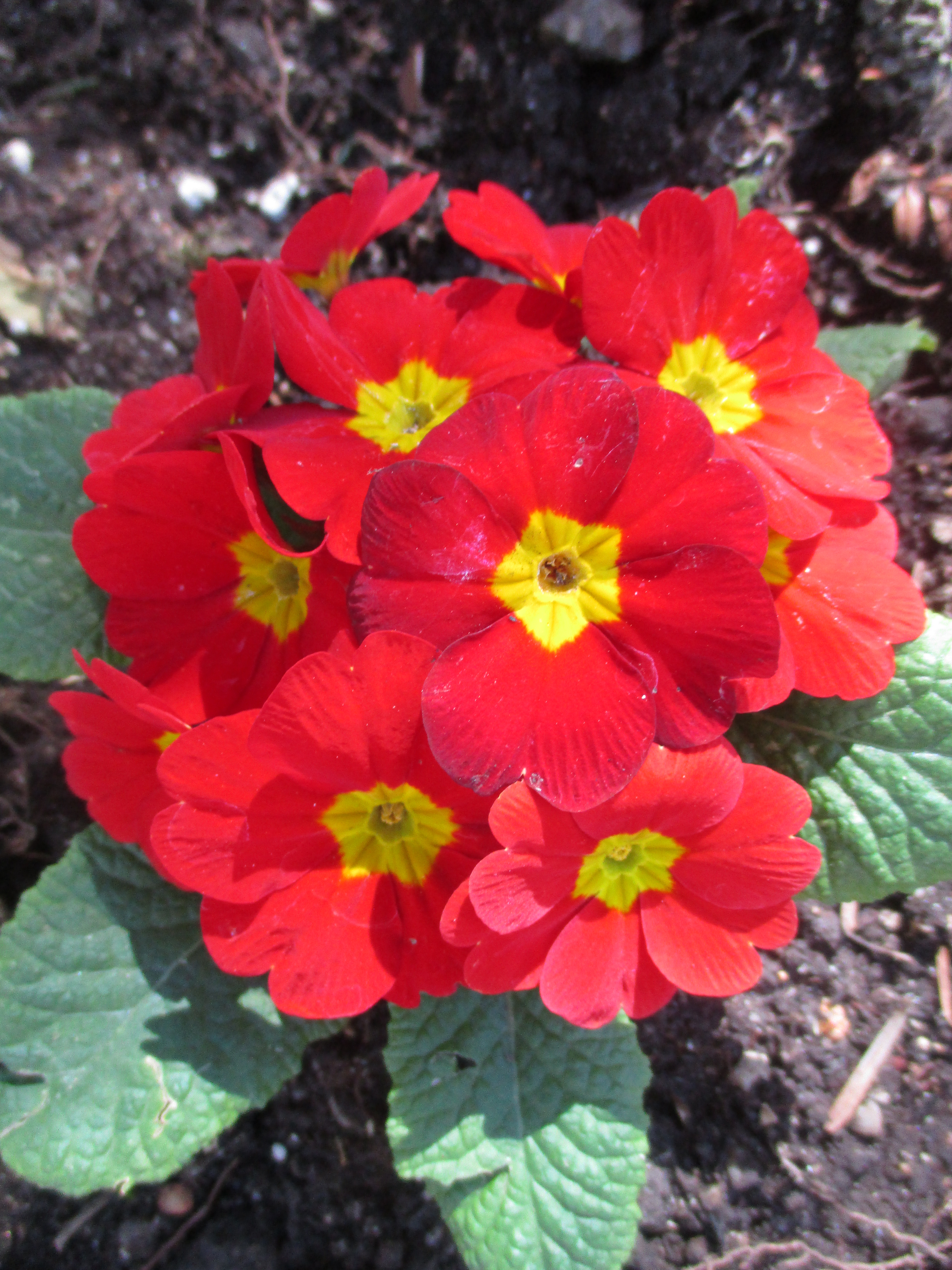
 Just like African marigold that was featured earlier is actually Mexican, German primrose, Primula obconica, is actually Chinese. As odd as it is, the common name is an improvement from the former name of ‘poison primrose’, which was derived from the potentially irritating sap of the unimproved species before it was bred to be less toxic, as well as more colorful and prolific in bloom.
 Gardening is not always fun. After diligently tending to warm season vegetables through spring and summer, it eventually becomes necessary to pull them up to relinquish space for cool season vegetables that grow through autumn and winter. It likely would be less unpleasant to wait for them to succumb to frost, but by that time, it would be getting late for the incoming vegetable plants.
 Like it or not, the warm season annuals that were so flashy all through spring and summer will eventually need to be replaced with cool season annuals to provide color through winter. It is always unpleasant to pull up the annuals of a previous season while they are still blooming, even if they are already getting scruffy and discolored. It is actually easier if they got roasted by recent warmth.
 Tony Tomeo