 Pollarding and coppicing are bad words to most American arborists. These extreme pruning techniques are considered to be synonymous with topping. Yet, both have been around for centuries, and have actually kept some trees alive and productive significantly longer than they would naturally live.
Rather than redundantly explaining what pollarding and coppicing are, and why they are useful arboricultural techniques, I will provide this link to an article I wrote about them earlier: https://tonytomeo.wordpress.com/2018/02/12/pollarding-and-coppicing-pruning-techniques/
I am one of the rare American arborists who not only condone pollarding and coppicing, but I also use these techniques when necessary. I will be coppicing red twig dogwood soon so that it produces more vigorous red twigs next year, and also because we can not allow it to grow wild as a thicket. Some of my fig trees will get pollarded to make vigorous shoots for cuttings, and also to keep them contained in their minimal space. Both techniques are very effective if done properly.
I must stress the word ‘properly’.
Improperly executed pollarding or coppicing really is disfiguring, and can be disastrous. Yet, it is done quite often by those who get payed to maintain landscapes!
The picture above illustrates a remarkably well pollarded flowering pear tree. It was obviously done by an arborist who knows how to pollard in the English style. Although it is difficult to see in the picture, the knuckles were pruned back cleanly last year, leaving no stubble. The vigorous secondary shoots developed mostly from the knuckles, with only a few stems emerging from lower on the main limbs. When this tree gets pollarded again (and it may have already been pollarded since this picture was taken last week), it should get pruned back to the same knuckles.
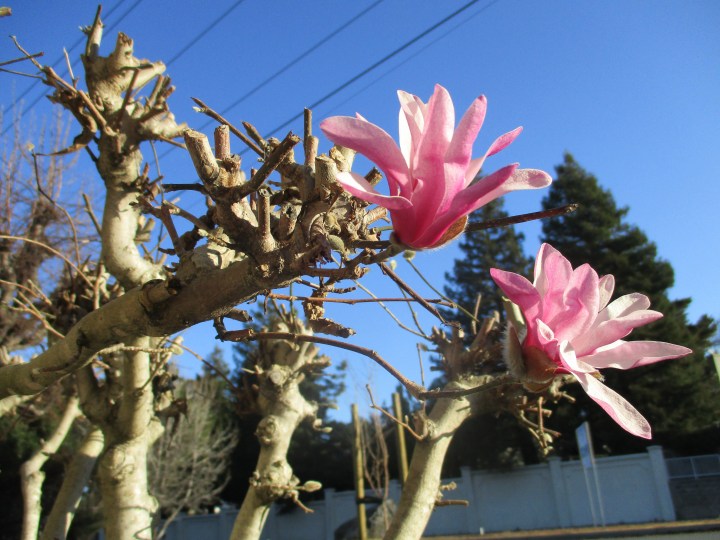
The pictures below show some sort of magnolia that was severely disfigured by maintenance ‘gardeners’, probably for no other reason than it was within their reach. A magnolia can not bloom if all of the stems from the previous year get pruned off by pollarding. This magnolia happened to bloom with a few distorted flowers only because the pollarding was so poorly done, that long stubs remain. These flowers are really nothing to look at within the context of all this unsightly disfigured stems. The long stubs can not be compartmentalized as the new growth develops in spring, so will remain as open and decaying wounds as the tree matures.
So, what is the point of this magnolias even being in the landscape? It contribute nothing. It can not bloom. It can not grow into a tree, but is unappealing as shrubbery. It will always be disfigured. The disfigurement will eventually compromise its health. It would be best if it were merely removed, or at least coppiced and allowed to regenerate. Even if it is a grafted tree, and gets coppiced below the graft, the resulting growth would be an improvement, and might actually bloom if the ‘gardeners’ do not ruing it again.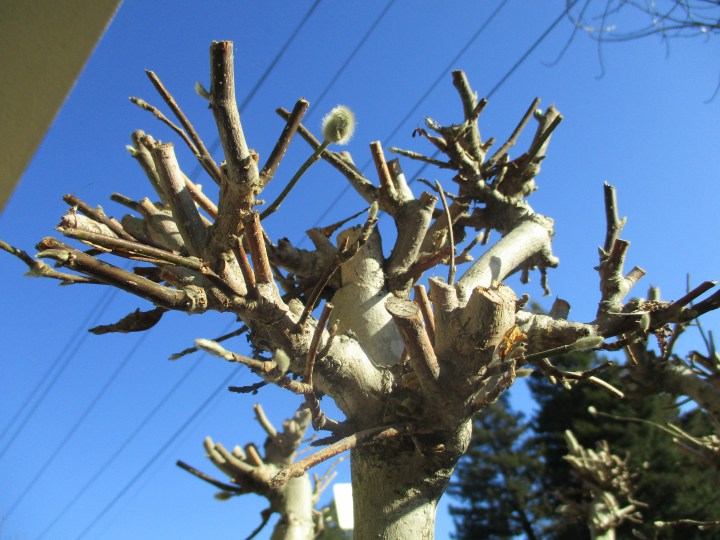
 This is an extreme bloomer! Cineraria, Pericallis X hybrida, blooms with composite flowers, which means that each small daisy flower is really a whole bunch of minute flowers clustered together to look like a single flower. As if this were not impressive enough, a whole bunch of these composite flowers are clustered together on top of each big wide floral truss. They are not easy to ignore.
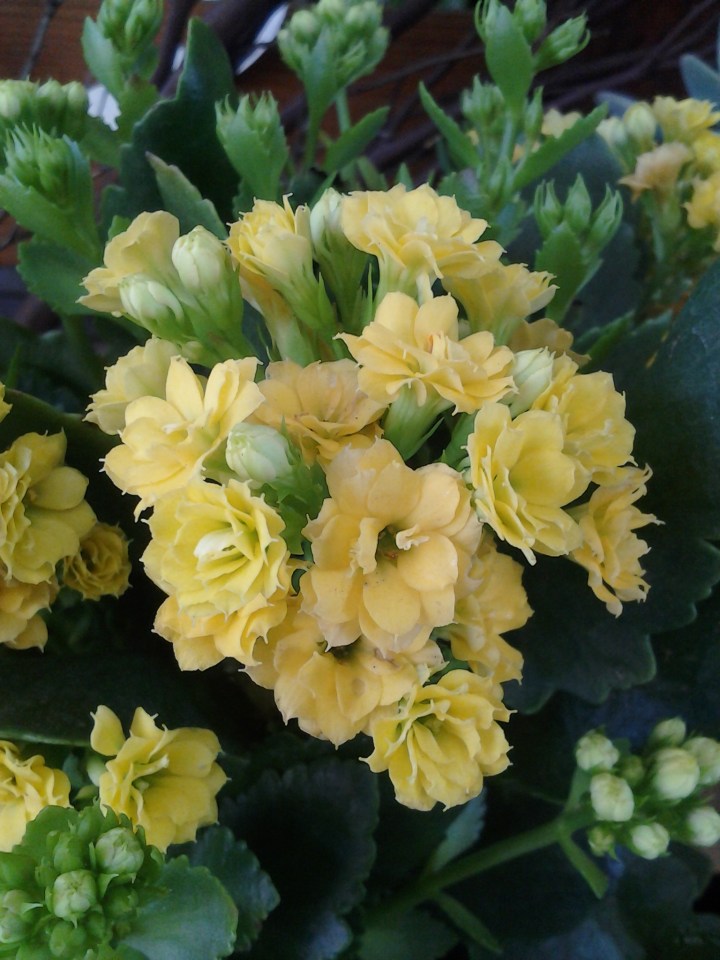 It seems like such a waste that so many of the prettiest blooming plants are generally regarded as temporary. They are grown in the most synthetic of environments, forced into bloom, sold at their prime, and kept as potted plants just long enough to finish their bloom cycle. When their bloom deteriorates, they typically get discarded, or planted out into the garden where they rarely survive.
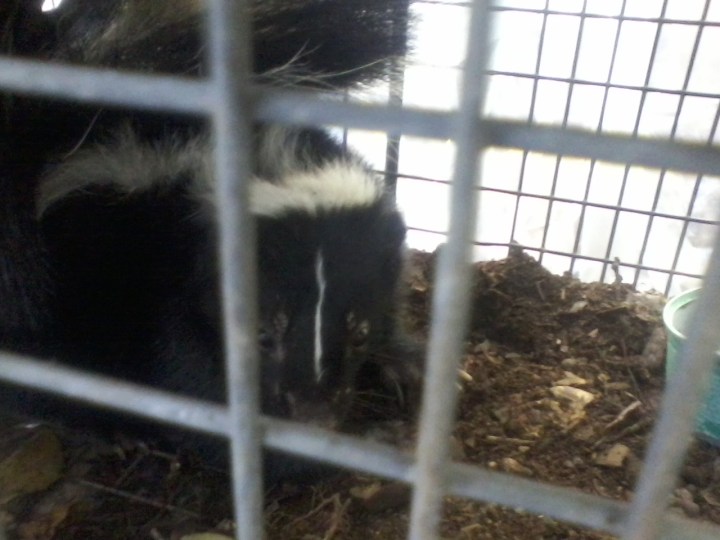 Coons are not much of a problem in the garden; but they can be a problem around the home. They scatter trash, eat dog and cat food, and can be dangerous to dogs and cats. They get into places we do not want them, including basements, attics, and even our homes. Once inside, they can cause significant damage.
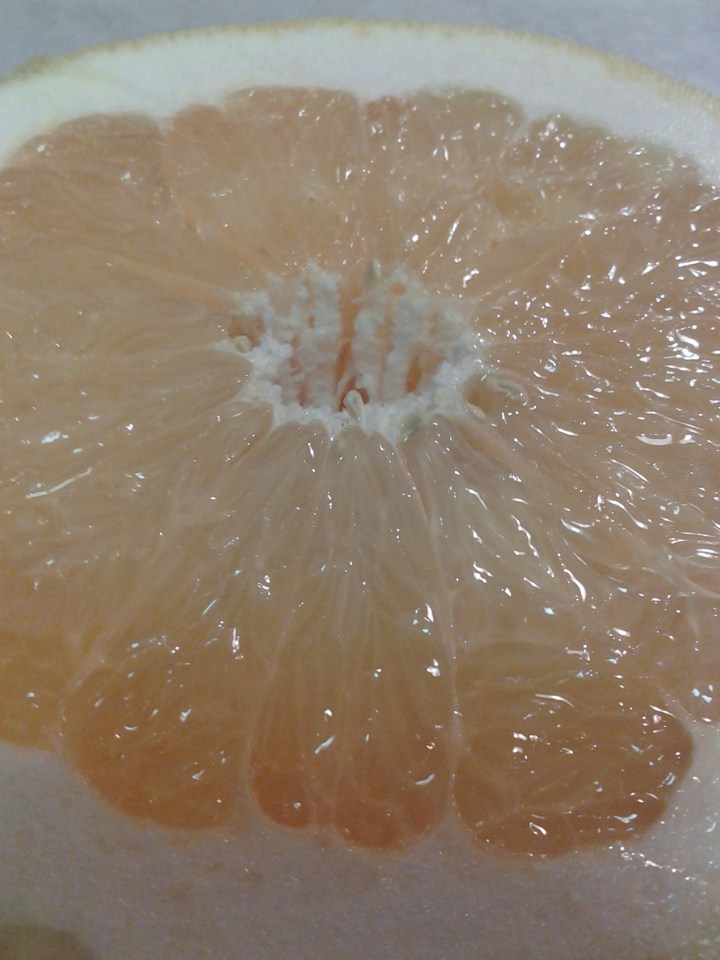 There really is such a thing as too much grapefruit. I know; I have witnessed it more than once.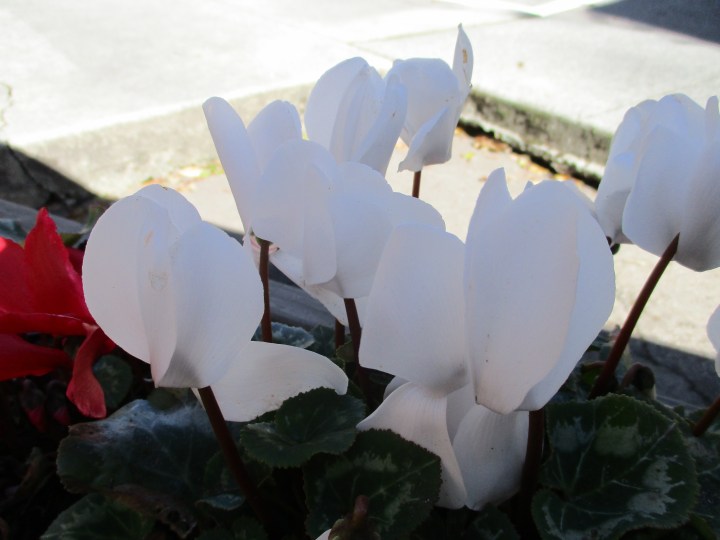
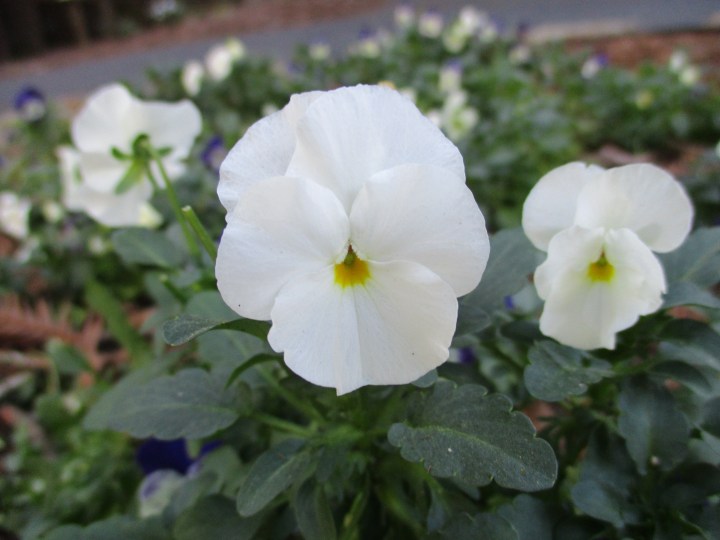
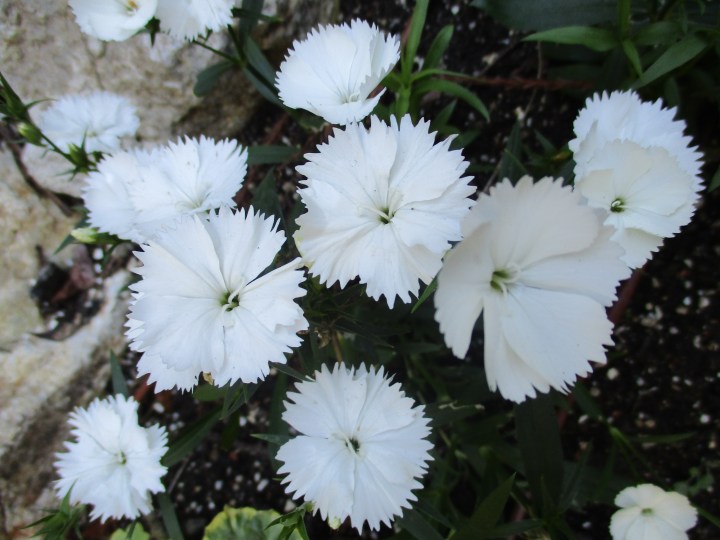


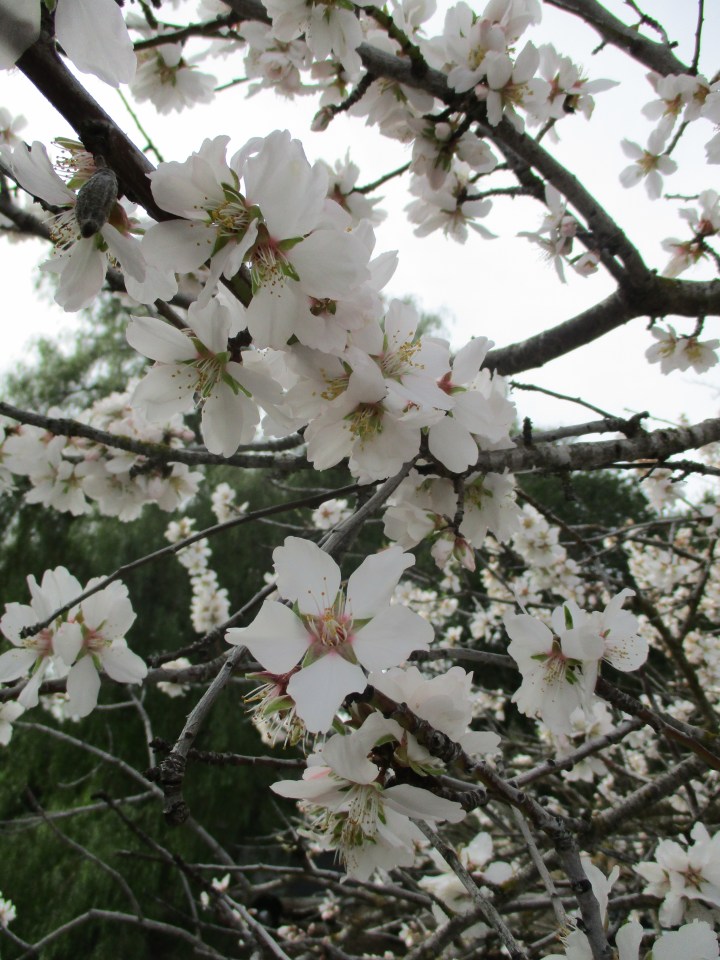 It is known more as a small to mid-sized shade tree that produces edible nuts, but almond, Prunus dulcis, also blooms magnificently as soon as the weather allows. Actually, it often blooms a bit earlier than it should. Nut production can be ruined if rain dislodges blossoms or developing nuts. The profuse white flowers are small but slightly larger than those of other related stone fruit trees.
 This is not sequel to ‘SNOW!?’ from yesterday.
 Watering has not been much of a concern lately. All the rain has kept our gardens too wet to work in. Some of us have been more concerned with erosion caused by runoff. Automated irrigation systems are probably disabled until the rain stops. Soil can drain somewhat between rain, but will not really dry out until the weather gets warm again. Dormant plants do not draw much moisture.
 Tony Tomeo