
As the Certified Pesticide Applicator working for the ‘landscape’ company that I wrote about earlier ( https://tonytomeo.wordpress.com/2018/03/18/shady/ ), I assumed several responsibilities pertaining to the pesticides and other chemicals that the ‘landscape’ company used. Among other things, I needed to inventory all the chemicals, monitor their use, submit use reports to the Department of Agriculture for each of the nine counties in which we used these chemicals, and provide MSDS binders for all of the ‘landscape’ company offices and vehicles within their fleet.
MSDS is for ‘Material Safety Data Sheet’. They are actually several pages each. Each MSDS binder contained two copies of the MSDS for every chemical the ‘landscape’ company used, or even had on site, whether it was actually used or not. One MSDS was in American English. The other was in Mexican Spanish.
So every office and every facility and every vehicle in the fleet of the ‘landscape’ company was equipped with an MSDS binder. Every binder was equipped with two copies of the MSDS for every chemical even remotely associated with the ‘landscape’ company. That is a whole lot of MSDS!
It’s the law.
I was required to provide all of this literature in languages spoken by anyone and everyone in the workplace, for all vehicles and facilities. Okay, so we’re clear on all that.
However . . .
There is no law requiring those using chemicals to be literate.
I certainly do not expect everyone to be literate in American English. They do not need to be able to read or write it. That is why there were copies of all the literature in Mexican Spanish. I could translate field notes from those who wrote them in Mexican Spanish. That would not have been a problem.
The problem was that many of those using the chemicals could neither read nor write in ANY language! At first, I though we could improvise. I instructed the accounts managers to inform their technicians to merely write down basic information, like the identification number of a chemical being used, the volume of the chemical used, and so on. Most of it involved copying information from the label, and the location from the work order provided to the accounts managers. It sounded simple enough. Sadly, it was not. Copying such information was too much to expect from those handling these potentially dangerous and polluting chemicals. The literature in the MSDS binders that I had so dutifully printed and provided was merely used as napkins and toilet paper.
By the time I could no longer be affiliated with this particular ‘landscape’ company, I had no idea where all of the inventoried chemicals ended up or how they were applied.
 This one is different though. It is not the characteristic homogeneous bright orange that California poppies should be. The orange in the middle is what the entire flower should look like. The outer yellow hallow is not typical.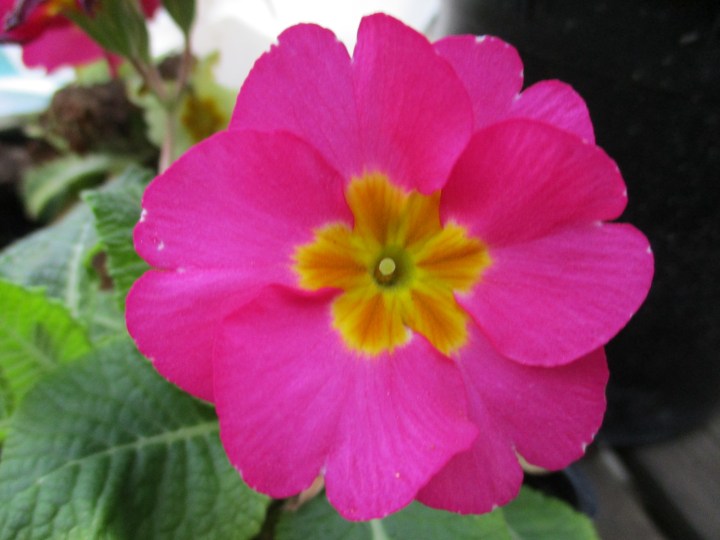
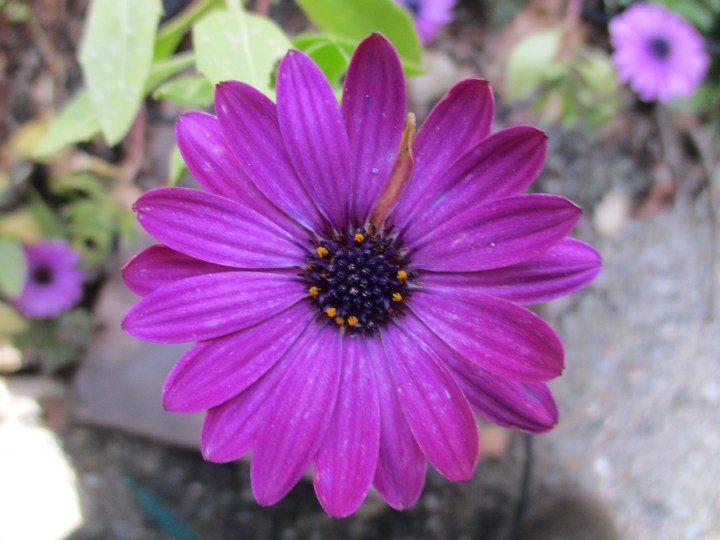


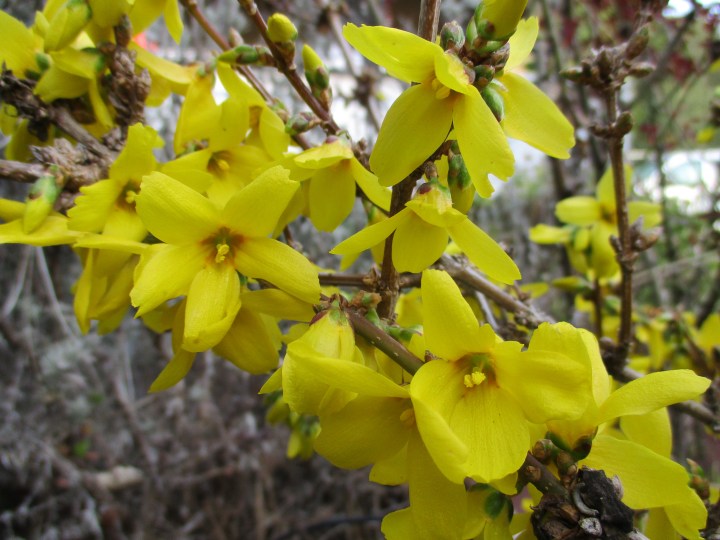

 Before its new lime green foliage emerges, the otherwise modest star magnolia, Magnolia stellata, dazzles with a surprising profusion of crisp white, blushed or pale pink bloom. The three inch wide flowers have between a dozen and two dozen floppy petals (which are actually tepals). If the weather is right, the flowers might be slightly fragrant. If only bloom could last longer than it does!
 They are weeds for a reason. They grow like . . . well, weeds! By definition, they are unwanted. Yet, they typically proliferate and grow faster than desirable plants. They aggressively compete for space, sunlight and resources. Many weeds start to grow through winter, and get established while other seedlings are just beginning to germinate, or other plants are just waking from dormancy.

 It looks like sweet alyssum, but is not even close. The tiny white flowers and finely textured foliage work almost as well for similar uses in the landscape. In fact, the plants are most often grown as short term warm season annuals. However, candytuft, Iberis sempervirens, is really a perennial that can be cut back in autumn, regenerate through winter, and bloom for spring and early summer.
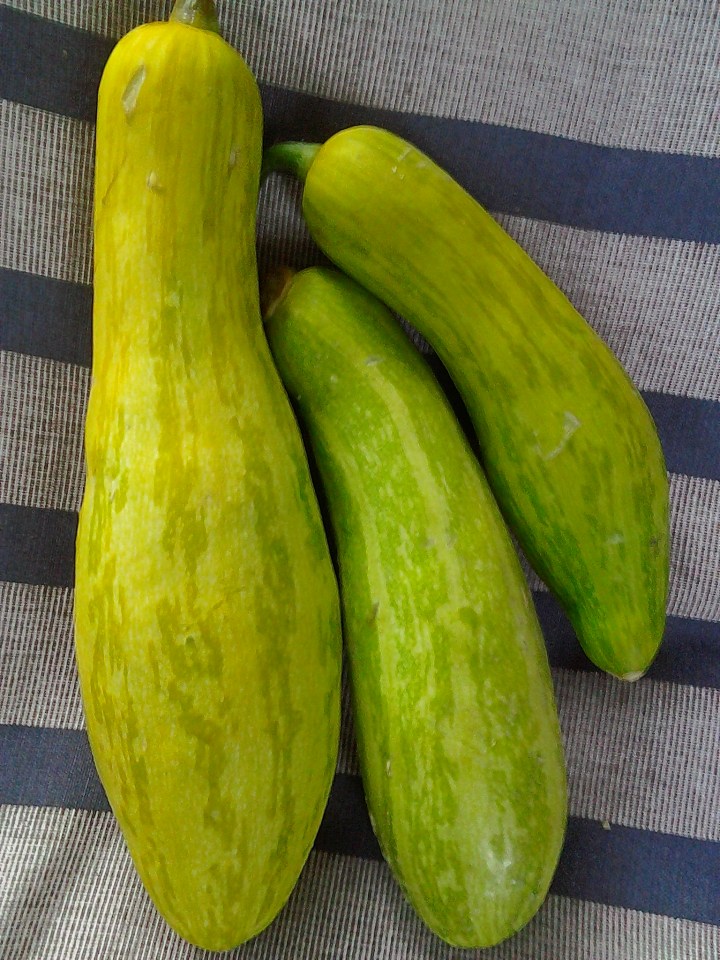 The calendar does not always agree with the weather. It really is about time to start replacing aging cool season vegetable plants with fresh new warm season vegetable plants. Earlier warm and dry weather had suggested that it was getting late. More recent frosty weather followed by rain suggested otherwise. Regardless, there is no point in arguing with what the calendar determines.
 He or she; let’s just go with ‘it’ – has no name that I am aware of. It might be an acquaintance of Pepe. (

