Lily-of-the-Nile was the first perennial that I divided and propagated on a substantial scale. Back when I was in the seventh grade, I was instructed to remove an overgrown specimen that was nearly a quarter of a century old. It was too tough, big and heavy to dig up intact, but relatively easy to dismantle and remove in smaller pieces. These smaller pieces were all too easy to split into individual rhizomes with single terminal shoots. These individual rhizomes were easily groomed and planted where I thought copies of the same lily-of-the-Nile would be nice. A few years later, these copies were big enough to be dug and divided into even more copies. Nearly four decades later, I am still growing a few copies.
Because it is so resilient and undemanding, lily-of-the-Nile is one of the most common perennials here. They bloom through summer, with their firework shaped blooms at their best in time or the Fourth of July. Now that they are finishing their long bloom season, the deteriorating flowers must be removed, by ‘deadheading’.
1. Lily-of-the-Nile, although common, really is a delightful perennial. I thought I was getting a good representative picture here, but can now see that the two lower blooms in the foreground are fasciated, so are more billowy than typical blooms are. Also, the sunlight at about noon was a bit too harsh for a good picture of the foliage.
2. This very late blooming floral truss is how all the other blooms started out.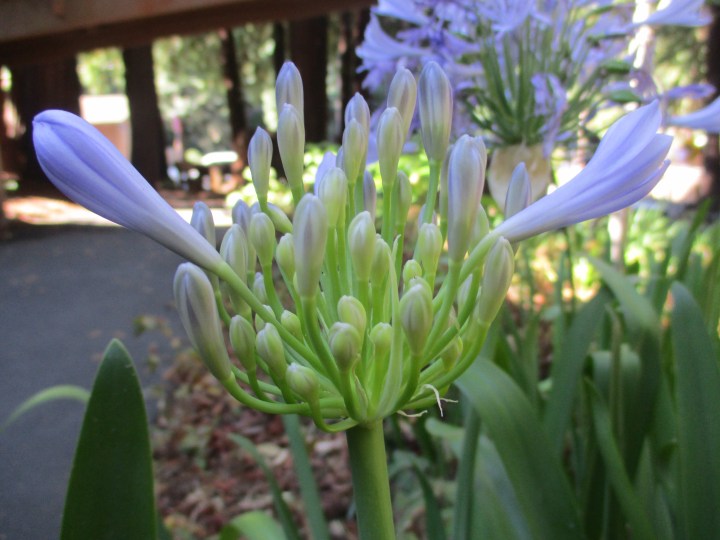
3. This one shows how they look at full bloom. It is only beginning to deteriorate.
4. As individual florets fall away, these maturing green seed capsuled remain. They slowly dry and turn tan before tossing their seed late in autumn or winter. Of course, they should get pruned out before they do so.
5. Lily-of-the-Nile are very easy to work with, but snotty with this goo that flows from all cut floral stems and any damaged leaves. Ick!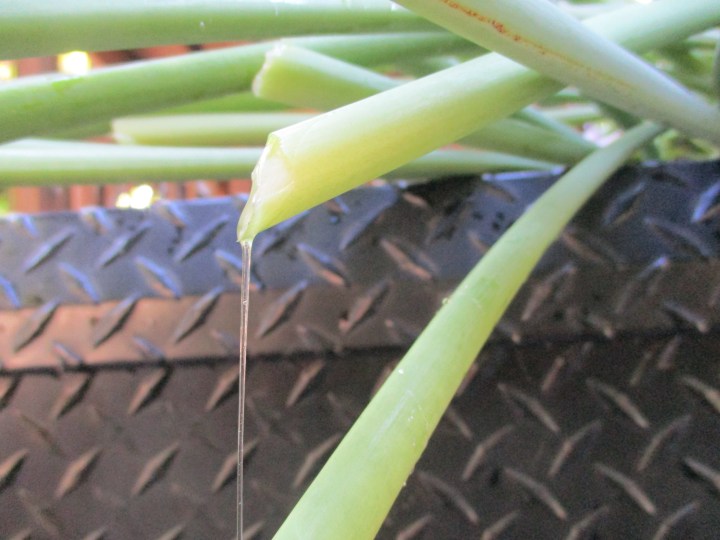
6. This is the pile of deadheaded bloom that got cut on Wednesday. More will be cut next Wednesday. Almost all typically finish within two weeks or so. However, they started a bit late this year, and are finishing more randomly than they normally do.
This is the link for Six on Saturday, for anyone else who would like to participate:
https://thepropagatorblog.wordpress.com/2017/09/18/six-on-saturday-a-participant-guide/
 Among pines, firs, redwoods and most excurrent trees (with central leader trunks), stubs or stumps of limbs that were shed are common and more apparent than they are among decurrent trees (which branch into many main limbs). The older lower stubs slowly but eventually decay and fall away as the trunks compartmentalize (heal over) where they were formerly attached.
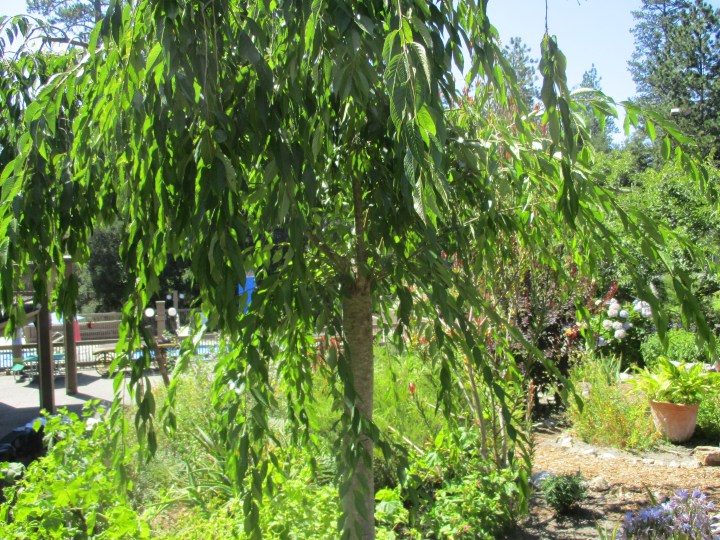 Weeping flowering cherry is another type of tree that almost never gets appreciated like it should. Like so many Japanese maples, they get planted into situation where so-called ‘gardeners’ shear them into nondescript globs of worthless foliage that only get in the way. Some get shorn so regularly that they are deprived of bloom. Their form and bloom are their two main assets.
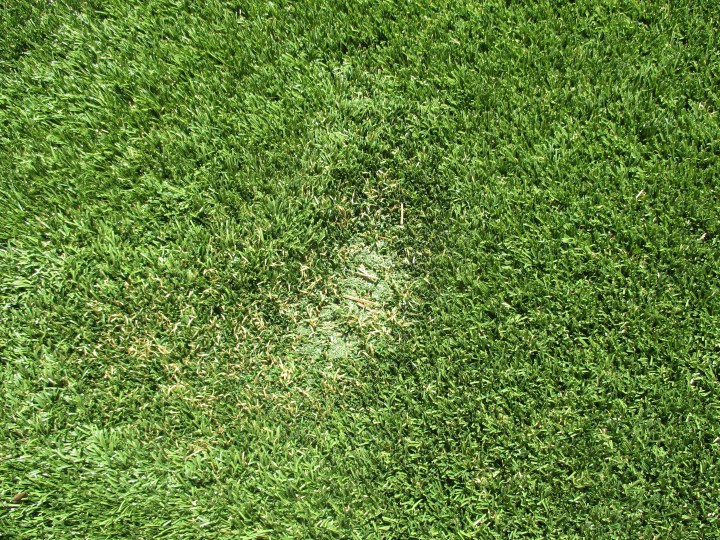 The lawn around the three small but gnarly oaks that were featured this morning in ‘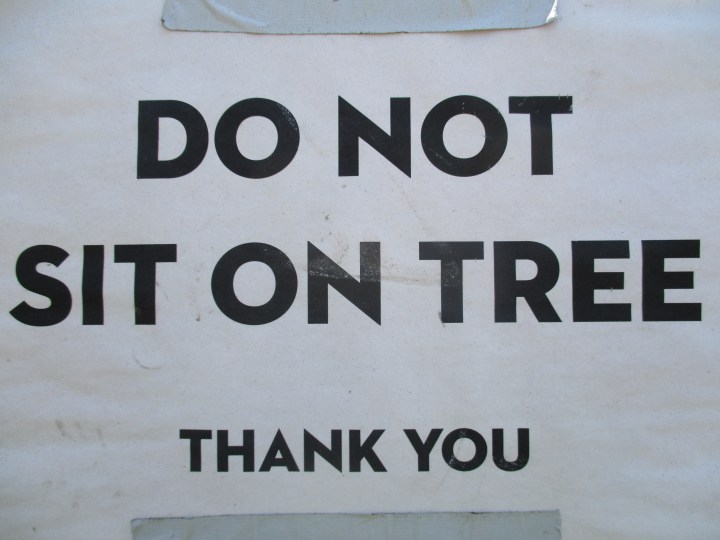
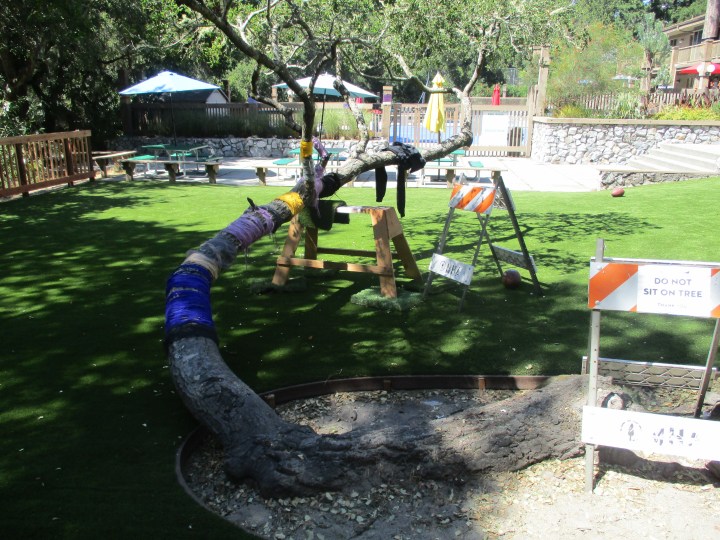
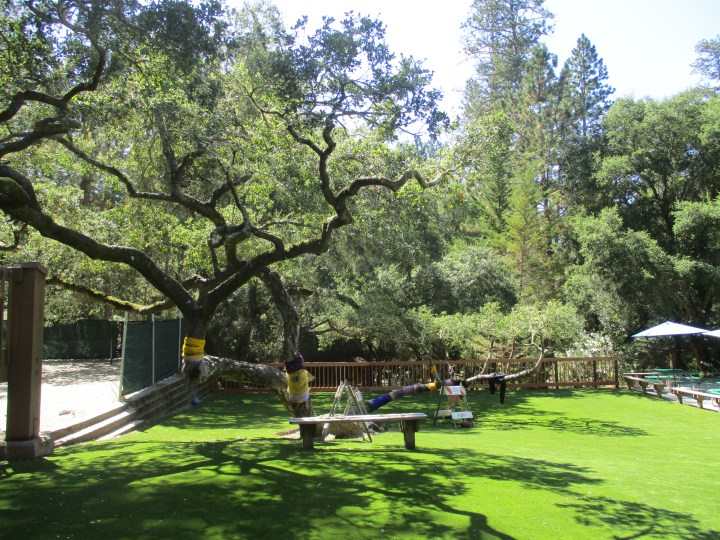
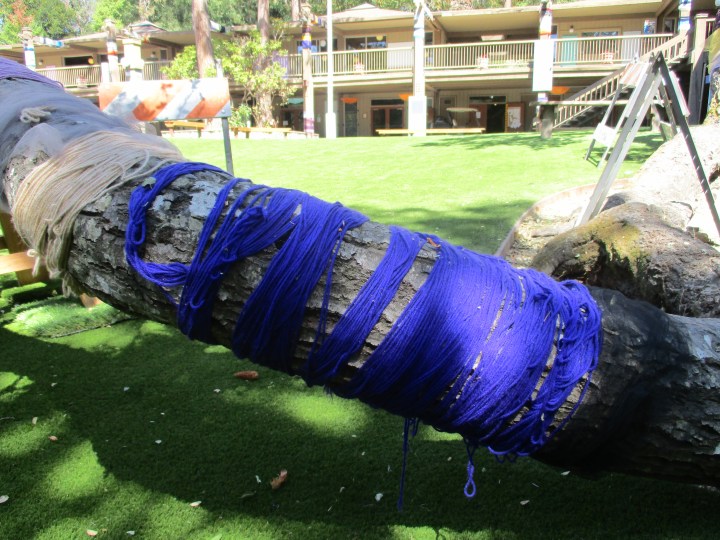


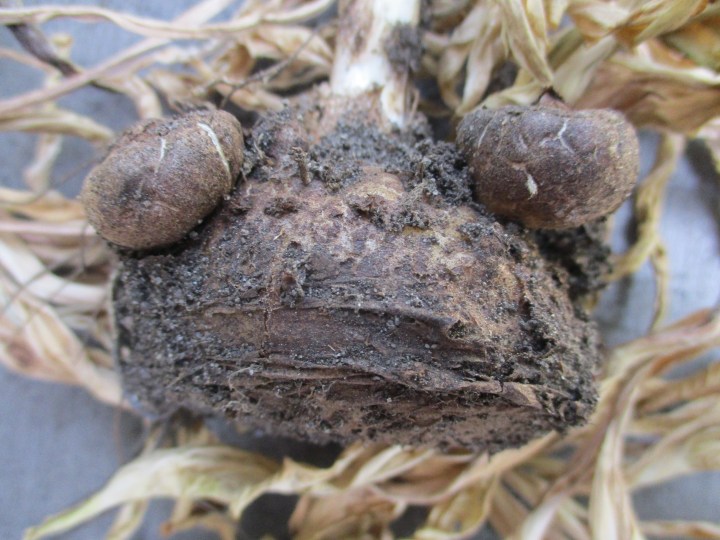 Wednesday is my day to rant. However, I neglected to get out to find a picture or even a topic to rant about. Instead, I found this ugly little . . . what I believe to be a dormant rhizome. It looks more like a tuber or a tuberous root, and very well could be. Someone at work brought it from his home garden, where countless more naturalized and became aggressively invasive.
 This grand sycamore has likely been here since the third day of Genesis. A few of the top branches got broken off when Noah’s Ark floated over. When I was a little kid, it was on the edge of a vacant field where road debris was dumped, and older kids rode their dirt bikes. Now it is on the western edge of the parking lot of Felton Covered Bridge Park. I write about it sometimes.
 Himalayan blackberry is to cane berries what blue gum is to eucalypti. It is what gives all cane berries a bad reputation, and is why so few of us want to grow them. Himalayan blackberry grows as an extremely vigorous weeds, extending sharply thorny canes over anything within reach. When the canes are removed, the tough roots are extremely difficult to remove and kill.



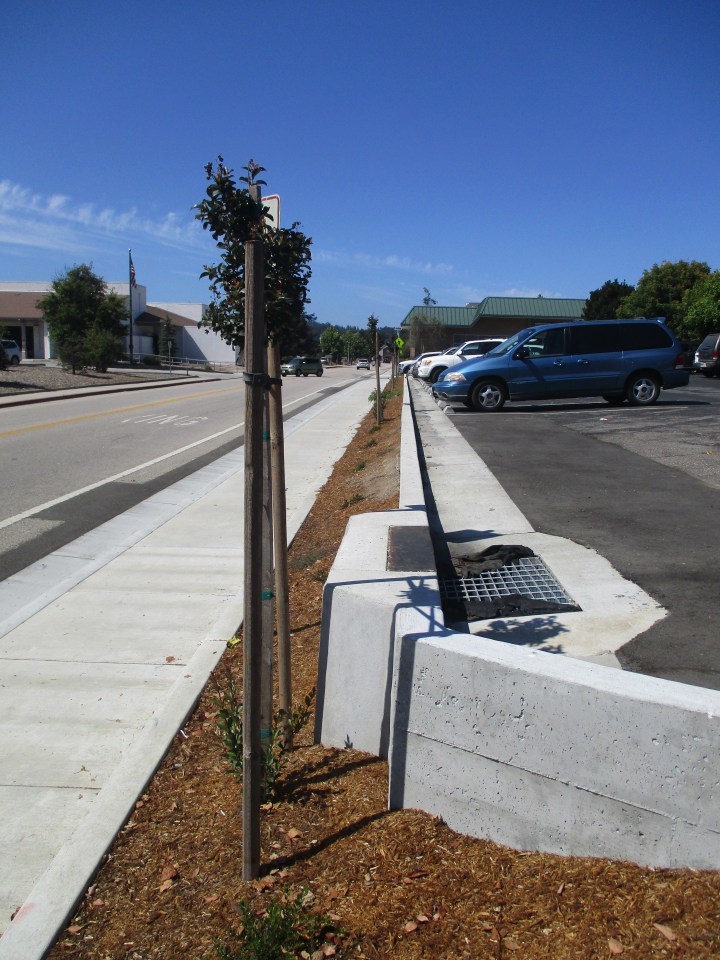 We arborists happen to like trees. That is why we are arborists. Most of us also understand that trees are not appropriate for every situation, or where they are not appreciated. There is no point in planting a tree where it will just get cut down by someone else who does not like it. We want trees to be happy. We also want those who live with them to be happy with their trees.
 Tony Tomeo