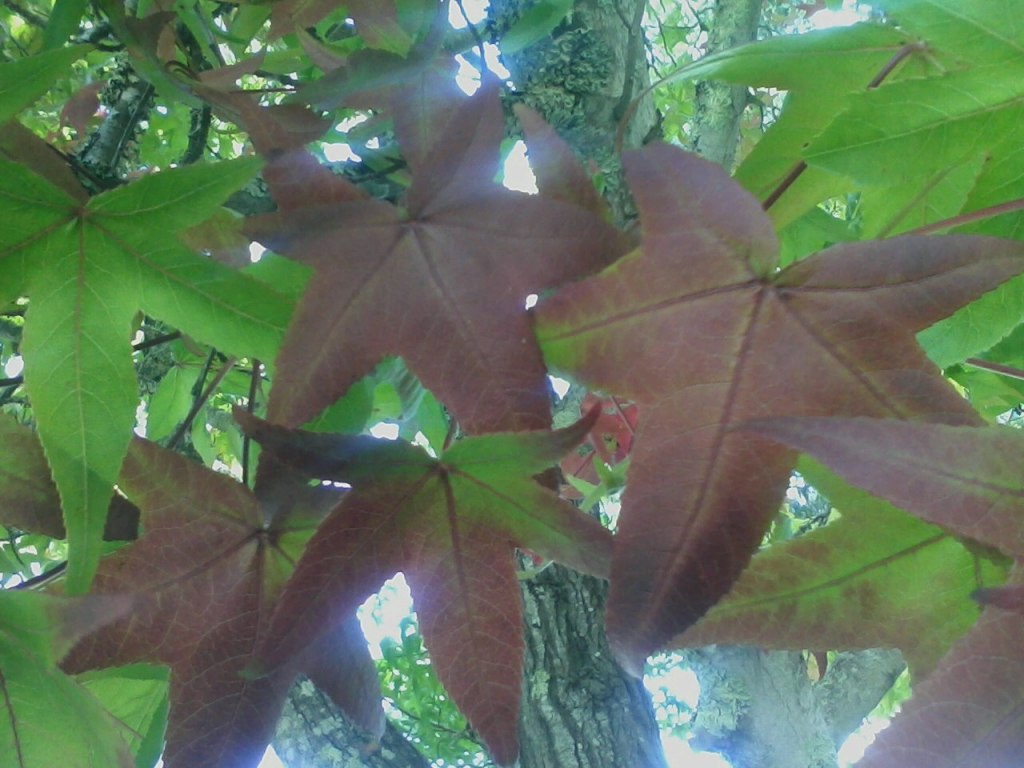
Okay; so this is neither the first, nor real autumn foliar color. It just happened to be convenient for me to get a picture of. Someone left this unfortunate Japanese maple right outside on the driveway a few years ago. It colors early from uncomfortable exposure to late summer warmth. The picture below is even more colorful, and was from even earlier in the year, last August.
Foliage that is starting to color here is nothing to brag about. Some of the older dogwoods leaves just shrivel and turn brown. I can only hope that enough newer foliage lingers to color as well as it did last year. Cottonwoods start to drop foliage while it is still green, but should eventually color to a subdued yellow before the last foliage falls. Sycamores are bland no matter how late.
There are only a few trees that reliably develop vibrant foliar color…
Warnings were broadcast in local news for a few days prior. Because of the extreme potential for catastrophic forest fires, electrical service was to be disabled to our region, and large areas of California. Weather was predicted to be warm, windy and dry (with minimal humidity). Such conditions are exactly what cause fires to spread so explosively through the overgrown forests.
The potential for sparks from electrical cables, especially as debris gets blown onto to them, was why the electricity needed to be disabled. Supposedly, it is more likely for fires to be started by sparks from utility cables than by sparks from the many generators and barbecues that compensate for a lack of electricity. These considerations are taken very seriously in this region.
There are many reasons why the local forests are more combustible than they would naturally be. The less combustible redwood forests were clear cut harvested about…
Los Angeles was fun, even if merely for five days. So was the indirect trip there and back. While there, I collected a few bits and pieces of vegetation to bring back here. Much of it, including these Six, needed to be removed from Brent’s garden anyway. I want to collect more Plumeria cuttings later, during the correct season. I only took what I got from this procedure because two of the dozen or so specimens needed minor pruning. Conversely, I collected many more giant bird of Paradise seedlings than I can accommodate because they needed to be removed from where they were. A neighbor here should hopefully take most of them. Most of these acquisitions were expected, although the quantities of some were unexpectedly excessive. Nonetheless, I am very pleased with them.
1. Heliconia of an unidentified species was phased out as other vegetation matured over the past several years. Remnants came up with only bits of rhizome, so may not survive.
2. Strelitzia nicolai, giant bird of Paradise grew from seed from a very mature specimen that was the first plant that Brent installed after he moved here almost twenty years ago.
3. Plumeria of an unidentified cultivar or even species needed to be pruned off the roof. It grows easily from cuttings, such as these, but needs protection from minor frost here.
4. Washingtonia robusta, Mexican fan palm, like giant bird of Paradise, grew from seed from a recycled specimen that Brent installed. Its parent is his brother’s Memorial Tree.
5. Clivia miniata, Natal lily formerly bloomed profusely in the front garden, but became overwhelmed by other vegetation. They were installed directly into a landscape at work.
6. Chamaedorea costaricana, pacaya, which Brent and I know as bamboo palm, is much more vigorous and larger than the more common bamboo palm, Chamaedorea seifrizii.
The excellent and remarkably brilliant shades of yellow, orange, red and burgundy of the foliage in autumn suggest that sweetgum, Liquidambar styraciflua, is from New England. However, it is native between New Jersey, Florida and the eastern edge of Texas, as well as isolated forests of Central America. It actually prefers mild climates to where winters are too cold. Mature trees are generally columnar (relatively narrow) and less than fifty feet tall where well exposed, but can get more than twice as tall to compete in forests.
Unfortunately, mature sweetgum trees can be somewhat problematic in urban gardens. Limbs are often weak enough to break in wind, or if they get too heavy from the weight of their own foliage. Also, the abundant round seed pods are outfitted with nasty spikes, like little maces almost two inches wide. They are painful to step on, and can actually be quite hazardous.
After blooming so colorfully for summer, crape myrtle foliage turns bright orange and red for autumn.
Why do so many from other regions comment on the mild climates of the west coast of California as if pleasant weather is a deficiency? If horrid summer heat and frigid winter cold were worth bragging about, not so many people would have been so eager to migrate here.
Contrary to popular belief, the four seasons, although considerably milder than in other regions, are enough to keep our gardens productive, dynamic and even colorful in all seasons. All sorts of deciduous plants and fruit trees get just enough chill in winter to bloom reliably in spring. The warming weather between winter and summer that gets most plants to bloom is what spring is all about. Summer is then warm enough for fruit and vegetables to develop. Then there is autumn, when so many deciduous plants turn flashy colors before winter dormancy.
Although the mild weather limits the choices, there are still a few plants to provide autumn foliar color. Actually, autumn is not so colorful locally primarily because the potential for color is not exploited like it is elsewhere. There are just so many other plants that do not turn color in autumn to choose from. Really, Vermont would be less colorful if palm trees grew there!
Sweetgum, Chinese pistache, flowering pear and maidenhair tree are the most reliable trees for autumn color. Maidenhair tree turns remarkably bright yellow. The others get the whole range from yellow to orange to red. Sweetgum also gets burgundy, and has the added advantage of holding foliage until it gets knocked off by wind or rain. Where the big, bright orange (and yummy) fruit that hangs through winter is desirable, Japanese persimmon is as colorful as Chinese pistache. (Persimmons are horribly messy if not harvested.) Various poplars, tulip tree and black walnut can almost get as bright yellow as maidenhair tree.
Crape myrtle and redbud are shrubby plants that provide good autumn color. Redbud turns clear yellow. Crape myrtle though, can also get bright orange and brownish red. Several of the Japanese maples, although not always as reliable, can actually get even more colorful if the weather is right. Boston ivy (which is actually related to grape) is the most colorful of climbing vines, but because it attaches directly to whatever it climbs, it is best on concrete walls that it will not damage.
Halloween is a topic that I could rant about for days. Seriously. I loathe it. I dislike any formerly respectable holiday that has been ruined by excessive commercialization. We all know what happened to Christmas. For me, Halloween, in some regards, is even worse. Christmas is at least pretty. Halloween is intended to be morbid and grotesque and creepy and . . . just plain bad.
This should be about gardening though. Yes, there is always that guy who gets too drunk at the Halloween party down the road, but manages to stagger just far enough to vomit on my lawn. Then, I need to figure out how to get all the toilet paper out of the redwoods. The nasturtiums that get trampled by hasty brats who are too old for trick-or-treating will eventually recover.
The worst, though, are the Halloween ‘decorations’ in the front yard! We put too much…
By the end of the Victorian Period, dracaena palm, Cordyline australis, had become very popular, both as small trees and as foliar plants. The largest specimens were only about twenty feet tall and half as wide. Removal of trunks that grew too tall for short foliar plants induced fresh basal growth. The drab leaves grew three feet long and three inches wide.
Cultivars with bronzed foliage became more popular after the Victorian Period, although not as common as the original. They grew slower and stayed smaller. The many modern cultivars of the past few decades stay even smaller, with even more impressively colorful foliage. Most are purply bronze or variegated with creamy white, pale yellow, pink or tan.
Modern cultivars generally mature efficiently, but then attain height too slowly to function as small trees. Some do not develop substantial trunks. They are therefore more popular for their delightful foliar color and texture. Many generate appealingly pendulous foliage. However, a few eventually develop sculptural form with exposed corky trunks and limbs. Removal of unimpressive floral panicles prior to bloom removes floral frass before it gets messy.
Nomenclature is simply a structured technique of naming. Botanic nomenclature assigns universally precise general or genus names with specific or species names to all plants. Such botanical names are also scientific and Latin names, but not common names. They are binomial with their uncapitalized species names after their capitalized genus names.
Latin, scientific or botanical names are the same for everyone everywhere, regardless of regional language. They simplify documentation and distribution of botanical information for plants that have different regional common names. Even if all other information needs translation, botanical names do not. They are really more common than common names.
Realistically, common names are no more common than common sense. Many regional names are common only within isolated or contained regions, such as individual islands of Polynesia. Aloalo of Hawaii are simply familiar hibiscus here. Lily of the Nile seems to be the only common name for Agapanthus, but is more familiar as thanh anh in Vietnam.
Acer platanoides is Latin for ‘maple which resembles a sycamore’. Acer pseudoplatanus is Latin for ‘maple which is a false sycamore’. Both are maples here, but also sycamores in England. Conversely, Platanus X acerifolia, which translates to ‘sycamore with maple foliage’ is a sycamore here, but a plane in England. Common names might be confusing.
This is why botanical names are so important. Arborists and horticulturists both here and in England recognize them regardless of possible inconsistencies with common names. Of course, common names are useful regionally. They may be easier to remember, more appealing or merely amusing. Pigsqueak and sticky monkey flower are difficult to forget.
Nonetheless, it might be helpful to be aware that some common names are inaccurate. A rose by any other name would smell as sweet, unless of course, it is a Confederate rose, Lenten rose, rose of Sharon or rock rose. None of such roses are actually roses. Neither calla lily nor canna lily is a real lily. Neither dracaena palm nor sago palm is a real palm.
Jocular reference was made to ‘The Grapes Of Wrath’ on our our backward version on the way to Oklahoma several years ago. We happened to drive through Salinas, where author John Steinbeck was from, and Bakersfield near Weedpatch, where the migration from Oklahoma in the story ended. From there, we literally drove the same route from Oklahoma, but in reverse.
I never read ‘The Grapes Of Wrath’.
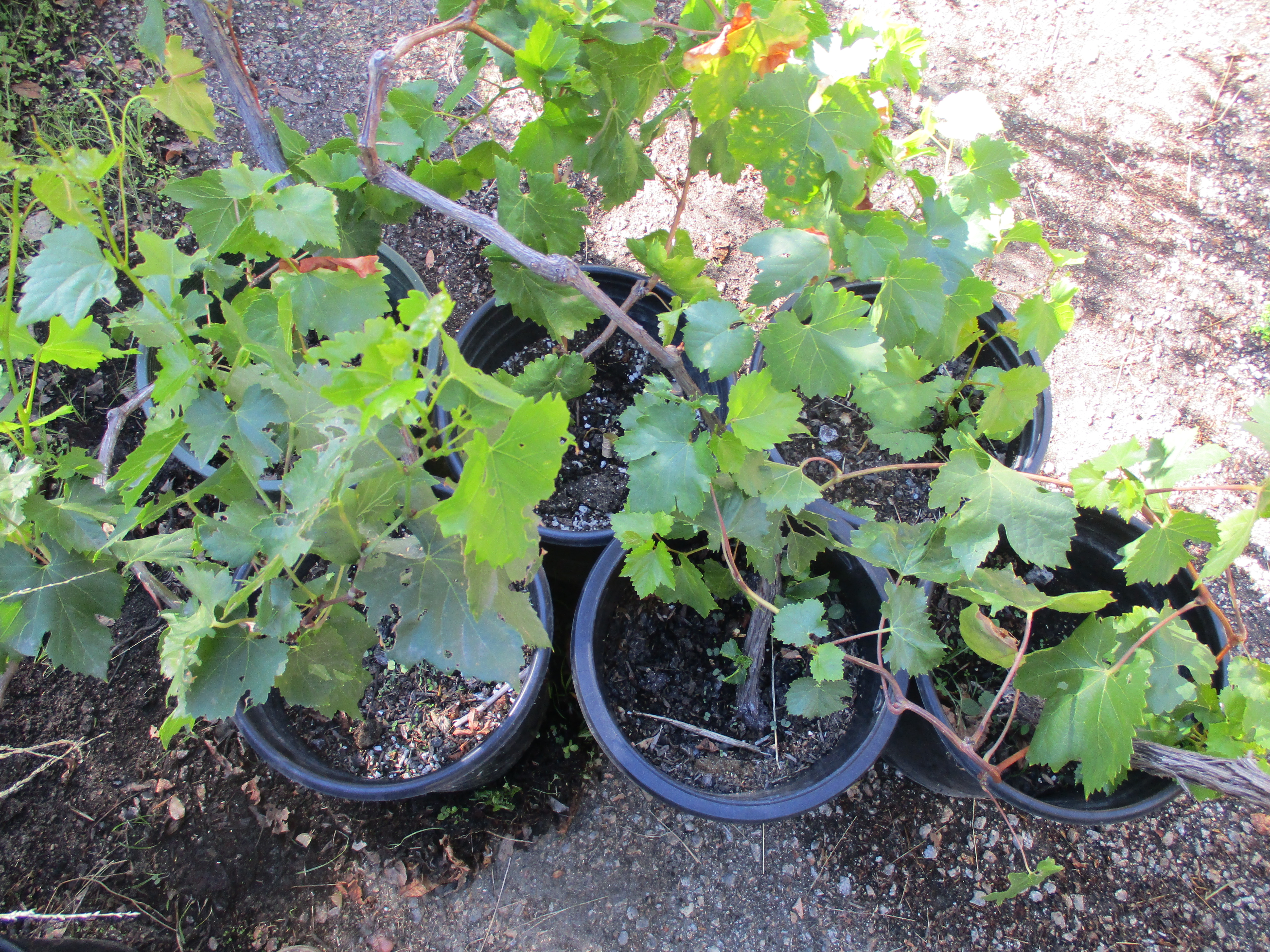
I do enjoy growing the sort of grape vines that some of us grow in our home gardens for fruit that can be eaten fresh. (I loath wine grapes and vineyards, but that is another topic for later.) There happens to be a nice big unidentified grapevine at work that needed major pruning last winter. It was a sloppy and formerly unpruned mess, with rampant long canes strewn about.
Some of these canes developed roots where they had been laying on the ground…
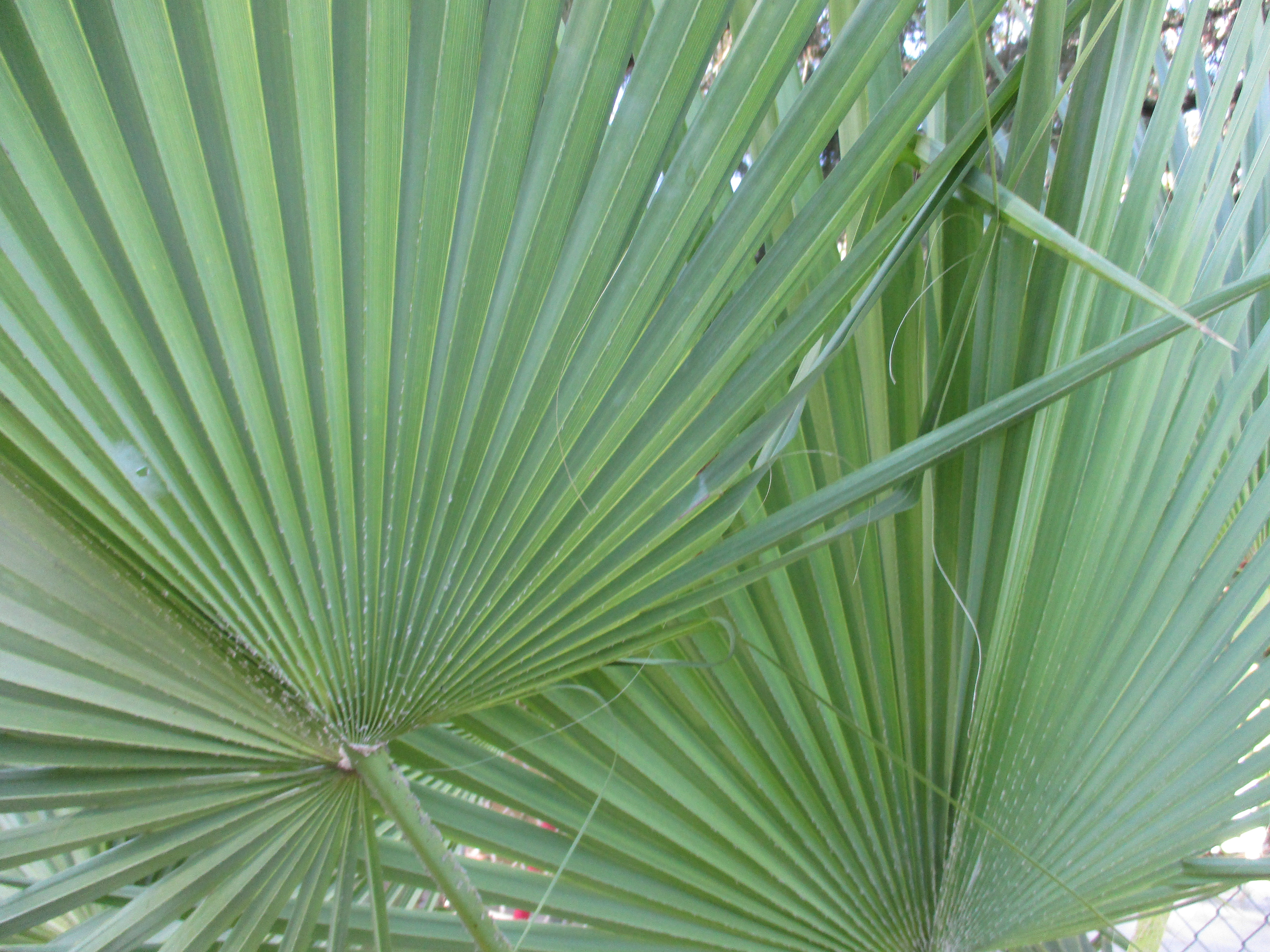
Palms are like ‘Red Delicious’ apples. It seems that most people dislike them; but they also seem to be very popular. Seriously, if only a few people like ‘Red Delicious’ apples, why are they so common in supermarkets? If most of us dislike palms, why are they so common in the San Jose Skyline?
I suspect that palms really are as unpopular as they seem to be, but that they are also very conspicuous within their situations. Not only are they focal points of the landscapes in which they live, but most types eventually stand as tall as the tallest trees in the neighborhood, and some get significantly taller. They are innately the most prominent trees within their neighborhoods.
Palm are not like other trees though. Arborists may classify them as ‘herbaceous trees’. They are foliar plants while young, producing increasingly large leaves from terrestrial rosettes. They only ‘launch’ and…

 Okay; so this is neither the first, nor real autumn foliar color. It just happened to be convenient for me to get a picture of. Someone left this unfortunate Japanese maple right outside on the driveway a few years ago. It colors early from uncomfortable exposure to late summer warmth. The picture below is even more colorful, and was from even earlier in the year, last August.
 Warnings were broadcast in local news for a few days prior. Because of the extreme potential for catastrophic forest fires, electrical service was to be disabled to our region, and large areas of California. Weather was predicted to be warm, windy and dry (with minimal humidity). Such conditions are exactly what cause fires to spread so explosively through the overgrown forests.



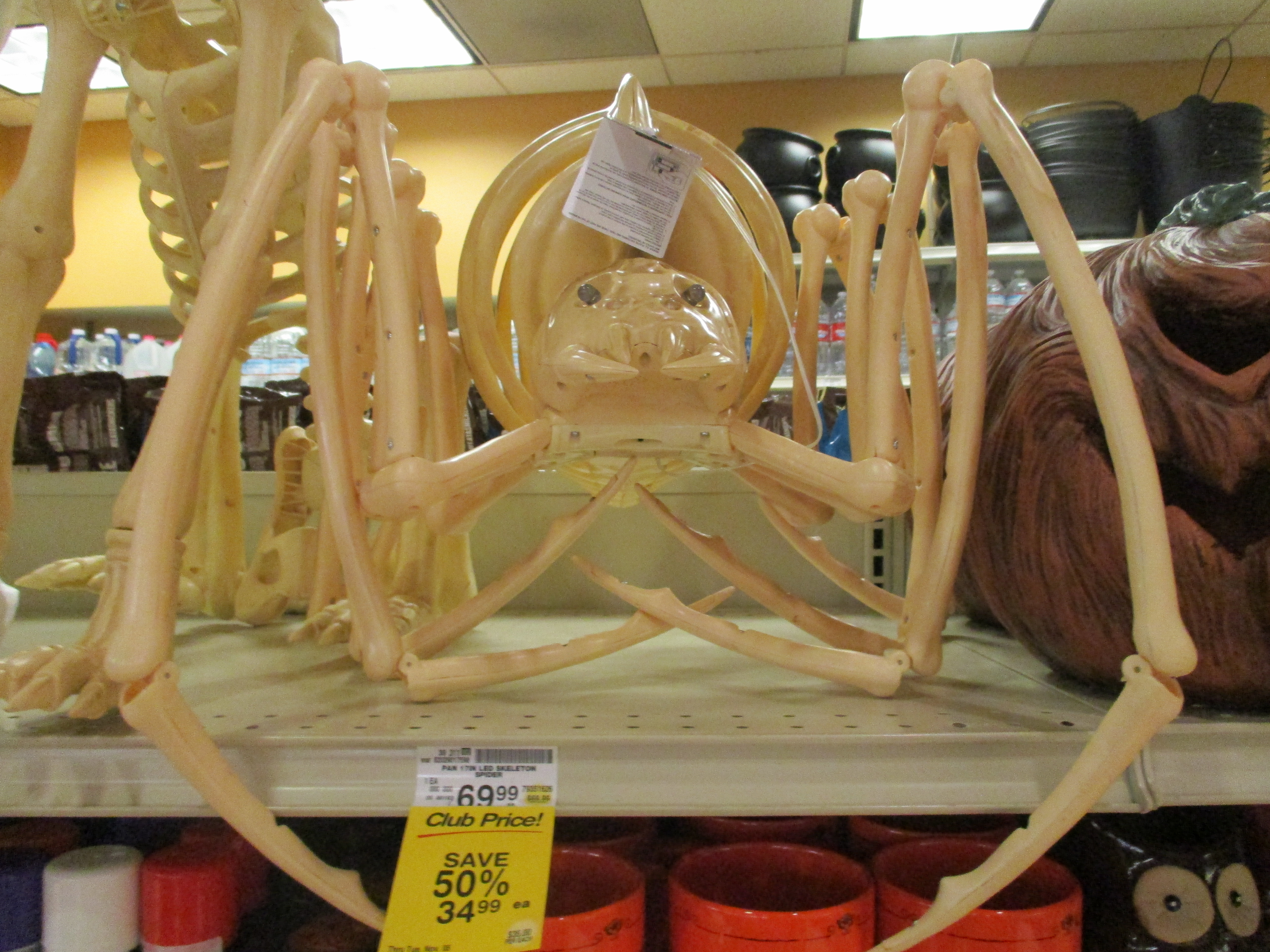 Halloween is a topic that I could rant about for days. Seriously. I loathe it. I dislike any formerly respectable holiday that has been ruined by excessive commercialization. We all know what happened to Christmas. For me, Halloween, in some regards, is even worse. Christmas is at least pretty. Halloween is intended to be morbid and grotesque and creepy and . . . just plain bad.
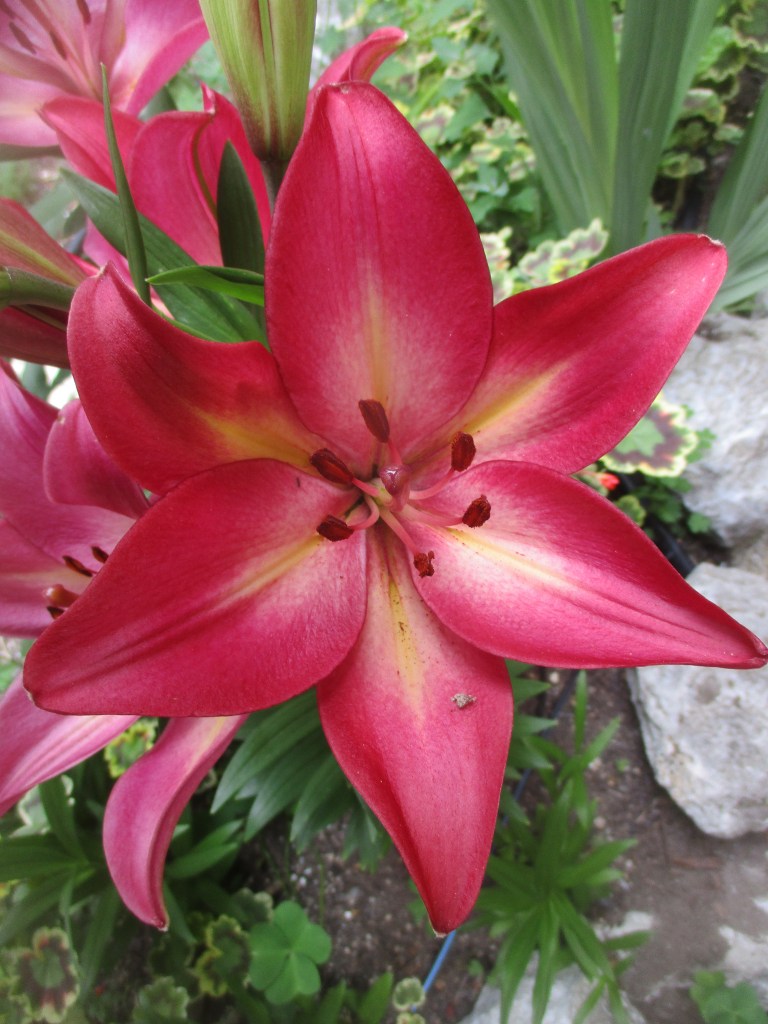
 Jocular reference was made to ‘The Grapes Of Wrath’ on our our backward version on the way to
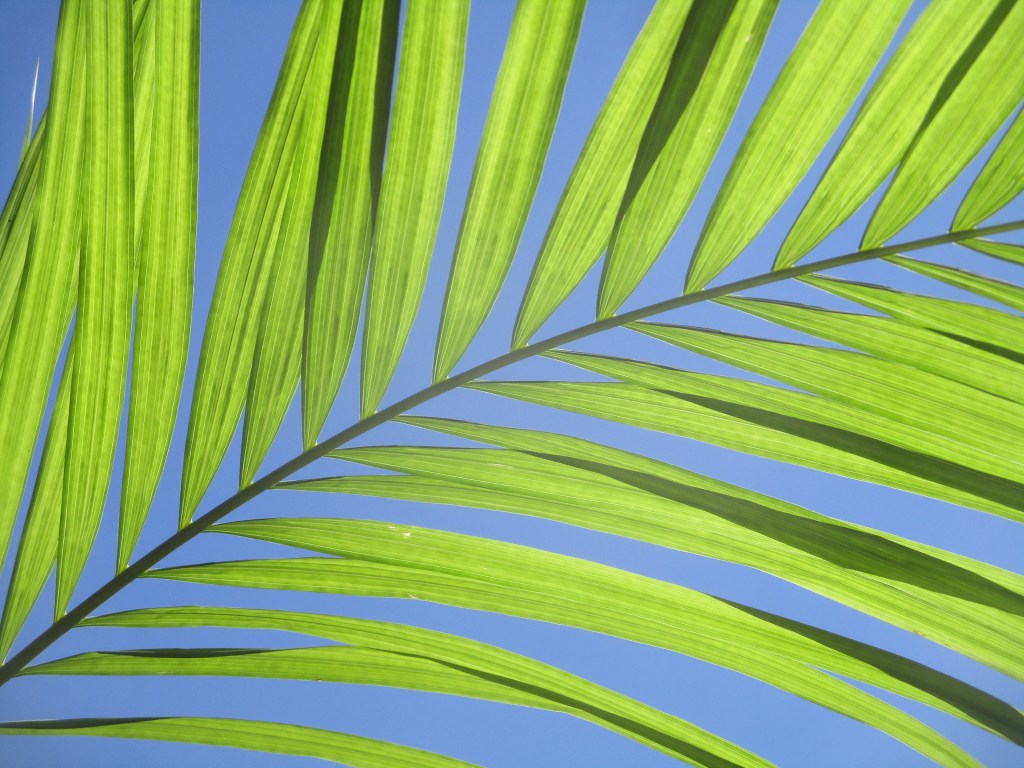
  Palms are like ‘Red Delicious’ apples. It seems that most people dislike them; but they also seem to be very popular. Seriously, if only a few people like ‘Red Delicious’ apples, why are they so common in supermarkets? If most of us dislike palms, why are they so common in the San Jose Skyline?
