The biggest lawn where I work for part of the week was formerly a pond. It was installed above an extensive drainage system to compensate for the natural saturation of the soil. A relatively small pond remains at the lowest corner of the large lawn to contain some of the runoff, which gets pumped back onto the lawn for irritation. However, this pond had drained and became overwhelmed by vegetation many years ago. Only recently, after the removal of the overwhelming vegetation, the pond was restored by the simple closure of its drainage gate. It is developing into a different sort of riparian ecosystem from what it was for the past several years, which was different from what it was before that.
1. Cattail and Himalayan blackberry overwhelmed this area many years ago. We knew it as the corn dog orchard because of the cattail bloom. This is what remains of the cattail.

2. Cottonwood appeared several years ago. They grew in a small grove of several slender trunks, perhaps from a single root system of a primary tree. These two are flooded now.

3. Knotweed proliferated on the margin of the newly flooded pond. Some got submerged where it grew while the water was lower. I hope that it dies like the submerged bramble.

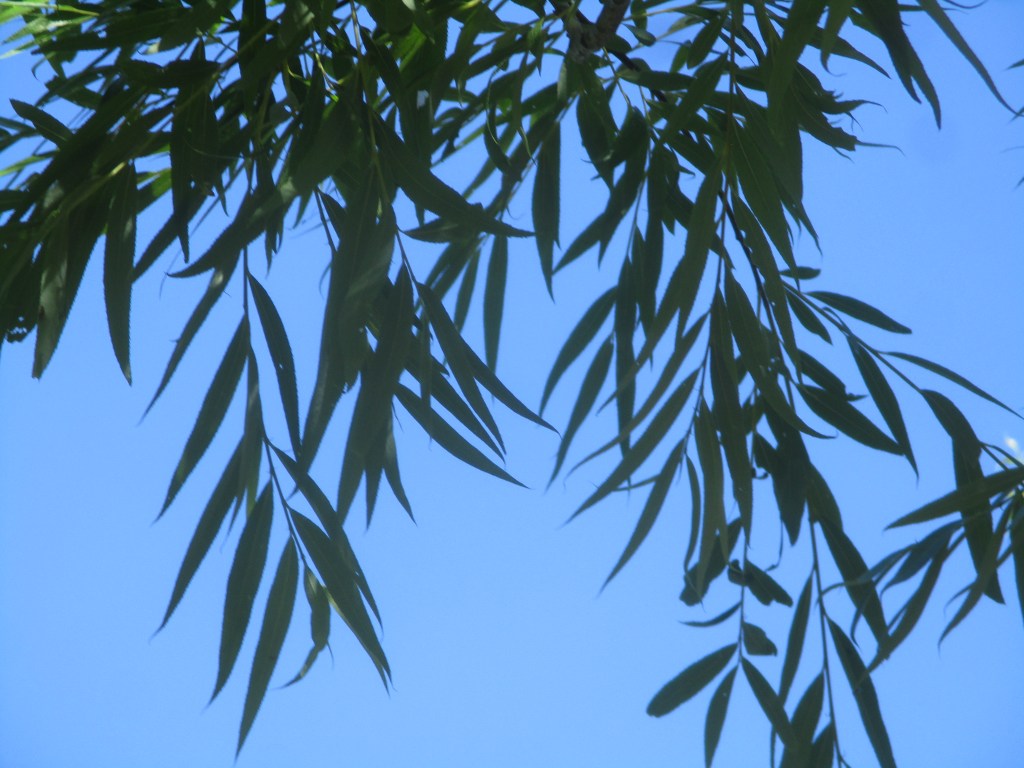
4. Weeping willow enjoys the swampy situation here. The newly flooded pond might not bother it much. The soil is naturally saturated within a minimal depth from the surface.
5. Water lily seems happy here too, although one of the six that were installed is missing. One specimen has about twenty leaves. I could not take a picture of it without reflection.

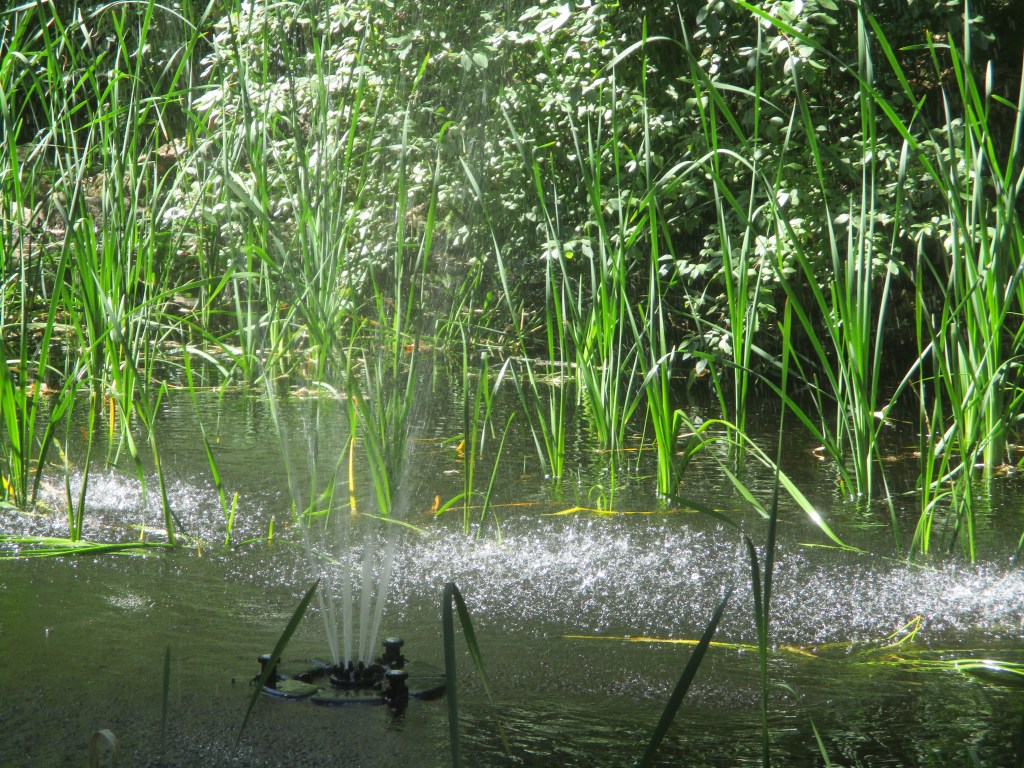
6. Fountains are supposed to dissuade proliferation of mosquitoes. I do now know what to think of it. Everyone else (except mosquitoes) likes it though. That is more important.
This is the link for Six on Saturday, for anyone else who would like to participate: https://thepropagatorblog.wordpress.com/2017/09/18/six-on-saturday-a-participant-guide/

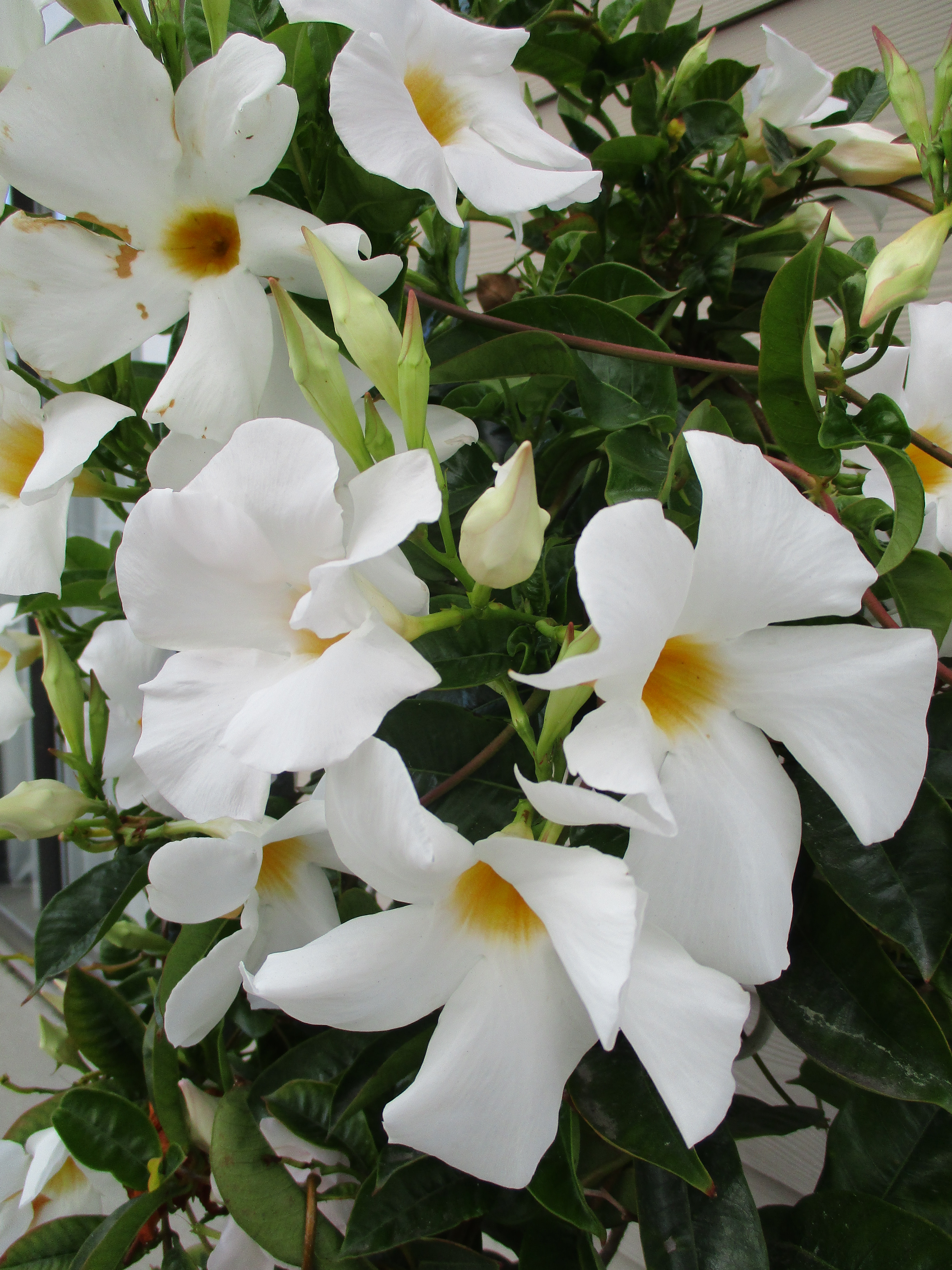 Pink, red or white are the only choices. There happens to be a darker shade of red. Yellow throats are more conspicuous in white flowers. Otherwise, there is not much variation of color amongst the various mandevillas. The flowers are very similar in both color and form to those of related oleander, but are larger. Some are as wide as three inches. Small flowers can have pointed petals.
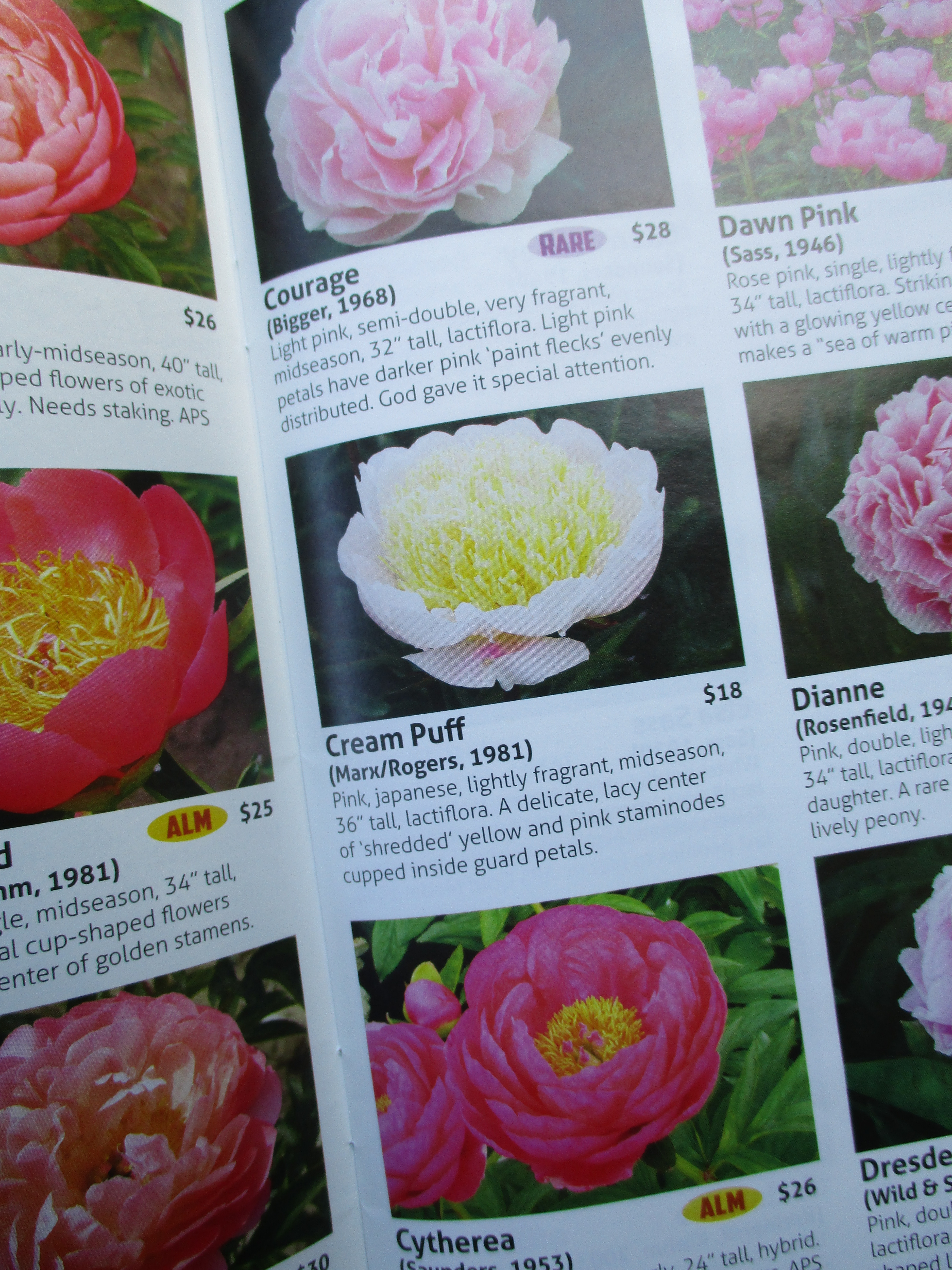 The temptation is unbearable. The catalog of Adelman Peony Gardens, either in print or at
 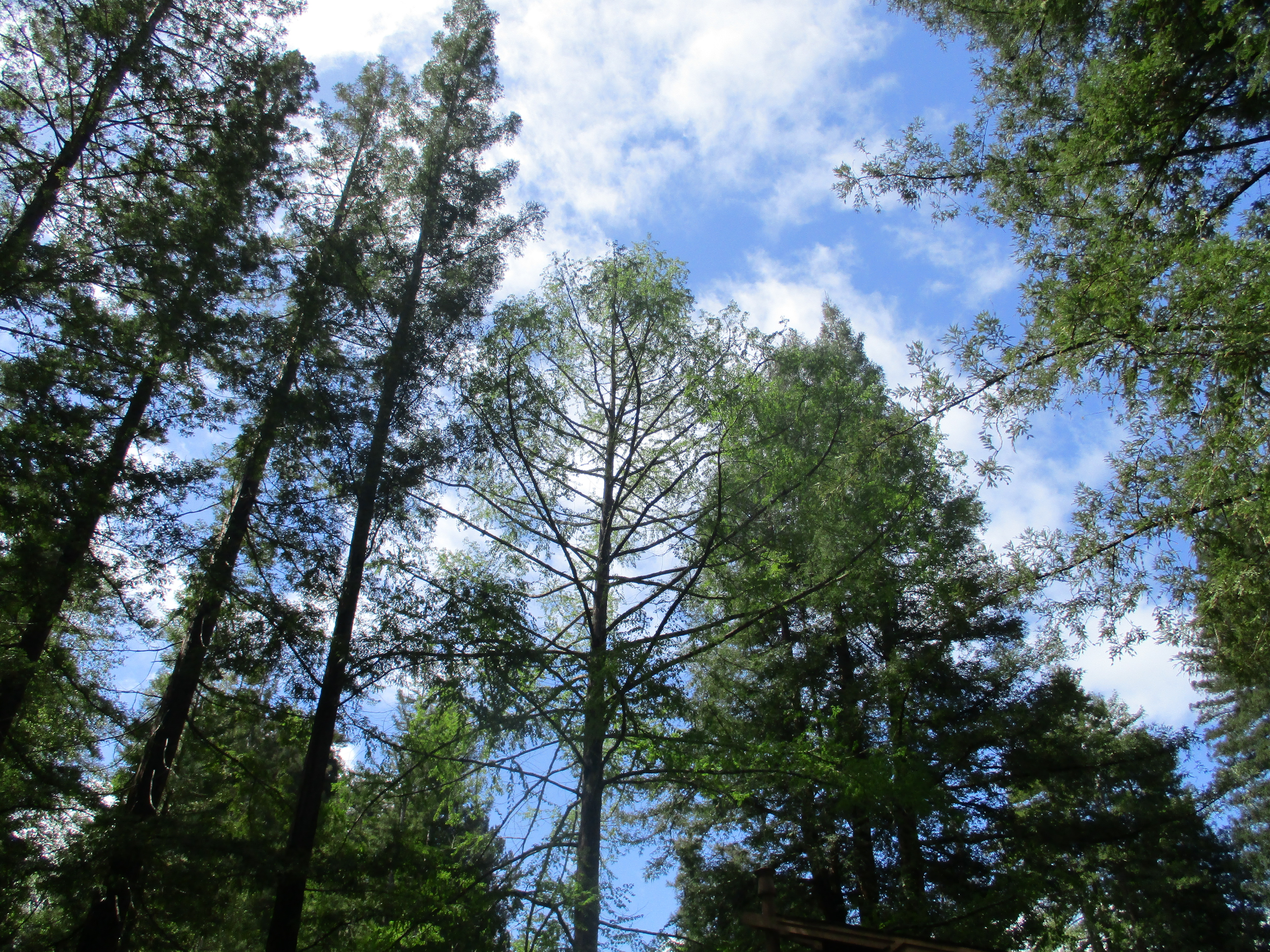 The easier name is ‘dawn redwood’. I just used the big and fancy Latin name because that is how landscape designers with something to prove say it. If the big name does not impress clients, an explanation of how rare it is, and that it is one of only a few deciduous conifers, will likely do the job. Even back when it was still a fad, I got the impression that was its main function; to impress clients.
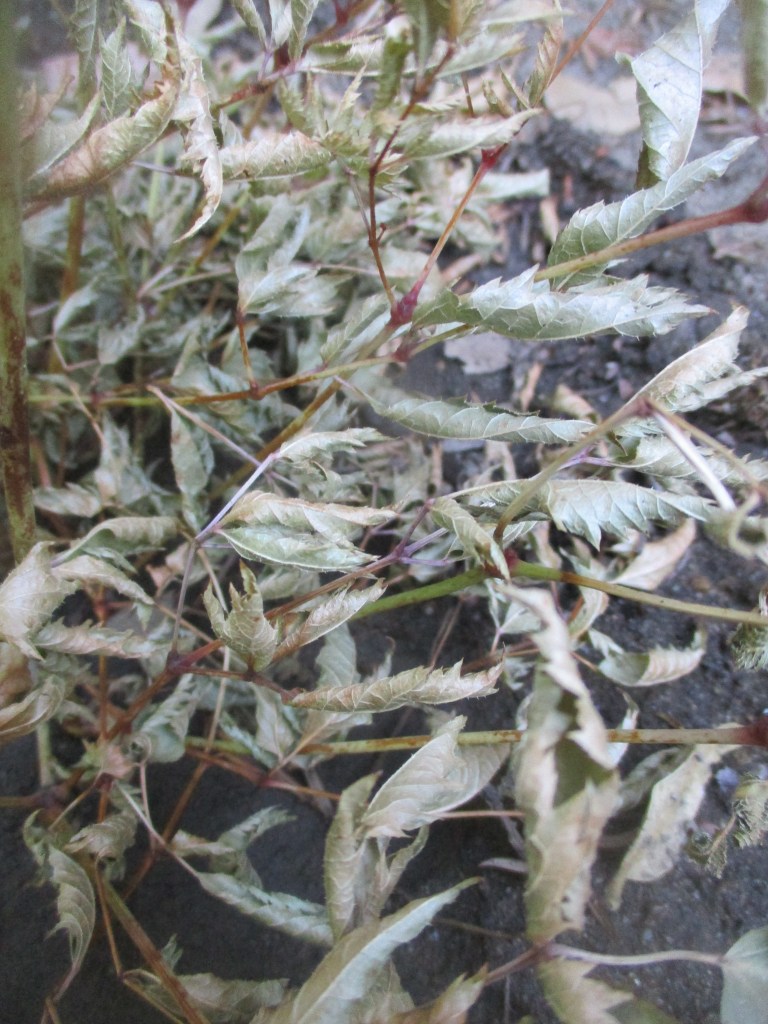
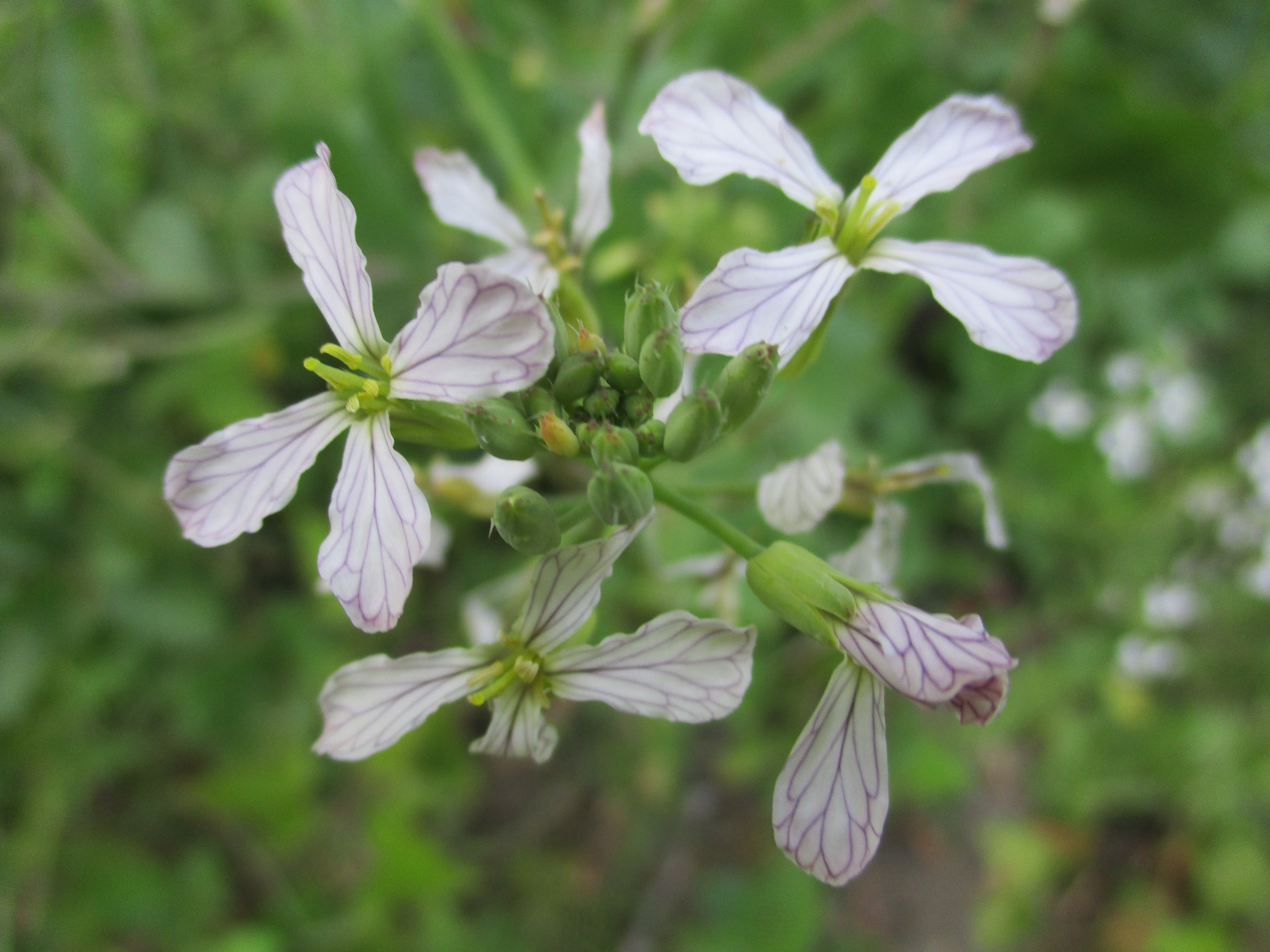 This is why I do not bother growing greens in the garden just yet. Wild radish grows here wild; and there is way too much of it. Most but not all of it gets mown in meadows or cut down with weed whackers on the edges of roadways. There is no need to cut down that which is out of the way. Besides, we could not cut it all even if we wanted to. There is wild turnip and mustard too. All are prolifically naturalized and invasive exotic species.
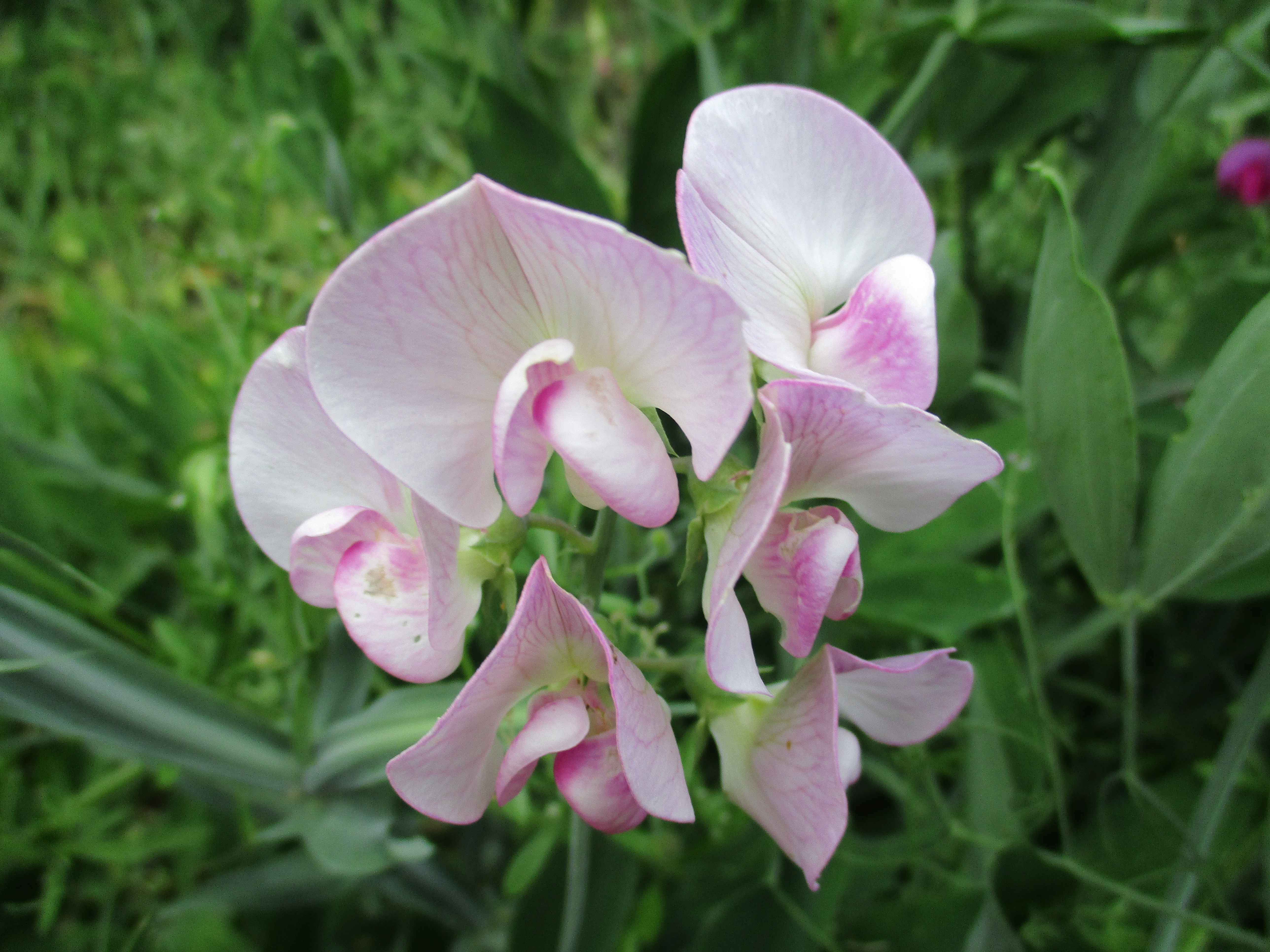 Generally, that is how they are. Almost all perennial pea flowers bloom with the same bright purplish pink color of the bloom in the picture below. That is, of course, before their pods develop, but you get the point. We sort of know what to expect from them.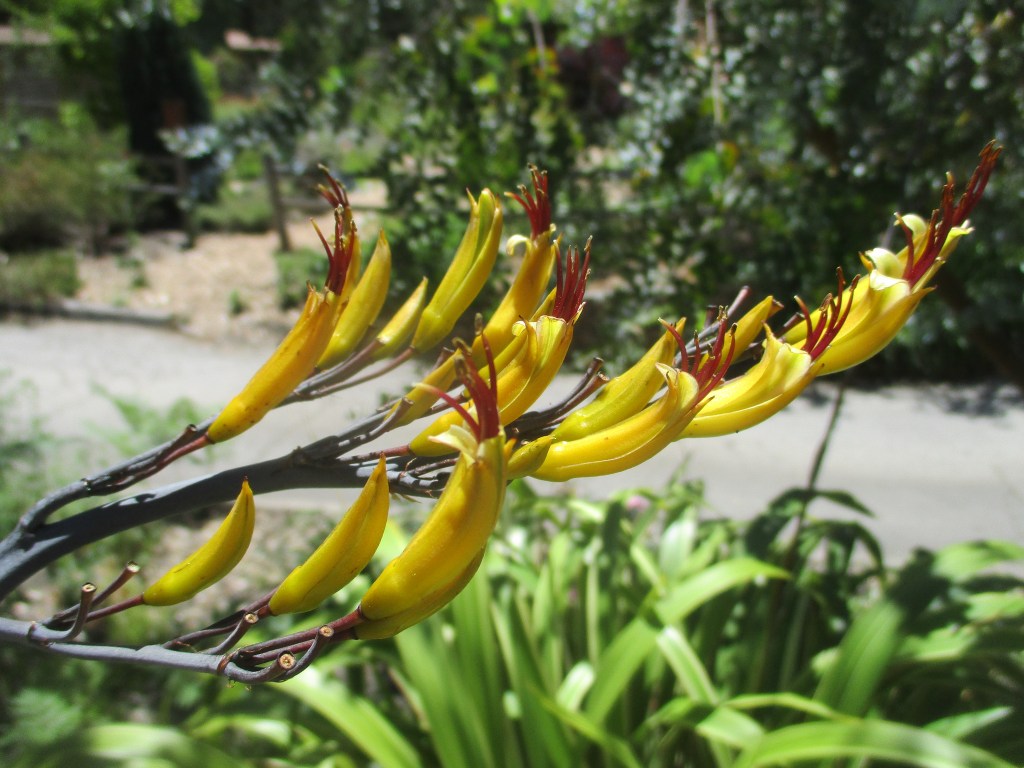


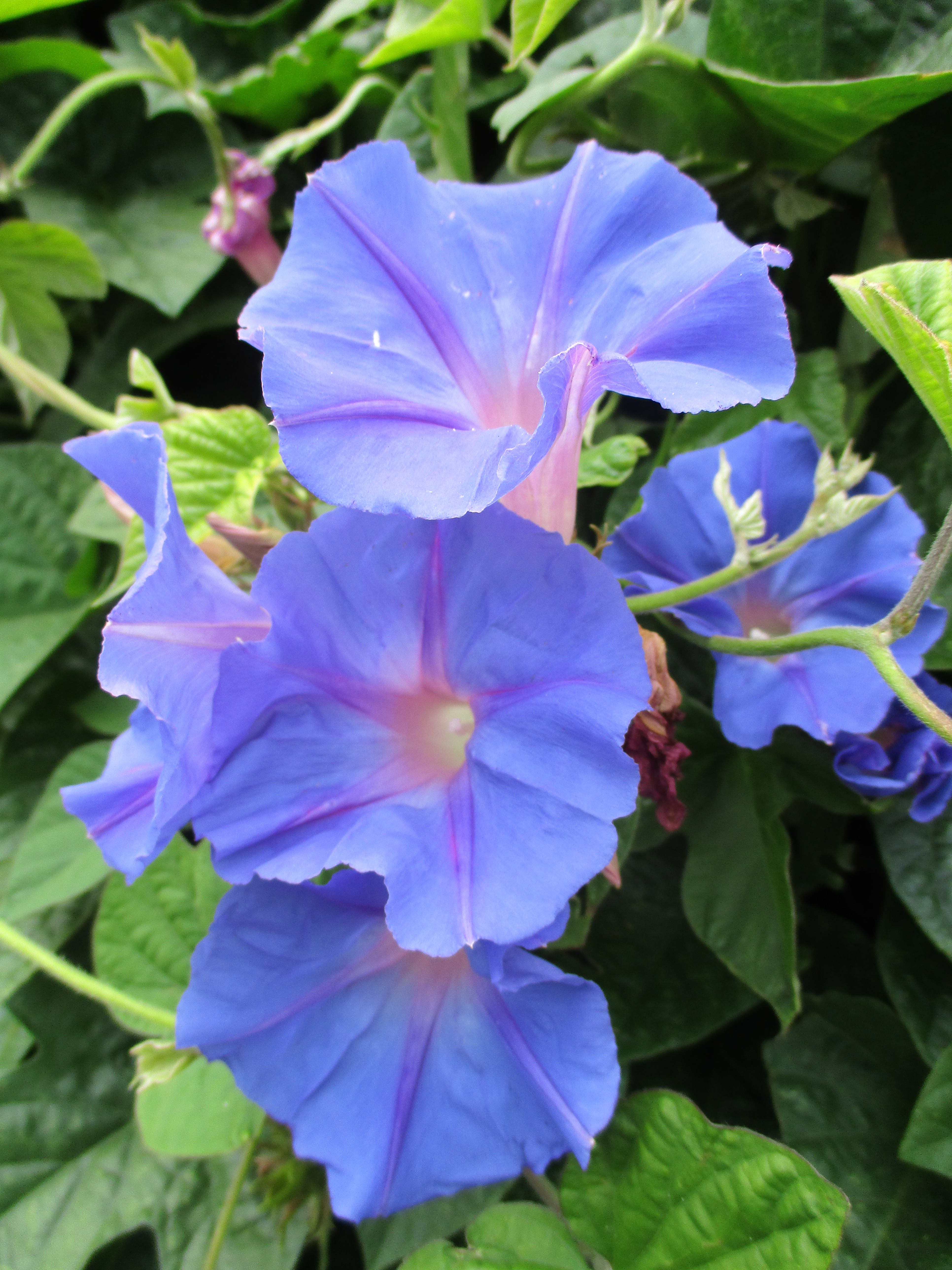 Even within its native range, blue dawn flower, Ipomoea indica, can be a problem. There are not many other plants in some coastal regions of Peru that can avoid getting overwhelmed by the aggressive wiry vines. These vines grow roots where they touch soil, so can spread indefinitely over the ground. Vines that succumb to frost over winter regenerate as if nothing ever happened.
 Tony Tomeo