Knucklehead

Crape myrtles are certainly not my favorite, but both their bloom and autumn foliar color are exquisitely colorful. Although pollarding enhances bloom and foliar color, it is not so appealing while visible through winter.

tonytomeo's avatarTony Tomeo

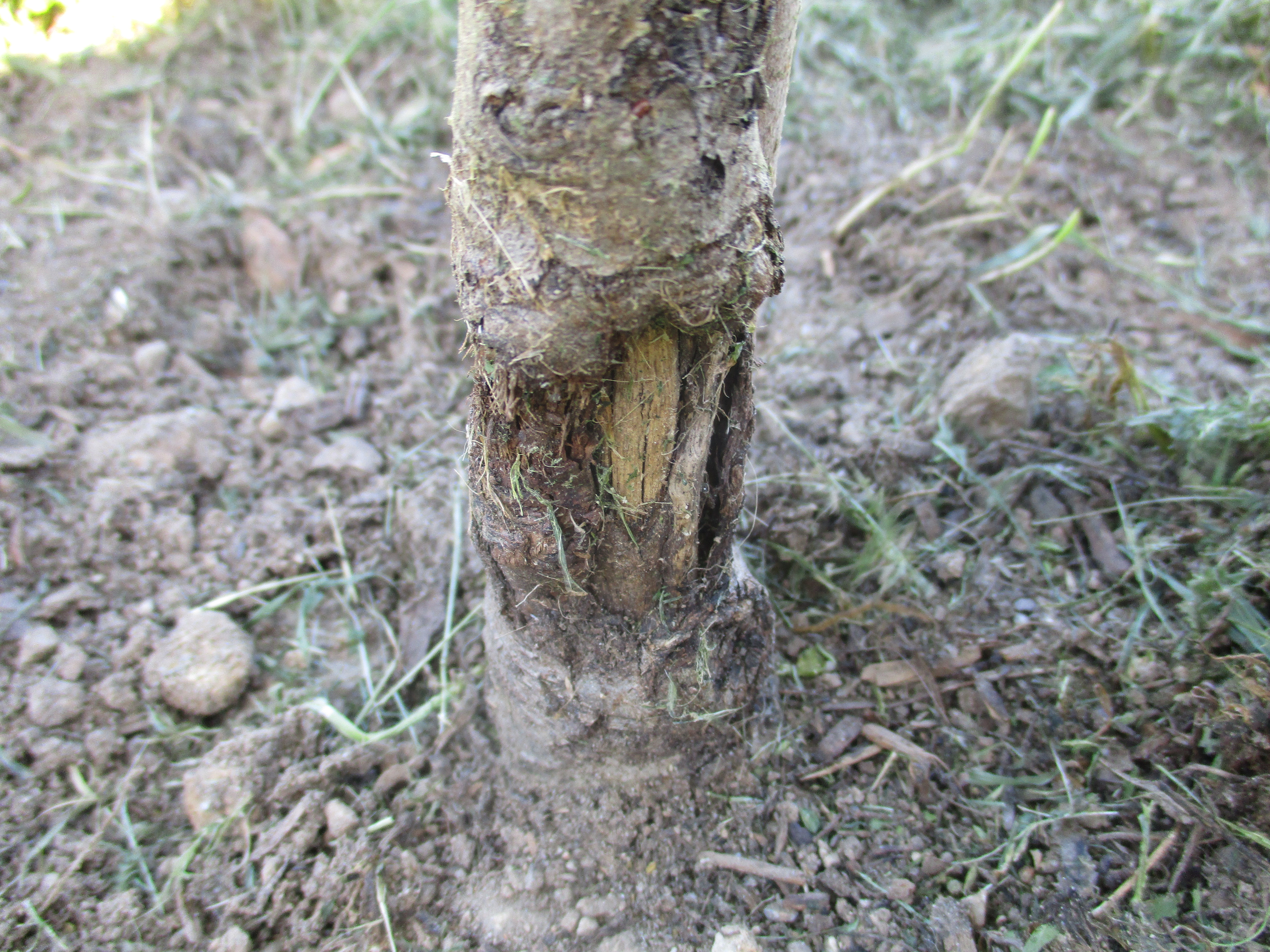
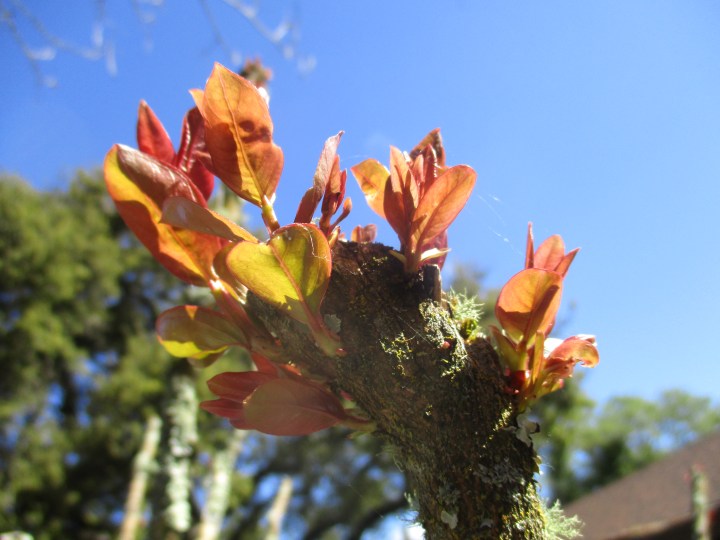
P90413KThis is the beginning of one of several new knuckles on a pollarded crape myrtle tree that was pollareded for the first time just this past winter. It was quite a mess of thicket growth that was too congested to bloom well. It is also located in a confined situation where it could not just be groomed, pruned up for clearance, and then just left to develop a larger canopy higher up. Pollarding will both contain it, as well as invigorate healthier growth.
New shoot growth now emerging from the ends of limbs that were pruned back last winter will elongate and eventually bloom through spring and summer. Next winter, after all the colorful autumn foliage has defoliated, the tree will get pruned back to these same knuckles to repeat the process. Stems will get cut back as neatly as possible, leaving no stubs, but such pruning causes knuckles to…

View original post 150 more words

Six on Saturday: Rhody’s Roady III – Oregon

Oregon, which is one of the most excellent states in America, was merely a drive through state with this trip. We spent our first night just south of the Southern Border of Oregon, and then spent our second night on the North Shore of the Columbia River, which is the Northern Border of Oregon. I really should have planned to spend more time in Oregon, particularly between Portland and Astoria. Well, I also should have stayed longer within the regions of Ilwaco. Anyway, our return trip was just as efficient, within only two days. We stopped at many of the rest stops on Highway 5 though.

1. What is this? I saw it at various places north of California. I do not remember where I first encountered it. It may have been just across the border, in the Siskiyou Mountains.

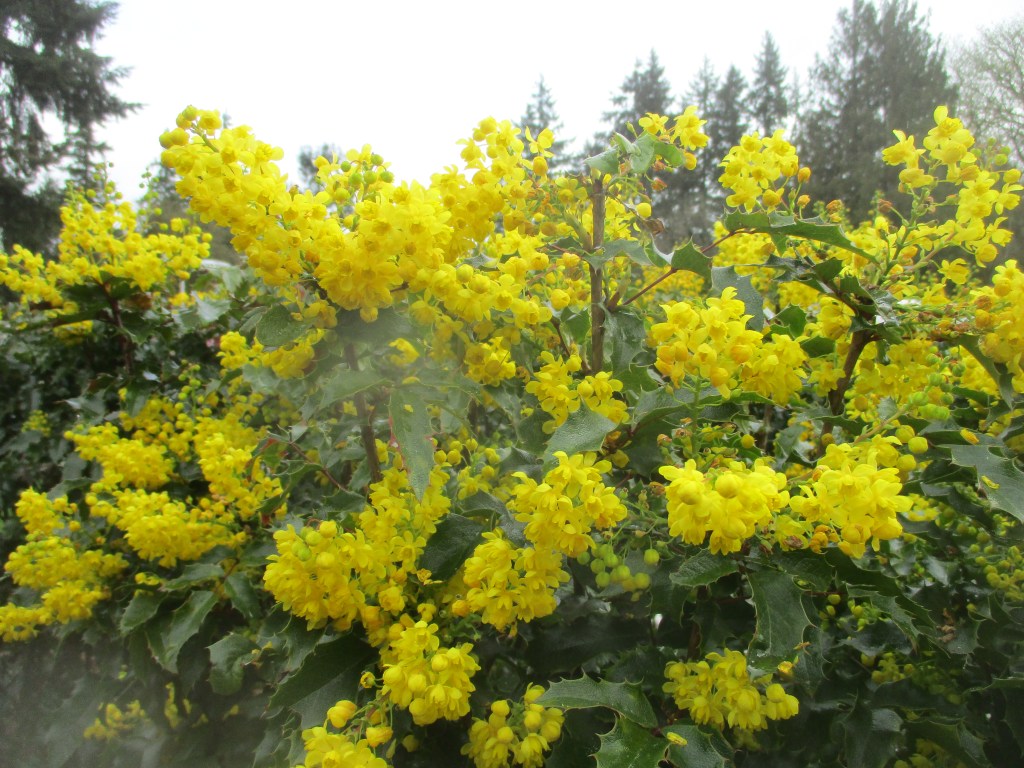
2. Oregon grape is nothing special at home. It gets shabby and only blooms sporadically. I wondered why that grumpy wannabe nandina is the Oregon State Flower. This is why.

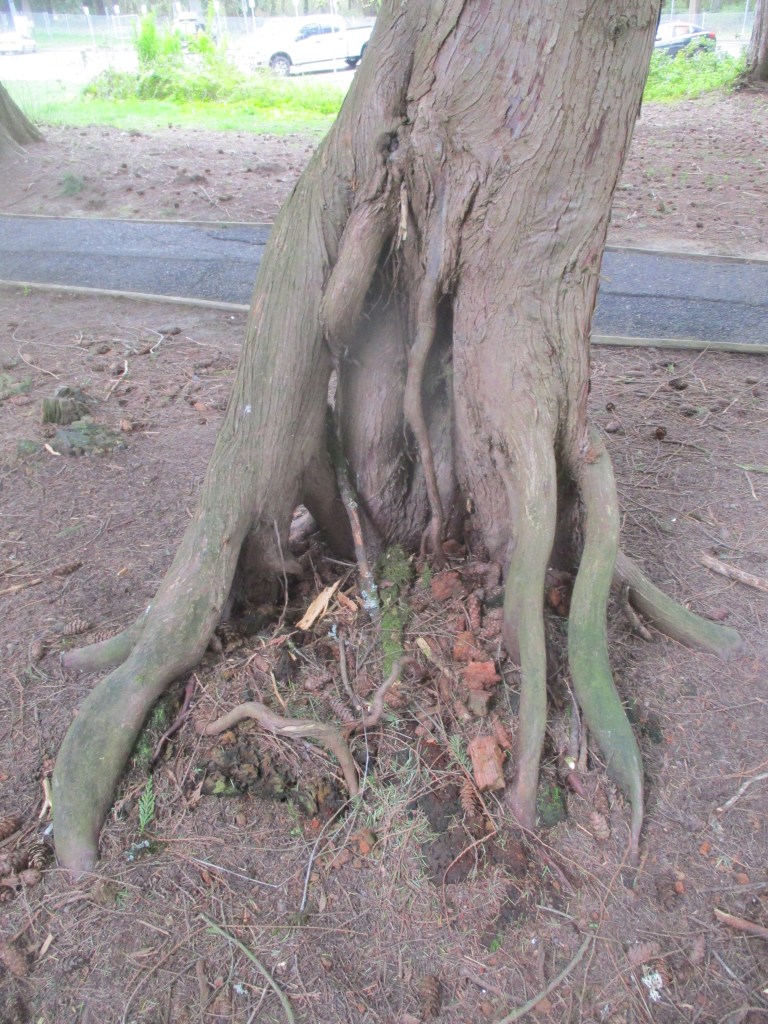
3. Western red cedar grew on top of a tree stump and dispersed its roots mostly between the decaying wood and bark, so now stands on its roots above decayed bits of the stump.

4. Grove of the States; what a splendid idea! However, a few State Trees do not live here, so required substitution. Furthermore, many were replaced with random or wrong trees.

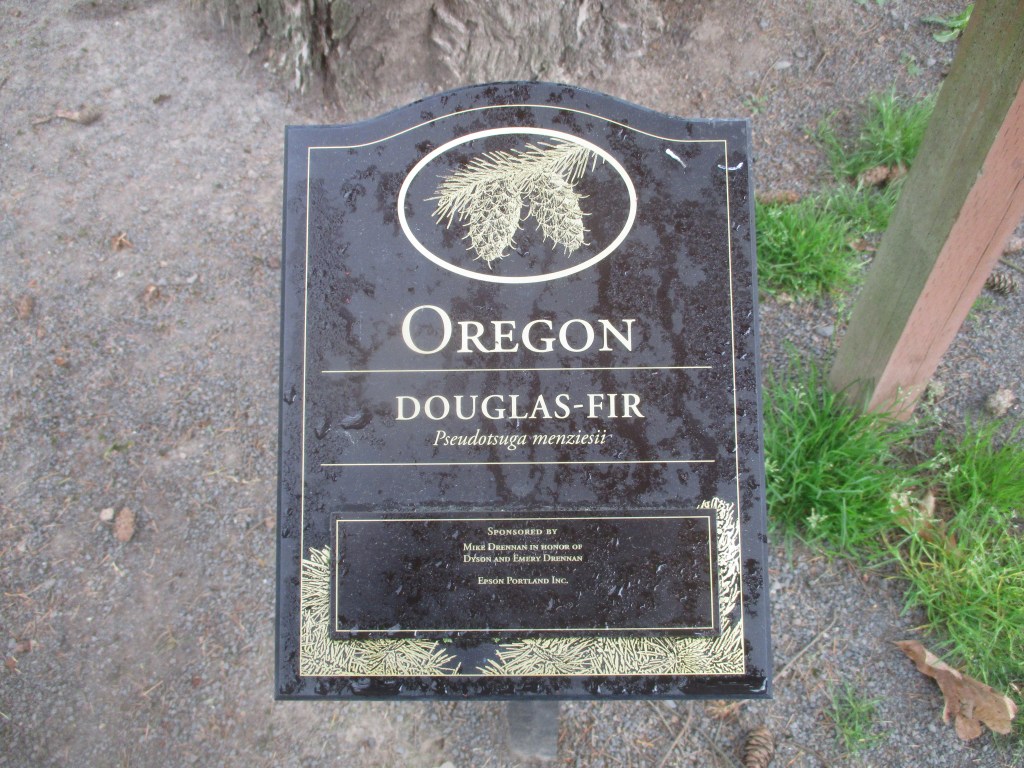
5. Douglas fir, which is the Oregon State Tree, grows wild locally, so the specimen within the Grove of the States is exemplary. It is not visible in this picture of its plaque though.

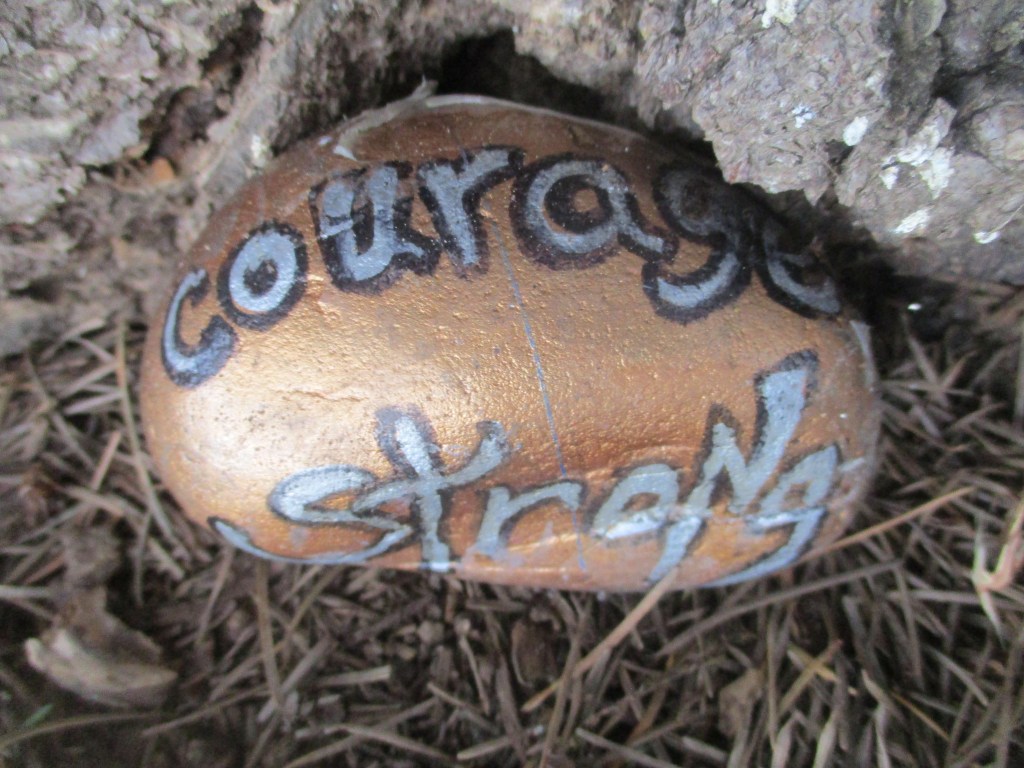
6. Rocks are still a ‘thing’. This one was at the base of a tree that I believe to be a mature Oregon white oak. Goodness; we stopped so much that I do not remember where this is.

This is the link for Six on Saturday, for anyone else who would like to participate: https://thepropagatorblog.wordpress.com/2017/09/18/six-on-saturday-a-participant-guide/

American Dogwood

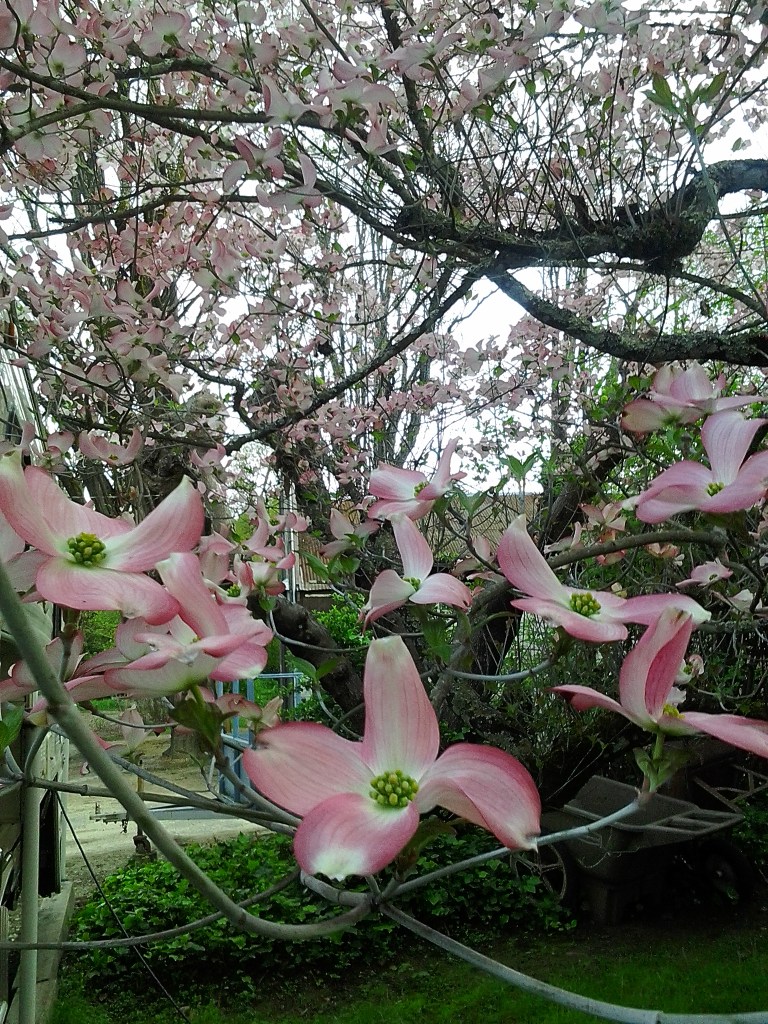
Before foliage develops, this American dogwood is a cloud of profuse pink bloom in a partly shaded and sheltered garden.

The state tree of Missouri produces the state flower of North Carolina, which are both the state tree and state flower of Virginia, but no so exploited by the state that it seems to be named for! The American dogwood, Cornus florida, is such a classic American tree that last year, young trees were given to Japan to commemorate the gift of Japanese flowering cherry trees from Japan a century earlier.

Profuse early spring bloom is not what it seems to be. Tight clusters of minute flowers would not be much to look at, but are surrounded by four big white bracts (modified leaves) that really put on an impressive show before green leaves develop. Many modern varieties have pink or nearly brick red bracts, and a few get variegated foliage as bloom dissipates. Foliage can get quite colorful just before it falls in autumn.

In the wild, American dogwoods are ‘understory’ trees that are happiest in forests of larger trees that shelter them from harsh sun exposure and drying wind. In relatively arid western climates, they want rich soil, regular watering and partial shade at least after noon. They are sensitive to reflected glare and wind, as well as alkalinity and salinity. (Too much fertilizer will roast the foliage.) Since American dogwood trees rarely get more than fifteen feet tall in cultivation, they are proportionate to sheltered atriums. Wild trees do not get much taller than thirty feet.

Give Plants What They Want

Flowering crabapples are generally reliable for profuse bloom, but some varieties might perform and grow better where winters are cooler.

Dogwoods are certainly pretty as they bloom this time of year. They are rare, but seen often enough in nurseries to make one wonder why they are even more scarce in local gardens. Those that got sold in previous years should now be prominent features around town. The problem is that because they are not happy in local climates, dogwoods become dogwon’ts. They won’t bloom. They won’t provide good fall color. Many won’t even grow. Dogwoods prefer more humidity, so in local gardens, want to be sheltered from full sun exposure and drying wind by larger trees or buildings.

Nurseries generally stock plants that are appropriate for local climates. A few nurseries also have a few plants that would rather be somewhere else, but can be grown with certain accommodations. Reputable retail nurseries are generally careful to divulge which plants need more attention, and what their requirements are. However, many of the big garden centers in home improvement stores are more interested in selling what they can rather than selling what is actually appropriate, particularly since they thrive on turnover and replacing plants that do not survive.

Not all plants are as easy to grow as junipers and oleanders are. Japanese maples and rhododendrons like at least some degree of shelter from direct sun exposure and dry heat; but the California fan palm thrives in wicked heat. Plumerias and coleus can be damaged by even slight frost; but many apples and pears want more frost. Spruces like even moisture; but many yuccas rot without enough dry time.

This is why it is important to know how to accommodate plants that may be less than ideal for local climates. Those of us who choose to grow plants that have special needs should at least give them what they want if we expect them to perform as we want them to.

Horridculture – Weed Eaters

Fortunately, this little tree is quite happy now, and those who operate weed eaters where it lives are instructed to not damage desirable plant material.

tonytomeo's avatarTony Tomeo

P90410The most destructive tools that so-called ‘gardeners’ have access to are hedge shears. They use them on just about anything within their reach. If a tree is not beyond their reach, they are likely to shear it into a nondescript glob of a shrub, complete with lodgepole stakes and straps that never get removed. Yet, in all their enthusiasm, they will not properly shear hedges that are actually intended to be shorn. Well, I have ranted on that enough.
The second most destructive tools that so-called ‘gardeners’ have access to are weed eaters, which are also known as weed whackers or edgers. Although not actually related to real edgers, they are known as such just because they are so commonly used for the same purpose. Weed eaters are designed to cut weeds indiscriminately, and are quite efficient at doing so. The problem is that they cut or try to cut…

View original post 280 more words

Hyacinth

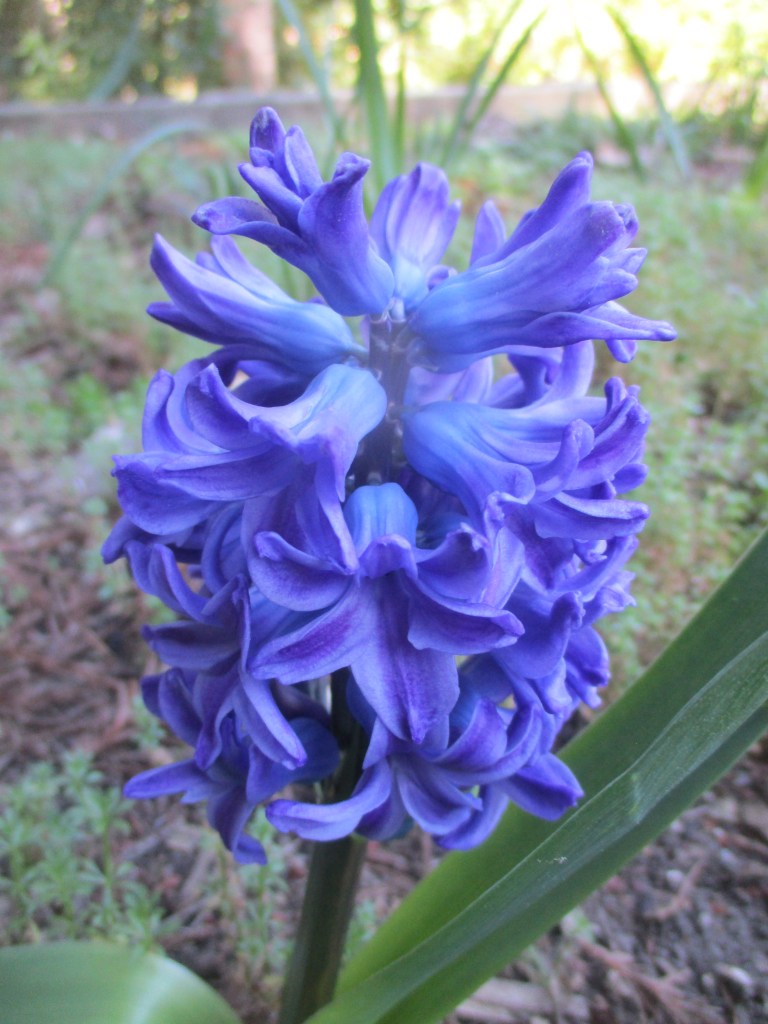
Hyacinth is both colorful and fragrant.

The most fragrant of flowers generally lack color. The most colorful of flowers generally lack fragrance. Most flowers employ either fragrance or color to attract pollinators, but not both. Hyacinth is an exception that is as colorful as it is fragrant. Bloom can be rich hues and tints of most colors except for green. The captivating fragrance is sweet and intense. 

Hyacinth are spring bulbs that are now finishing bloom, but are ready for planting during autumn. They require a bit of chill through winter, so must be dug and refrigerated for two months or so while dormant in milder climates. Dormant bulbs are plump and round, like small but toxic onions. They appreciate rich soil, regular irrigation, and a sunny situation. 

Bulbs generate only a few strap shaped and somewhat rubbery leaves during late winter prior to early spring bloom. These leaves resemble lily of the Nile leaves, but stay rather short, and may not flop. Hyacinth blooms with one or two short, stout and neatly cylindric trusses of several small flowers. Foliage lingers for only two or three months after bloom. Bulbs may not be reliably perennial.

Deadhead Spring Bulbs After Bloom

Most spring bulbs are done blooming.

Fruiting warm season vegetables that are now in season, such as squash, tomatoes and beans, are more abundant with regular harvest. Plants that produce such fruit respond to their natural obligation to generate seed. Deprivation of the fruit that contains their seed stimulates production of more. Similarly, it is helpful to deadhead some flowering plants.

Deadhead grooming is a type of pruning, even if it does not involve pruning shears. It is, in simple terms, the removal of deteriorating flowers after bloom. For some plants, it only improves aesthetic appeal. For many others, it redirects resources from seed production into subsequent bloom, or vegetative growth that eventually sustains subsequent bloom. 

Now that early spring bulbs are finishing bloom, it is time to deadhead them. Most bloom just once annually, so without the distraction of seed production, will prioritize vegetative growth into new bulbs to bloom for next year. Many of the summer bulbs that bloom later bloom more than once annually, so divert conserved resources into subsequent blooms.

However, many cultivars of spring bulbs are too extensively hybridized to produce viable seed. For them, deadhead grooming merely eliminates unappealingly deteriorated floral carcasses, while their foliage continues to sustain the development of new bulbs for next year. The foliage of most deteriorates slowly through warming spring or summer weather. 

Some extensively hybridized modern cultivars are not sterile though. Some can produce feral progeny that are less appealing than the hybrid parents, but are vigorous enough to displace them. Deadhead grooming eliminates most or all of the unwanted feral seed. Of course, for wild grape hyacinth and snowdrop, seed can be left to develop and disperse.

Established colonies of feral freesias can be allowed to make seed for more of the same. However, hybrid freesia benefits from deadhead grooming to eliminate feral seed. Dutch iris, narcissus, daffodil, tulip, hyacinth and lily can also benefit from deadhead grooming, for a variety of reasons. Some are sterile. Some are not. Some get shabby. Some do not.

The Overlooked Trillium

These are more impressive in the Pacific Northwest. I saw some exquisite specimens in Ilwaco.

tonytomeo's avatarTony Tomeo

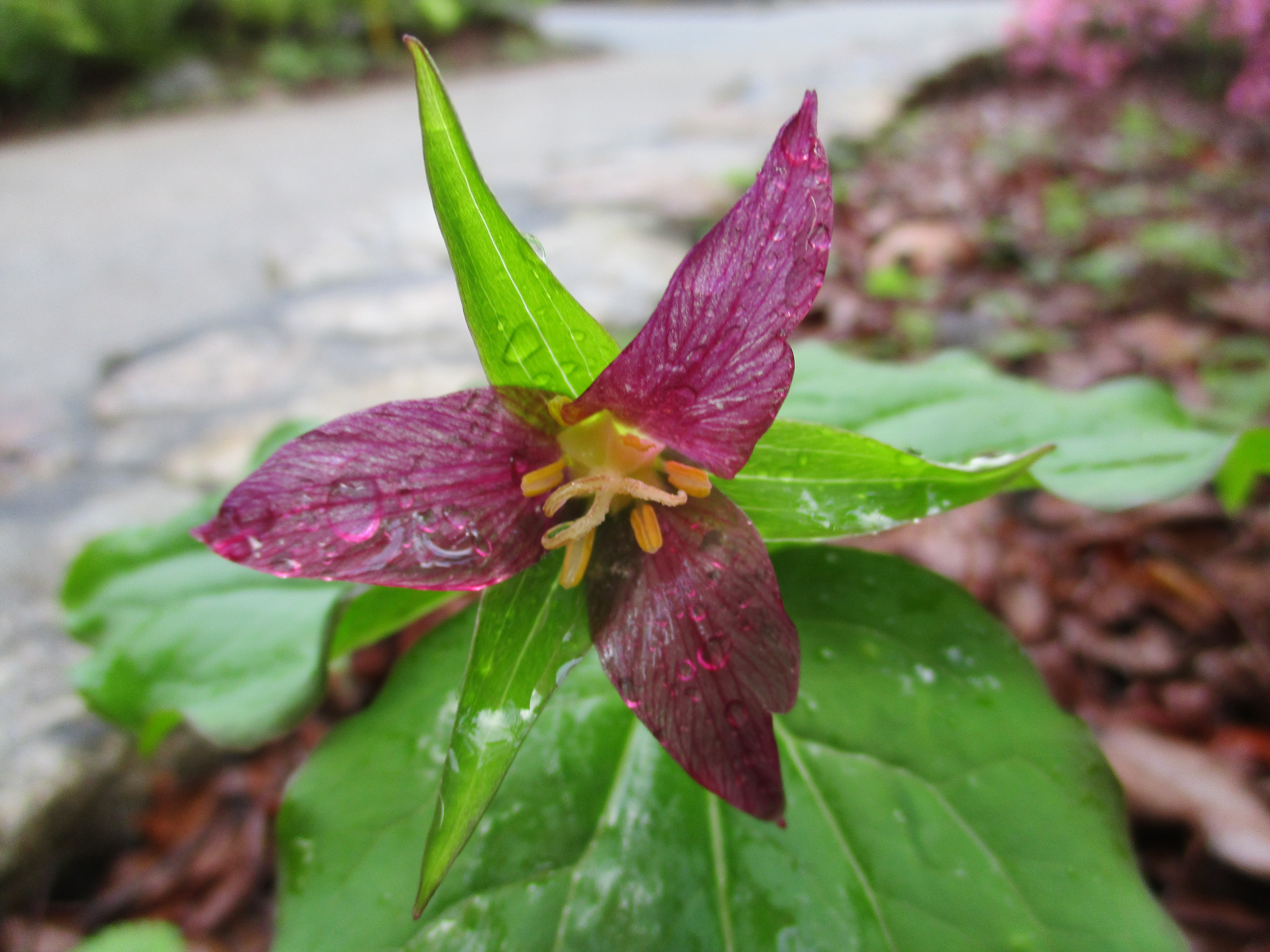
P90407Other species must be more interesting than what is native here. There are supposedly as many species of Trillium as there are of Yucca; forty-nine. All but ten are native to North America. The others are in eastern Asia. They are desirable and respected perennials to those who are familiar with them. White trillium is the official wildflower of Ohio, as well as the official floral emblem of Ontario. Ours would not likely qualify for such status.

The few around here appear only briefly about this time of year, and bloom with these small purplish burgundy flowers. They are only a few inches high, so are easy to miss. By the time they get noticed they are finished with their bloom. Their foliage lasts only until the weather starts to get warm in late spring or early summer. During their brief season, they somehow manage to store enough resources…

View original post 153 more words

Charles Grimaldi Brugmansia (not a bio)

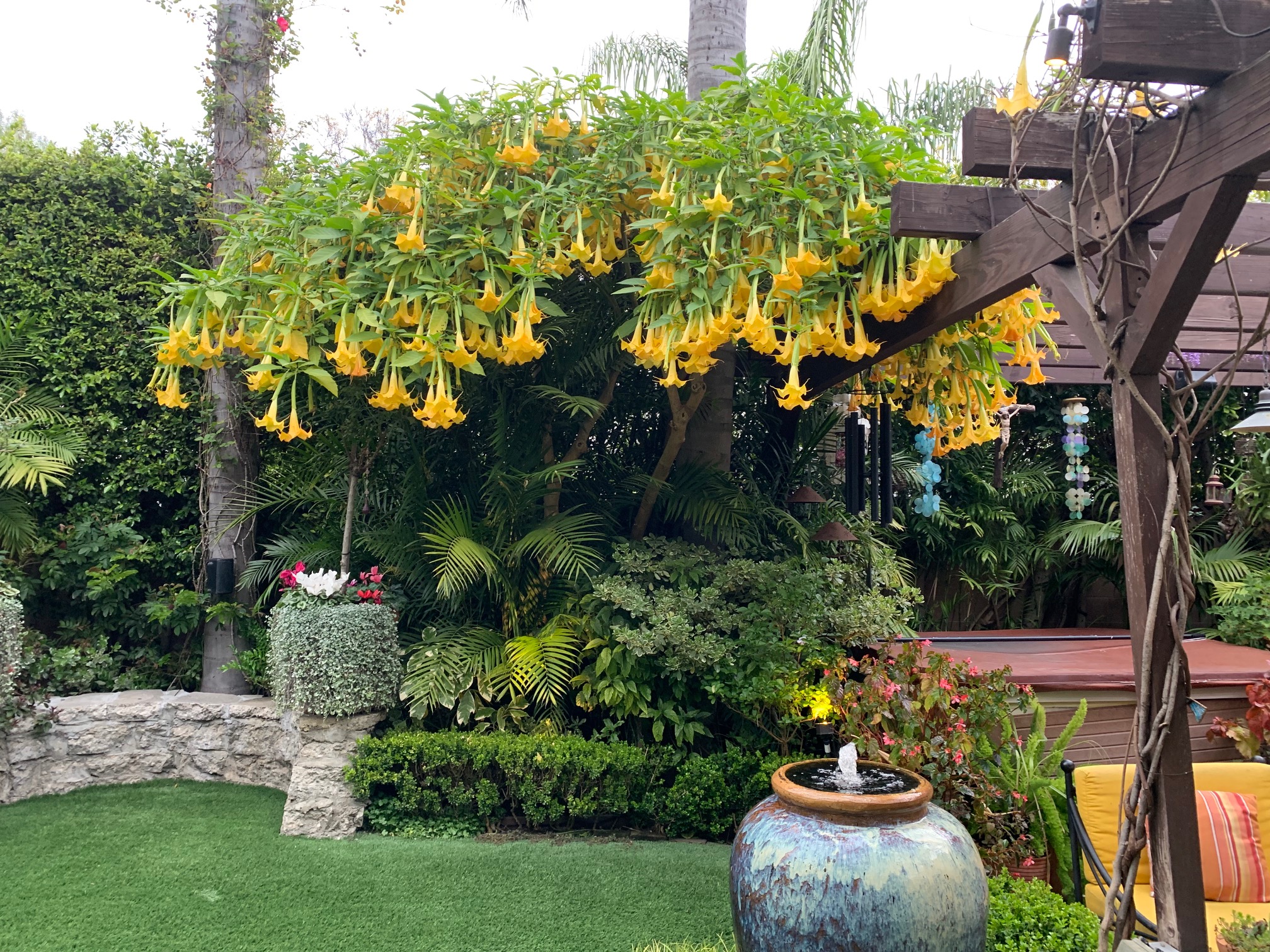
Everyone seems to like this huge perennial in Brent’s garden.

tonytomeo's avatarTony Tomeo

P90406KKWhen spelled like that, the whole thing looks like someone’s long name. ‘Charles Grimaldi’ really is someone’s name, and the particular cultivar of brugmansia happens to be named after him. Because no one knows who the parents of this hybrid cultivar are, the species name is omitted. It is therefore described by just the genus name followed by the cultivar name, as Brugmansia ‘Charles Grimaldi’; or simply ‘Charles Grimaldi brugmansia’.

After all that, some of us know it, as well as all other cultivars, even more simply as ‘angel’s trumpet’. They are more likely to be distinguished by floral color and form than by cultivar name. For example, Brugmansia ‘Charles Grimaldi’ might be described as a single yellow angel’s trumpet. There is also a single white, a double white, a single pink, a single pink with variegated foliage, and so on. Most are fragrant at least to some degree.

This…

View original post 150 more words
Six on Saturday: Rhody’s Roady II – Washington (the State)

Our vacation continued from Ilwaco, where I took both pictures #1 and #2, to Silverdale and Poulsbo, all within Washington. The Tomeo Residence, where I got pictures #5 and #6, is in Silverdale. The farm, where I got pictures #3 and #4, is near Poulsbo. For most of my vacation, I did exactly what I wanted to do. I pruned a few apple trees that were in need of major structure pruning. I wanted to do more, but got distracted. (That is a long story.) Apples were about to bloom.

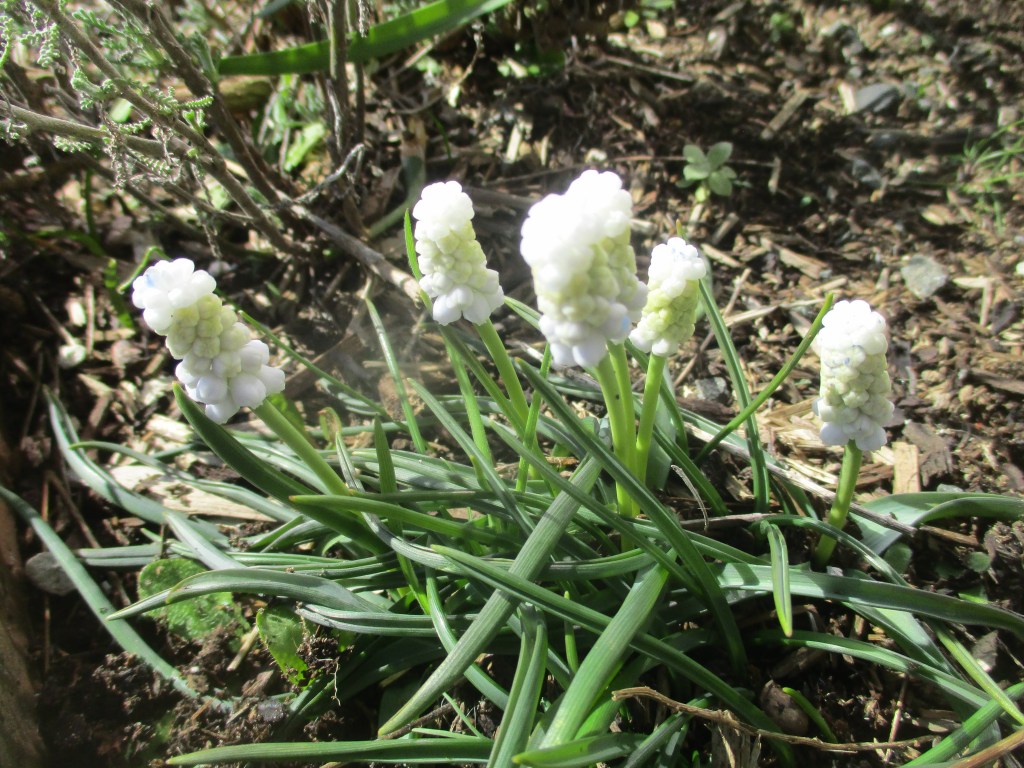
1. White grape hyacinth could be my favorite of the many goodies I received from Tangly Cottage Gardening. I try not to choose favorites, but I wanted this for a long time, and it came directly from the planter beds at the Port of Ilwaco! They are approved by Skooter!

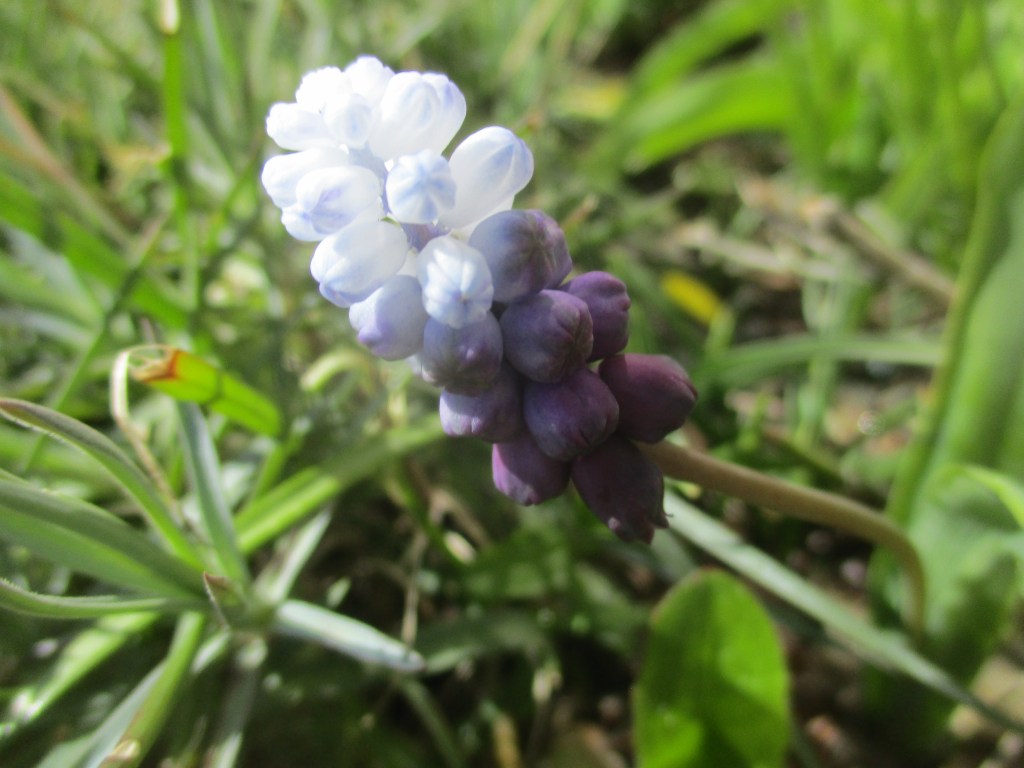
2. ‘Golden Fragrance’ grape hyacinth was blooming in the same bed with the white grape hyacinth. I thought I got a picture. This could be Muscari paradoxum, but I do not know. 

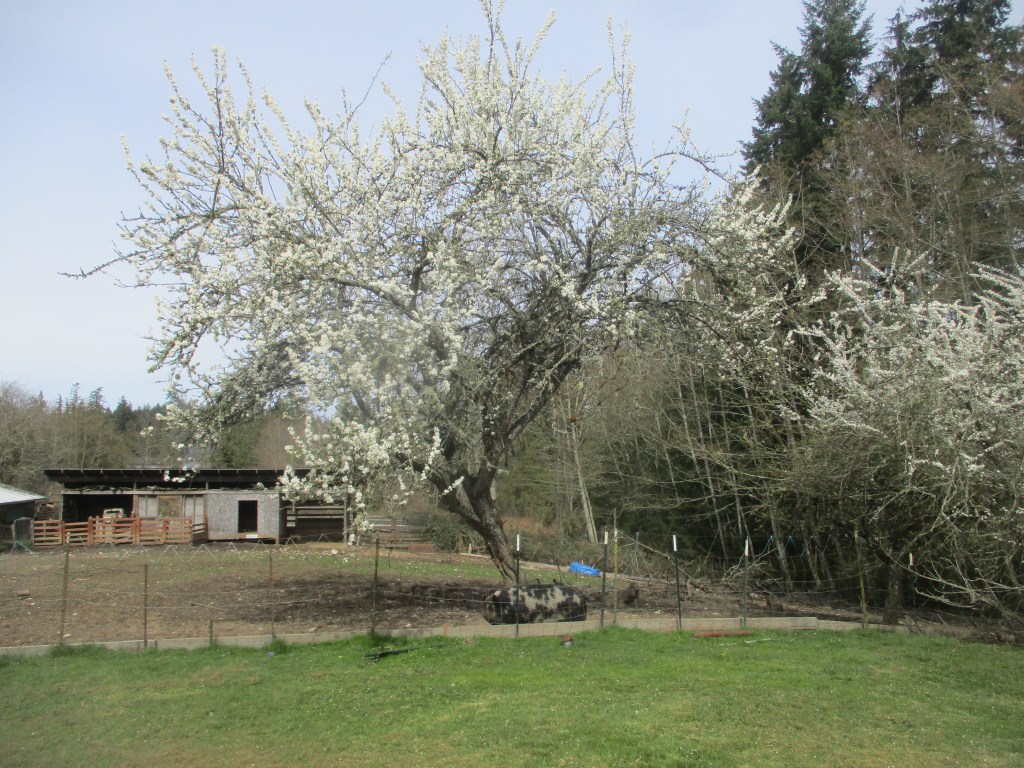
3. Pluot was still in early bloom when we arrived in Kitsap County. I dislike pluots, but it might substitute for apricot, which is unreliable in the local climate. Peach is absent too.

4. Apple trees were barely beginning to bloom. It was technically too late to prune them, but I did anyway. They have been neglected for too long. I finished less than half though.

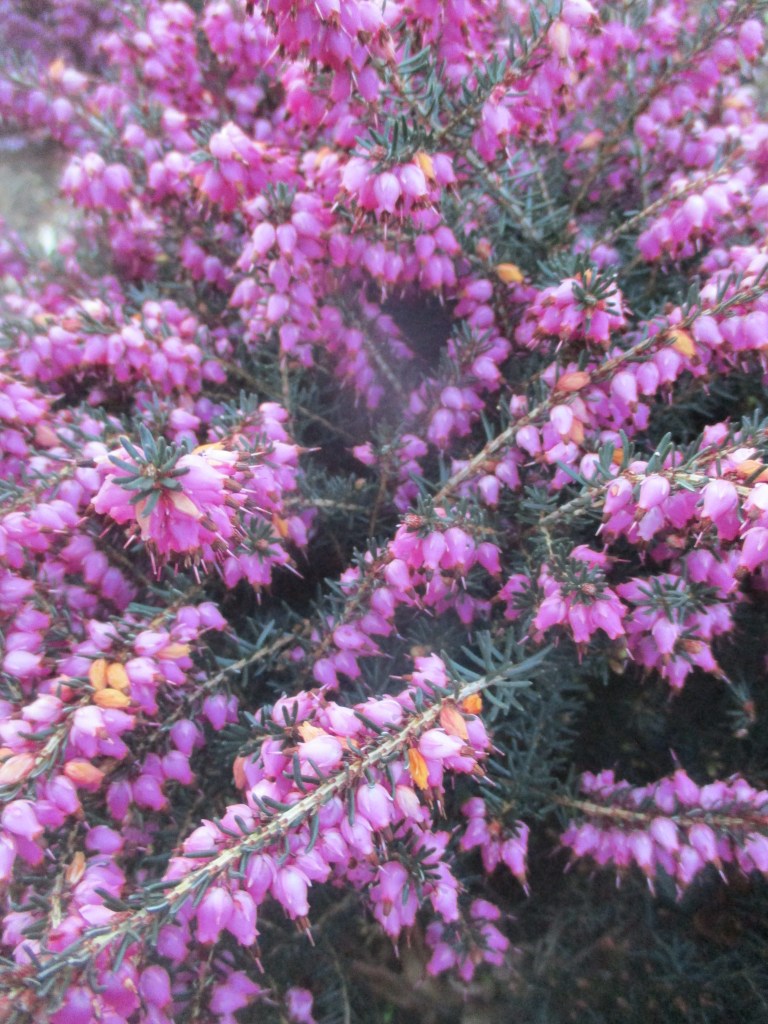
5. Heather was blooming quite colorfully. It seems to be about as popular there as lily of the Nile is here, likely because it performs so reliably. It was strange to see so much of it.

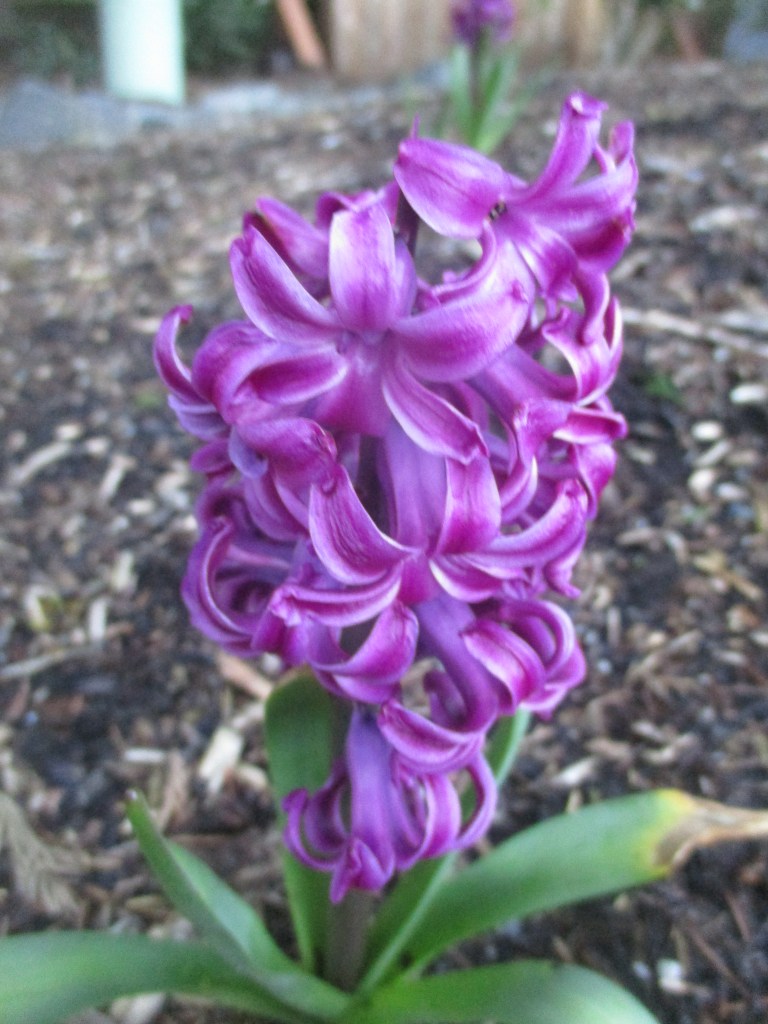
6. Hyacinth and many other early spring flowers were still blooming splendidly. I should have gotten a better picture of a colony of hyacinth, but wanted to get a close up picture.

This is the link for Six on Saturday, for anyone else who would like to participate: https://thepropagatorblog.wordpress.com/2017/09/18/six-on-saturday-a-participant-guide/