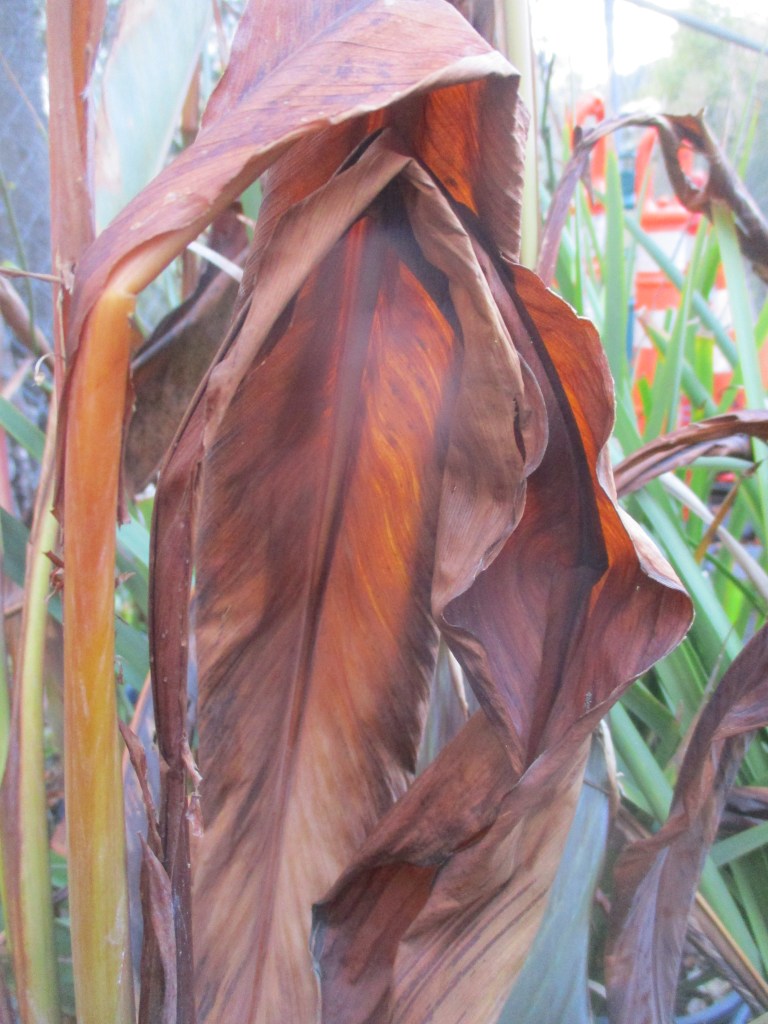
Weather is variable everywhere. Climates and seasons are imprecisely regulating. They merely define predictable ranges of the elements of weather, such as temperature, wind, humidity, precipitation and cloudiness. As unusual as weather sometimes seems to be, it generally conforms. Winter weather is mild here, but sometimes leave vegetation frosted.
Frost was sneaky this winter, by occurring during nights between pleasantly warm days. All elements of the weather were within ranges that are normal for local climate, but their chronology was deceptive. Frost seemed unlikely after such springlike daytime weather. Some foliage was frosted only because protection from frost seemed to be unnecessary.
Frost is now unlikely for most local climates so late in the season. Only climates that are at significant elevation or significantly inland might still experience frost. Coastal and low elevation climates are generally past their last frost dates. Some climates experience no frost at all. Except for within the coolest situations, no more vegetation should be frosted.
Therefore, it is generally safe to prune and groom away unsightly frosted vegetation. It is no longer helpful to insulate undamaged vegetation below. Any new growth that pruning of this nature may stimulate or expose should be safe from frost. Within climates that lack frost, vegetation that gets shabby from chill might also appreciate pruning and grooming.
Pruning and grooming of frosted vegetation can be challenging. Many frosted plants are already actively growing in response to warmer weather. Their new growth mingles with their damaged growth that must be removed. Efficient separation of the two requires a bit of effort and persistence. Fresh and tender new growth is innately vulnerable to damage.
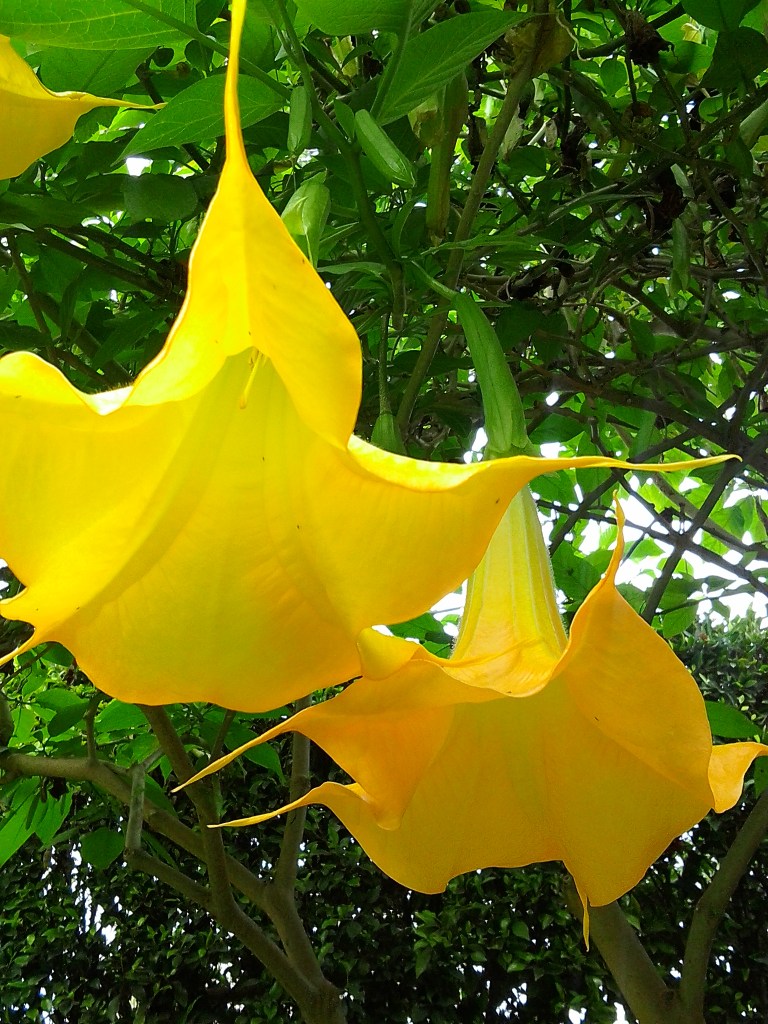
For example, small new shoots of angel’s trumpet break away very easily if bulky frosted stems fall onto or through them in the process of removal. New shoots of several types of canna emerge from the soil among old shoots while it is too early to cut the old shoots to the ground. Grooming is easier where it can happen earlier, or for cannas that grow later.

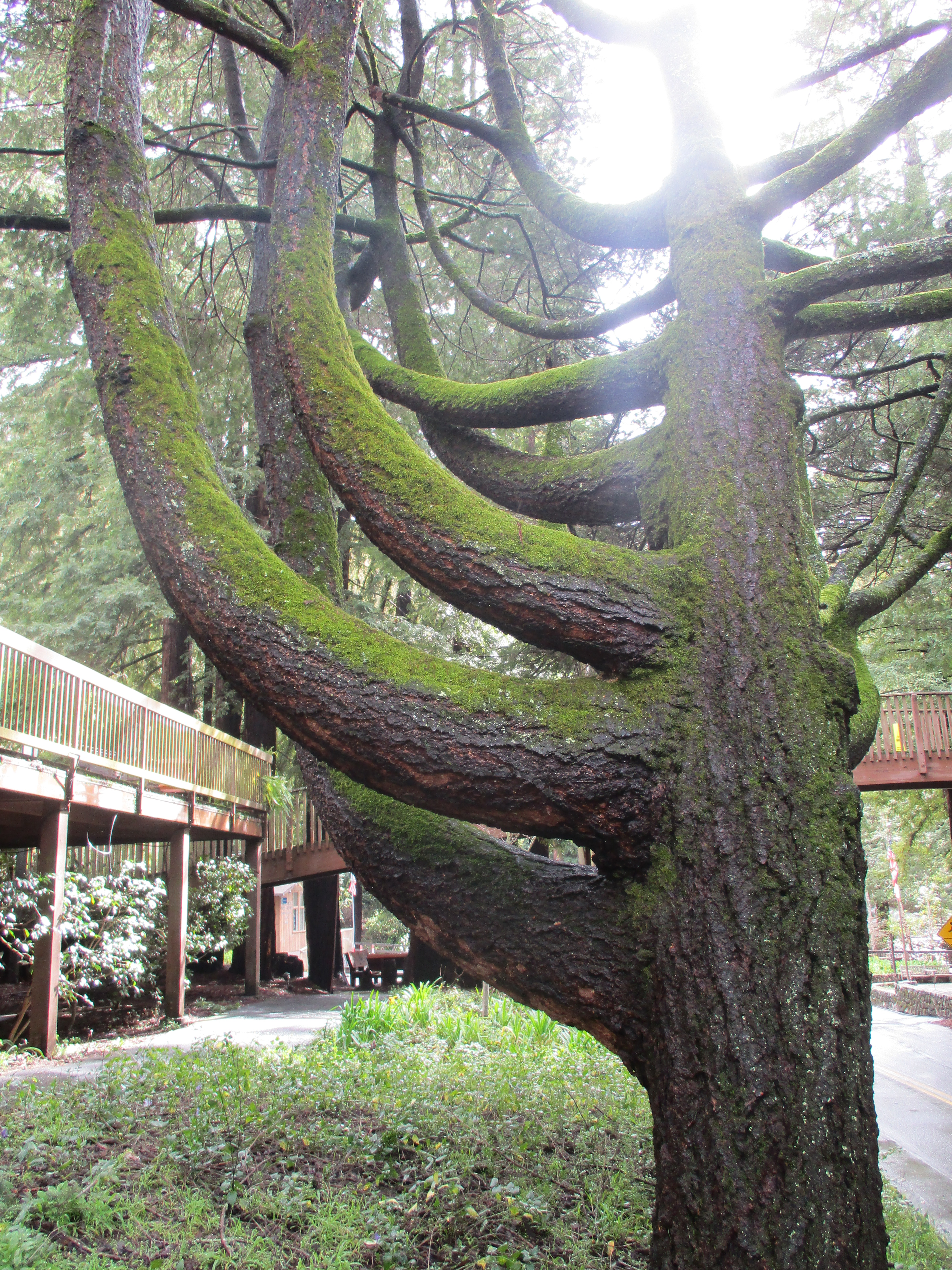 This is no common Douglas fir. It is the ‘Davey Tree’, named after the tree service that so diligently prunes it for clearance from the utility cables above. Yes, I can see as easily as you can how disfigured it is. The plan is to cut it down before it falls apart. At least that is the excuse for cutting it down. It is relatively short an stout, so is likely quite able to support its own weight, regardless of this disfigurement. We really just want it gone because it is so unsightly.
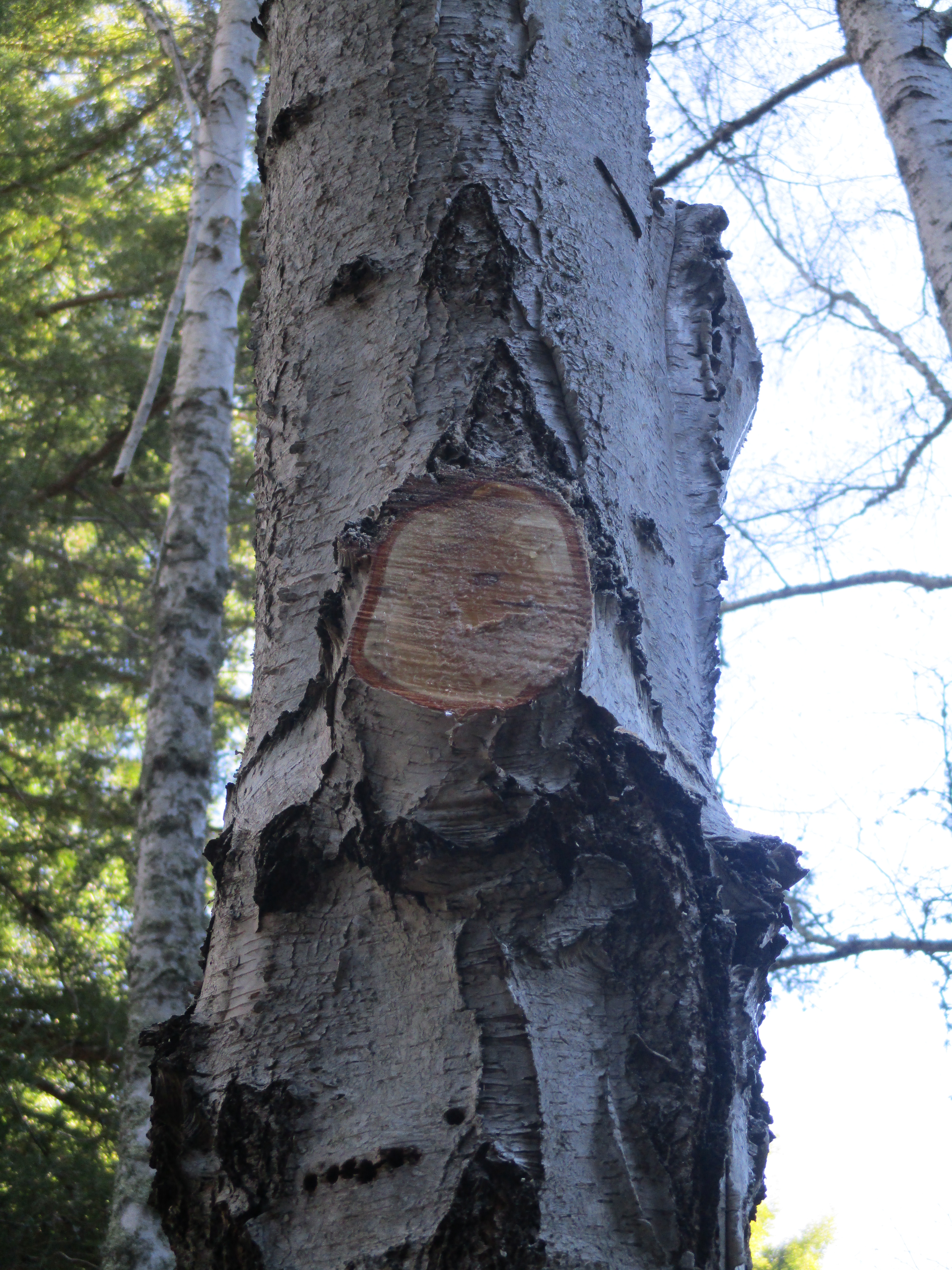 There is no sugaring season here. Spring comes on too suddenly. By the time sap starts to flow, buds are already swelling.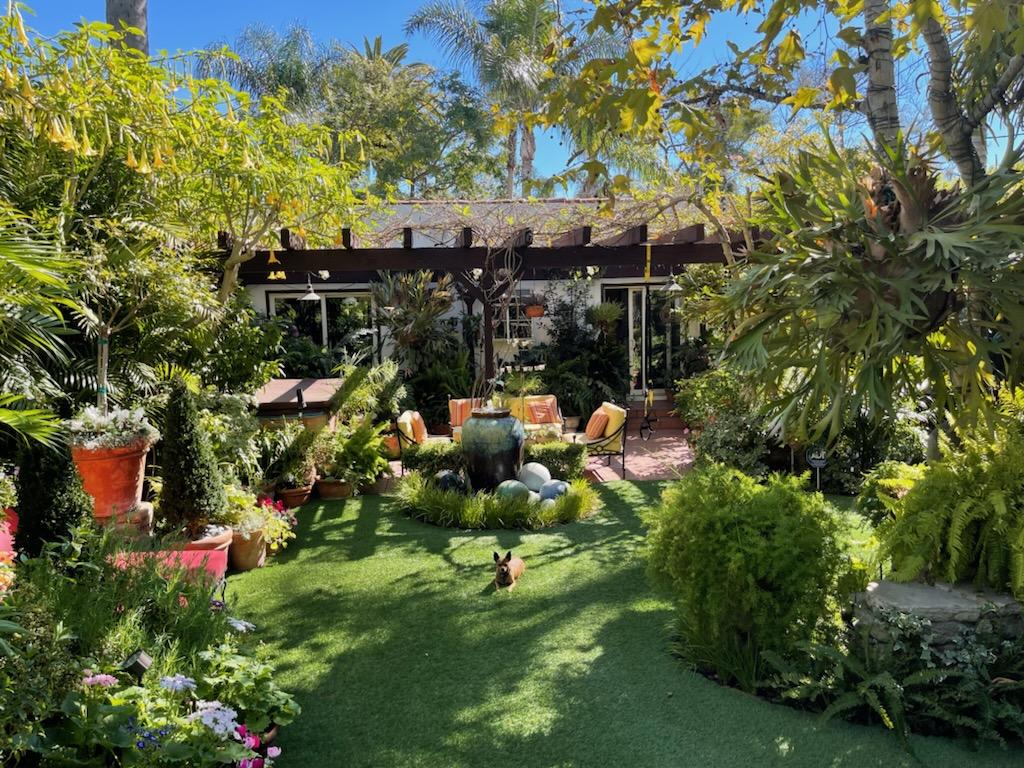


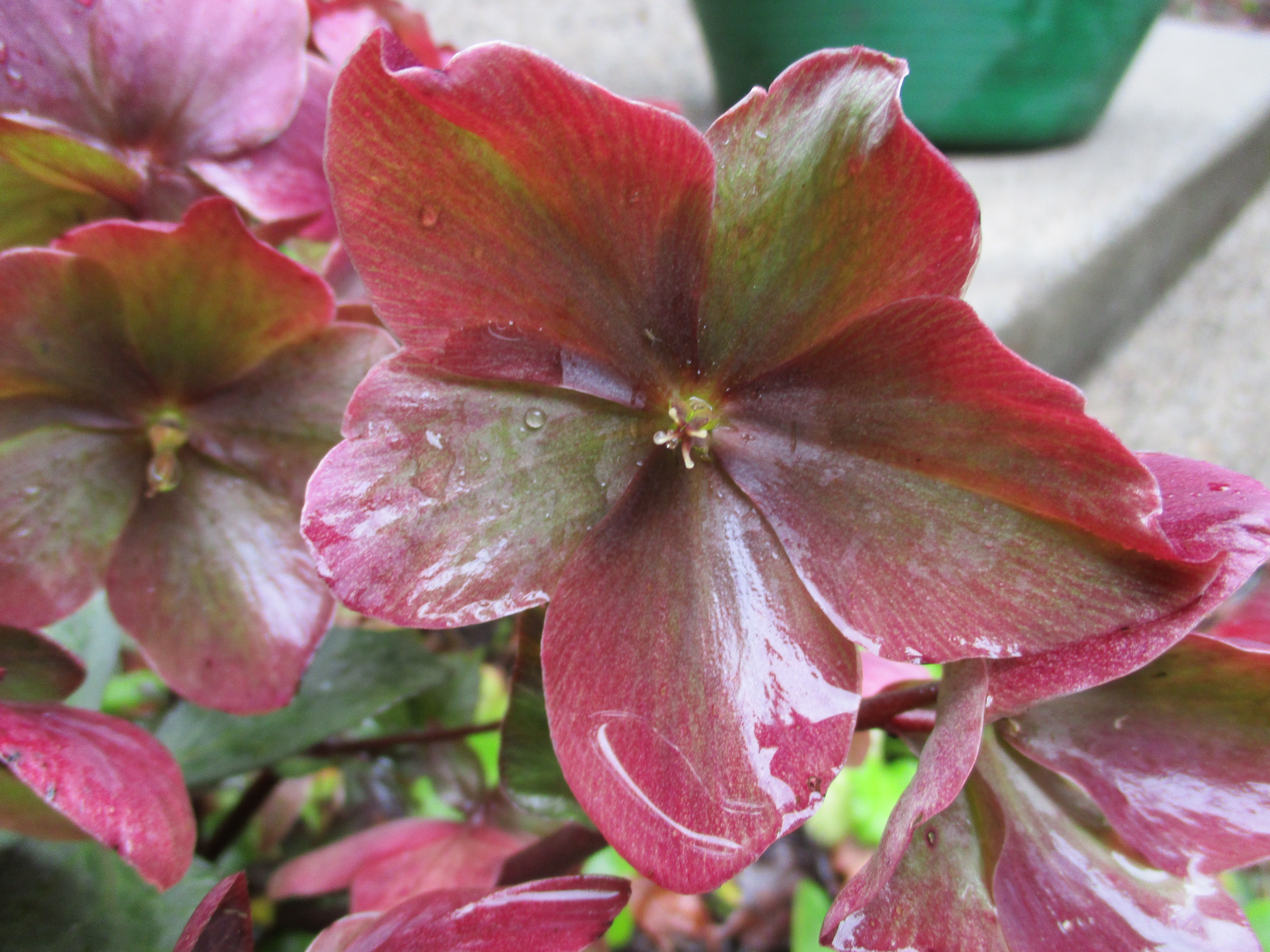 This is why I do not grow hellebores in my own garden. The specimen in the pictures above and below are about as good as they get here. Most are quite a bit worse. Some put out only one or two flowers. Some do not survive their first year in the garden.

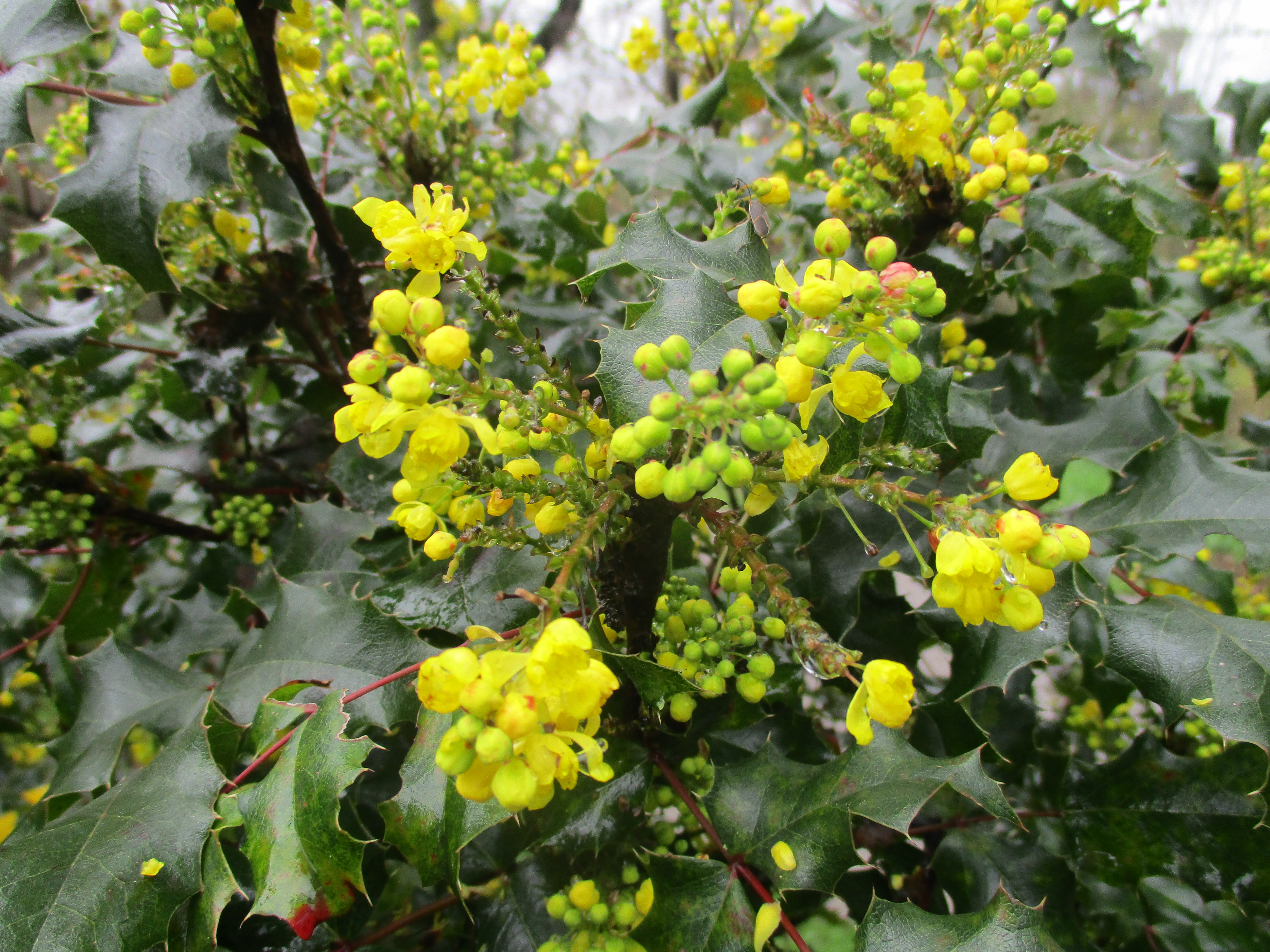 If California is the most excellent state in the entire Unites States of America and surrounding Universe, and Oklahoma is the second most excellent, then Oregon might be number . . . hmmm . . . fourteen or fifteen . . . or maybe like twenty or something. However, in MY (very important) opinion, Oregon is like the third most excellent state, and almost ties with Oklahoma! That makes it even slightly more excellent than Pennsylvania, Vermont and Arizona! Yes, it is THAT excellent!
 Tony Tomeo