That refers to the pattern of the veins in the leaves. Long before studying horticulture and botany at Cal Poly, my classmates and I learned a bit about horticulture within the contexts of studying ‘nature’. While in the sixth grade, we all went to camp for a week. One of the many projects we did during that time was collecting a few leaves to represent three different vein patterns, and mounting them under clear plastic on a cardboard plaque. The three different patters were, ‘pinnate’, ‘palmate’, and ‘parallel’. I do not remember if we all used the same leaves, but for my plaque, I got a blue gum eucalyptus leaf to represent pinnate veins. Palmate veins were represented by English ivy. Parallel veins were represented by English plantain.
These two blue gum trees are the same trees that provided the leaf with pinnate veins for my plaque. This is not a good picture. There really are two trees here. The picture below is even worse, but shows that there really are two separate trees. They probably flanked a driveway to the old house outside of the picture to the right. They are not very healthy right now, and do not seem to be much bigger than they were back in November of 1978, when my sixth grade class was here at camp with them.
This camp happens to be right down the road from the farm. We are neighbors. It is gratifying to see that so much of the camp is just as it was four decades ago. The English ivy that was so common back than is completely gone now, probably because it is so invasive. The lawn around the blue gum eucalyptus used to be much weedier, and provided the English plantain leaves for my plaque.



 The popular wisterias that bloom so profusely before their new foliage appears in spring are Chinese wisteria, Wisteria sinensis. Others specie are rare. The impressively longer floral trusses of Japanese wisteria are not as abundant, and bloom late amongst developing foliage. American and Kentucky wisteria are more docile small vines, but their floral trusses are both short and late.
 There is no way around it. Just about every garden has some degree of shade. Even low profile single story houses without eaves or fences are shaded on the north side. Eastern exposures get the cooler morning sun. Western exposures get only the warmer afternoon sun. There are vacant and treeless parcels out in the desert that lack shade, but not many of us are gardening out there.
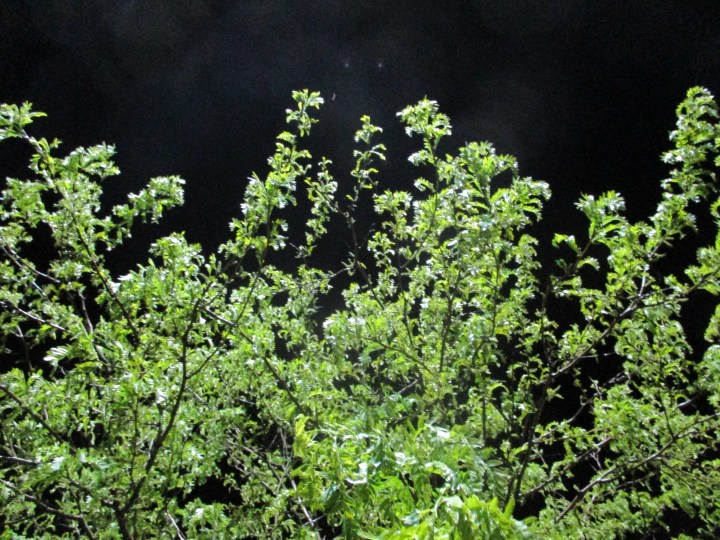 Color in the garden is nice as long as we can see it. There is not so much to see after the sun goes down. That is why some gardens that get used at night are illuminated.

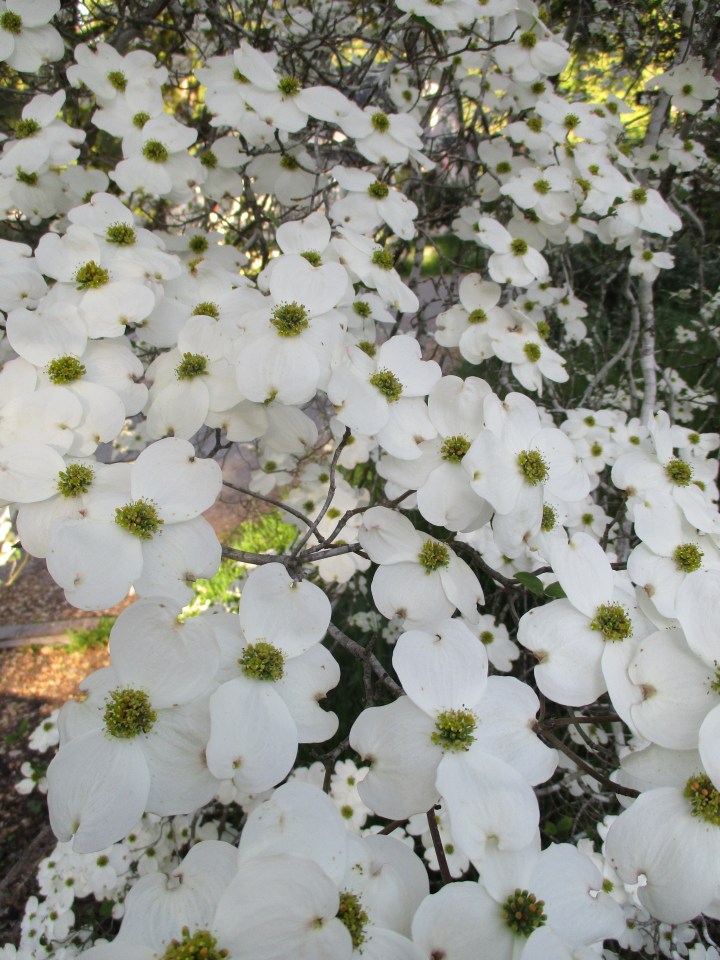 Flowering dogwood, Cornus florida, seems like it should be more popular here than it is. It blooms spectacularly in April. The foliage can color nicely in autumn. Mature trees are proportionate to medium sized or smaller suburban gardens. However, the limiting factor to their popularity in the local climate is that they are understory trees that prefer to be in the partial shade of larger trees.
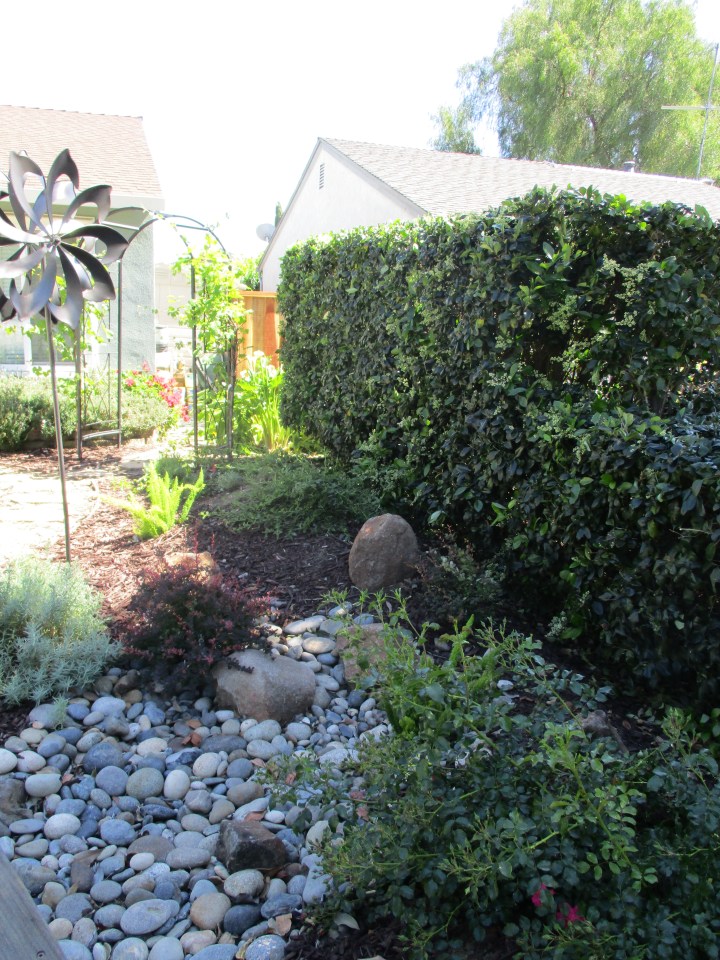 Hedges are a complicated topic! Like lawns, they are among the more functional features of a landscape. They can be used to provide privacy within, obscure unwanted views beyond, or merely to separate a large landscape into cozier or more functional spaces. Except for hedges that are grown for spring flowers or autumn color, most hedges are evergreen with finely textured foliage.
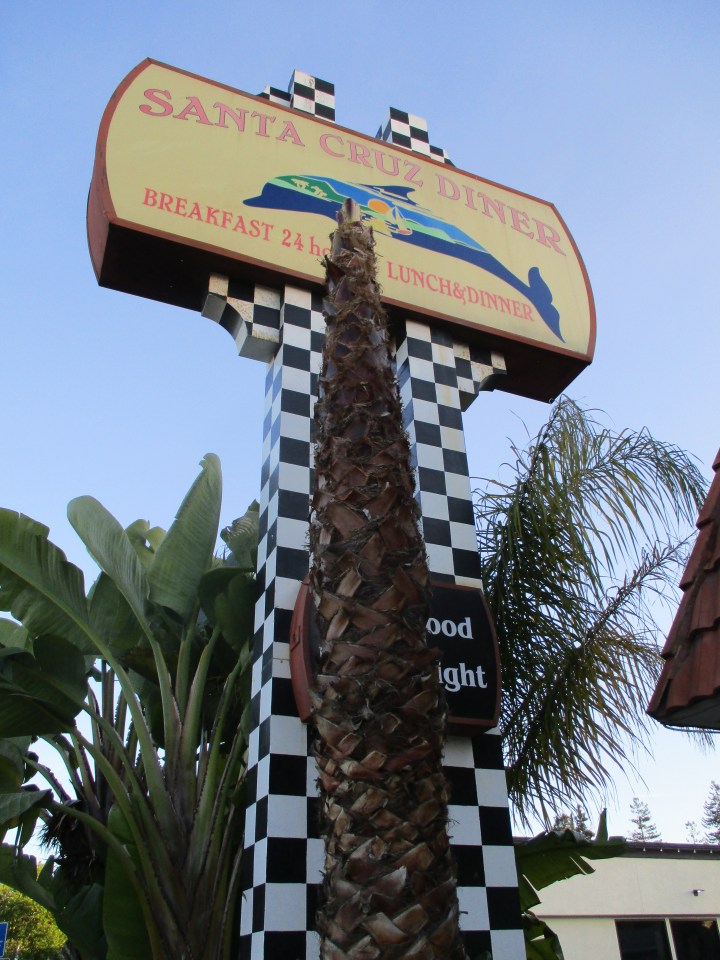 Speaking of which, this is not the right location!
 Halston, with the help of several friends, could make a nice pill box hat. That is the origin of the name; from pill box hate fame. This might help clarify,