 Colorado is another state that was able to designate one of the most excellent wildflowers of North America as the Official State Flower because it happens to be native there. Rocky Mountain columbine, Aquilegia caerulea, however, did not contribute as much to the breeding of the many modern hybrid varieties of columbine as did common European columbine, Aquilegia vulgaris.
Most are short term perennials that are more often grown as biennials or, if they do not continue to perform through the dry warmth of summer, as spring annuals. Seed can be sown directly earlier in spring, but new plants may not bloom until the following spring. Plants that are grown in a greenhouse through winter, as well as self sown plants that grow though winter, should bloom in spring.
The famously spurred flowers can be just about any color; white, blue, purple, red, orange, yellow, pink and even pale green (fading to white). Most are combinations of two colors. Some varieties proudly bloom with frilly double flowers. The thin flower stems stand about a foot tall, with flowers facing slightly downward. The trifoliate and delightfully lobed leaves are like big lacy clover leaves.
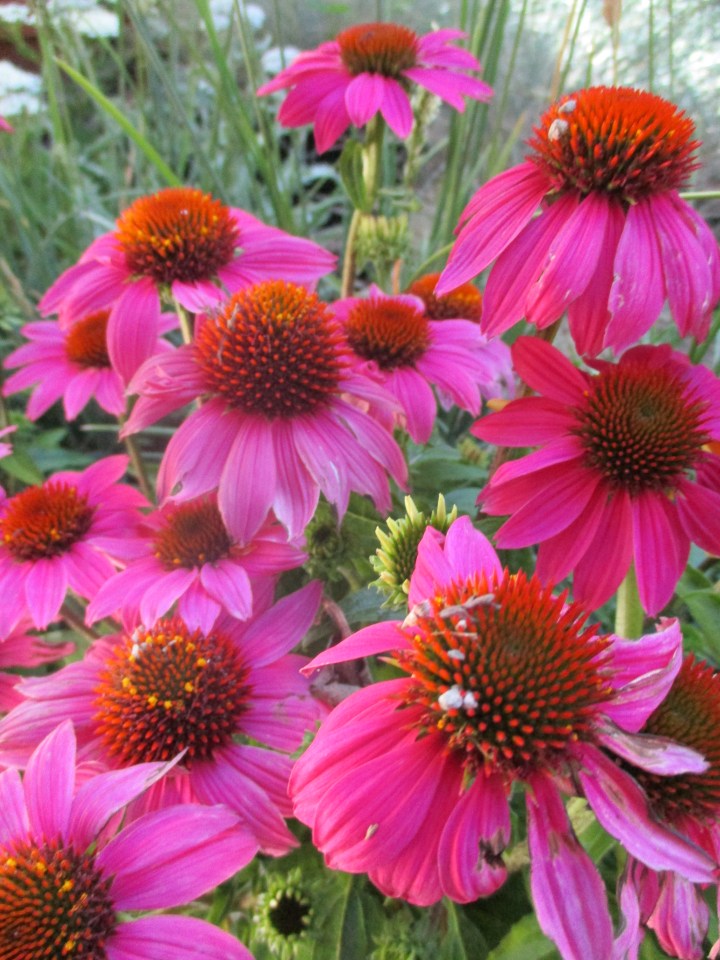 Annuals are plants that complete their entire life cycle from germination to death within a single year. Biennials complete their entire life cycle in two years, mostly by developing vegetative growth during their first year, and then blooming, producing seed and then dying after their second year. Perennials are the many herbaceous plants that survive longer than just a few years or indefinitely.
 The flowers may not last very long once cut, but cosmos, Cosmos bipinnatus, blooms so abundantly, that there might not be any shortage of new flower to cut and bring in to replace those cut a day or two before. Their pastel pinks and lavenders, as well as white, suit the Easter season perfectly. Their soft light green foliage is remarkably lacy. Mature plants are about two to four feet tall.
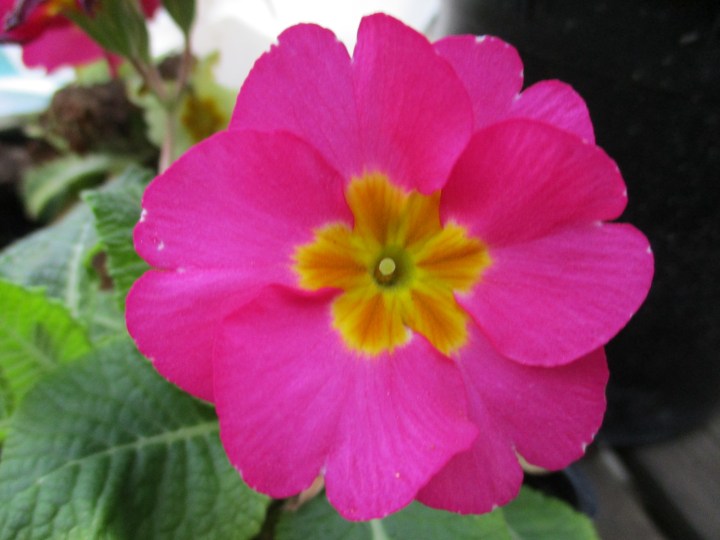 Pulling out cool season annuals that are still somewhat colorful is never easy, even if they are already deteriorating. There is always the desire to stretch their season as late as possible until they succumb to warmer weather. Only a few can perform all year, or get cut back to hide below other taller plants until the weather gets cool enough in autumn for them to regenerate and bloom again.
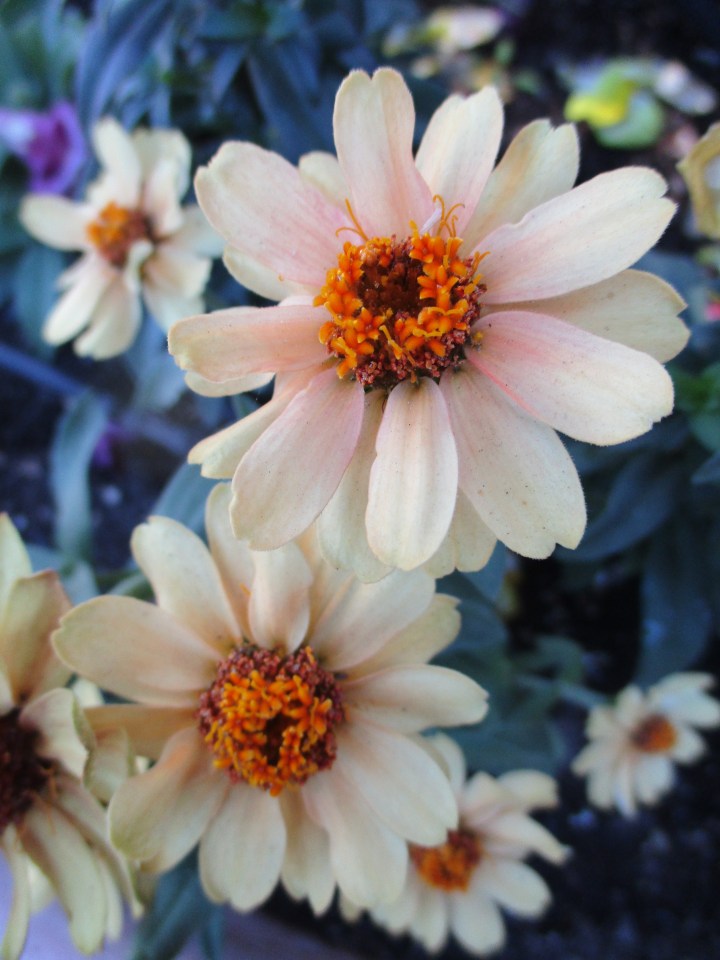 The same cooling weather that is initiating fall color is what finishes the zinnias that bloomed so colorfully through summer. Like tomatoes, they can stay out in the garden until they succumb frost if they continue to perform, and if the space they occupy is not needed for something else. There should be no guilt with replacing them sooner. After all, they are technically warm season annuals.
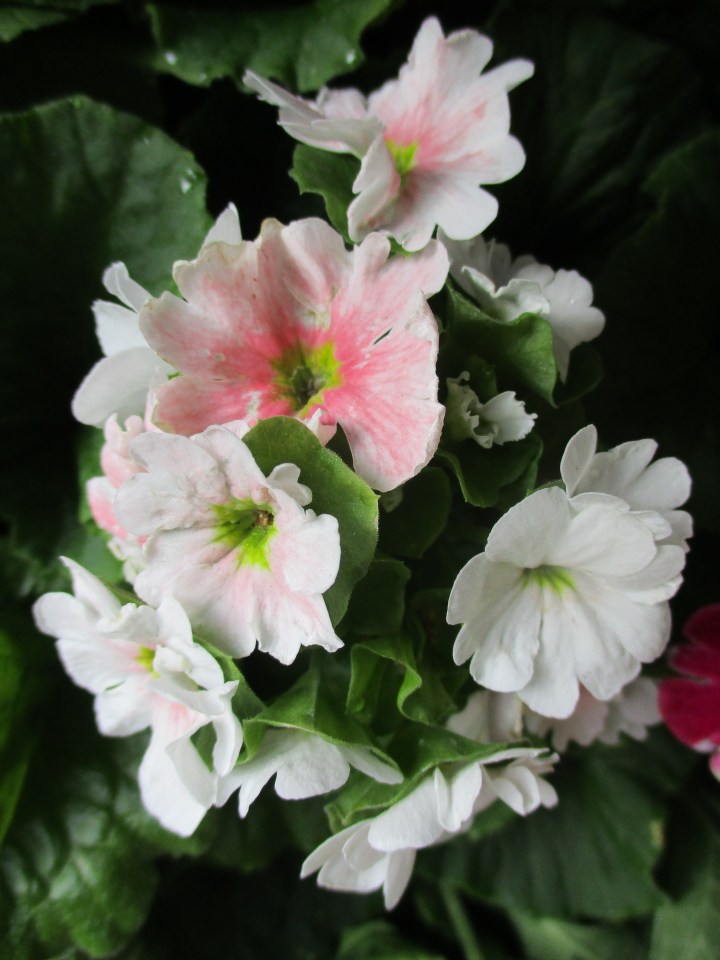 Just like African marigold that was featured earlier is actually Mexican, German primrose, Primula obconica, is actually Chinese. As odd as it is, the common name is an improvement from the former name of ‘poison primrose’, which was derived from the potentially irritating sap of the unimproved species before it was bred to be less toxic, as well as more colorful and prolific in bloom.
 French Marigold might have been a more appropriate choice. It is the official flower of Dia de los Muertos on November 2. Some might say that the bigger and bolder African marigold, Tagetes erecta, is just as official. Both are Mexican, but as the names imply, most varieties of French marigold were developed in France, and most varieties of African marigold were developed in Africa.
 The three most popular specie of Dianthus are sweet William, garden pink and carnation. Sweet William and garden pink are light duty perennial bedding plants that are often grown as annuals. Carnation blooms are more familiar as fragrant cut flowers than as home garden flowers. Then there is dwarf carnation, Dianthus caryophyllus, that combines the best characteristics of all three.
 Gardening is not always fun. After diligently tending to warm season vegetables through spring and summer, it eventually becomes necessary to pull them up to relinquish space for cool season vegetables that grow through autumn and winter. It likely would be less unpleasant to wait for them to succumb to frost, but by that time, it would be getting late for the incoming vegetable plants.
 The common name sounds funny, but it is easier to pronounce then than the Latin name. Mulla mulla, Ptilotus exaltus, is an Australian species that has been locally available longer than its limited popularity suggests. It may seem to be more peculiar than it is because it is grown primarily by specialty growers, who happen to grow many cool plants that should be more popular than they are.
 Tony Tomeo