 Like it or not, the warm season annuals that were so flashy all through spring and summer will eventually need to be replaced with cool season annuals to provide color through winter. It is always unpleasant to pull up the annuals of a previous season while they are still blooming, even if they are already getting scruffy and discolored. It is actually easier if they got roasted by recent warmth.
Some warm season annuals last longer than others. Many are actually perennials that can be overplanted with new cool season annuals as they get cut back or go dormant through their ‘off’ season. Some cur back perennials may not survive through winter; but those that do can regenerate next spring, just as the cool season annuals that obscured them all winter are finishing.
Wax begonias, for example, are warm season annuals that can continue to bloom until they get frosted. Where sheltered from frost, they only need to be cut back because partial defoliation exposes knobby bare stems. If they can be hidden by pansies or violas through their bare phase, they never need to be removed, and some will be happy to regenerate in spring.
Conversely, cyclamen, sweet William, chrysanthemum and some primroses are cool season annuals that have the potential to survive under the lush growth of warm season annuals next summer; but that is a topic for later. (Some people are allergic to primroses like poison oak.) Iceland poppy and ornamental cabbage and kale are not so perennial, but are quite colorful through winter.
Alyssum and nasturtium really are annuals that do not survive much more than one year. However, they can perform through summer where sheltered from heat, or through winter where sheltered from cold. In ideal situations, their self sown seedling replace deteriorating older plants, so that they can perform throughout the year. Nasturtium should be planted as seed, not from cell packs.
Calendula is a popular cool season annual early in the season, but may not last through the end of winter. Yet it is popular because it is so excellent through autumn. Chrysanthemums are even flashier, although they are often replaced as soon their first bloom phase finishes.
 Twice a year, it becomes necessary to discuss the unpleasantries of pulling up the flowering annuals (as well as vegetable plants) of one season, to relinquish space for those of the next season. Just a few months ago, cool season annuals got replaced with warm season annuals. Now, those same warm season annuals will get replaced with cool season annuals for the next few months.
 ‘Moonshine’ is probably the epitome of fernleaf yarrow, Achillea filipendulina, even though it is technically a hybrid. From the middle to the end of summer, its three inch wide corymbs (flat-topped trusses) of tiny bright yellow flowers stand as high as three feet above ferny and gray basal foliage. Bloom is best in full sun and warm exposure. Established plants do not need too much water.
 Their pastel hues and blends of pink, lavender, near red and white are so perfect for the middle of spring when cosmos, Cosmos bipinnatus, begin to bloom. They are just as perfect as bloom continues right through summer and almost to autumn, when the tall and airy plants finally begin to wear themselves out. If they continue through autumn, they eventually succumb to frost in winter.
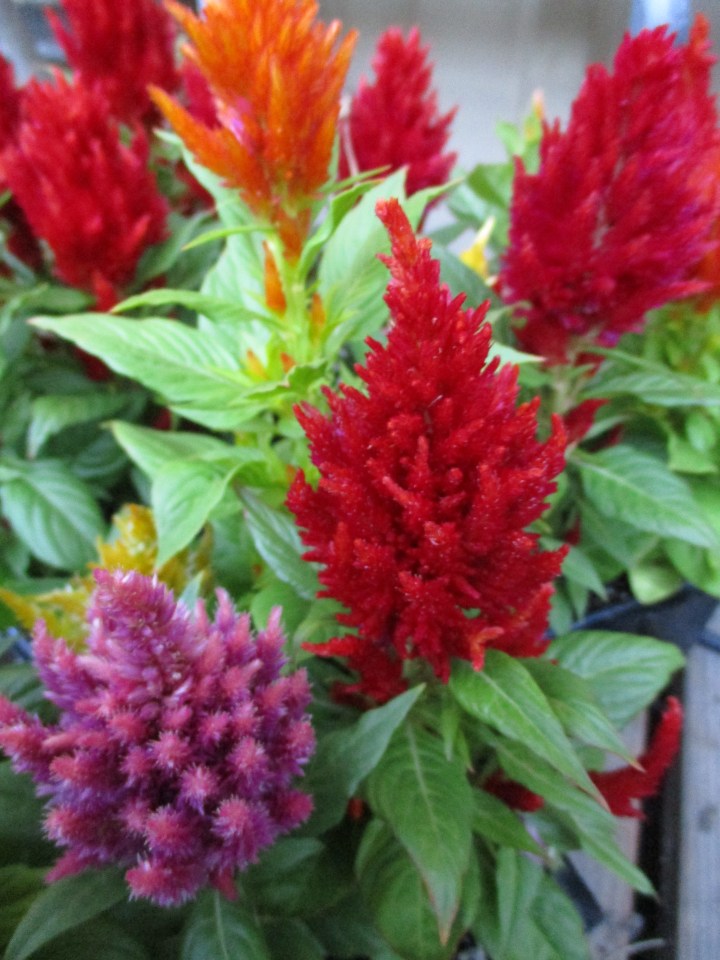 Not all annuals last as long as petunias do through summer, or pansies do through winter. Some fill in for the in between seasons, or if longer term annuals do not last quite as long as they should. Cockscomb, Celosia plumosa, blooms best now that it is about halfway through summer, and then finishes as weather gets too cool for it in late autumn, not so much more than two months later.
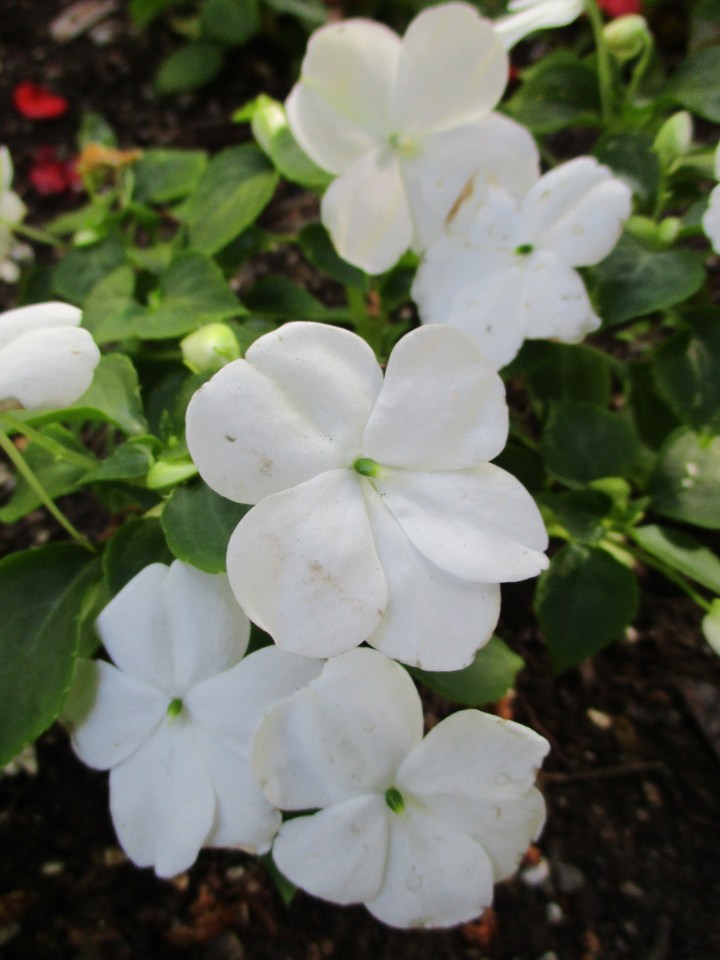 In only a few years, busy Lizzie, Impatiens walleriana, went from being one of the most popular warm season annuals to being unavailable in nurseries. It is now making a slight comeback. Most of those planted during their planting season last spring are now so profuse with bloom that their rich foliage is mostly obscured. Although they can be perennial, almost all get replaced in autumn.
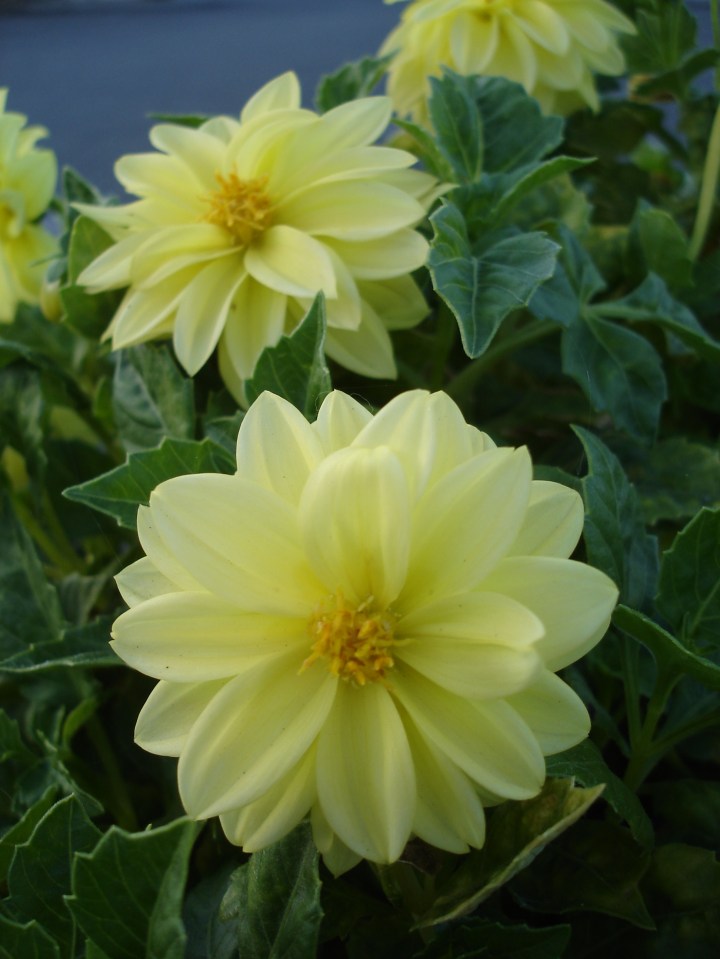 Annuals come and annuals go. There are cool season annuals for winter. There are warm season annuals for summer. Really though, there are all sorts of annuals that are not annuals at all. Most are some sort of perennial that has the potential to last longer than a single season. Only a few popular ‘annuals’ would necessarily die after blooming and producing seed, within a single year.
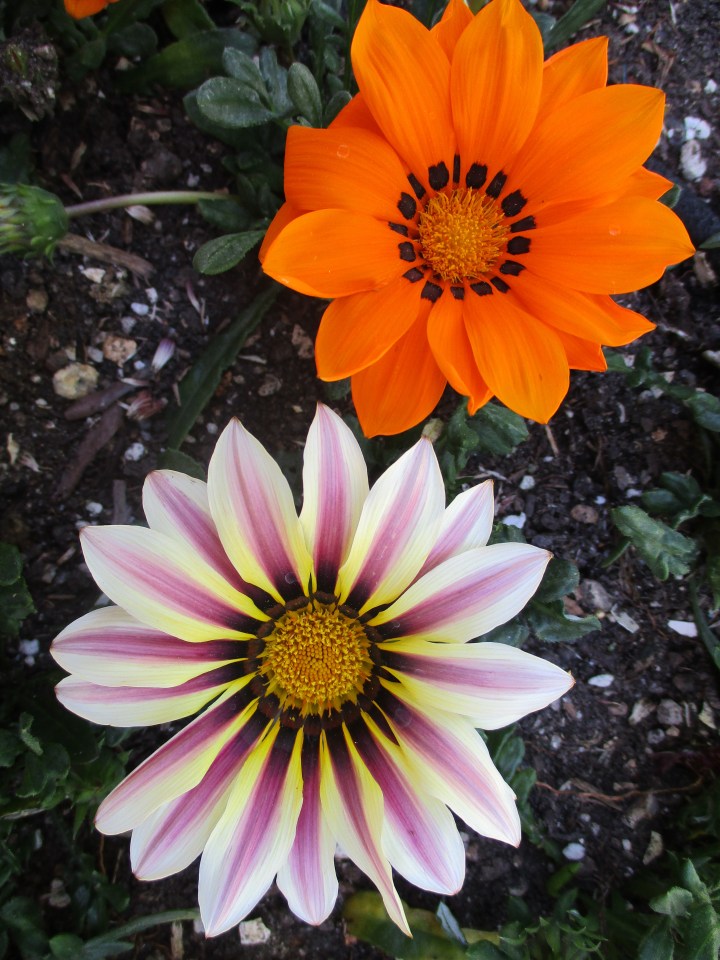 Why would anyone want to grow annual gazania when perennial gazania that is popularly grown as ground cover lasts for several years? Well, as long as the weather stays warm, annual gazania blooms with an impressive abundance of bigger and more brightly colored flowers. Perennial gazania blooms less profusely and only in midsummer, with simpler and somewhat smaller flowers.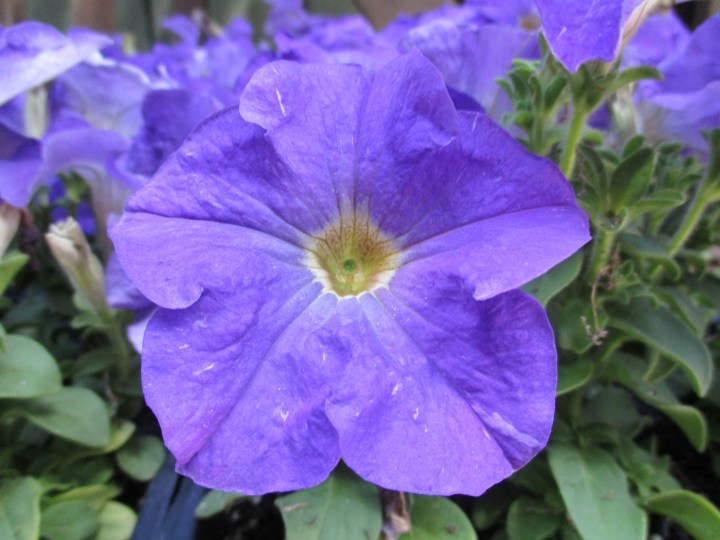

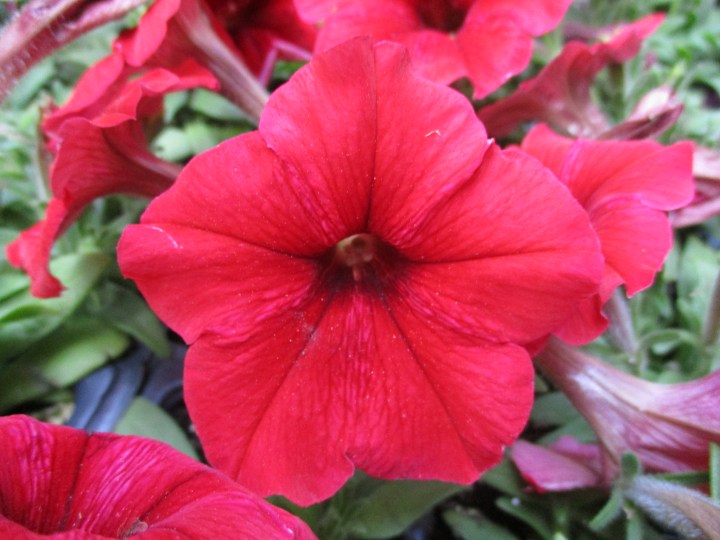
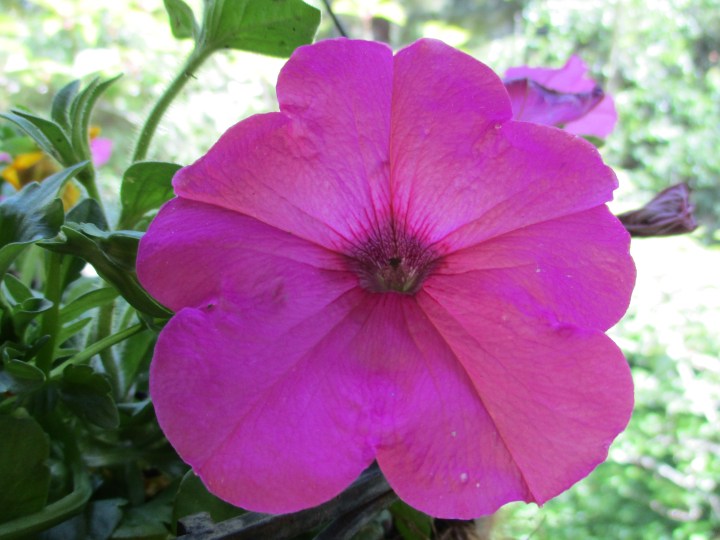
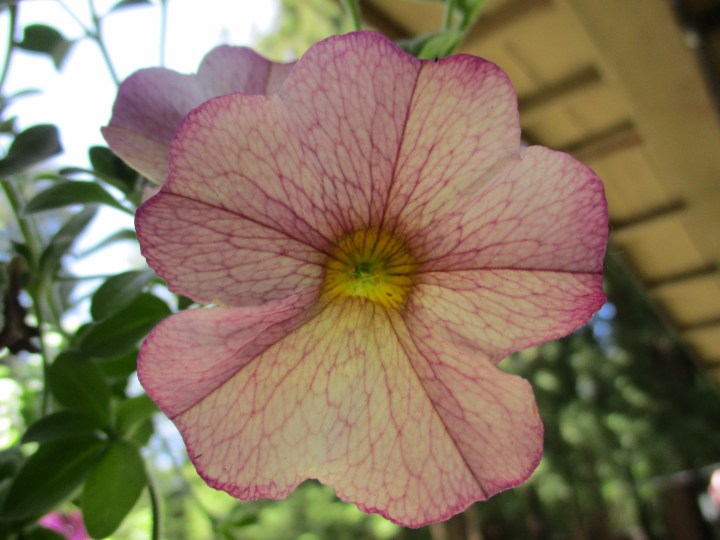
 This is one of those warm season annuals that we do not hear much about. Verbena looks something like lantana, but rather than maturing into a nice shallow ground cover or low mounding shrub with a bit of staying power, verbena lasts only until frost next autumn. The blooms are a bit larger. The leaves are a bit greener. They stay lower than a foot, and get only a few inches wider than tall.
 Tony Tomeo