The humongous perennial pea that I showed off last week was relatively innocuous. These six are some of the more prolific weeds. Actually, except for the first two, these are some of the most aggressive and problematic weeds in this region. All are exotic, which means that they are not native. Some were imported intentionally. Some were more likely stowaways. All except for #2 were found right outside here. #2 was found closer to town.
1. Vetch was most likely imported intentionally as a cover crop, forage crop or both. Because I do not know which vetch this is, I do not know why it is here. This is neither of the two species of vetch that are native here. It is a polite and pretty weed that never seems to become much of problem. Consequently, not much is known about it, or how it affects the ecosystem. Most of us just let it do what it wants to because it improves the soil.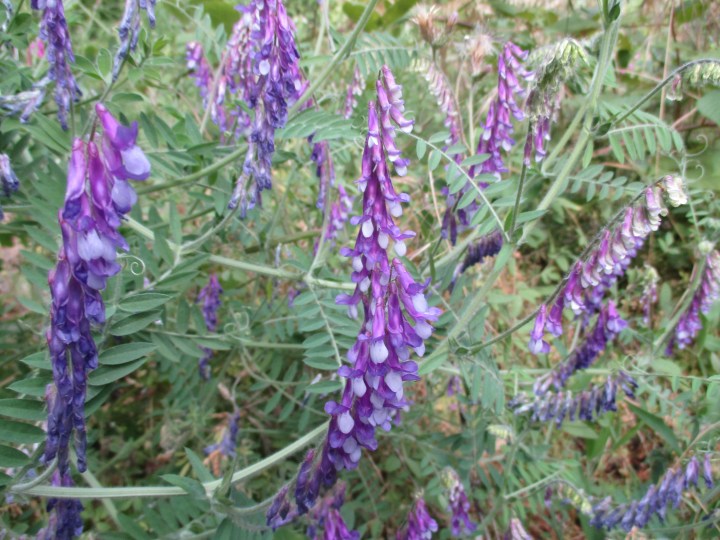
2. Queen Anne’s lace might have been imported intentionally because the young roots, young leaves and flowers are edible. It is, after all, a wild version of carrot. However, the small roots mature quickly and become too tough to eat, and often develop bad flavor. Furthermore, it is avoided because it it too easily confused with the extremely toxic poison hemlock! It can be a companion plant for attracting pollinators, but is mostly ignored.
3. Saint John’s wort was imported intentionally as a ground cover for landscapes, and escaped into the wild where it competes aggressively with native plants. It is toxic to grazing animals, so must be removed from where it appears in pastureland. Unfortunately, its wiry but tough stolons are extremely difficult to eradicate. This species is unavailable here, not just because it is invasive, but because it is so susceptible to rust. It never looks good.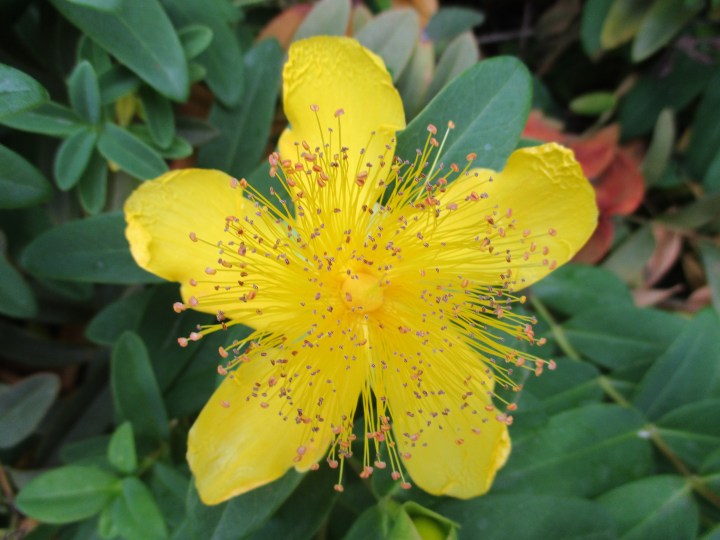
4. Broom is one of the nastiest. Some believe it to be Scottish broom (which we call ‘Scotch broom’). Some believe it to be Spanish. Actually, it is most likely French. It doesn’t matter. It is terribly prolific and aggressive, with seed that remain viable and continue to germinate for many years after parent plants get removed. It was imported intentionally just because it is so pretty in bloom. So many of the worst weeds arrived here like that.
5. Himalayan blackberry, like Queen Anne’s lace, might have been imported intentionally because it produces something edible. It happens to makes decent blackberries. However, it is neither as reliable nor as productive as garden variety blackberries. Berries might be sparse and of inferior quality, and are very difficult to pick because the canes are so very wickedly thorny! Canes are extremely vigorous and aggressive, and difficult to kill!
6. Thistle was likely a stowaway. There is no realistic reason to have imported it. Nothing eats it. It is too wickedly spiny to handle. It does not work as a cover crop, although it does try to cover as much area as it can get its prolific seed into. There are other thistles that are more invasive, but none that are as mean as this one is with those formidable spines! I do not know for certain what species this is, but it is not one of the native thistles.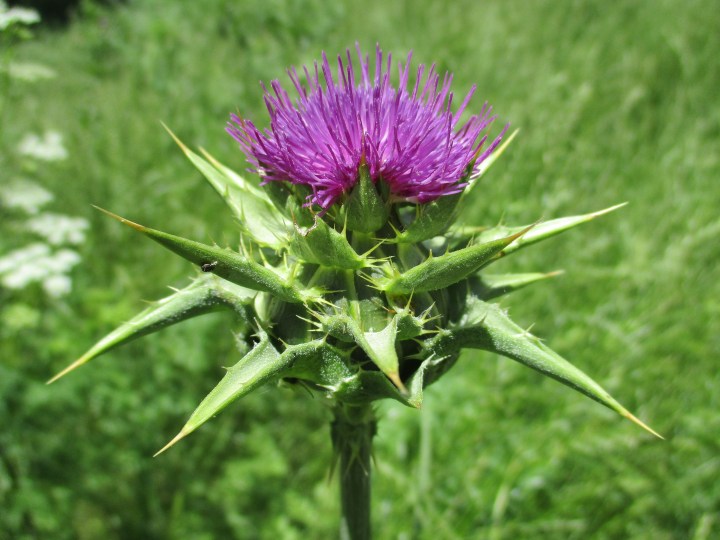
This is the link for Six on Saturday, for anyone else who would like to participate:
https://thepropagatorblog.wordpress.com/2017/09/18/six-on-saturday-a-participant-guide/
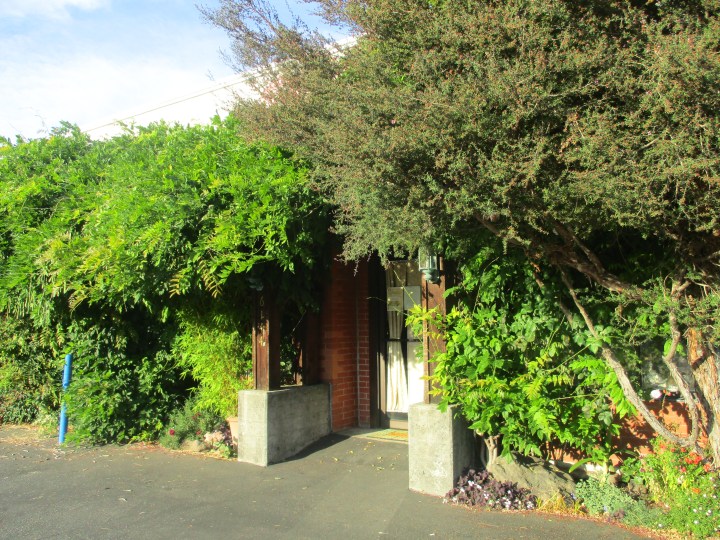 A well designed landscape should be an asset, not a liability. It should beautify and enhance the function of outdoor space, while harmonizing with associated indoor spaces. In order to continually do so, even a very well designed landscape requires maintenance so that it does not become so overgrown that it becomes unsightly and obstructive.


 ‘Cide’ as a suffix that designates something to be killed. ‘Insecticide’ kills insects. ‘Miticide’ kills mites. ‘Molluscicide’ kills molluscs such as snails and slugs. ‘Herbicide’ kills herbaceous plants, which are presumably weeds. These examples and other chemicals that kill things that are considered to be pests are collectively known as ‘pesticides’. Many are potentially useful in the garden, since that is where so many familiar pests are problematic.



 Pluots, plumcots, apriums and peacharines! Who comes up with this stuff?! Aren’t good old fashioned plums, apricots, peaches and nectarines good enough? Who decides that these weird hybrids are somehow better than their parents? Some of them are actually quite weird, or downright ugly. Several do not even look like they would taste good. It may be an acquired taste; but I have all the good taste that I need without acquiring any more.




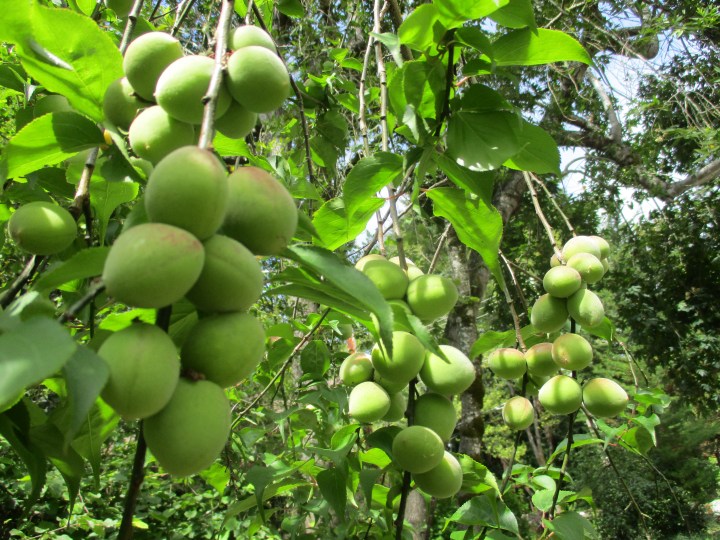 They do not come with instructions for their maintenance. Deciduous fruit trees, particularly the stone fruit trees (such as cherry, plum, prune, apricot nectarine and peach) and pomme fruit trees (such as apple and pear), can be procured as easily as nasturtium seed or petunias. Whether bare-root in winter or canned (potted), they very often get planted into gardens where they are expected to produce their fruit as easily as daisies bloom.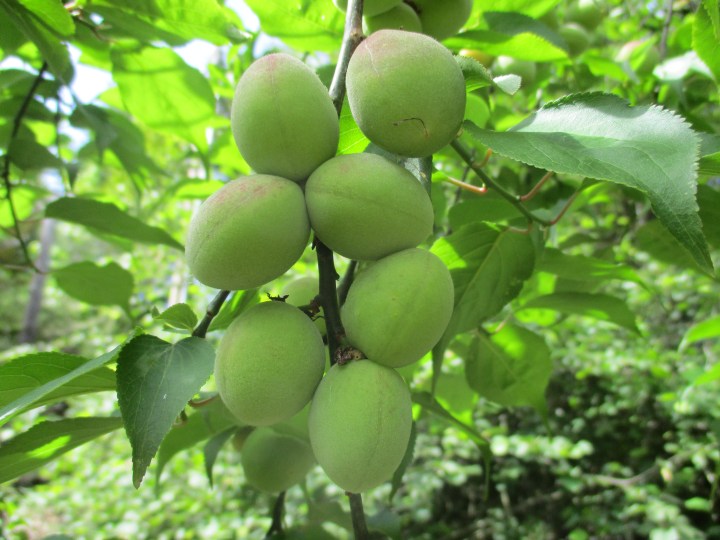


 There is no doubt that fences are useful for a variety of functions. They exclude deer from the garden. They confine livestock. For suburban homes, they enclose a relatively safe space for children and pets. Fences should be designed according to their intended functions. Those designed to exclude deer might be as simple as coarse mesh on posts. Those enclosing backyards might be more refined and compatible with the landscape.
 Tony Tomeo