Six on Saturday: Suburbia II

As I said last week, the Santa Clara Valley is the best place in the entire Universe for horticulture. That is where these pictures came from. Although I planted only the Ilex aquifolium of the second picture, I collected all six of these plants from various sources over the years. They have been quite happy here. I will now be taking more copies or originals of all but Ilex aquifolium.

1. Juniperus virginiana – is my favorite this week. I know it is uninteresting to those who are familiar with it, but it happens to be one of only a few that I brought from Newalla in Oklahoma.P00808-1

2. Ilex aquifolium – is the only one this week that I actually purchased from a nursery, while in school in San Luis Obispo in the late 1980s. It is uncommon (and unpopular) here. I still dig it.P00808-2

3. Viola odorata – came from Santa Clara while I was in high school. (I thought) I wanted it because it blooms white. It is not very pretty, but I can not get rid of it. Violets should be ‘violet’.P00808-3

4. Pelargonium hortorum – is not the original that I found in a compost pile in Montara in about 1980, but is very likely the same ‘unimproved’ species or whatever it is. I found it downtown.P00808-4

5. Agapanthus orientalis – from Watsonville in 1992, is one of my two favorite agapanthus; because it is white, but is otherwise identical to my original blue agapanthus from the late 1970s.P00808-5

6. Amaryllis belladonna – came from Hoot Owl Creek in Oklahoma. It lived in the same garden with my Iris pallida! I know it is no more interesting that these others here, but it has history!P00808-6

This is the link for Six on Saturday, for anyone else who would like to participate:

https://thepropagatorblog.wordpress.com/2017/09/18/six-on-saturday-a-participant-guide/

Six on Saturday: Suburbia

The Santa Clara Valley is the best place in the entire Universe for horticulture. Yet, few of the nearly two million people who live there now appreciate it, or realize that some of the area was still occupied by orchards only half a century ago. These pictures are from the garden where I lived before graduating from high school, and subsequently planting the peach tree #5 in 1985. Apricots and cherries were finishes quite a while ago. Peaches will be ready soon. These are not orchard trees, but they are happy to be here.

1. Garden Annie apricot – is, as the name implies, a garden variety rather than an orchard variety. With surprisingly minimal pruning, it stays compact and proportionate to a home garden.P00801-1

2. Stella cherry – is likewise a garden variety. It was selected because it is self fruitful, so does not need a pollinator. It also has stayed relatively compact and proportionate to limited space.P00801-2

3. Anjou pear – is also known as D’Anjou or Beurre D’Anjou pear. Pears and apples were not common in the orchards of the Santa Clara Valley, but were grown in the Santa Cruz Mountains.P00801-3

4. Golden Delicious apple – is more commonly and more appropriately known as Yellow Delicious apple. It was selected as an all purpose ‘only child’ apple for baking, cooking or eating fresh.P00801-4

5. seed grown peach – came here from a compost pile in Santa Clara in about December of 1985. The fruit is excellent. However, after all these years, I have never been able to propagate it.P00801-5

6. Rhody – performs pre-emergent weed abatement by collecting large quantities of burclover seed. He does not enjoy getting them removed from his finely textured fur afterward though.P00801-6

This is the link for Six on Saturday, for anyone else who would like to participate:

https://thepropagatorblog.wordpress.com/2017/09/18/six-on-saturday-a-participant-guide/

Six on Saturday: Nursery Schooled

Horticulture can be such a bad habit. (Where have I heard that before?) Once one learns how to grow horticultural commodities, it is difficult to stop. Pruning scraps get processed into more cuttings. Self sown seedlings get relocated instead of discarded. Extra pups (divisions) get salvaged as if the garden can accommodate more. There are several acres of landscapes here, but it is not enough for what we could grow.

1. While dividing a bunch of Morea bicolor, I found a single shoot of Morea iridioides. How did that get in there? I should have discarded it. Perhaps it will grow to become something useful.P00725-1

2. Pruning scraps of zonal geraniums got plugged as cuttings, but then did not get separated as they grew. There may be a dozen in there. They are nice, but we really do not need any more.P00725-2

3. When composting just is not good enough, plug cuttings instead. There may be a dozen Ponderosa lemon cuttings here. One is too many. They are not grafted, so will be on their own roots.P00725-3

4. Boston ivy is fortunately not as abundant as I thought it would be. We wanted four, so I plugged a hundred cuttings. It seemed to make sense at the time. Most did not survive. Plenty did.P00725-4

5. This self sown bigleaf maple is not in the nursery, but I want it to be. It should not remain where it is. I may dig and can it this autumn, as if there is a situation into which to install it later. P00725-5

6. These summer squash are not from the nursery, but from right downstairs. They are happy with all the runoff they get from above. Neighbors have been getting many pounds of squash.P00725-6

This is the link for Six on Saturday, for anyone else who would like to participate:

https://thepropagatorblog.wordpress.com/2017/09/18/six-on-saturday-a-participant-guide/
Six on Saturday: Timber! III

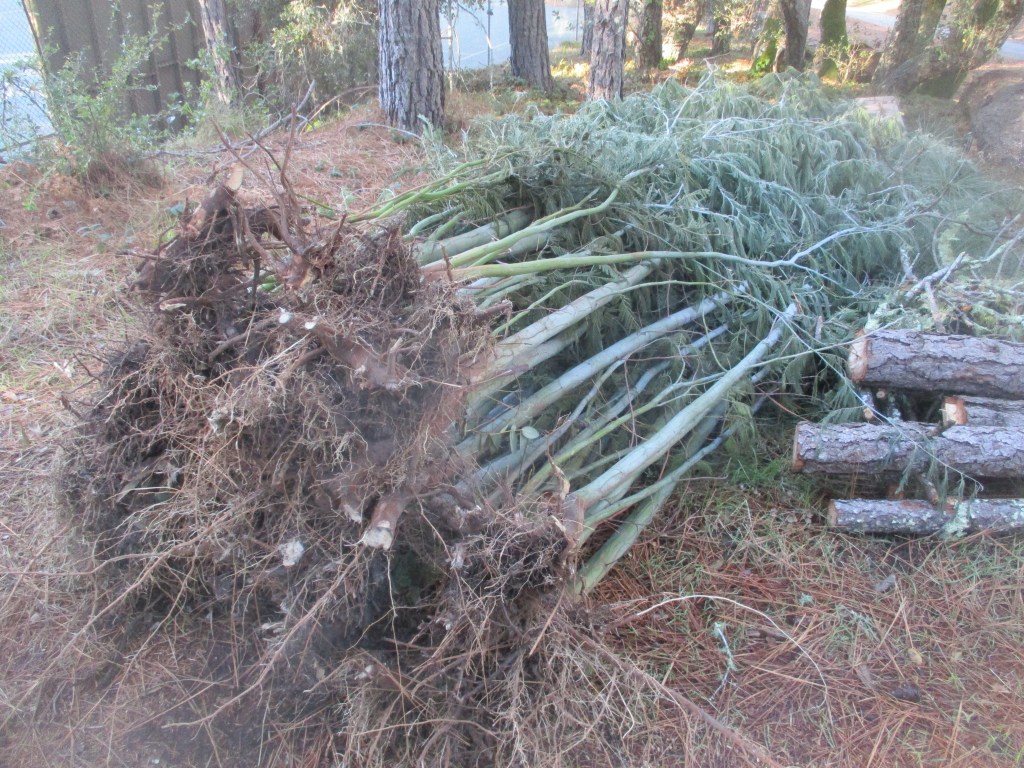
At the end of May, Six on Saturday – Timber! II, ended with a precariously disfigured bay tree. Timber!, on May 10, mentioned that most of the tree had previously broken apart and fallen on top of a big Douglas fir tree that had fallen earlier. Prior to this big mess, the bay tree had been leaning on the Douglas fir tree. Now, it just continues to deteriorate. The precariously disfigured limb that remained last May was the most recent victim of gravity. Not much of the tree remains.

1. This was what we were concerned about. The disfigured and fractured trunk twisted from leverage exerted onto it by an upper limb, which is now extended downward instead of upward.P00718-1

2. Damage was impressively minimal. An exemplary specimen of Chinese maple sustained a direct hit from the main limb of the bay tree, but also sustained only minor structural damage.P00718-2

3. The trail somehow remained passable, although closed because of the big fallen limb dangling above. As the limb was dismantled, the fractured portion of the trunk broke away and fell.P00718-3

4. This big piece of the twisted and fractured portion of the trunk looks like a canoe, and is about as big. This was suspended more than twenty-five feet up, which is why the trail was closed.P00718-4

5. What remains of the bay tree is still severely disfigured, but is not so dangerously structurally compromised. It can remain until another arborist can get here to remove it and other trees.P00718-5

6. It looks worse up close. Nonetheless, there is not much we can do about it now. The limb to the far right originates from the same trunk. The big gray trunk in the background is a tan oak.P00718-6

This is the link for Six on Saturday, for anyone else who would like to participate:

https://thepropagatorblog.wordpress.com/2017/09/18/six-on-saturday-a-participant-guide/

Six on Saturday: Closeups II

This is the more foliar counterpart to the closeups for my Six on Saturday from last week. Some are closer than others. Some would be more easily identifiable without captions than others. All are quite random. All these subjects are in the storage nursery; but only #1 and #5 will eventually find homes in the landscapes here. The others will likely go into one of my own gardens. I have no idea of what to do with #2.

1. Agave pedunculifera – provided the most abstract picture of the six. The name is only a guess. Someone else might have been able to identify it as something else if more of it were visible.P00711-1

2. Eucalyptus globulus ‘Compacta’ – compact blue gum – was my second choice for juvenile blue gum foliage. It was easier to reach because it is more . . . compact. The other blue gum is tall.P00711-2

3. Cinnamomum camphora – camphor – is light yellowish green most of the time, and then gets slightly blushed with new growth late in spring. This young tree started late in partial shade.P00711-3

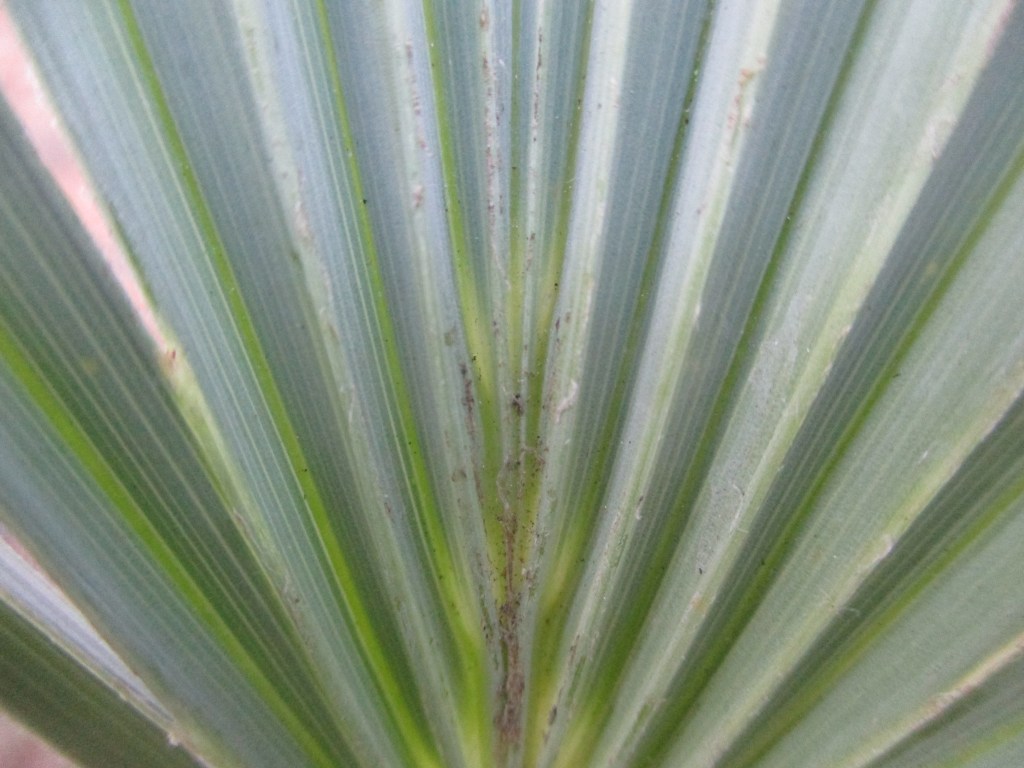
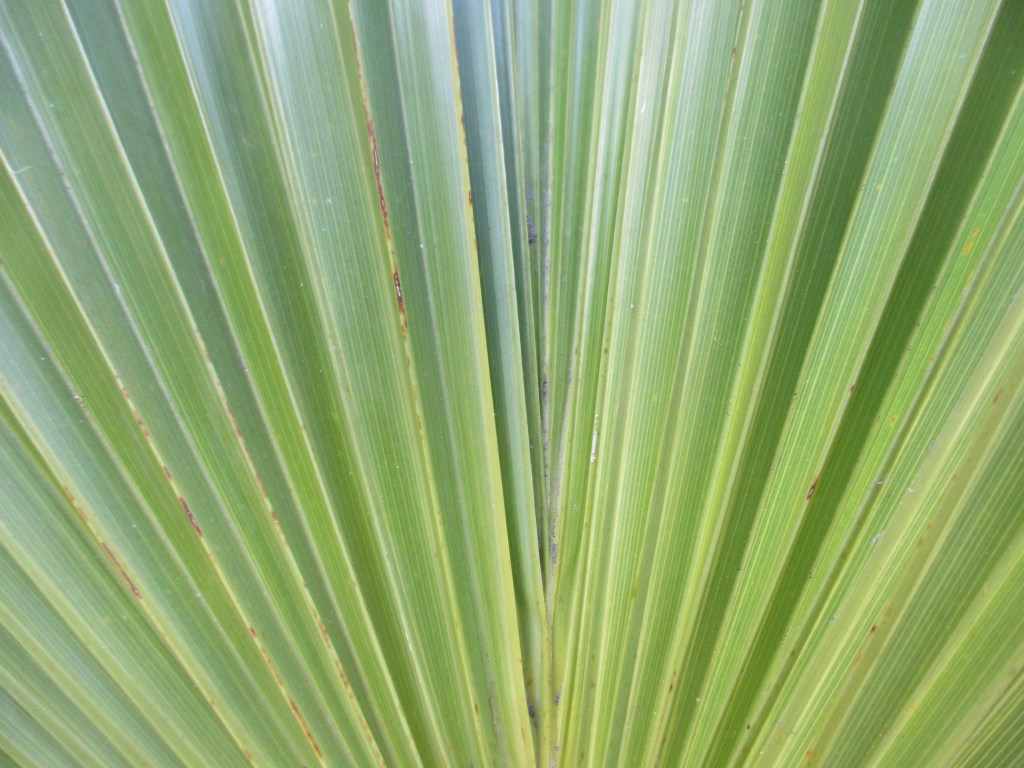
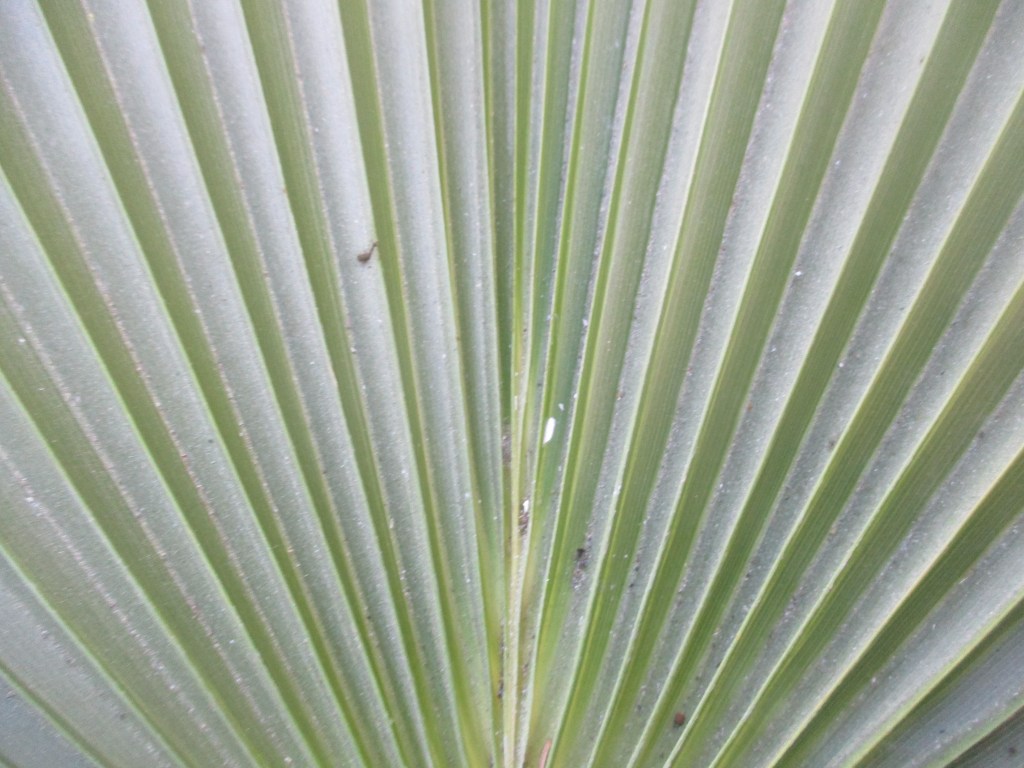
4. Trachicarpus fortunei – windmill palm – provided the second most abstract picture of the six. It is more recognizable though. Mediterranean fan palm is darker. Other fan palms are light.P00711-4

5. Picea sitchensis – Sitka spruce – was brought from Smith River, on the coast just south of Oregon. It does not seem to mind being so far from home. The happy new growth is impressive.P00711-5

6. Juniperus virginiana – Eastern red cedar – is my favorite this week because I brought it from Oklahoma. Cedrus deodara – deodar cedar – is the real cedar that provided the background.P00711-6

This is the link for Six on Saturday, for anyone else who would like to participate:

https://thepropagatorblog.wordpress.com/2017/09/18/six-on-saturday-a-participant-guide/

Six on Saturday: Closeups


This is not how we normally look at these flowers, stems and vegetables (fruits). They might look strange out of context. That was sort of intended. ‘Six on Saturday’ allows more freedom of creativity than the simple illustrations that I use for the gardening column. The last two are closeups of the same two gladiolas that were featured last week. Perhaps they show color better.

I should try this again for next week.

1. Lily of the Nile is the ‘Fourth of July Flower’. It blooms for the Fourth of July, and the florets radiate from the center of their floral truss like fireworks. I will write more about this at noon.P00704-1

2. Epiphyllum stems, like the stems of other cacti, do all the work of foliage. Because they are flat, they actually look like big and weirdly arching leaves. New tip growth is still rather blushed.P00704-2

3. Zucchini is too productive. I neglected to go down to harvest it for two days or so, and then found that some fruits had gotten as big as bowling pins. They are fortunately not too tough yet.P00704-3

4. Red willow is a weedy tree that I should not be growing intentionally. This is special though. I brought its cuttings from Reno. It will be coppiced, and not allowed to grow as a real tree.P00704-4

5. Gladiola got enough attention last week that I got closer pictures of them this week. This one seemed to be more purple or less blue last week, with just a bit of white, like elderly Grimace.P00704-5

6. Gladiola are more fun when someone else selects bold colors that I would not consider. This flashy orange and yellow bloom is exquisite, and looks like Grimace’s friend, Ronald McDonald.P00704-6

This is the link for Six on Saturday, for anyone else who would like to participate:

https://thepropagatorblog.wordpress.com/2017/09/18/six-on-saturday-a-participant-guide/

Six on Saturday: Housebound


This is not a good week for my Six on Saturday. The first three are of pansies; and the last two are of gladiolus. That is not much variety. Posting six pictures of different cultivars of roses or rhododendrons is somehow different and more interesting.

I did not get out enough to get many good pictures this week. I work inside for part of the week, and needed to stay in for Thursday as well. I got outside only on Wednesday and Friday.

1. Pansies are slowly succumbing to the warmth of spring and early summer. They can continue to perform as long as they like, we will not be replacing them with any warm season annuals.00627-1

2. Pansies are even prettier up close. Foliage was unusually sparse among this group, even prior to spring. Pansies had never stayed so late before. I would not have guessed that they could.00627-2

3. Pansy is one of the favorite flowers of my colleague down south. Although he does not use many at work, or even in his home garden, he always grows one pot full of them through winter.00627-3

4. Alstroemeria, which are also known as Peruvian lilies, do very well here. I do not remember if this is pink or ‘peachy’. I believe it is ‘peachy’. There are also yellow alstroemeria here.00627-4

5. Gladiola is one of my favorite summer bulbs, but I have not planted any in many years. They are not reliably perennial here. However, this orange gladiola has bloomed for several years.00627-5

6. Gladiola, now that I think about it, is actually my favorite summer bulb, rather than just one of my favorites. This purple gladiola has bloomed as long as the other, only in a different area.00627-6

This is the link for Six on Saturday, for anyone else who would like to participate:

https://thepropagatorblog.wordpress.com/2017/09/18/six-on-saturday-a-participant-guide/

Six on Saturday: Kitchen Scraps


The first of our compost piles will not die. Some of the scraps of vegetables from the kitchens grow to produce more of the same. As this first pile of pre-compost gets turned over to the next pile, we commonly find potatoes and onions. Tomatoes, squash and sometimes cucumbers grow around and on top of the pile. Without watering, their season is limited, but just long enough.

It is actually frustrating that some of the vegetables that are not so productive where tended in the vegetable garden perform better, although likely briefly, on the random compost pile.

1. Vegetable scraps and rotten vegetables are common in the compost pile, even while the kitchens here are not presently operating. These do not seem to have been rotten when discarded.P00620-1

2. Summer squash is common here, even though scrap from the kitchens should be from juvenile squash, which should contain no viable seed. This might produce yellow crookneck squash.P00620-2

3. Cucumber is not so common, and will not likely last as long as other vegetable plants. The area is warm and dry. Cucumber prefers sunny but not so warm exposure, and regular watering.P00620-3

4. Determinate tomato looks just like what grew here last year. If so, it makes small cherry tomatoes that are shaped like ‘Roma’ tomatoes; and all the fruit will ripen at about the same time.P00620-4

5. Pumpkin vine should be sprawling more than this. It could be just another type of squash. The round fruits with stout stems resemble baby pumpkins. However, the leaves are not right.P00620-5

6. Bearded iris is no vegetable, but naturalized similarly next to the compost piles. It is perennial rather than annual. Although shabby here, it can be recycled into landscapes. Bloom is gold.P00620-6

This is the link for Six on Saturday, for anyone else who would like to participate:

https://thepropagatorblog.wordpress.com/2017/09/18/six-on-saturday-a-participant-guide/

Six on Saturday: Bark


Rhody said, “Cornus florida bark is rough.” He likely intended to say, “Dog would bark, ‘ruff!’.”

This is not about Rhody though. It is about these six pictures of bark of some of the more significant trees that I work with. All are native here. Only the sycamore was installed intentionally into a landscape. All of the others grew wild. There are so many interesting trees here that it was not easy to limit these pictures to just six. I actually took more pictures that were omitted.

Furthermore, a picture of Rhody is not included.

1. Platanus racemosa – California sycamore is bigger and bolder than other American sycamore. Trunks of mature trees are massive and gnarled, with this distinctively blotchy gray bark.P00613-1

2. Pinus ponderosa – Ponderosa pine is the grandest of pines. The massive trunks seem to be comparable to those of Douglas fir. Bark often flakes in bits that resemble jigsaw puzzle pieces.P00613-2

3. Quercus agrifolia – Coast live oak is second only to valley oak in regard to grandeur. Unlike valley oak, it is evergreen. Smooth gray young bark eventually becomes darker and furrowed.P00613-3

4. Pseudotsuga menziesii – Douglas fir is the majestic State Tree of Oregon, and a main timber crop there. Locally, it mixes with various ecosystems. Corky bark is rather finely furrowed.P00613-4

5. Acer macrophyllum – Bigleaf maple is the most imposing maple of the West. As the name implies, the leaves are bigger than those of any other maple. Bark gets sort of checked with age.P00613-5

6. Sequoia sempervirens – Coastal redwood is the grandest of all, and it happens to be the tallest tree in the World. Also, it is the state tree of California. The ruddy bark is distinctly fibrous.P00613-6

This is the link for Six on Saturday, for anyone else who would like to participate:

https://thepropagatorblog.wordpress.com/2017/09/18/six-on-saturday-a-participant-guide/

Post Script: For the first time, I am violating the recommended limit of six pictures to include this extra (but unnumbered) picture of Rhody for those who would be otherwise disappointed.P00613-7

Six on Saturday: Leftovers


It is not easy to discard seedlings and cuttings that have potential. We are supposed to sow several seed for vegetable plants where we ultimately want only a few, which typically produces a few extra. Feral seedlings for other types of plants commonly appear in the garden. I happened to grow a few seed that were marginally old, but that I did not want to discard. Nor do I want to discard deteriorating but lingering cool season annuals from last winter.

1. Since no new warm season bedding plants are going into the landscapes, cool season bedding plants are lingering until they succumb to the warmth. This pansy is not ready to give up yet.P00606-1

2. ‘Roma’ tomato seedlings that got plucked to favor stronger seedlings got plugged in cells for later. They got sown very late, and plugged even later, but might become a nice second phase.P00606-2

3. Extra summer squash seedling were also too good to discard. The main plants are producing now. This one should find a home quick. Since it can produce all season, no phasing is needed.P00606-3

4. Ponderosa pines make extras too. This seedling got plucked along with other weeds, but was too exemplary to discard. (For the record, someone else salvaged it; so I can not be blamed.)P00606-4

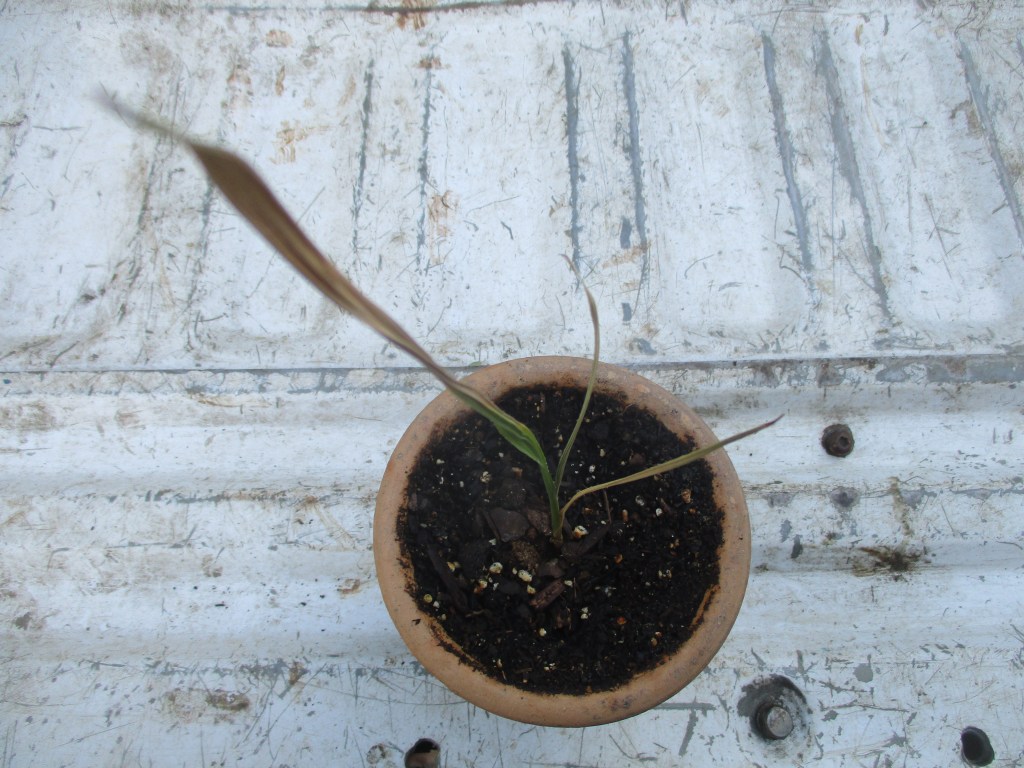
5. This is too blurry and dinky to look like much, but is a seedling of California fan palm. The seed was so old that I doubted its viability. I am very pleased with it, even if is the only survivor.P00606-5

6. White California poppies are rare in nature. This one was left in the landscape while many of the orange poppies were removed along with weeds. There is another only a few yards away.P00606-6

This is the link for Six on Saturday, for anyone else who would like to participate:

https://thepropagatorblog.wordpress.com/2017/09/18/six-on-saturday-a-participant-guide/