Six on Saturday: Camellias on Parade II – Another Sequel


The camellias are getting meager, but a few are STILL blooming, even a week after the camellias that were blooming so late last week! These pictures were taken at the same time as those for last Saturday. There were just too many to fit into six pictures. Last week, we had two light pink and four white camellias. These are the dark pink or red camellias. There are no pictures of sasanqua camellias, and we have no reticulata camellias.

1. This is probably the biggest of our camellias. I do not know the name of it or any of the camellias here, but I believe that this is one of the old classics that had been around for centuries, and was popular in the 1960s.P80428
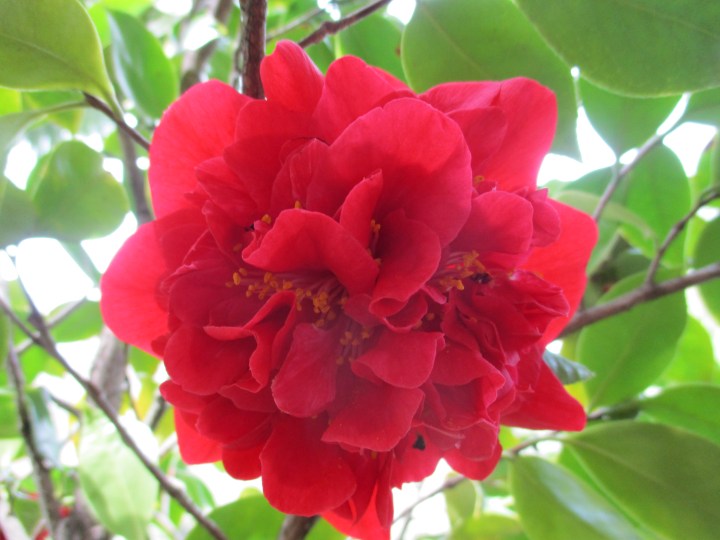
2. If this big ruffled dark pink camellia looks like the last one, it just might be. It does not seem to be as deep red, but that might be a result of the exposure.P80428+
3. You know, I do not typically like this simple pink; and I do not typically like this floral form; but for some reason, I really like this simple pink camellia. It just looks so much like a camellia should look.P80428++
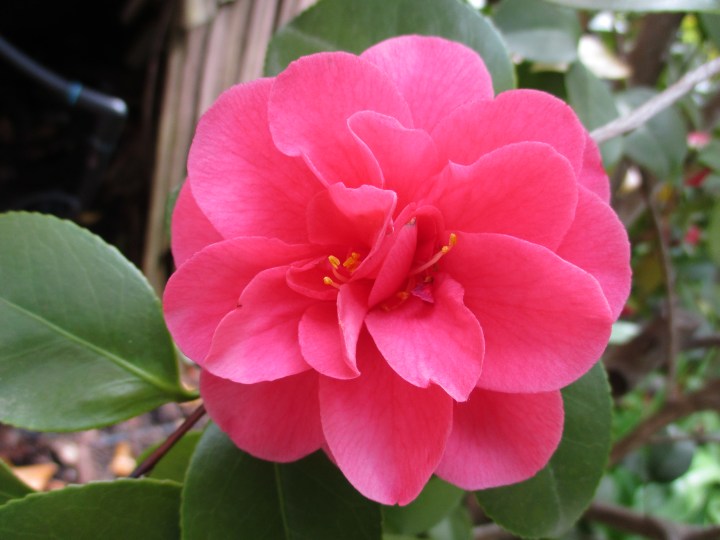
4. This floral form is more refined, but looks almost too perfect, as if the flower were assembled by robots on an assembly line.P80428+++
5. This one also seems to have been assembled, but is a bit friendlier. I happen to like such formality.P80428++++
6. Like #3, this one has an unavoidable appeal. It really looks like a camellia should look, although it also looks like it could use some Grecian Formula.P80428+++++
This is the link for Six on Saturday, for anyone else who would like to participate:

https://thepropagatorblog.wordpress.com/2017/09/18/six-on-saturday-a-participant-guide/

Six on Saturday: Camellias on Parade


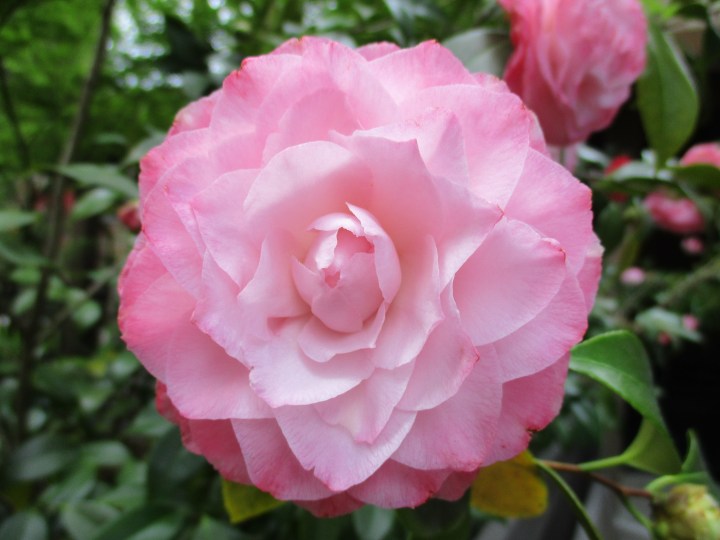
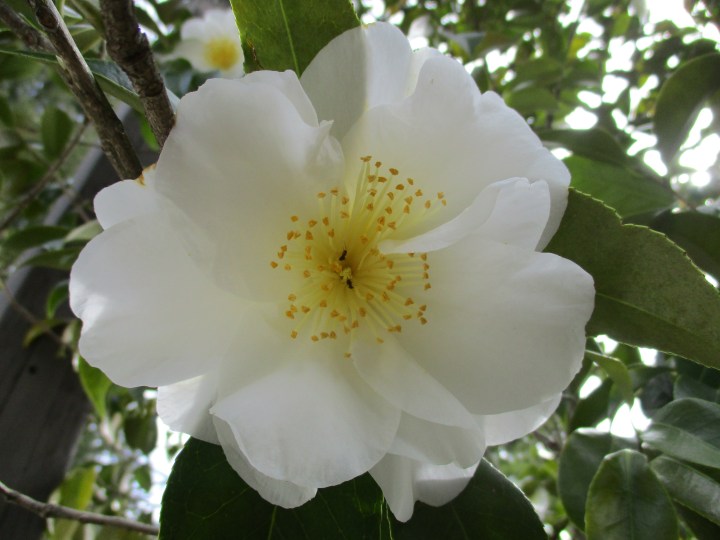
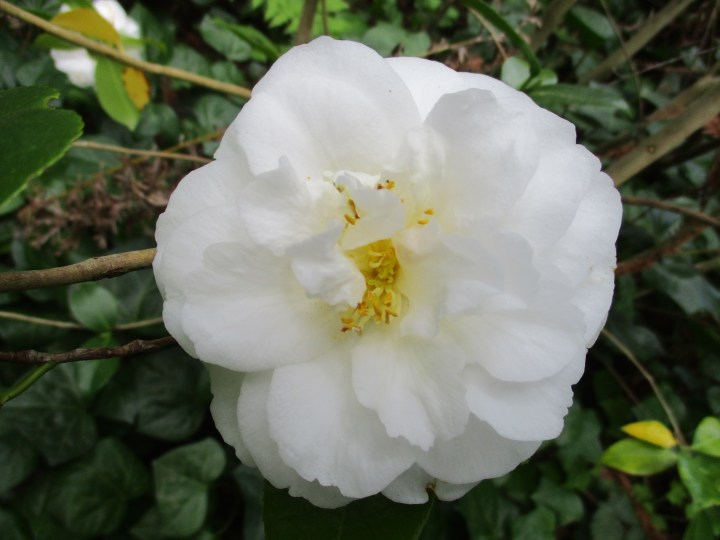
The camellias are STILL blooming! They may not bloom profusely, but they have been blooming for quite a while. I do not know how many different cultivars are here, but there are more than I can fit into just six pictures. There are six more for next week, although two might be the same. They are the dark pink or red camellias. For this week, we have two light pink and four white camellias. I did not get any picture of the sasanqua camellias. I have not seen reticulata camellias or any other specie here.

1. This clear pink camellia is probably my least favorite of these six, only because it is a bit too casual for my taste.P80421
2. This clear pink camellia looks more refined. I really like this form.P80421+
3. Now we have white, my favorite color, but the bright yellow stamens in the middle make this casual camellia look like a fried egg.P80421++
4. I happen to prefer this fluffier white, with less prominent stamens.P80421+++
5. Wow! This one really looks yummy!P80421++++
6. Now my favorite; so simple, and so white, although, the camellia in the previous pictures actually looks yummier!4bd5
This is the link for Six on Saturday, for anyone else who would like to participate:

https://thepropagatorblog.wordpress.com/2017/09/18/six-on-saturday-a-participant-guide/
Six on Saturday: Cherry on Top


The flowering cherry trees are like something from Washington D C. They are remarkably happy in our particular location. The air is a bit cooler and a bit more humid than in the Santa Clara Valley. The redwood forest protects them from wind. These pictures were taken last Monday. Bloom is finishing now. The trees in the first picture are already mostly green with new foliage. Bloom was excellent while it lasted.

Azaleas are still in full bloom in the same area. Some are farther along. Others still have buds opening. They seem to be a bit late this year.

The Dutch iris is interesting because it is so uncommon here. In other locations, it blooms well only once, and then does not get adequate chill to bloom the following year. These Dutch iris are doing quite well near the ‘Kwanzan’ flowering cherry in the third picture, and have been blooming reliable for several years.

The pansies, which are actually easy to grow here, did not do as well as other plants that should not have done as well as they did. A few bare spots are evident. However, because they are partly shaded and cooled by the redwoods, pansies can stay in this spot near the flowering cherries in the first and second pictures until the weather gets too warm for them in summer. In other places not so far away, they would have been replaced by warm season annuals already.

1. flowering cherry – Some know them as ‘Yoshino’. Others think they are ‘Akebono’. I really need to find out what they are so that we can add more before these deteriorating old trees get removed.P80414
2. flowering cherry – Double flowers are not my favorite, but the clear bright white is. Again, we do not know what cultivar this is.P80414+
3. flowering cherry – This one is obviously ‘Kwanzan’.P80414++
4. azalea – This red azalea should be easy to identify, but no one really cares what cultivar it is.P80414+++
5. Dutch iris – In our climate, this is impressively reliable bloom.P80414++++
6. pansies – Yes, I know they are cliché; but they happened to be blooming near the flowering cherries, so I could not just ignore them.P80414+++++
This is the link for Six on Saturday, for anyone else who would like to participate:

https://thepropagatorblog.wordpress.com/2017/09/18/six-on-saturday-a-participant-guide/
Six on Saturday: Rock Concert


Designing a landscape is too artistic for me. I am just a horticulturist. I just grow things, and sometimes tell others how to grow them in a landscape.

Rocks sometimes get in the way when I grow things. They are not something that I often consider to be an asset to the sorts of landscapes that I typically work with; although I have worked with some landscapes in which boulders and stones work very well. I happen to think that they work well in this landscape. I did not design it of course. I merely helped with the installation of new plant material, and the salvage of old plant material.

1. The Rock Stars! It was not easy getting them here!P80407
2. The Concert Venue: This is not a big landscape, but happens to be in a prominent location.P80407+
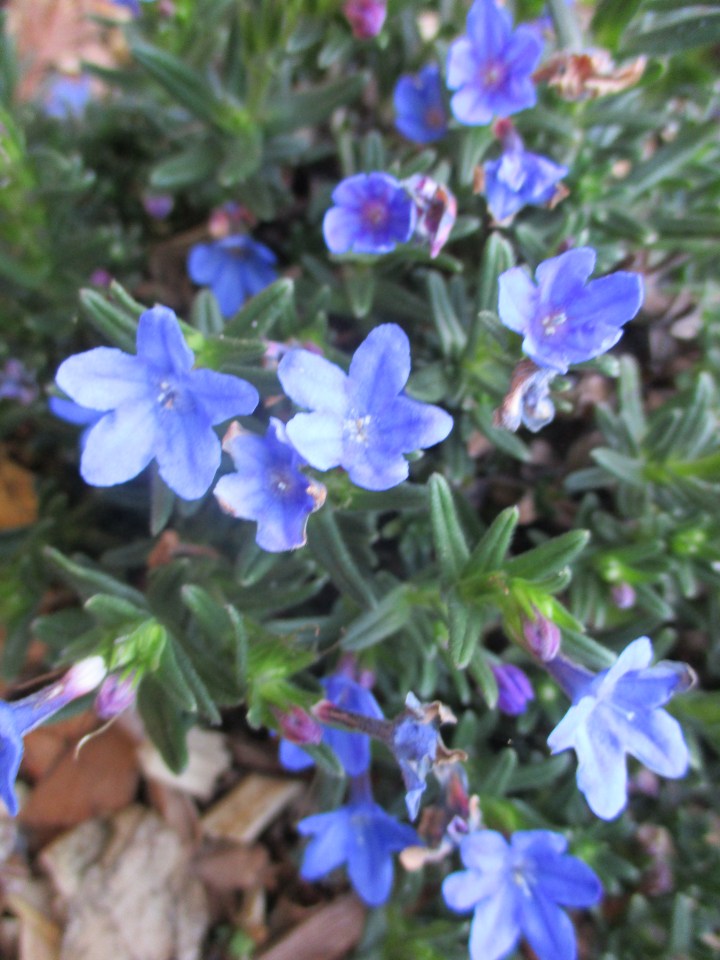
3. Blue flowers were added in front, off the left edge of the previous picture. I do not remember what species this is, but it is common nowadays.P80407++
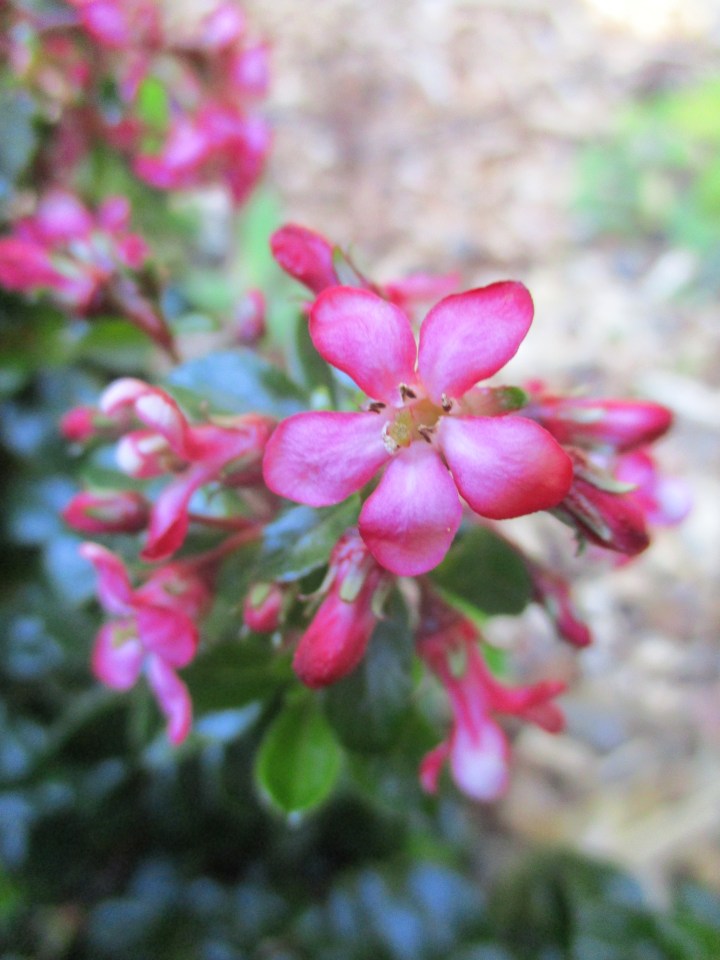
4. Escallonia was added just behind the blue flowers in the picture above. I do not remember what cultivar this escallonia is.P80407+++
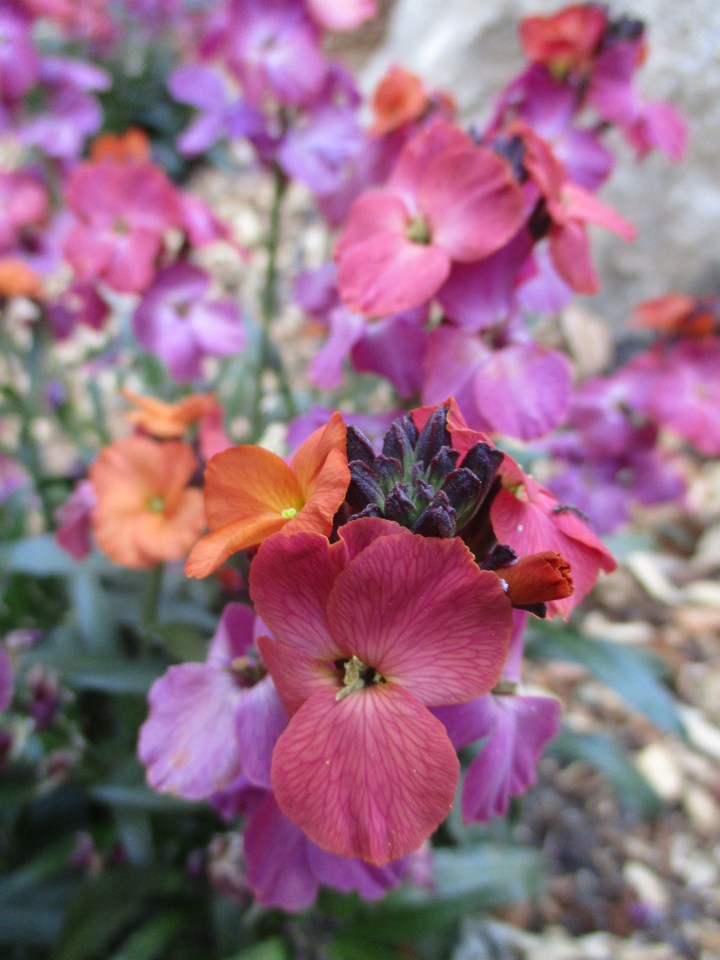
5. ‘Winter Orchid’ Wallflower was added in front of the Rock Stars, just off the left edge of the first picture. It might be ‘Winter Party’. I do not remember.P80407++++
6. Yellow Freesia is a remnant from the original landscape. There are red freesias too. We like them too much to remove them.P80407+++++
This is the link for Six on Saturday, for anyone else who would like to participate:

https://thepropagatorblog.wordpress.com/2017/09/18/six-on-saturday-a-participant-guide/
Six on Saturday: New Leaf


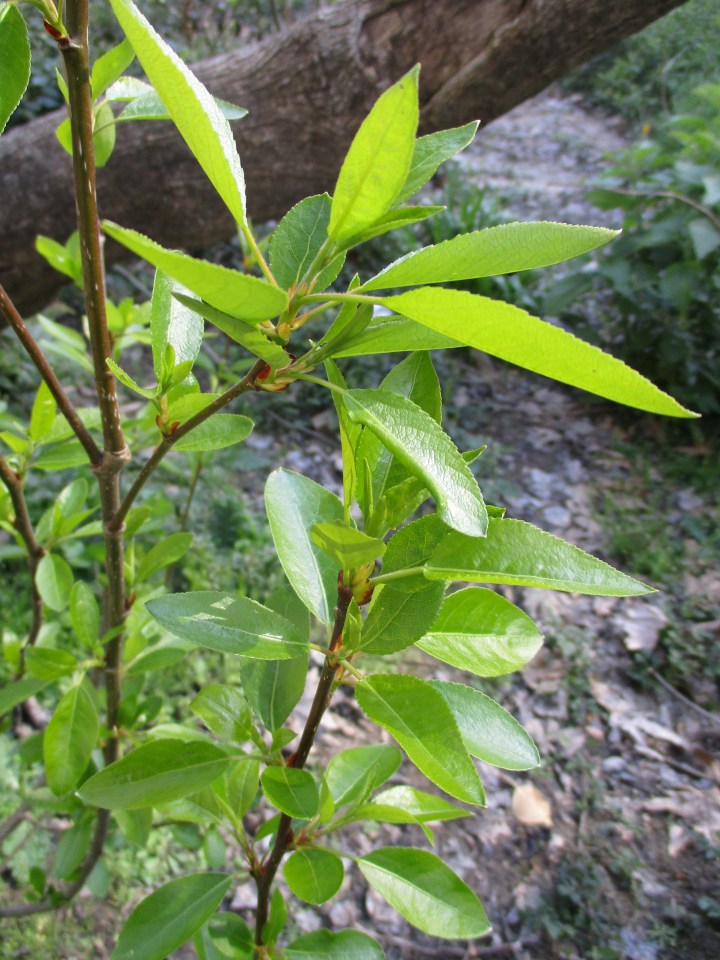
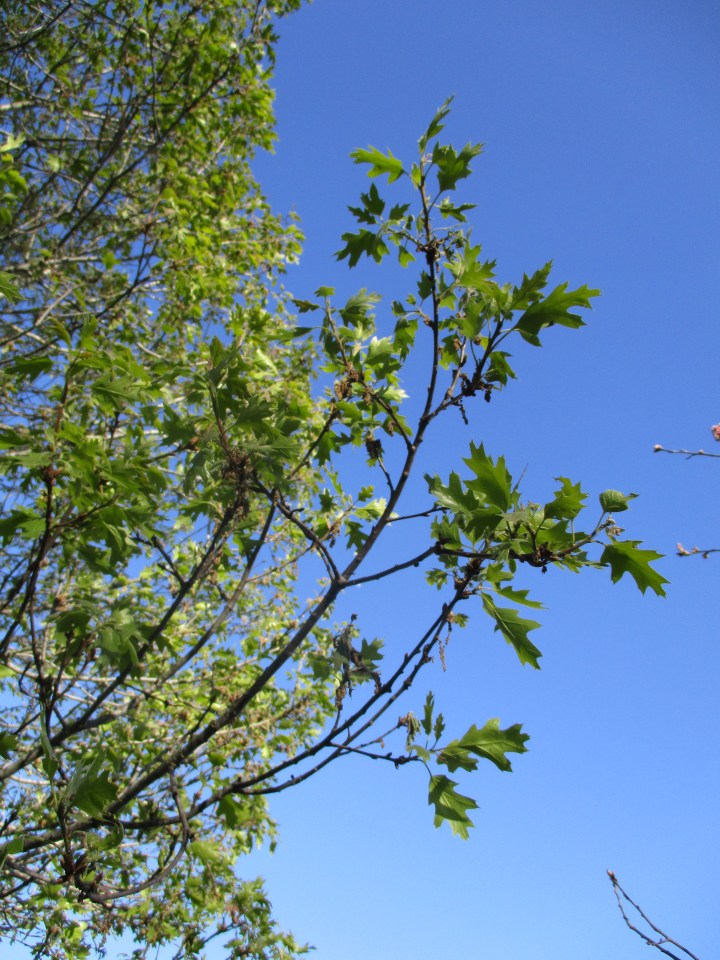
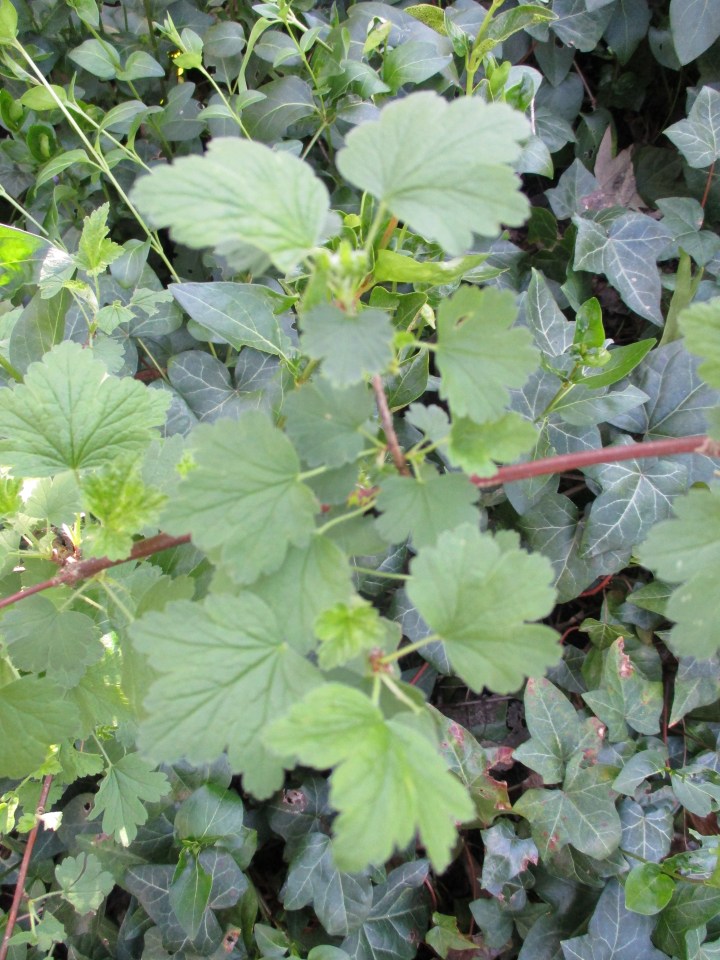
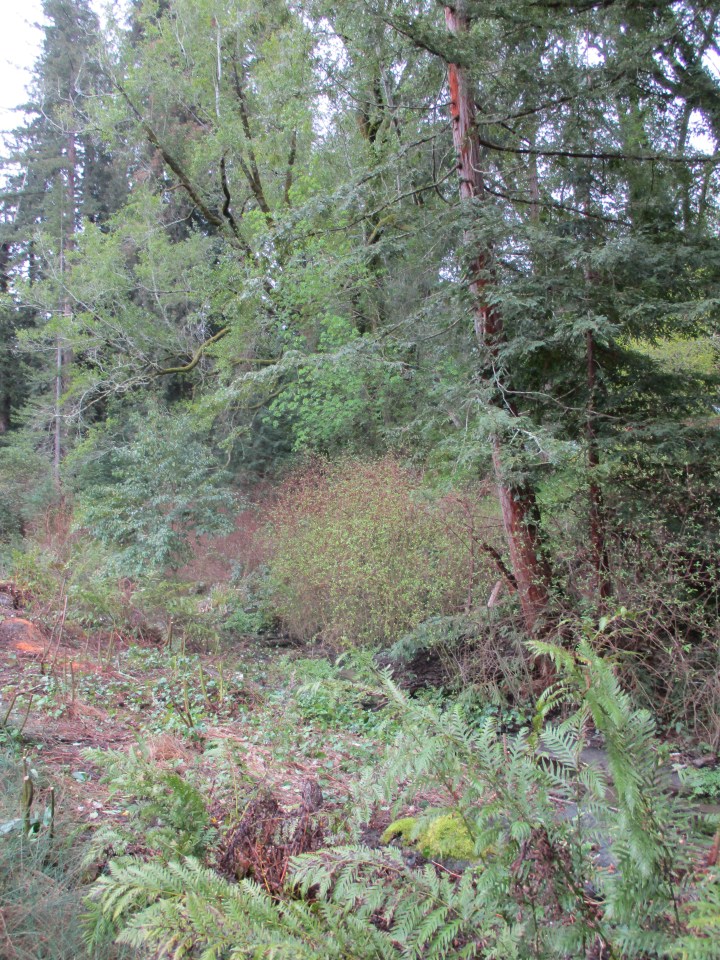
New foliage develops immediately after the earliest spring flowers. All six specie shown here are locally native to the San Lorenzo Valley in Santa Cruz County of California. With the exception of #4 (California) black oak, these specie are riparian specie found near the San Lorenzo River, which is the wet thing in the background behind #3 red willow. #4 (California) black oak naturally prefers drier situations a mile or so away, but happens to be in the area. #6 gooseberry is unidentified, and could have a color in the name like most of the others. #1 box elder has no color in the name, and is not related to #5 blue elderberry. Nor are #2 black cottonwood and #4 (California) black oak related to each other. #5 blue elderberry really is blue, unlike the black elderberries of eastern North America and elsewhere, which incidentally, are related to neither #2 nor #4. This is getting confusing. #3 red willow is also known by a few other names.

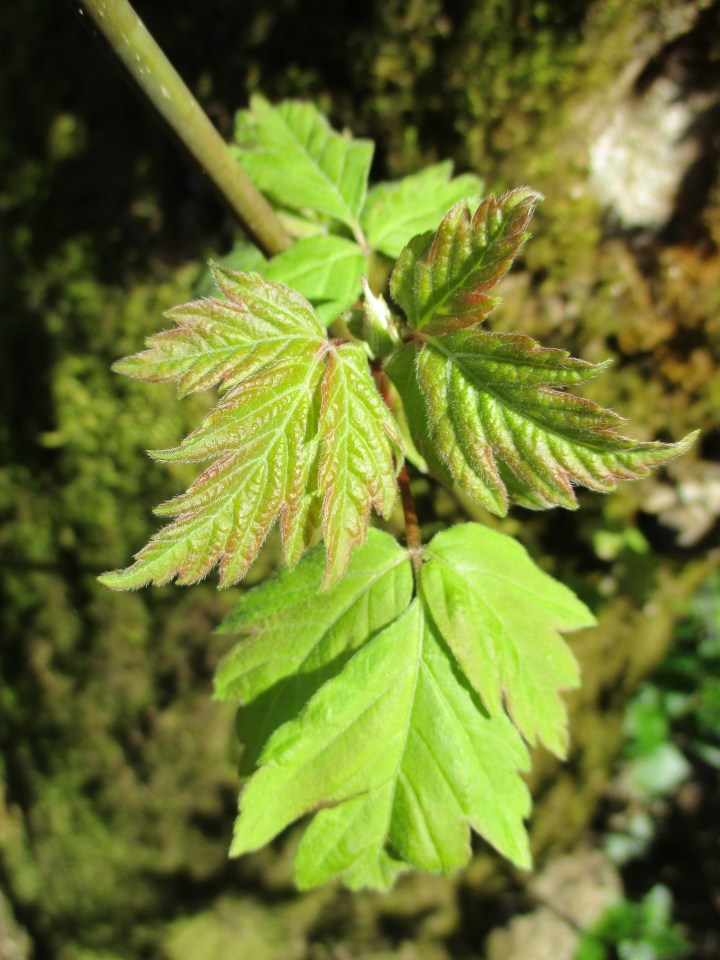
1. box elderP80331
2. black cottonwoodP80331+
3. red willowP80331++
4. (California) black oakP80331+++
5. blue elderberryP80331++++
6. gooseberryP80331+++++
This is the link for Six on Saturday, for anyone else who would like to participate:

https://thepropagatorblog.wordpress.com/2017/09/18/six-on-saturday-a-participant-guide/

Six on Saturday: Vegetation Management


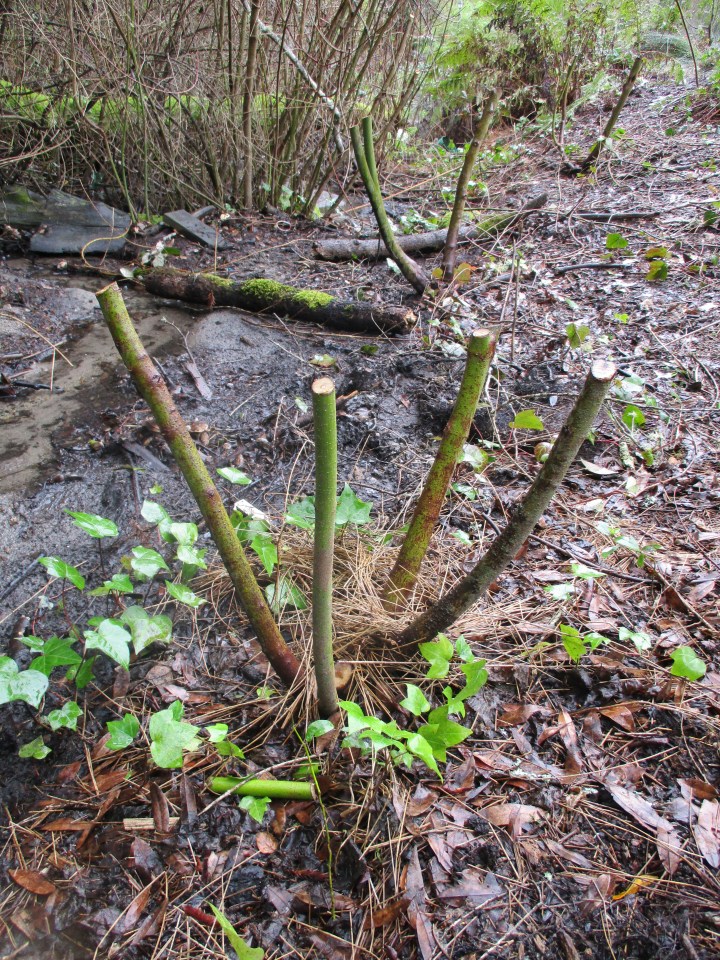
It sounds so unglamorous; probably because it is. We had been working on this project for three weeks, and just finished on Thursday. Most of the work was cutting back thickets of native (but installed) redtwig dogwood. It was neither coppicing nor pollarding, but something in between. They could not be coppiced completely because they are in trafficked areas where they might be tripping hazards until they regenerate. They were not quite pollarded because there were no real trunks remaining, just short stubs of canes. We also needed to removed brambles that were mixed with the redtwig dogwood, as well as a few exotic (non-native) plants that had grown in amongst the whole nasty mess. There were a few nice pyracanthas and privets that needed to be removed. In a better situation, they would have been nice specimens. This was not the right situation for any of them. Besides, privets seed profusely and are quite invasive.

1. Now you see it. This is a privet that needed to be removed.P80324
2. Now you don’t. This is the same privet noticeably absent.P80324+
3. Evidence. There really was a privet here.P80324++
4. And there it goes!P80324+++
5. Except for the foliage that just recently developed, this thicket of redtwig dogwood that will not be pruned is what the rest of it looked like.P80324++++
6. This is what it looks like now.P80324+++++
This is the link for Six on Saturday, for anyone else who would like to participate:

https://thepropagatorblog.wordpress.com/2017/09/18/six-on-saturday-a-participant-guide/
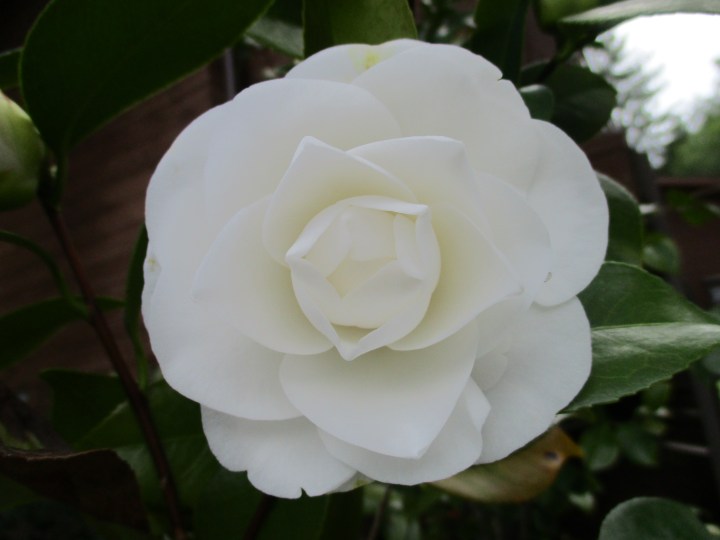
Six on Saturday: Infirmary


Some of the plants that get recycled at work go to a small nursery next door to the shop until they find a new home. Many are out of season annuals that are really perennials. Some were not performing adequately, so got replaced. Some just needed to get out of the way for something else. Because most plants must recover from transplant, or whatever happened to them out in the landscape, the nursery is more of an infirmary. Only a few plants were recently purchased at a nursery for installation into a new project.

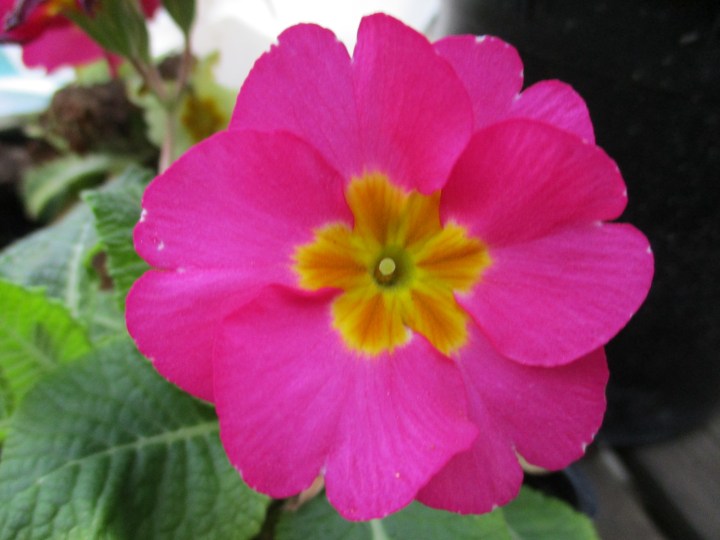
1. Primrose blooms in many colors besides white – the sequel to the sequel – https://tonytomeo.wordpress.com/2018/03/03/six-on-saturday-my-favorite-color-ii-the-sequel/P80317
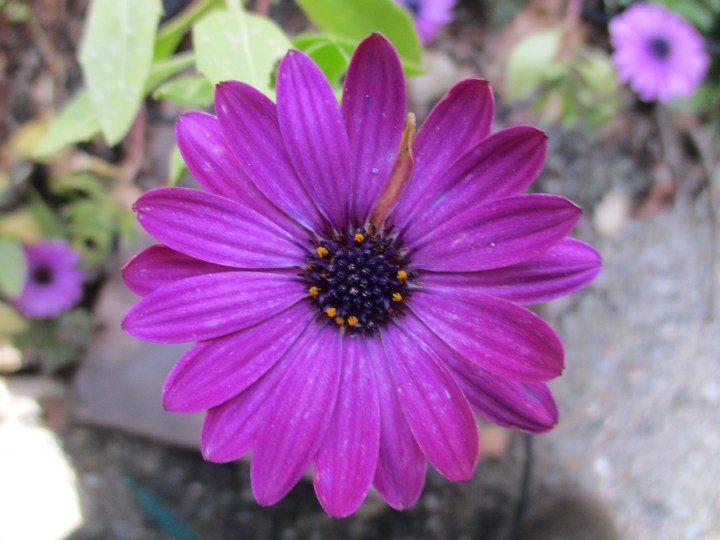
2. African daisy works well in the sunnier parts of our unrefined landscapes.P80317+
3. ‘Sunset Gold’ breath of Heaven is a new acquisition for a newly landscaped area; but was not my choice. This picture makes it look even worse than it really is.P80317++
4. Wallflower will go with the ‘Sunset Gold’ breath of Heaven.P80317+++
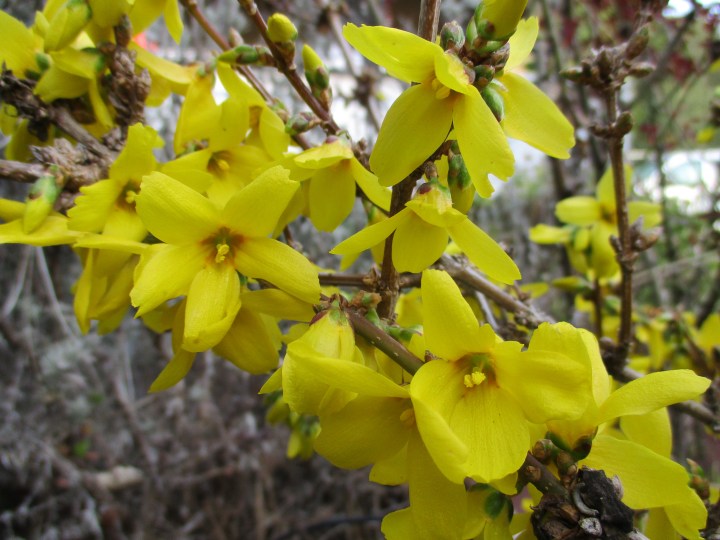
5. Forsythia is rare here. Besides this one, there is only one other in the landscape. This picture was taken earlier, while the forsythia were still blooming.P80317++++
6. ‘Black Lace’ elderberry is starting to foliate. I really want to try the berries from this ornamental cultivar, if it fruits, to see how they compare to the native blue elderberry.P80317+++++
This is the link for Six on Saturday, for anyone else who would like to participate:

https://thepropagatorblog.wordpress.com/2017/09/18/six-on-saturday-a-participant-guide/
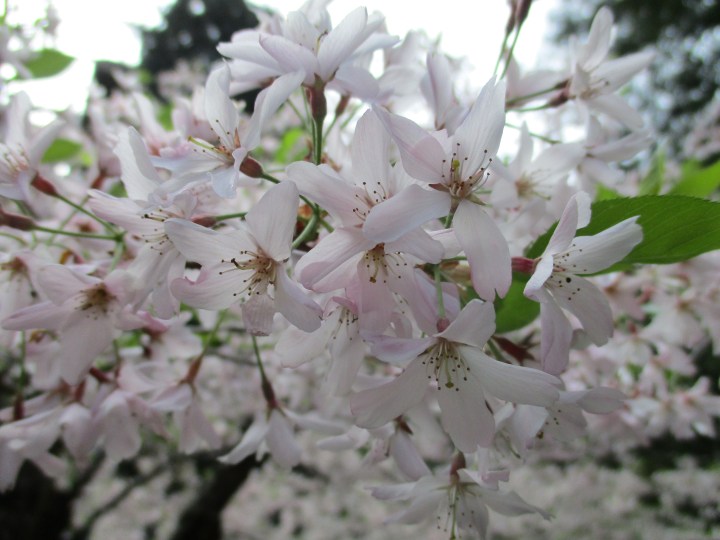
Six on Saturday: Blackwood Acacia


Blackwood acacia, Acacia melanoxylon, happens to be one of my least favorite trees, but it does happen to be rather interesting. Mature trees have no leaves. Really. I don’t mean that they defoliate through winter and refoliate in spring. Only juvenile growth has bipinnately compound leaves. As growth matures, leaves are smaller, and are outfitted with distinctively winged petioles. As growth progresses, the winged petioles, known as ‘phyllodes’, become more prominent, and lack vestigial leaves. Therefore, once mature trees outgrow their juvenile growth, no leaves remain.

I dislike blackwood acacia because it is an invasive exotic species, like Acacia dealbata, but not as invasive. Mature trees sucker profusely from roots to form groves of several straight and vertical trunks. Where they are not a problem, groves of mature trees are rather handsome, but do not last long before they start to deteriorate. Foliar liter has an herbicidal effect that inhibits weed growth, but also inhibits the growth of desirable plants. It also produces an objectionable aroma.

1. Juvenile leaves are bipinnately compound, like those of Acacia dealbata.P80310
2. Leaves become more diminutive with distinctively distended petioles as growth matures.P80310+
3. Adult foliage is comprised exclusively of phyllodes, without leaves. The phyllodes function and look just like simple leaves.P80310++
4. Blackwood acacia flowers are not much to look at. Even in full bloom, they are grungy yellowish white.P80310+++
5. At least the bark is handsome.P80310++++
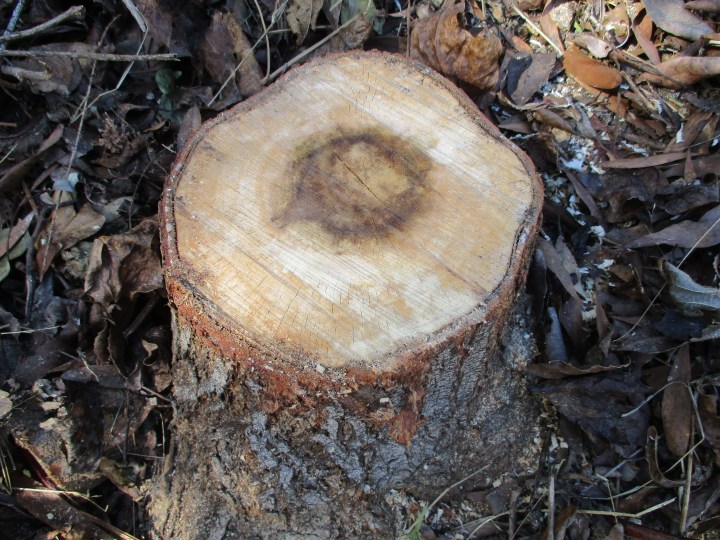
6. The best blackwood acacia is a dead blackwood acacia.P80310+++++
This is the link for Six on Saturday, for anyone else who would like to participate:

https://thepropagatorblog.wordpress.com/2017/09/18/six-on-saturday-a-participant-guide/

Six on Saturday: My Favorite Color II – The Sequel!


WHITE!

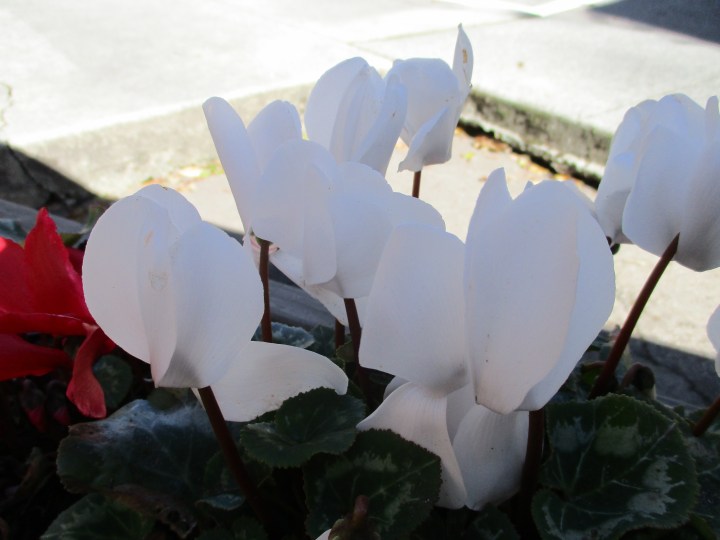
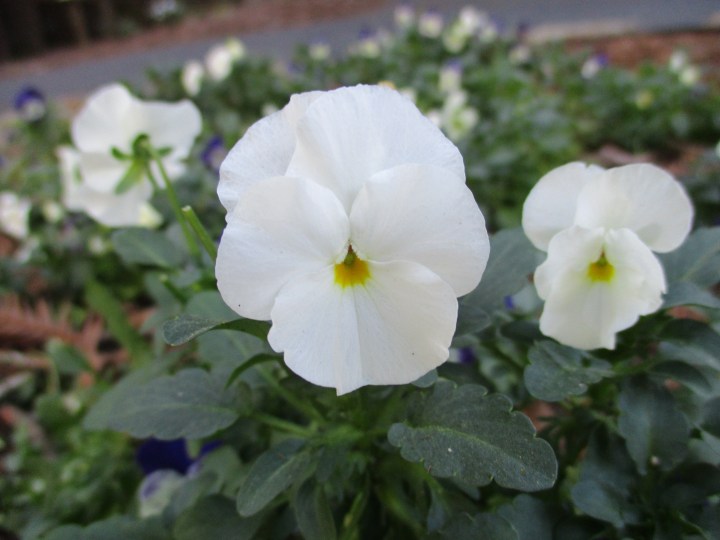
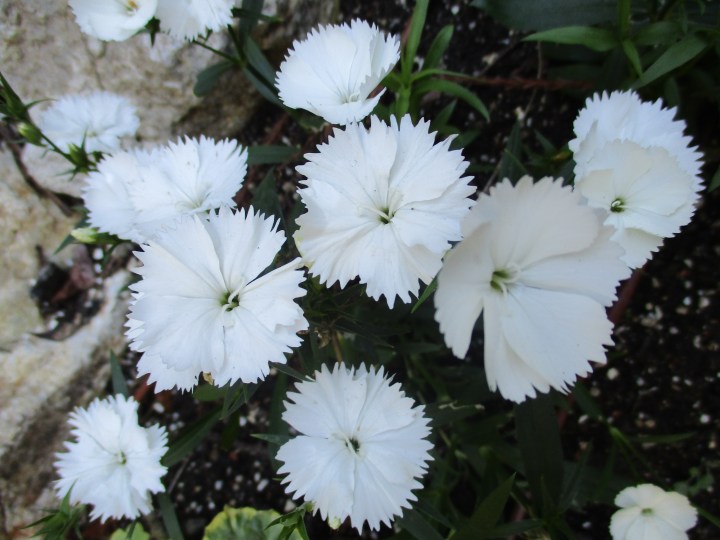
These are a few more of the flowers I get to work with. The cool season annuals will eventually be replaced with warm season annuals. The English daisies are warm season annuals that replaced cyclamen. Candytuft stays as a perennial. The viola and dianthus are sparse because of the shade from the big redwoods.

If you are easily offended, you should not read this article I wrote earlier about my favorite color: https://tonytomeo.wordpress.com/2017/09/21/white-supremacy/

1. cyclamenP80303
2. violaP80303+
3. dianthusP80303++
4. primroseP80303+++
5. English daisyP80303++++
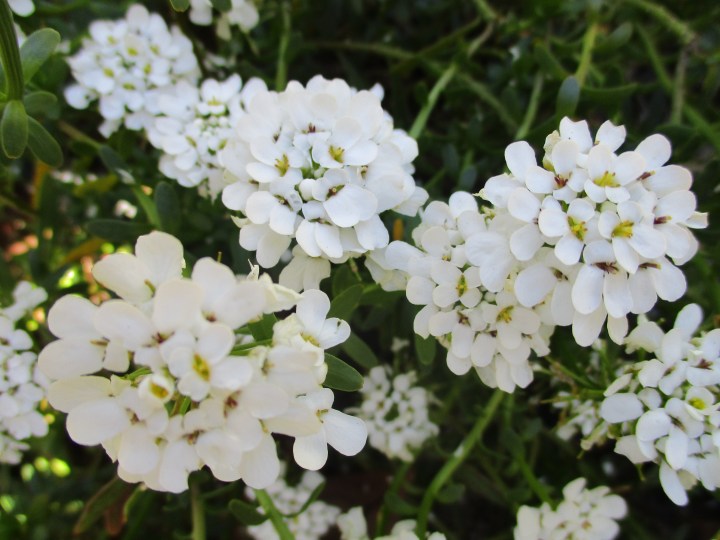
6. candytuftP80303+++++
This is the link for Six on Saturday, for anyone else who would like to participate:

https://thepropagatorblog.wordpress.com/2017/09/18/six-on-saturday-a-participant-guide/

Six on Saturday: My Favorite Color


WHITE!

These are a few of the flowers I get to work with. I do not know any of the cultivars. Some are blooming a bit early because of the prior warm weather.

If you are easily offended, you should not read this article I wrote earlier about my favorite color: https://tonytomeo.wordpress.com/2017/09/21/white-supremacy/

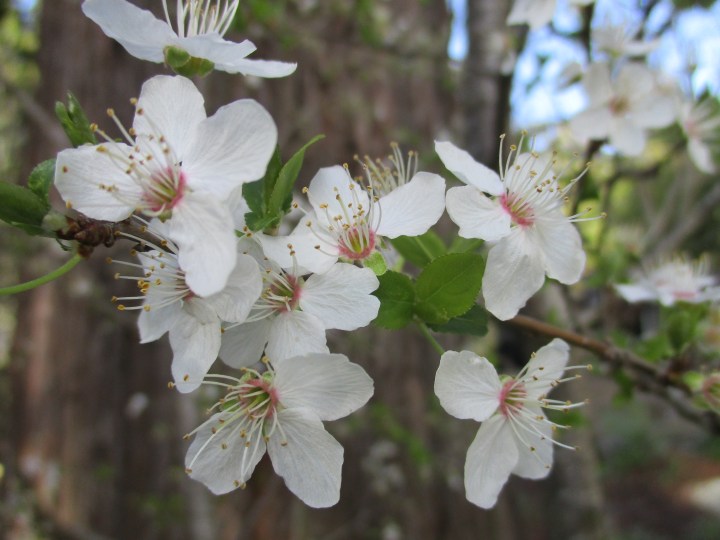
1. American plumP80224
2. rhododendronP80224+
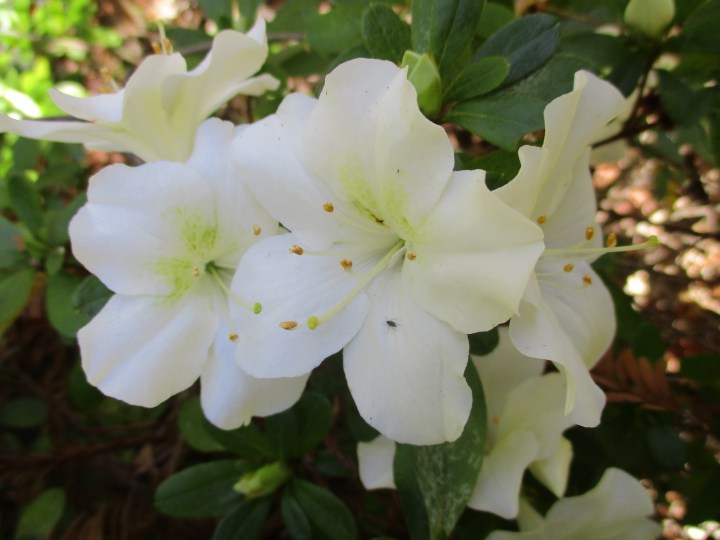
3. azaleaP80224++
4. camelliaP80224+++
5. zonal geraniumP80224++++
6. callaP80224+++++
This is the link for Six on Saturday, for anyone else who would like to participate:

https://thepropagatorblog.wordpress.com/2017/09/18/six-on-saturday-a-participant-guide/