Summer Vegetables Like Warming Weather

00325thumb
Summer Vegetables Like Warming Weather

Tomato, pepper and eggplant plants should be out in the garden by now. They typically get planted only a few weeks after the last threat of frost, so that they can start to disperse their roots early. Growth above ground accelerates as the weather gets warmer. Fruit develops and ripens through summer.

These three types of vegetable plants get planted as seedlings for two main reasons. First, when they go into the garden, seedlings are bigger and more established than seeds that need to take time to grow are. Secondly, the cost of the few plants needed for an average garden is not much more than the cost of seeds.

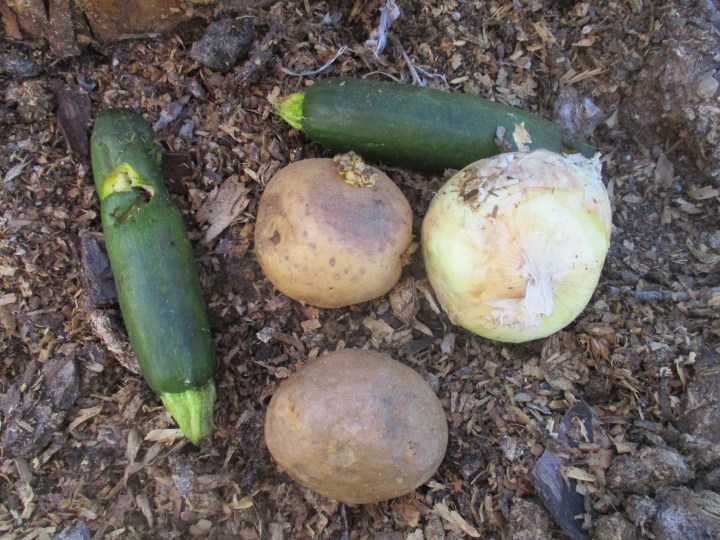
Now, zucchini, melon and summer squash can be done either way. Not many plants are needed, so the expense of seedlings is minimal. However, seedlings are a bit more fragile than those of tomato, pepper and eggplant. Seeds grow so efficiently that they get established almost as readily as seedlings do, so are just as practical.

Regardless of how they get planted, the weather has been so odd this year that there has been only minimal advantage to planting seedlings and sowing seed on time. Tomato, pepper and eggplant plants that were planted early may not be much more mature than what could be planted now. Harvest will be delayed either way.

Bean, cucumber and corn all grow best from seed. Seedlings take more time to recover from transplant than seed take to germinate and grow. Besides, so many plants of each type are needed that seedlings would be expensive. A single package of seed is cheap and goes a long way, so is probably sufficient for an average garden.

Corn is one of those vegetables that produces on a rather tight schedule. Seed that gets sown at any particular time matures at the same rate, so that all the fruit finishes at about the same time. This is why corn gets sown in phases. If timed properly, a subsequent phase begins to produce as the preceding phase gets depleted.

Winter squash, including pumpkin, are similar to summer squash, although they are more tolerant of unusually cool spring weather. They too can either get planted as seedlings or sown as seed. They take their time to produce fruit that ripens by autumn, so have more time to catch up.

When It Rains, It Pours

P00418K-1
Mudslide!

The only reason we developed a small vegetable garden here this year is that we have been unable to go to work for about a month. Without my second most time consuming employment, I had time to clear a small unused space (which was not nearly as simple as that sounds) and sow seed for vegetables. It was a late start a month ago, but not too late.

In fact, there was still time to do it before the last storm to go through. I know that sounds trivial, but as a Californian who is accustomed to gardening in a chaparral climate, and sometimes where there is no water available, planting prior to a storm ‘seems’ to be rather important. I know it is not. Water is available here. Otherwise, I would not grow vegetables.

Not only was there a storm, but there was a second storm later! Of course, it is not really that simple. The first light duty storm was nice, and soaked things sufficiently. Then the weather stayed strangely cool for this time of year. Nothing germinated. Then the second storm was brief but torrential enough to erode all of the recently sown seed right out of the new garden!

It was too comical for me to be too annoyed by it. I only needed to see what survived the erosion so that I could replace what did not. I almost replaced everything anyway, just because I was that certain that nothing survived.

Well, as it turned out, not much was missing! The garden got a slow start, and was delayed again by cool weather, but somehow seems to be recovering nicely. Even some of the very old seed that I did not expect to be viable has germinated.

P00418K-2
A late batch of radish somehow survived.

Now, I must go work in the garden.

P00418K-3

P00418K-4
Late but ready to go.

Six on Saturday: Greens


There are no vegetables in the garden yet. It is so shameful. Work had been so overwhelming that I am only now renovating a small vacant space into a new vegetable garden, and only because I am unable to go to work at my most time consuming job. I needed to remove our berry canes to do it!

Until the garden becomes productive, and perhaps to avoid the supermarket, I have been getting much of my produce from the surrounding forest and landscapes.

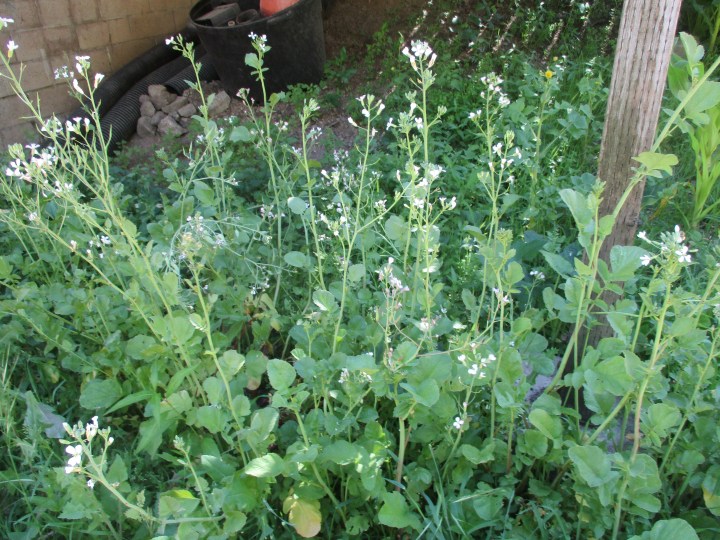
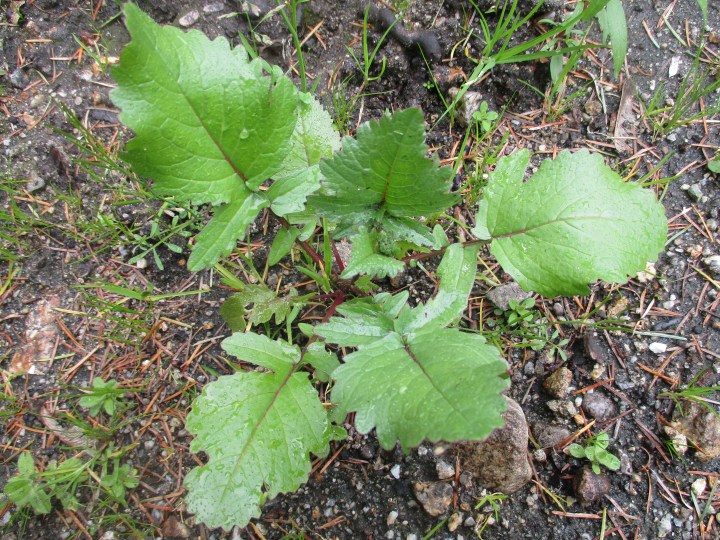
1. mustard greens – are the most abundant of the greens growing wild around the perimeter of the abandoned baseball field. Similar wild radish and turnip greens are even better, but not abundant.P00328-1

2. dandelion – grows in the outfield of the same abandoned baseball field, mostly past third base. They are not my favorite, but are an alternative to the other greens. These are dirty from heavy rain.P00328-2

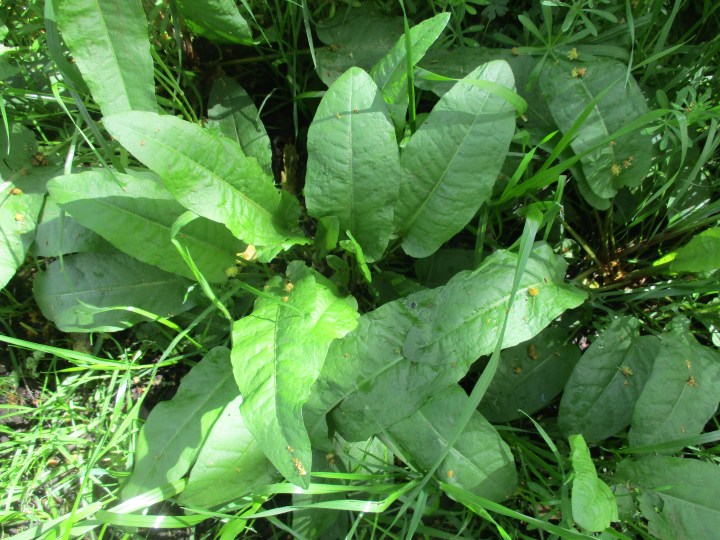
3. dock – is more randomly sporadic. It grows amongst the other greens and elsewhere, although not in significant colonies. The tough midribs are supposed to be removed. I just chop them up fine.P00328-3

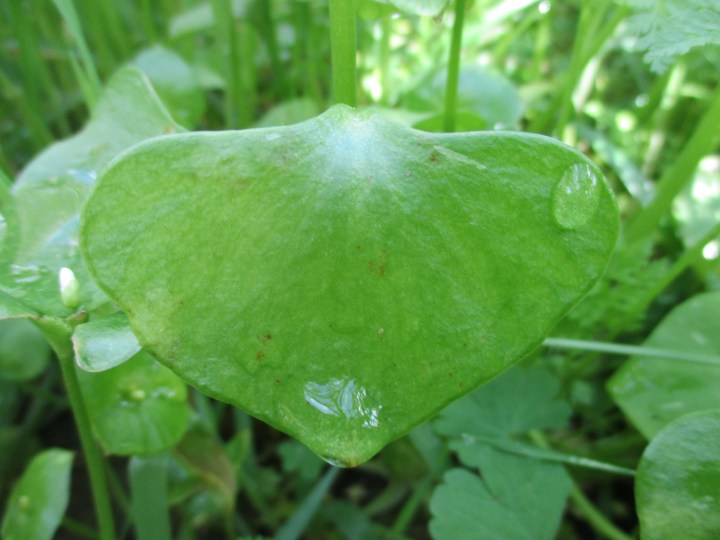
4. miners’ lettuce – is the only native of these greens. Most leaves are circular with tiny white flowers in the center. These vegetative leaves are supposedly better. Like lettuce, they do not get cooked.P00328-4

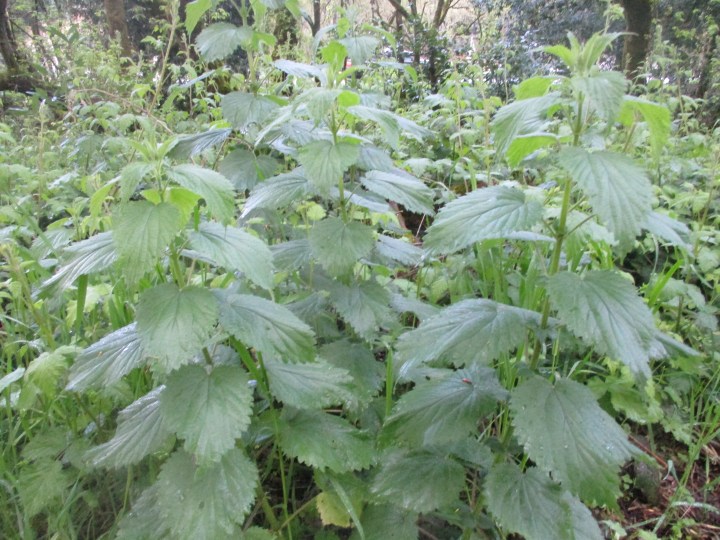
5. stinging nettle – must be cooked to stop stinging. This is my favorite of the greens. It is like spinach that I do not need to tend to. I get it from along the trails where it should be eradicated anyway.P00328-5

6. Rhody – is not even remotely relevant to greens; but everyone wants to see him. Someone suggested that I write exclusively about Rhody, as if my horticultural topics are insufficiently interesting.P00328-6

This is the link for Six on Saturday, for anyone else who would like to participate:

https://thepropagatorblog.wordpress.com/2017/09/18/six-on-saturday-a-participant-guide/

Poppy And Periwinkle

P00321-1
Even though I know they are slightly purplish, periwinkle look blue to me.

Clearing space for a new small vegetable garden is more work than it will be worth. It took more than a day to remove the thicket of bramble from a triangular area that is only about forty feet from front to back, and not much more than twenty feet wide. After so many years of getting trash dumped on top of them, the brambles were unusually prolific with gnarly root burls.

There is still significant work to do. I still need to condition the soil and groom the adjacent junipers before sowing seed for the warm season vegetables for this summer. Now that I can see that the junipers that were formerly concealed by brambles are worthy of salvage and grooming, I will need to clear a bit more garden space across the road, and cut back a few trees above.

When finished and producing, the garden will not produce enough. The four hundred or so square feet in the main part of the garden should supply enough for two people; but realistically, it would more likely produce enough for me alone, with a bit extra to can for when it is not producing much. There are about a dozen on our crew. They all have families. I need a quarter acre!

The math of it all is frustrating. So is all the work to get it started. It all seems so futile. I know we will appreciate the little bit that we get. I will still get plenty from the weeds that grow wild around the baseball field, so will not take much from the garden.

P00321-2
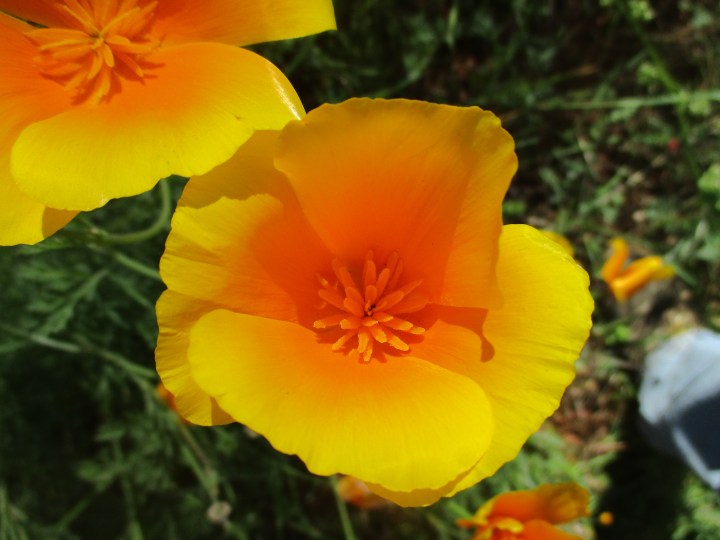
As simple as they are, poppies are still my favorite native wildflower.

For now, I try to visualize what the small vegetable garden will look like in production this summer, even if all that I see blooming are the poppies and periwinkle on the outskirts.

P00321-3
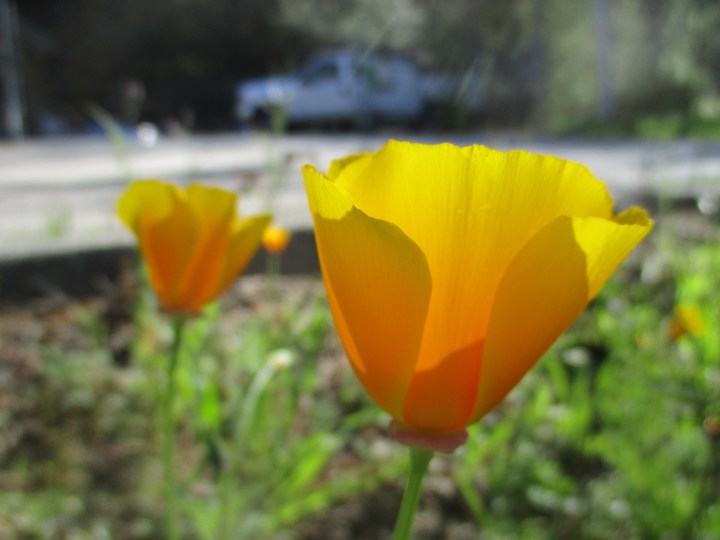
My illustrations are more technical than artistic. It looks like someone else took this one. Ignore the pickup in the background.

Horridculture – Red Hot Chili Peppers

00325thumb
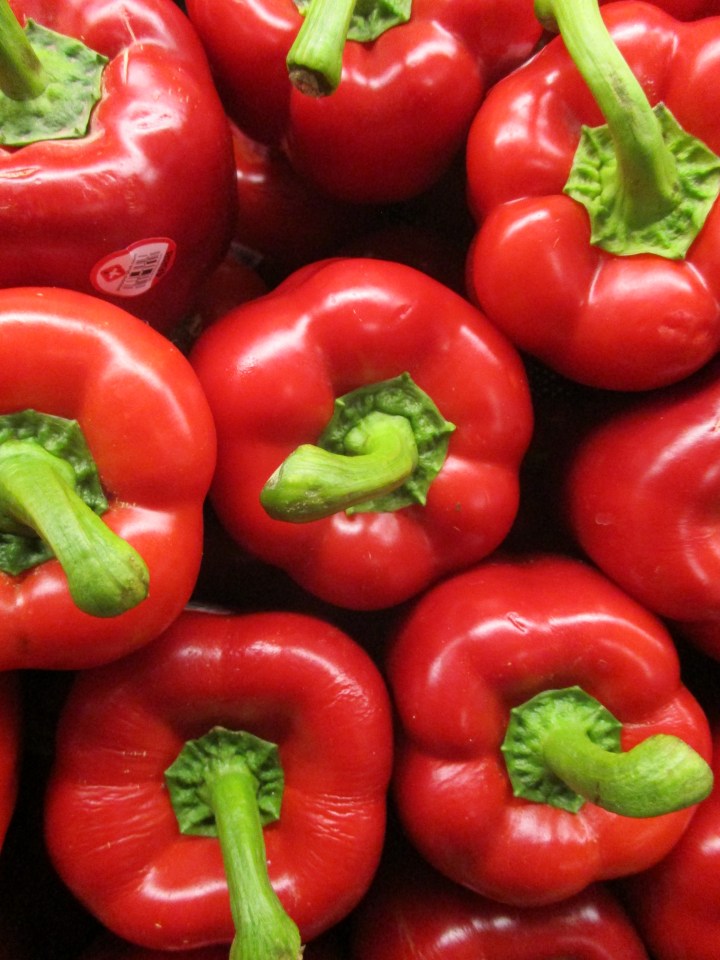
Sweet bell peppers are actually more of a challenge to grow.

This illustration is relevant neither to the topic, nor to that really creepy rock band of the same name. Even though the band has been popular since I was in high school, all that I know about them is that I am none too keen on their music. Embarrassingly, I do not know much more about the topic, and it has been a hot topic much longer than I have been growing my vegetables.

Vegetables make no music of course. I just mean that I am no more familiar with contemporary cultivars of hot pepper than I am with music that I do not appreciate. I happen to appreciate some types of peppers, and some of them happen to be hot peppers. However, I have not bothered to get acquainted with those that are so ridiculously hot that I do not want to grow them.

Why should I? What are they good for? Why waste my time, limited garden space and other resources on something that no one wants to eat or add to any recipe? They are not particularly productive. If they were, they would only make more of something that is just as useless as the few that each plant produces. I can not even justify putting effort into finding a picture of one.

Those who indulge in this fad brag about it profusely. They post pictures of their few tiny hot peppers online, with sensational claims that there is nothing hotter. Some post selfies with their free hand dangling one of their weird peppers over their extended Gene Simmons tongue. Some even post videos of their drunken friends tasting their peppers, as if it can not be done sober.

I suppose that, regardless of how pointless it seems to me, it is one way to enjoy gardening.

Onion

00325
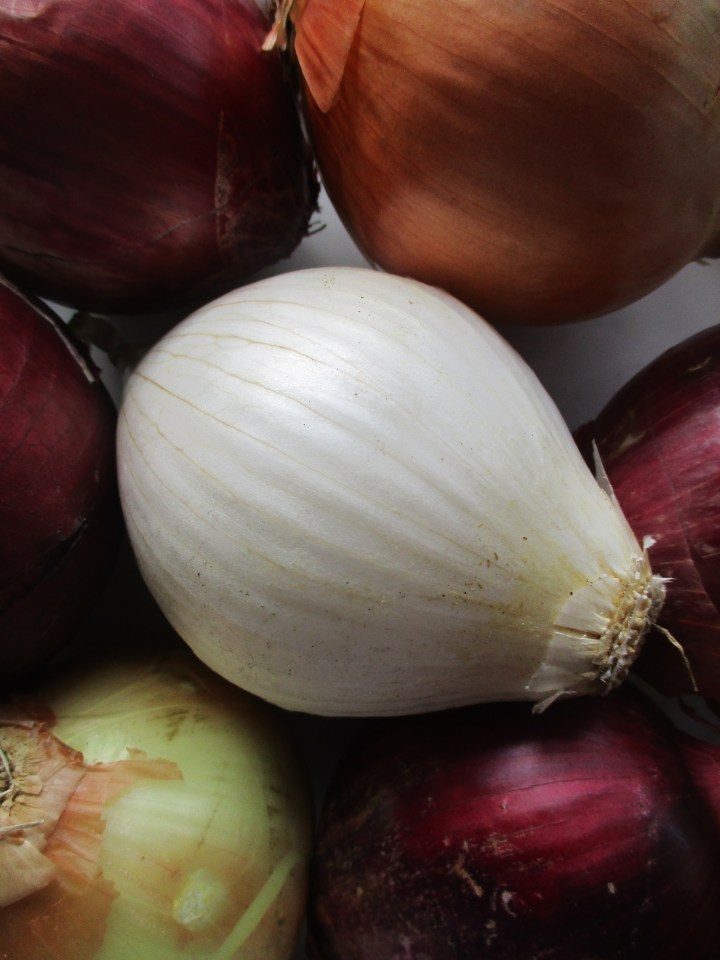
Onions are weirdly bulbous foliar vegetables.

Although it is the most cultivated species of its genus, no one knows the origins of domestic onion, Allium cepa. Leek, shallot, garlic, chive, and a few other species are also popular vegetables. Most common bulbing onions produce familiar distended bulbs that are ready for harvest after defoliating and initiating dormancy in autumn. Green onions are leaves and attached juvenile bulbs.

Onions are probably easiest to grow locally from small juvenile onions known as ‘sets’, that grew from seed during the previous summer. Alternatively, seed sown during summer grows into small plants that go dormant to overwinter, and then resume growth the following spring. Mature onions should go completely dormant in autumn before storage, but are usable directly from the garden.

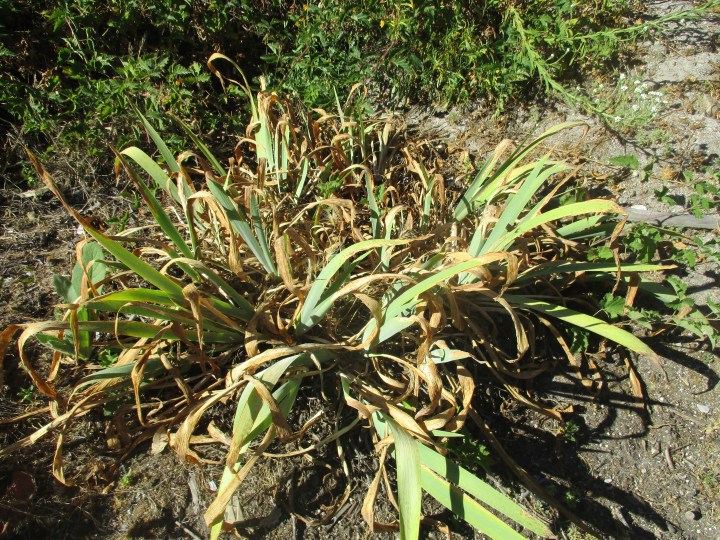
Yellow or brown onions are the most popular for cooking. Red or purple onions are milder and more colorful for fresh use, and are also popular for stir fry. White onions, whether fresh or cooked, are even milder, and are the traditional onions for salsa. All onions produce distinctively bluish foliage that stands about a foot high. The hollow leaves flop over and shrivel for dormancy in autumn.

Crop Rotation For Home Gardens

00325thumb
Pepper plants should get relocated annually.

Vegetable gardening is not permanent landscaping. With few exceptions, vegetable plants are annuals, like bedding plants. They do their respective jobs within only a few months. When finished, they relinquish their space to different vegetable plants of a different season. More of the same will be in season again in a few months. Crop rotation is something to consider when that happens.

Crop rotation is standard procedure for field crops involving several acres of the same variety of vegetable. Some crops grow on the same land for a few years. Some change annually. With few exceptions of big perennial vegetable plants, none stay in the same location for too long. Some fields go fallow for a season without production. Most simply produce a different type of vegetable.

Vegetables that grow for too long in the same soil eventually deplete some of the nutrients that they use most. Different types of vegetables deplete different types of nutrients. Crop rotation allows soil that was depleted by one type of vegetable to be used by another type that does not mind the depletion. While slowly depleted of a new set of nutrients, soil recovers from previous depletion.

For example, a sunny side of a fence is an ideal spot to grow pole beans. It is tempting to grow them there annually. However, they do not perform as well for a second season, and are likely to be scant for a third year. However, tomatoes appreciate what beans do to the soil, and do not miss what they took from it. After tomatoes take what they want for a season, beans are ready to return.

Crop rotation also helps to disrupt the proliferation of host-specific pathogens that overwinter in the soil and decomposing plant parts.

Generally, new vegetable plants should not be of the same family as vegetable plants that they replace in a particular location. Beans, squash, okra or corn should be happy where tomatoes grew last year. Peppers and eggplants are of the same plant family as tomatoes, so are likely to crave what the tomatoes already depleted. They are also susceptible to some of the same pathogens.

Potato

00318
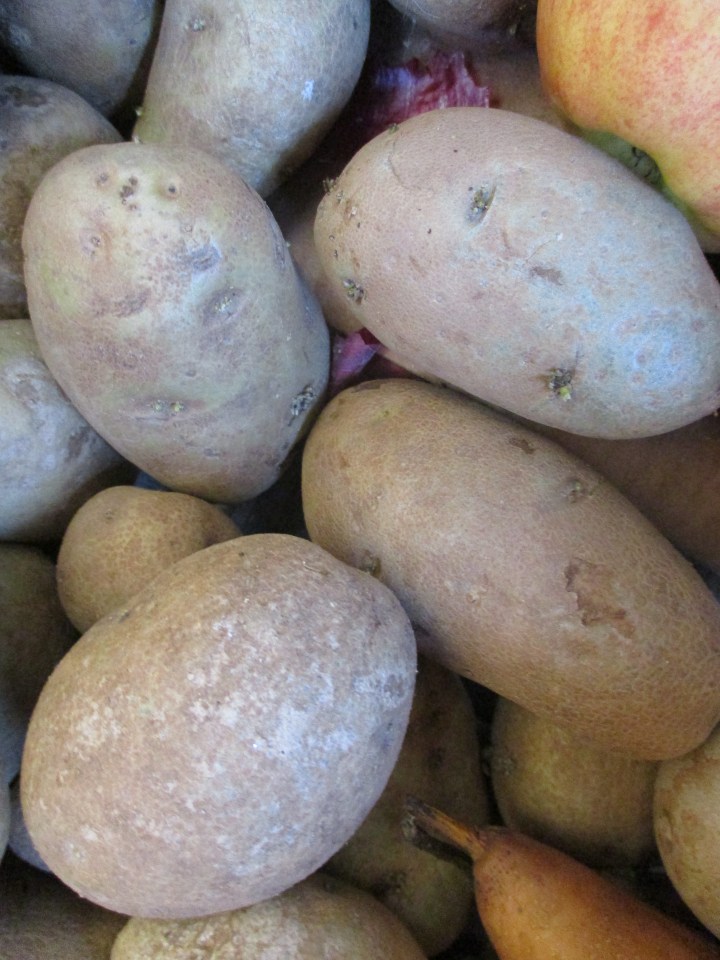
Grow potatoes now to dig later.

First thing first. Potatoes are not roots. They are only classified as a root vegetable because they grow underground. They are actually a sort of specialized subterranean stem known as a ‘stolon’. Because they are so distended, a more accurate distinction might be ‘tuberous stolon’ or ‘stoloniferous tuber’. Their eyes are buds, which roots lack. Their roots extend from eyes and other roots.

Most cultivated potatoes are of the species Solanum tuberosum. Some of the thousands of cultivars that were developed during the thousands of years that potatoes have been in cultivation are distantly related to other species. Hybridization was a means with which to incorporate desirable characteristics of other species. Potatoes are presently one of the main food crops in the World.

Small potatoes or pieces of potatoes, which are known as ‘seed potatoes’, start to grow in home gardens after the last frost. Potatoes are not grown from actual seed because of the potential for genetic variation. After bloom later in summer, their coarse foliage dies to the ground. Potatoes that grew during the previous season are then ready to get dug. Fruit and all green parts are toxic.

Pumpkin

91030It really would be nice to be able to transform a pumpkin into a chauffeured coach to ride to the ball, just by waving a magic wand over it. A Buick would be even more excellent! Over the years, as the variety of new Buicks has diminished to not much more than a few SUVs that are scarcely more stylish than pumpkins, the variety of pumpkins has grown crazily. Form is not following function.

You see, for longer than anyone can document, pumpkins were grown merely for food. They still make much better pie than other winter squash would. Many varieties produce nicely edible seeds and bloom. In fact, some types are grown specially for their hullless seeds, which are known as pepitas, or for pumpkin seed oil. Nowadays though, pumpkins are more ornamental than culinary.

Decades ago, bright orange pumpkins with relatively thin shells became more popular than the more brownish orange and thicker shelled culinary types. They are more colorful, and more easily carved into Jack-O’-lanterns, but not quite as richly flavored. Since then, white, yellow, pink, red, green and bluish gray pumpkins have become available, in all sorts of shapes, sizes and textures.

Squash For Autumn And Winter

91030thumbWinter squash are not exactly the sort of cool season vegetables that their designation implies. They grow through the summer just like summer squash do. Both winter and summer squash are warm season vegetables that get planted early in spring. The difference is that summer squash get harvested regularly through summer, and winter squash get harvested only once after summer.

Zucchini, crookneck, pattypan and other summer squash are very productive as long as the weather is warm, and their fruit gets harvested. Fruit that stays too long and continues to mature gets big and tough, and consumes resources that would otherwise be diverted to newly developing fruit. Therefore, regular harvesting of the more desirable juvenile fruit actually promotes production.

Pumpkin, acorn, butternut and other winter squash grow all summer, but each plant should be allowed to produce only a few fruits each. Some pumpkin vines produce only one fruit each. Once the desired number of fruits are developing, fruits that start to develop later should be culled to concentrate resources into the primary fruits. These fruits mature all summer to get harvested after frost.

So, by the time that summer squash stops producing, winter squash is about ready for harvest. Where autumn weather is cooler, the tender foliage shrivels after frost, exposing the richly colored but formerly obscured ripe fruit. Winter squash is supposedly best if slightly frosted prior to harvest, which might take a bit longer here. After harvest, they should be left to cure for two weeks or so.

Winter squash vines are more rampant and somewhat shabbier than those of summer squash. Those that produce smaller fruit might be able to climb trellises or onto firewood piles that are not in use through summer anyway. Female flowers tend to shrivel sooner than male flowers, but all flowers that are big and turgid enough to bother with are edible. Bloom continues through summer.

If properly stored, even without canning or freezing, intact winter squash can last for months, until summer squash start producing the following season.