Mousers

Kitties are very proficient with mind control techniques.

Rodents have become a problem at home without Darla the mouser kitty. I do not know if Darla actually caught many rodents, or merely deterred them from inhabiting her territory. It is irrelevant. The absence of rodents was more important. Now that she has gone to live a domestic lifestyle in Santa Clara, rodents of various types are damaging some of the vegetation within the nursery, particularly young perennials.

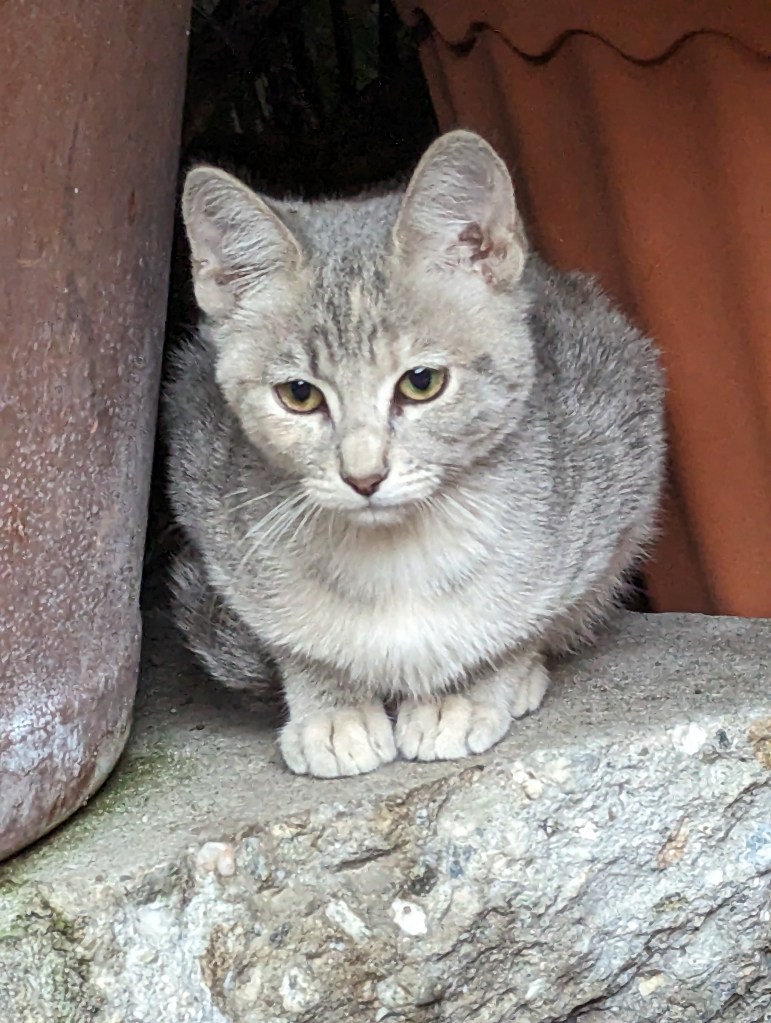
A pair of feral kitties are supposed to be relocating to our facility. They do not need to stay within the main building, although they will have adjacent shelter. I do not care how they intend to eliminate rodents and prevent them from returning. I only care that they do so. If they are half as effective as Darla was, I will be pleased.

Brent, my colleague down south, recently procured three little kittens, supposedly to work as mousers like Darla did. They seem to be too friendly and playful though. I can not imagine them catching rodents. They certainly do not seem like the sort of kitties who rodents would fear. They are too playful and too nice.

If rodents avoid situations that are occupied by kitties, then any kitty could be effective. If rodents must be exterminated, then more diligent mousers would be necessary. I have no idea how instinctive mousing is for kitties. I suspect that it is different for each kitty, which is why some are better mousers than others.

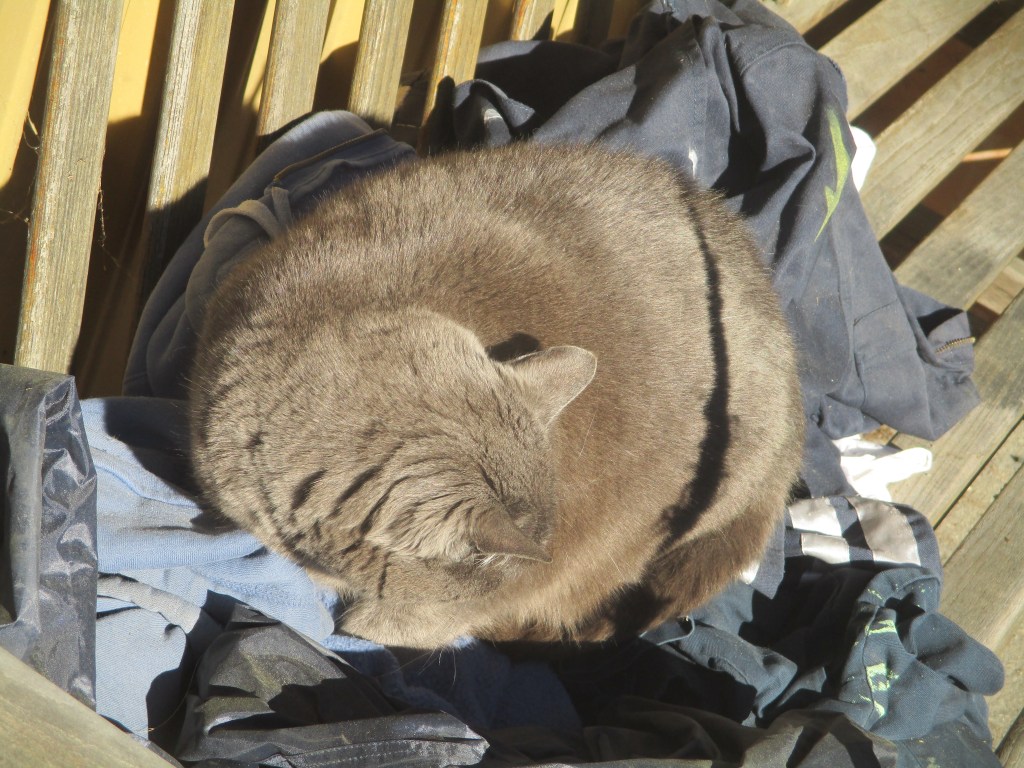
At least these three little kittens are delightful. I mean, who would not appreciate such cute kitties in the garden? I regularly remind them that I am none too keen on kitties, but like all other kitties whom I have ever met, they do not care. They know how to get me to do whatever they demand.
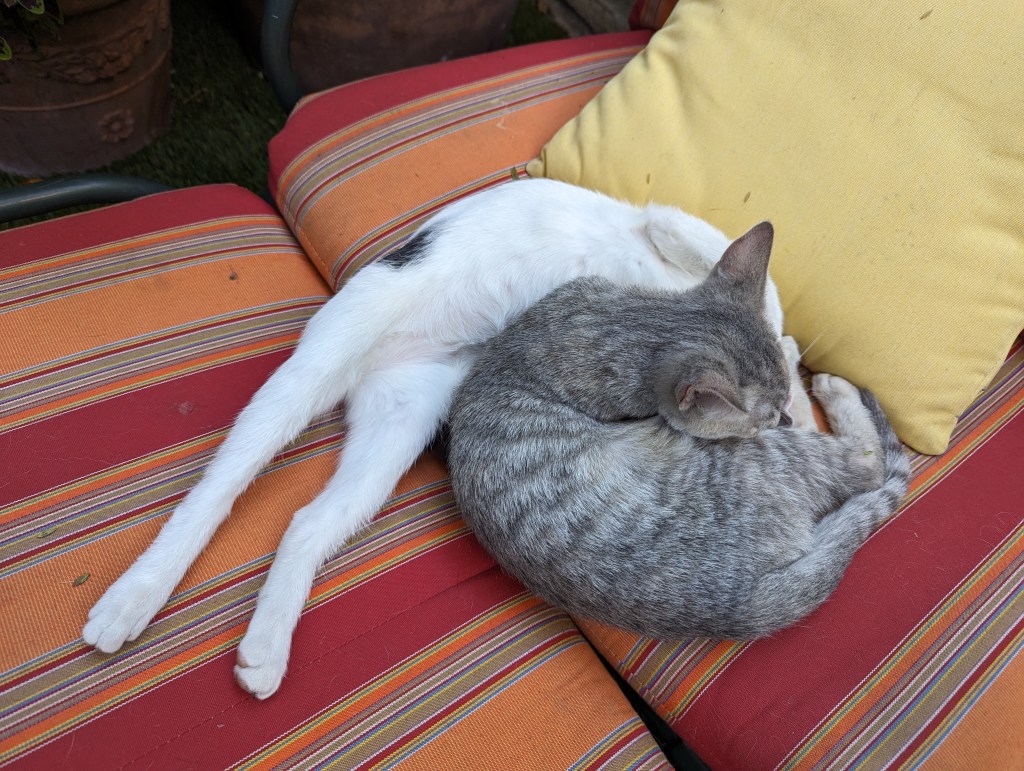
Regardless of how weird kitties can be, they always seem to be dangerously cute.

Six on Saturday: No Hunting

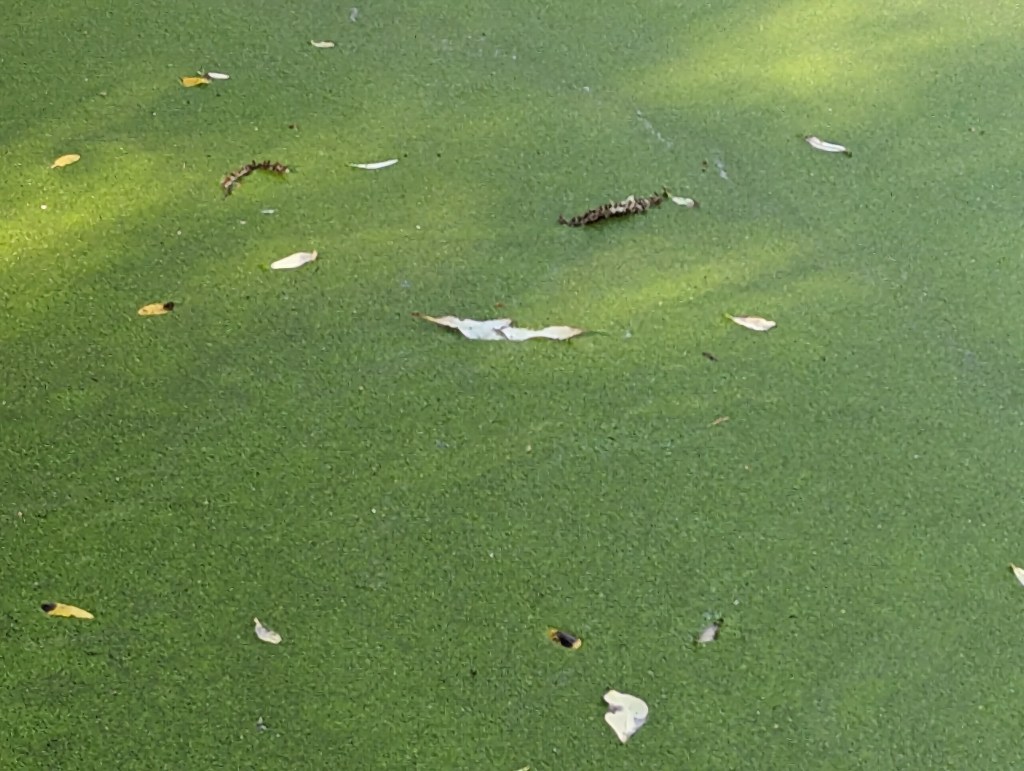
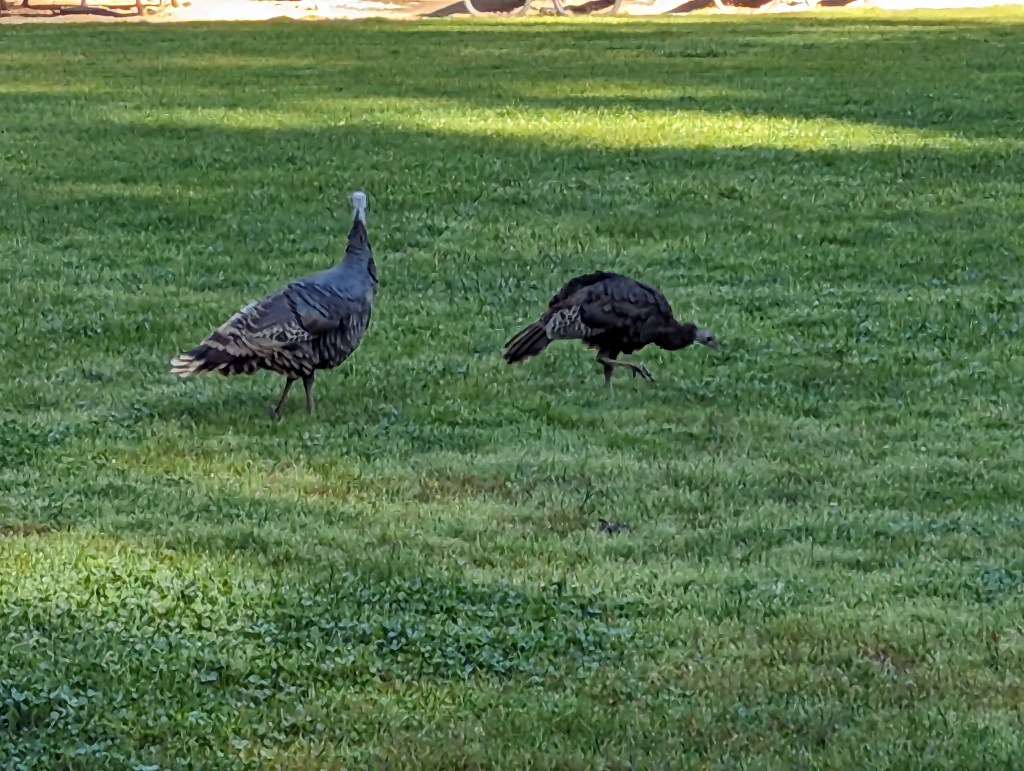
Wildlife is fortunately not too much of a problem within the landscapes here. Deer have complete access but strangely avoid refined landscapes, which includes roses. We would be unable to defend the landscapes otherwise. With so many people in the area, hunting is not possible. Even if it were, I do not like the local options much. Turkeys must know, which is why they are so blatant with their minor but annoying transgressions. Ducks at least try to be helpful by eating snails and the overwhelmingly prolific duckweed in their pond. Actually, I would not mind if they invited some of their friends over to help, since the pond looks more like a lush green lawn than water. Increasingly cooler weather may change that somewhat soon.

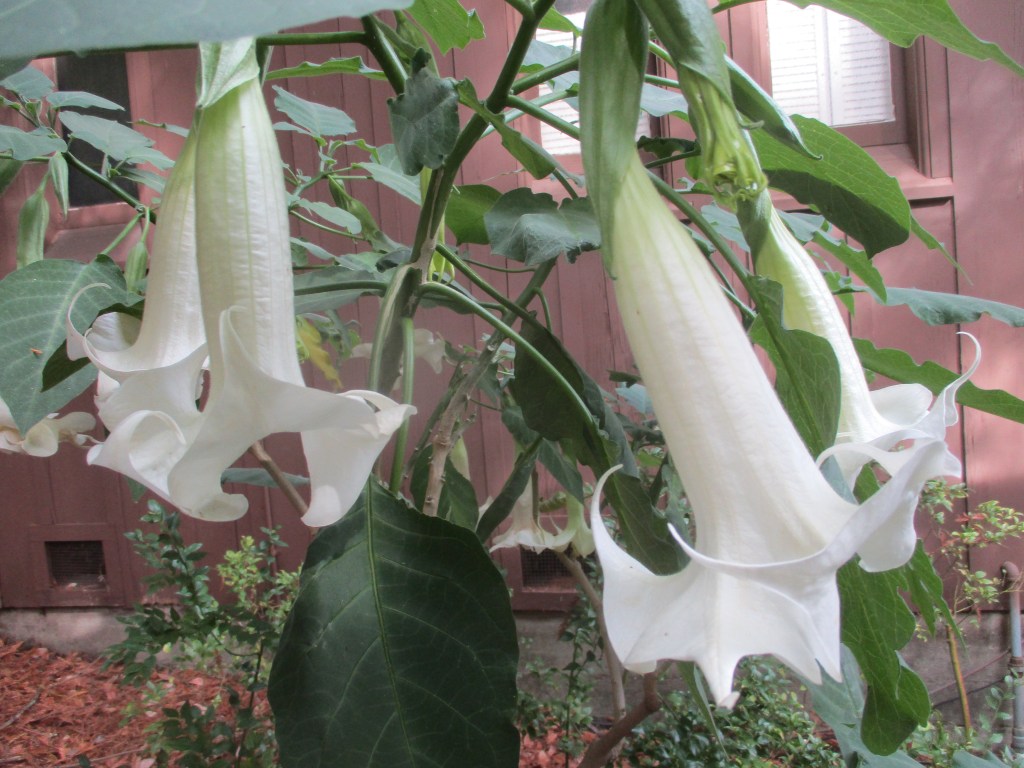
1. Single white angel’s trumpet is irrelevant to wildlife, but is blooming too splendidly to ignore. It was #6 last week, while beginning to bloom. It grew from a cutting last spring.

2. Ducks enjoy the pond without becoming too annoyingly numerous. Only this nice pair seems to be permanent residents. Another pair occasionally stops by but lives elsewhere.

3. Duckweed might otherwise be less bothersome if only they invited their friends over a bit more often. Even in this small pond, a single pair of ducks can not control duckweed.

4. Turkeys are the opposite. They are annoyingly numerous, but do not help much. They glean insects, but also thrash colorful flowers and berries, whether they eat them or not.
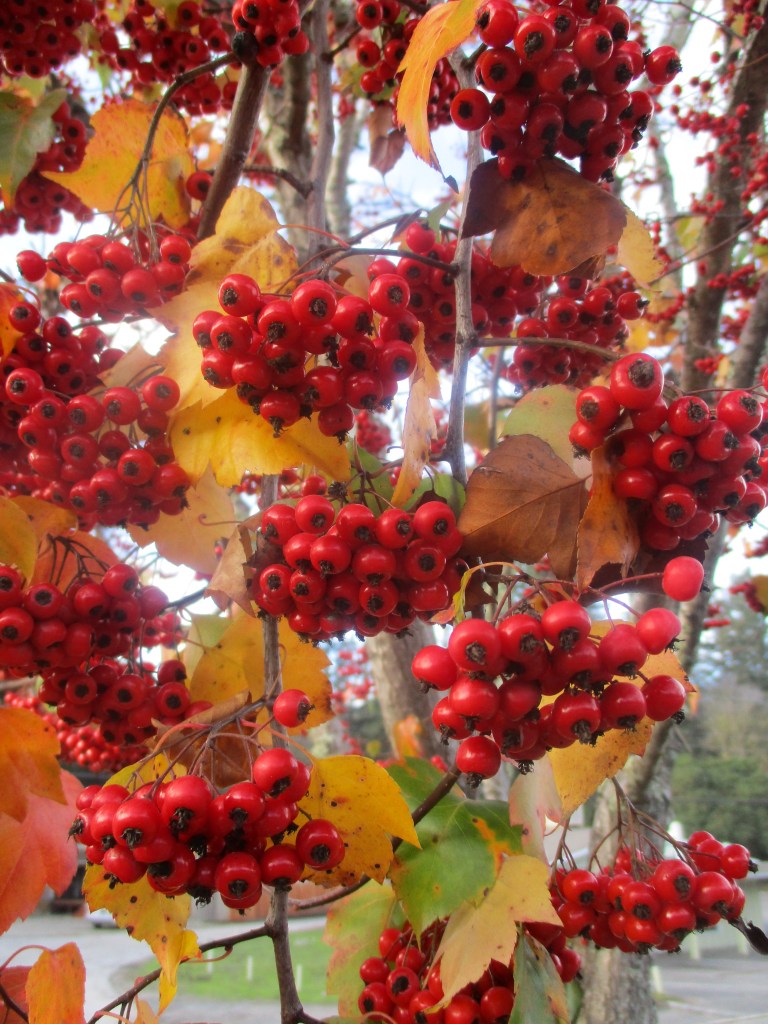
5. Pyracantha berries should remain colorful while small birds eat them through winter. Instead, turkeys shake most of them from their branches, and leave them on the ground.

6. Rhody is a terrier of some sort. His ancestors pursued burrowing animals who lived in the ground, or ‘terra’. Fortunately, he is uninterested, and is even less interested in fowl.

This is the link for Six on Saturday, for anyone else who would like to participate: https://thepropagatorblog.wordpress.com/2017/09/18/six-on-saturday-a-participant-guide/

Cats Gone Wild!

The best cats are domestic.

Rats, mice, squirrels, racoons, opossums, skunks, deer, pigeons and more; it just never ends! There are so many other life forms who often enjoy our gardens more than we do. While visiting my colleague in Los Angeles, his garden became overrun by a swarm of bees! Fortunately, they did no damage and left the same day.

The worst problem in his garden is cats. His neighbor hoards ‘unaltered’ feral cats that have proliferated into a substantial herd. Instead of exterminating rodents from the neighborhood, the overfed cats ignore the droves of rats that are drawn to the cat food left out on the porches. The rats attract opossums. Fleas are everywhere!

All this wildlife brings all sorts of other problems. The well kept domestic cats that live inside the home of my colleague are frequently afflicted with illness transmitted by the sickly feral cats. Flat roofs and basement crawl spaces of several adjacent homes have become litterboxes. The overpowering aroma is horrendous.

Fortunately, such proliferation of cats is rare. Most of us do not mind when a neighborhood cat, or even a few cats, visit the garden. However, when cats become a problem, they are nearly as difficult to remedy as vermin.

Although most municipalities have limited the number of domestic cats that can reside at individual residences, feral cats come and go freely, so are considered to be wild animals who are exempt from such limits. Besides, no one wants to enforce such ordinances with their neighbors, even if the problematic cats happen to be domestic house cats. All we can do is try to limit the problems in our own gardens and homes.

Flat roofs sometimes get used as litterboxes because they commonly have gravel on them and tend to accumulate a bit of other debris. If this is a problem, and if possible, access to flat roofs should be obstructed. Tree limbs and vines should be pruned back.

Basements and crawl spaces are easier to obstruct access to by simply repairing vent screens and exterior basement access. Cats like to use crawlspaces as litterboxes because the soil is always dry and dusty. Around the garden, dry spots are less attractive to cats if sometimes watered, even if there are no plants present. Adding spreading plants is even  better. In a small dusty area behind the garage, I spread out a bit of firewood over the soil. By the time the firewood gets used, it will be raining and too muddy for cats.

Six on Saturday: Bad Timing

The preponderance of white amongst these ‘Six on Saturday’ is merely coincidental, and might not be obvious anyway. Only #2 and #4 are actually white. Contrary to its cultivar name, #3 is really very pale yellow. As stylish as he might be, #6 is quite obviously gray. #1 bloomed with tiny white flowers earlier, but its berries are now as red as #5. Anyway, with the exception of #1, their timing is less than ideal. #2 and #3 are performing better than they have all year, but will not last for long now that the weather is cooling. #4 and #5, although slightly confused, should still bloom splendidly in season. #6 was not there in the morning.

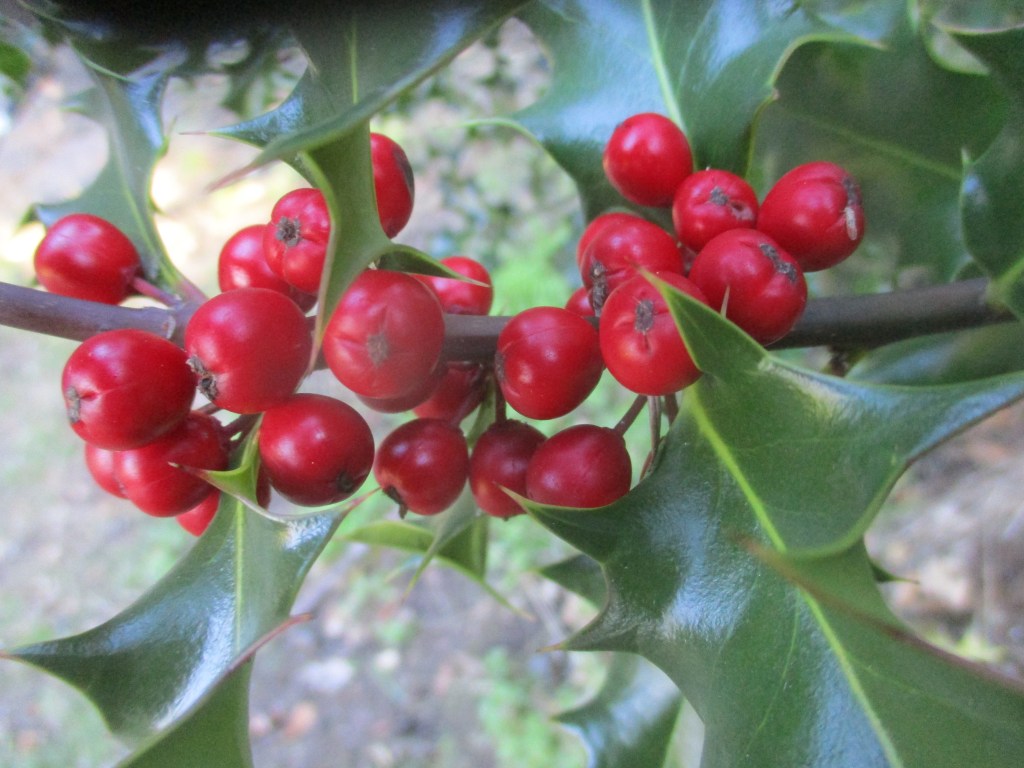
1. Ilex aquifolium, English holly is doing nothing that it should not be doing at this time of year, but is rarely so prolific with its berries here. It might be more invasive if it were.

2. Brugmansia X candida ‘Double White’, double white Angel’s trumpet is likewise a bit more enthusiastic than it typically is, but at the wrong time, as autumn becomes winter.

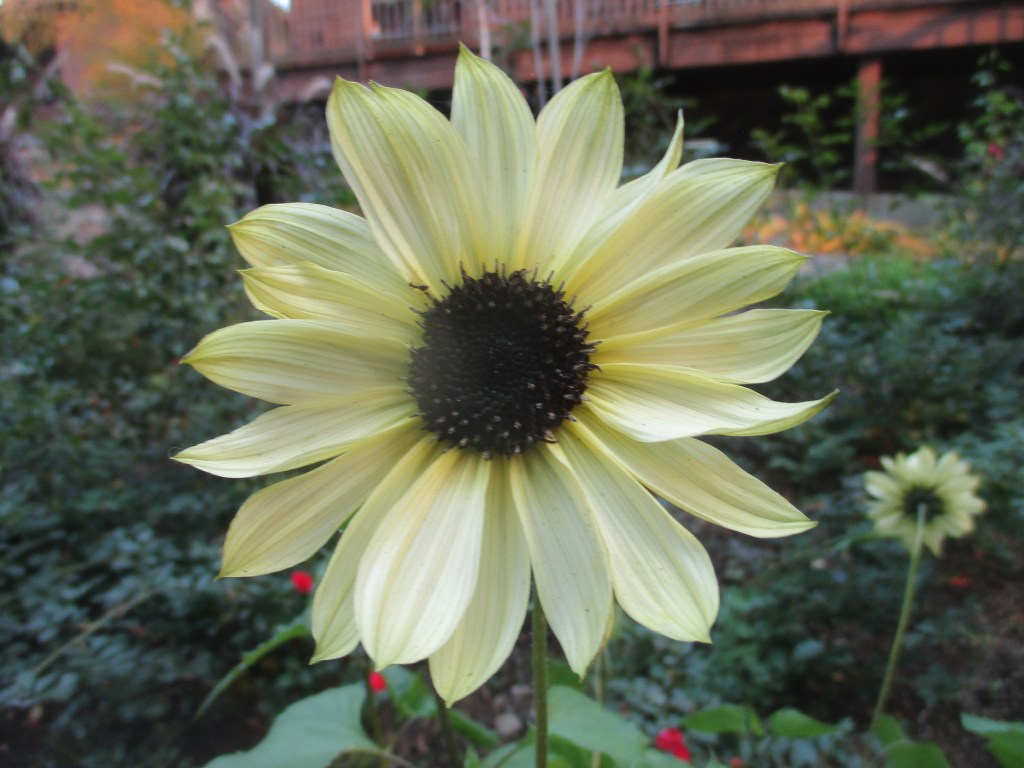
3. Helianthus debilis ‘Italian White’, Italian white sunflower is blooming like the angel’s trumpet, at the wrong time. It grew slowly through summer to begin blooming this late.

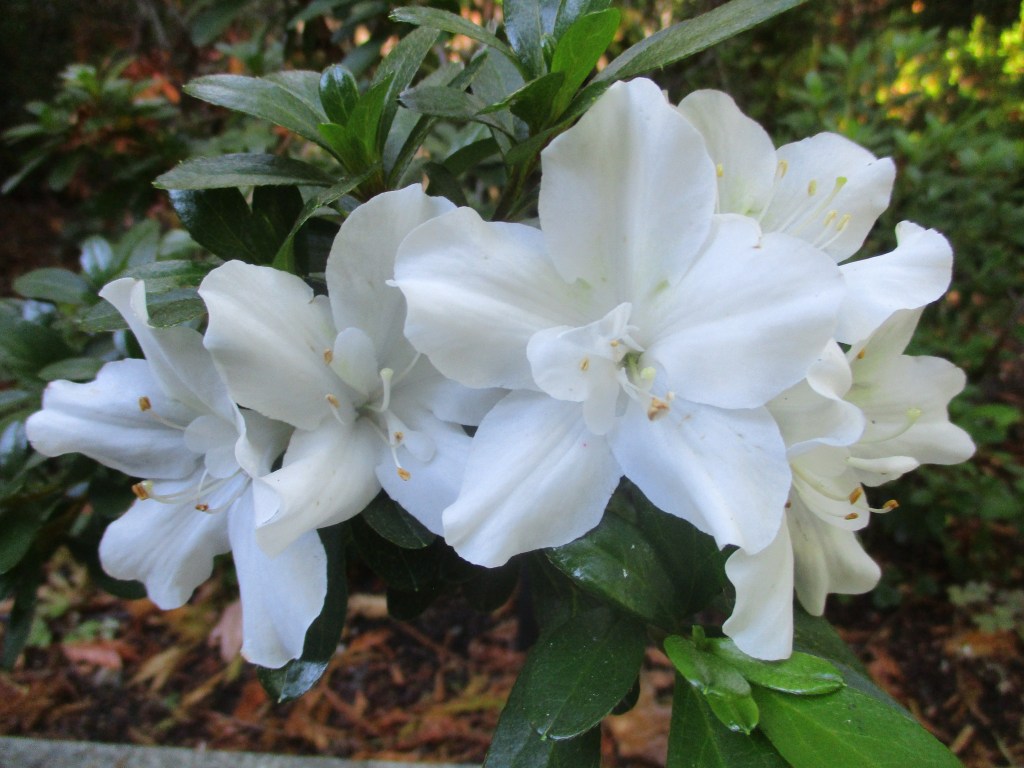
4. Rhododendron, azalea of an unidentified cultivar is either very late or very early. This unseasonal bloom deducts from the bloom for the following season, but is rather minor.

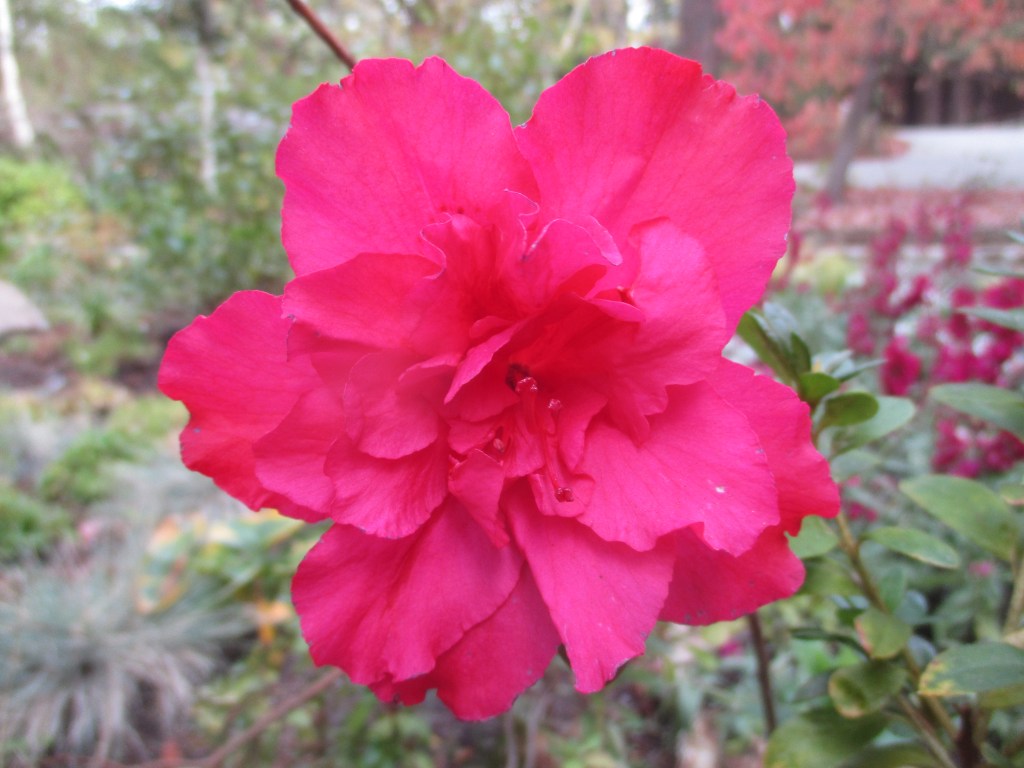
5. Rhododendron, azalea of another unidentified cultivar bloomed even earlier, or not so late, as this is an older picture. The minor consequences are the same. This white is rad!

6. Kenny II waddled out to meet me as I went out to close the gates for the night, but did not seem to do so intentionally. He stopped waddling when he encountered me, so I left.

This is the link for Six on Saturday, for anyone else who would like to participate: https://thepropagatorblog.wordpress.com/2017/09/18/six-on-saturday-a-participant-guide/

Six on Saturday: BIG News II!

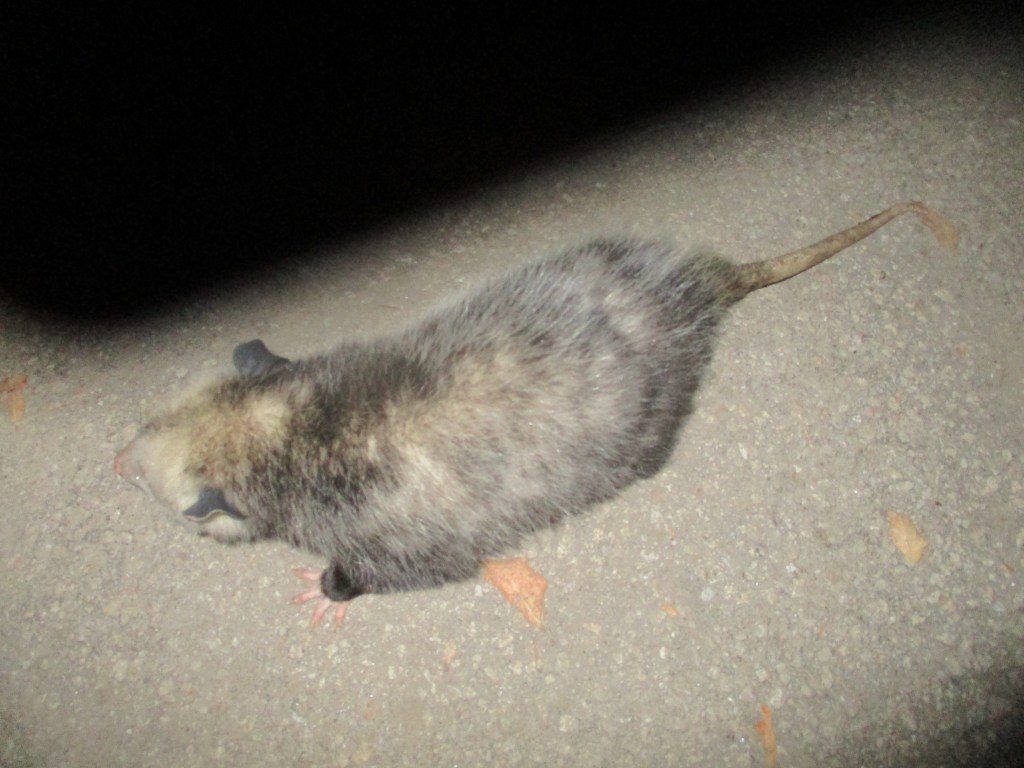
Yes, this is a sequel to the BIG News of my previous Six on Saturday, which could qualify as a sequel to other Six on Saturday posts that were in regard to the original topic of the Gladiolus papilio. Well, at least there are fewer sequels about this topic than there are in regard to Rocky. No, not ‘that’ Rocky; although he has too many sequels also. Rocky is a raccoon. Actually, he or she is not a specific raccoon, but is any raccoon who necessitates relocation, and is unlikely the same more than once. Rocky likely return from relocation, but avoid areas in which they were trapped.

1. Rocky VI, or VII, or maybe VIII or more. I can not count them all. Heck, I do not know when we started counting. They might have been quite fashionable nearly a century ago.

2. African daisy may not seem special, but to me, they seem to be atypically colorful. The color range was limited to white and eerie shades of purple while we were still in school.

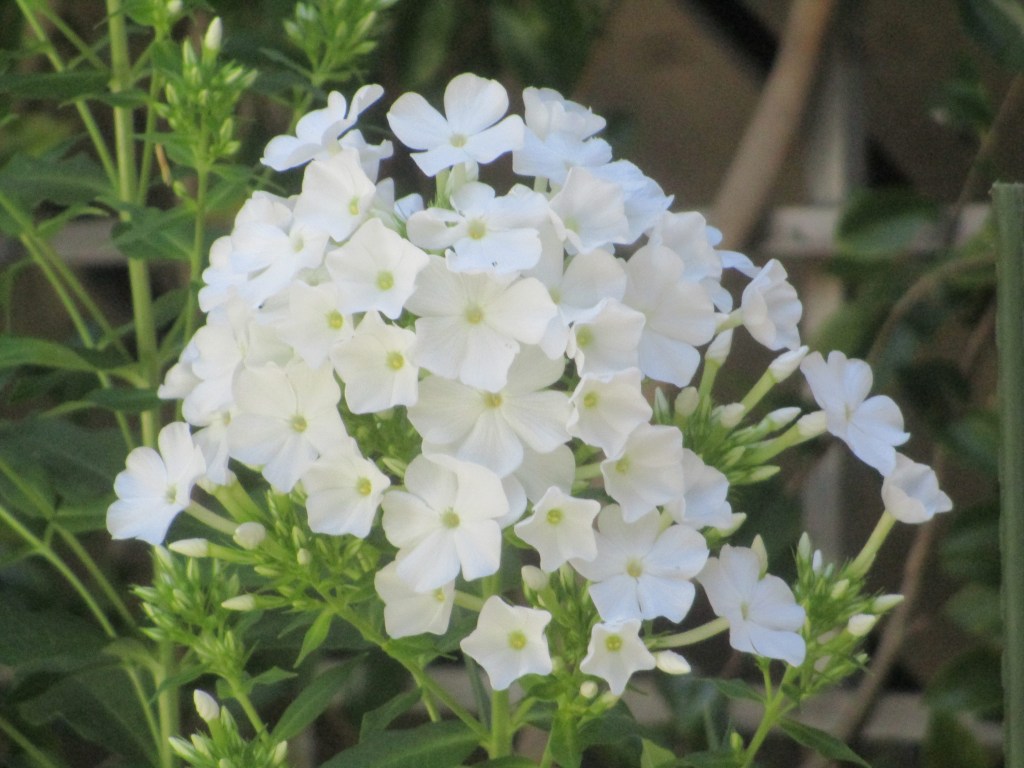
3. Phlox arrived in one of the more colorful landscapes just a few years ago, and politely proliferated. No one knows how it got here. It is perfectly white, and alluringly fragrant.

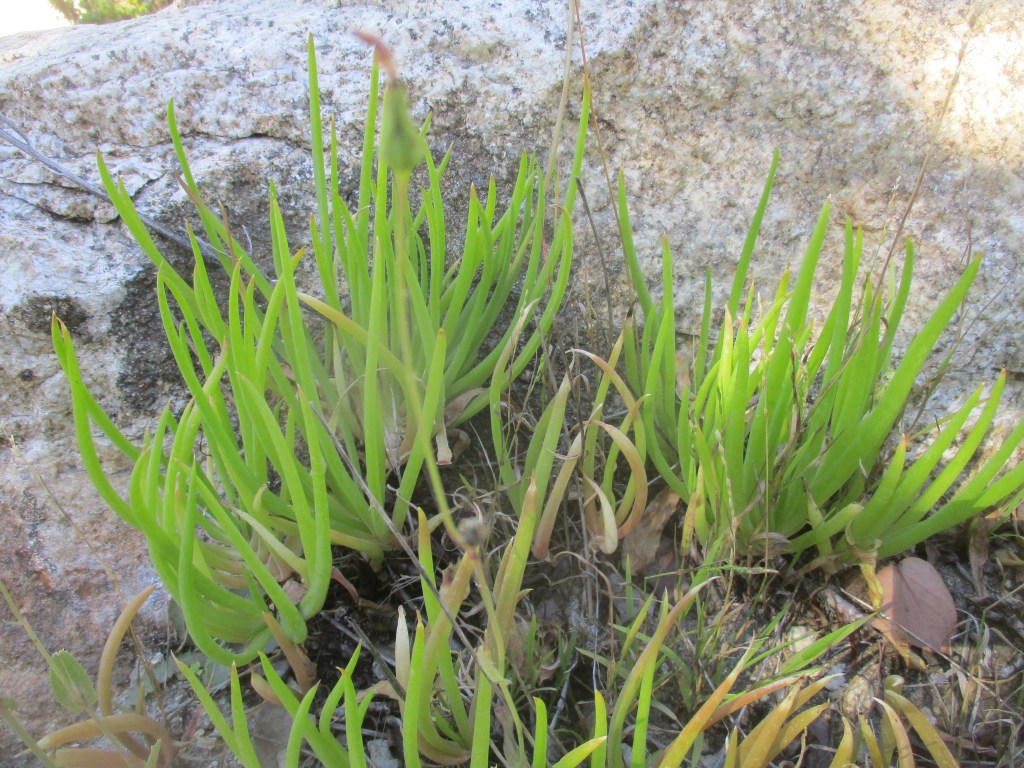
4. Bulbine caulescens, which lacks a common name, may seem to be no more interesting than African daisy, but is very special to me, because of who procured it a few years ago.

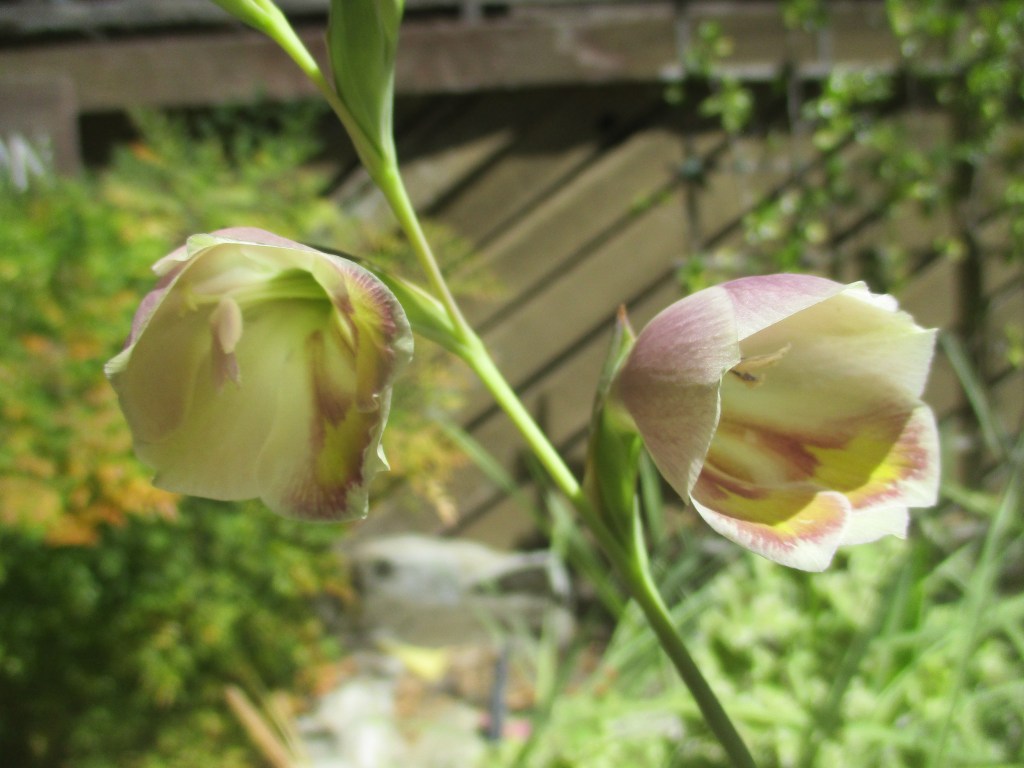
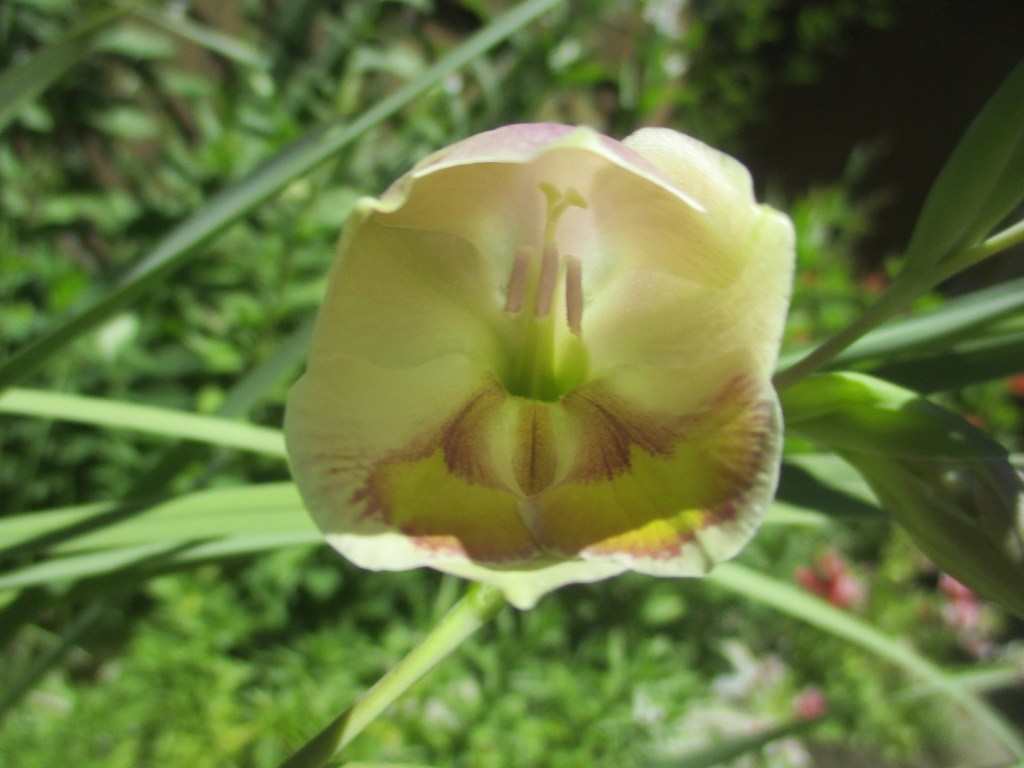
5. Gladiolus papilio from Tangly Cottage Gardening is, of course, the BIG news for these Six on Saturday. I noticed well budded floral spikes a week ago. They are now blooming!

6. Only a single new floral spike was observed last week. I should have investigated more thoroughly. There are actually several! A few are in full bloom like this. They are so rad!

This is the link for Six on Saturday, for anyone else who would like to participate: https://thepropagatorblog.wordpress.com/2017/09/18/six-on-saturday-a-participant-guide/

Moles Are Different From Gophers

Gophers are more destructive than moles.

Wildlife belongs in the wild. Many of us appreciate it there, and get pictures of it to share with others as if it is rare and unusual. Deer, raccoons, skunks, squirrels, gophers and so many other residents of the wild are not so appealing in home gardens. They all need to eat. None are tactful about it. Some eat foliage. Some eat fruits. Moles eat larval insects.

That seems like it would be beneficial to the garden. In some situations, it is. Not only do moles inhibit the proliferation of grubs that damage roots, but they also aerate dense soil. The problem is that they heave soil as they excavate just below the surface. This activity damages lawns and shallow ground cover. Uninhibited grubs might cause less damage. 

Gophers often take the blame for damage that moles cause. However, gophers are much more destructive. They excavate more substantially, and generate larger mounds. While moles consume mostly detrimental grubs, gophers devour roots and any other plant part within the soil. Gophers do not hesitate to kill the most important plants in the landscape. 

Like gophers and other rodents, moles can not take much time off for hibernation through winter. The weather is just too mild. Although they are less active during cool weather, or while there is less to hunt, they never stop excavating. They merely become more active now because, as the weather warms, they can plan for a family, and find plenty of grubs.

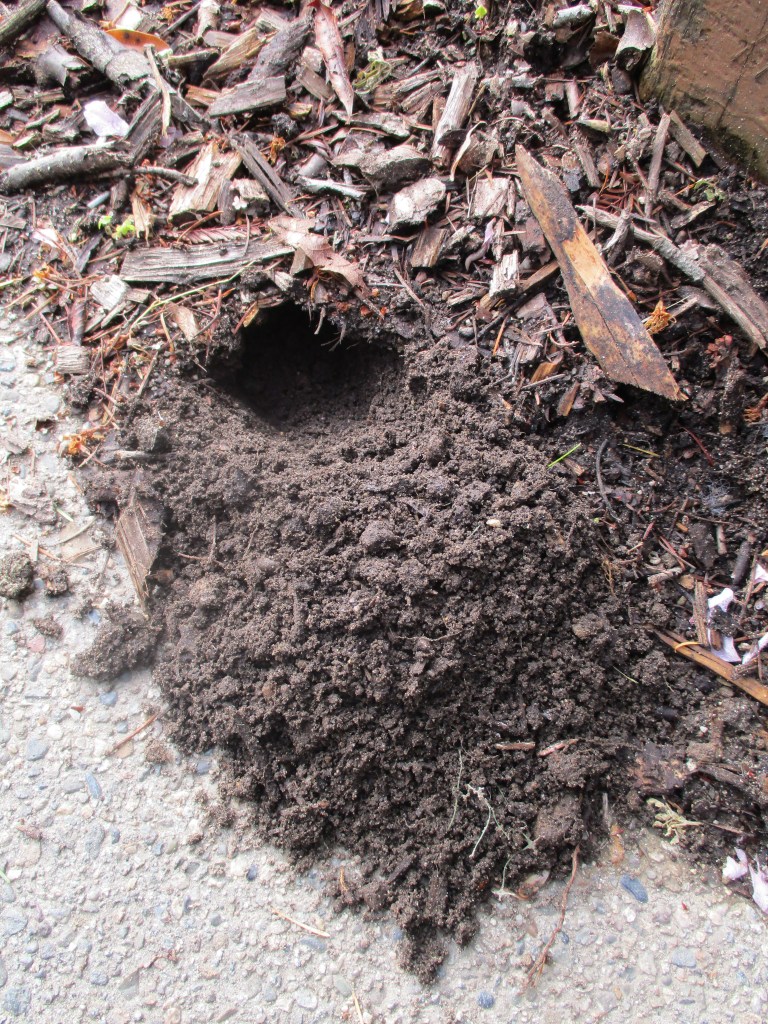
Mole excavation generates distinctive small ‘berms’ of displaced soil within lawns. Such berms extend randomly in no particular direction, but are impressively consistent in form. Mounds of expelled soil are small and sporadic, or may not be evident. Moles often push their way below the surface of firmly rooted turf, without expelling any soil to the surface.

Unfortunately, moles can be about as difficult to dissuade as gophers. The most practical means of repellent is to eliminate the grubs that they crave, which can be difficult without insecticide. Blood meal and bone meal are fertilizers that can supposedly repel moles by their objectionable aroma, but require frequent application. Traps also require diligence, as well as precision.

Six on Saturday: How It Should Be


Well, I can not argue that ‘everything is as it should be’. Turkeys serve more of a purpose than food, although I can not figure out what their other purpose is. Coleus are so delightfully colorful that those with more discerning taste than mine enjoy new and ‘improved’ cultivars. Many of those same people with discerning taste also enjoy Japanese maple too much to consider options. Both my blue and white lily of the Nile are still the best! Yes, but . . .

1. Turkey belongs in an oven, or perhaps in a freezer. She should not be doing this at the shops as I write. At least she is not somewhere else shredding flowers or pulling up irrigation emitters.

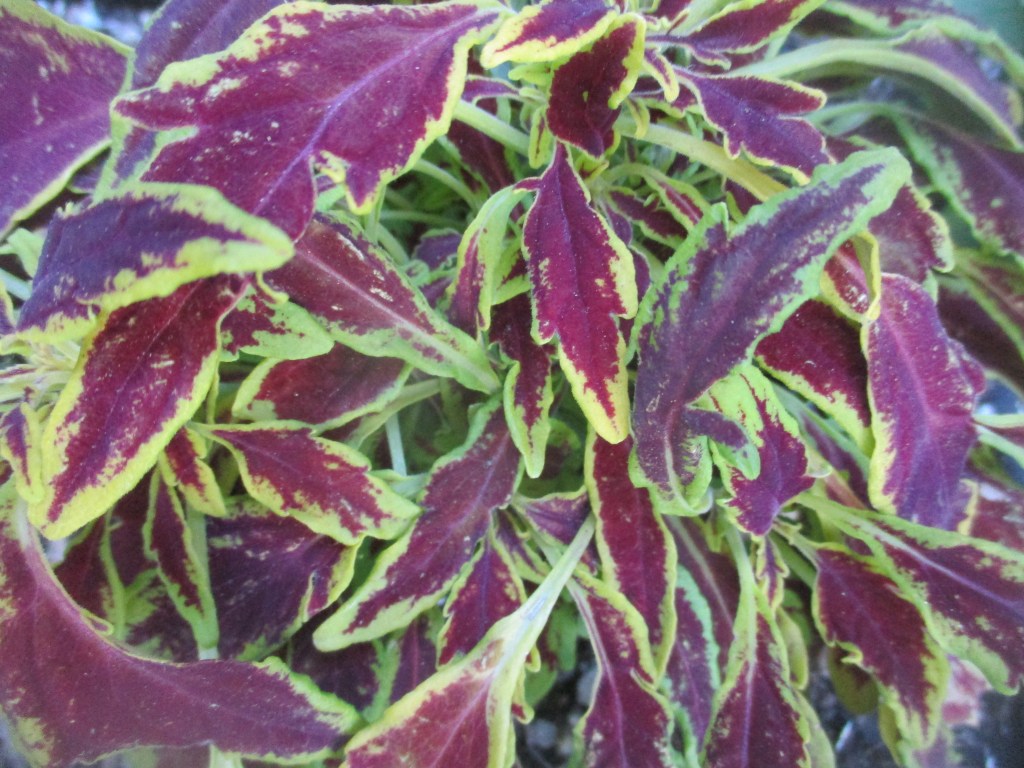
2. Coleus reminds me why I dislike most modern cultivars. I would find this to be more appealing if I did not know what this is, or if I did not know the potential of good old fashioned coleus.

3. Coleus should look like this, which is more similar to how it looked when it was popular as a houseplant decades ago. My kindergarten teacher grew one like this in our classroom back then.

4. Vine maple should be more popular than Japanese maple is. I realize that Japanese maple is much more interesting and diverse. However, now that it is very popular, it is almost mundane.

5. Lily of the Nile should also bloom red, for a red white and blue bloom on Independence Day. There are plenty that bloom blue here. The first that will bloom white were added a month ago.

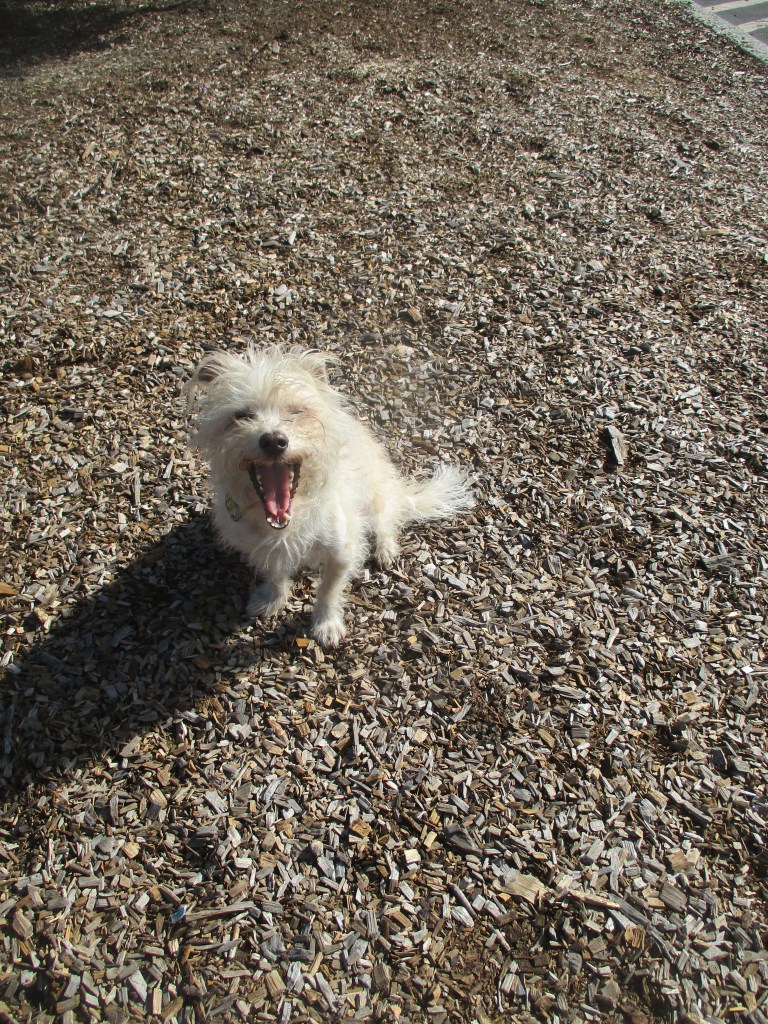
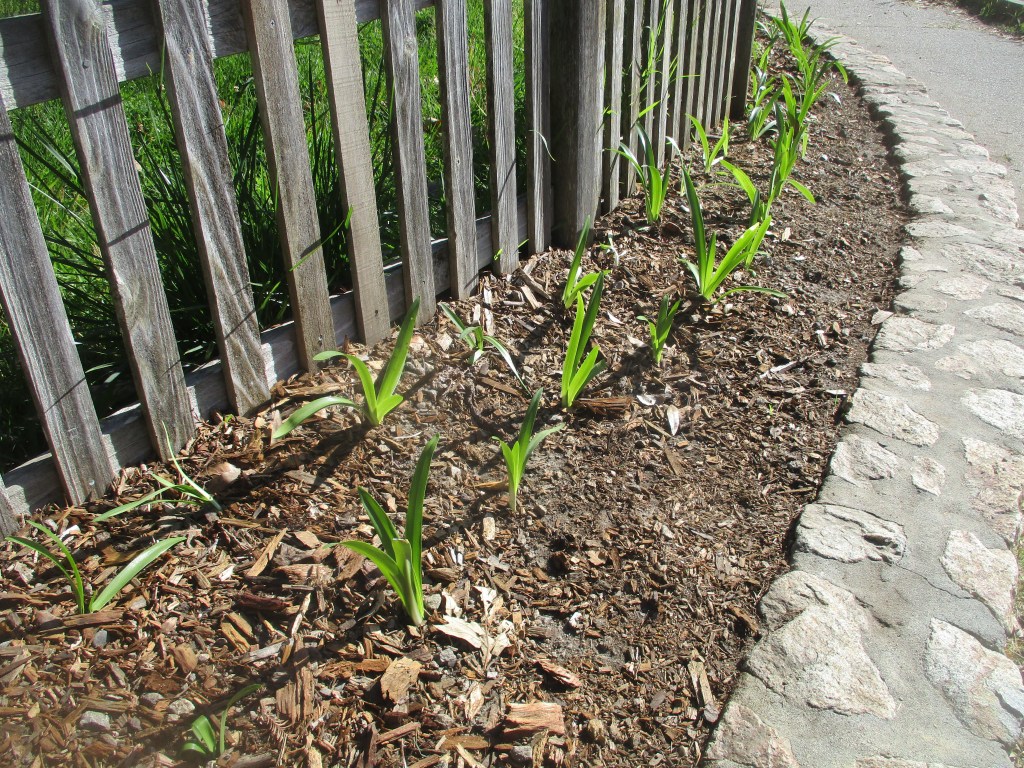
6. Rhody should cooperate when I need his help with an illustration. I needed a picture of mulch. I had visions of a stylish model in a Halston dress, leaning on a fender of a new 1972 Electra.

This is the link for Six on Saturday, for anyone else who would like to participate:

https://thepropagatorblog.wordpress.com/2017/09/18/six-on-saturday-a-participant-guide/

Six on Saturday: Godzilla vs. Kong!

There are plenty of pictures, but not six to conform to a single topic. Only half here are horticulturally oriented. The other half are merely relevant to dysfunctional wildlife of the landscapes. Lily of the Nile was not such a major project as the removal of the carpet roses that occupied the site previously. We wanted to relocate them prior to spring, but that did not go as planned.

1. Lily of the Nile is rad! I have been digging and splitting it since the seventh grade. I do not care if it is cheap and common. This replaces carpet roses that should not have been at the walk.

2. Angel’s trumpet needed to be removed from another landscape, so was relocated here. It is now in the process of replacing the foliage that it shed in the process. It is happier than it looks.

3. Angel’s trumpet wastes no time getting ready to bloom as quickly as it generates new foliage. The flowers are double white, and very fragrant. This particular specimen has a lot of history.

4. Godzilla hitched a ride in the work pickup on Friday afternoon. Well actually, it merely tried to, but got nowhere with me. I do not know how it got in, but I do know how it ‘safely’ got out.

5. King Kong was here earlier in the week. He (or she) fled long before Godzilla arrived. He also got a bit of help on his way, since I do not want him in the garden, or the trash, or anywhere!

6. King Kong does not look so scary in this coon trap. He did not get relocated so far away that he cannot return if he wants to; but if he does, will likely avoid the area where he was trapped.

This is the link for Six on Saturday, for anyone else who would like to participate:

https://thepropagatorblog.wordpress.com/2017/09/18/six-on-saturday-a-participant-guide/

Six on Saturday: Old, New, Borrowed, Blue

No matrimony is involved. These are merely six random pictures that could not conform to a sensible topic. I realize that I should feature more flowery pictures, but some of these were just too cool to omit. Well, perhaps #3 could have been omitted and replaced with something flowery, and less objectionable. #2 actually happens to be flowery, but is the only one. #6 is the best!

Seriously!

Winter seems to be going so fast. It is naturally brief here anyway. There is so much to do before spring, and none of it involved flowers. Besides, flowers are merely a byproduct of our work.

1. Old and rotten ponderosa pine trunk has been popular with woodpeckers. Some of the holes seem to be carved out neatly enough for nesting; although grubbing was probably the priority.

2. New camellia flower blooms among many unopened buds. There are many camellias of unknown cultivars here. They bloom when they want, and maybe in different chronology annually.

3. Borrowed bamboo was removed from where it grew from seed in one of the landscapes, but has no permanent home yet. Most was already discarded. This is golden bamboo, a ‘bad’ type.

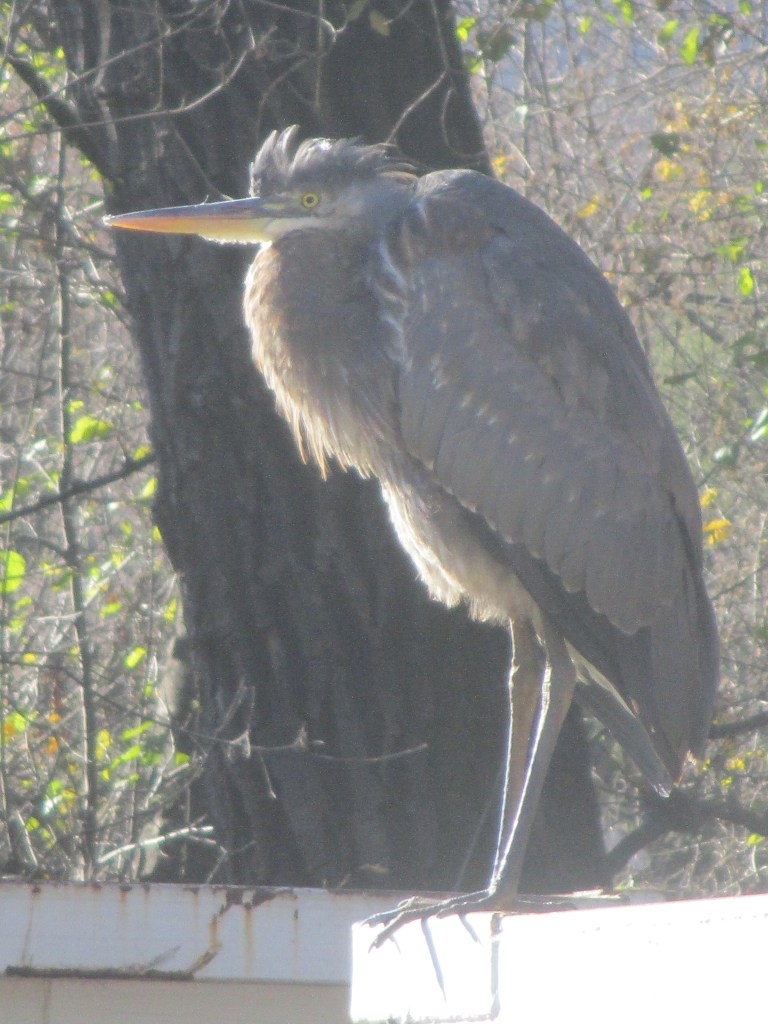
4. Blue heron sometimes visits the lawns during rainy weather. It sometimes catches gophers! I do not know why it came by without rain. Maybe Big Bird needs directions to Sesame Street.

5. Rock on! This is no more relevant to horticulture than Big Bird or a rotten pine trunk. I just happen to like finding this familiar rock again. It moves around somewhat, but does not get far.

6. Rhody does not cooperate for pictures. Nonetheless, everyone loves Rhody, and wants to see his pictures. It was not easy, but I managed to get this one before he realized I had a camera.

This is the link for Six on Saturday, for anyone else who would like to participate:

https://thepropagatorblog.wordpress.com/2017/09/18/six-on-saturday-a-participant-guide/

Colorful Berries Brighten Wintry Gardens

Bright red attracts hungry overwintering birds.

It is no coincidence that so many colorful berries ripen in autumn as migratory birds migrate south for winter. Such colorful berries are intended for both migratory and overwintering birds. Rodents and other wildlife are welcome to take what they want as well. Most colorful berries are bright red, to get the attention of birds and wildlife. They are a convenient ‘grab and go’ size, and abundant.

Plants who produce colorful berries are pleased to provide in exchange for the dispersion of their seed. It is an ingenious system. Everyone involved does what they do best. Plants produce their colorful berries to exploit wildlife. Wildlife exploits the berries. Seed within the berries survives digestion, and gets ‘deposited’ elsewhere. Most types of berry seed germinate best after digestion.

Colorful berries are popular in home gardens either to attract birds, or because they are delightfully colorful for autumn and winter. Of course, many that should remain colorful attract birds instead. Fortunately, birds are good sports, and often leave colorful berries long enough to blet (age). Then, polite birds consume the berries before they get messy, and ideally take their mess elsewhere.

Various hollies are famous for their colorful berries. However, not many hollies reliably produce many berries here. Because they are dioecious (of separate genders), commonly available female plants are fruitless without rare male pollinators. Fortunately, modern hollies are becoming available in conjunction with pollinators. Otherwise, the best colorful berries are of the Rosaceae family.

Firethorn is the most profuse and most familiar of the colorful berries through autumn and winter. A few species and cultivars of Cotoneaster can be almost as prolific, but with more subdued color and stature. Toyon is a related native species that performs well in unrefined landscapes. English hawthorn produces similar colorful berries, but develops into a small and gnarled deciduous tree.

Unfortunately, none of these colorful berries are notably edible. In fact, some are mildly toxic.