No matrimony is involved. These are merely six random pictures that could not conform to a sensible topic. I realize that I should feature more flowery pictures, but some of these were just too cool to omit. Well, perhaps #3 could have been omitted and replaced with something flowery, and less objectionable. #2 actually happens to be flowery, but is the only one. #6 is the best!
Seriously!
Winter seems to be going so fast. It is naturally brief here anyway. There is so much to do before spring, and none of it involved flowers. Besides, flowers are merely a byproduct of our work.
1. Old and rotten ponderosa pine trunk has been popular with woodpeckers. Some of the holes seem to be carved out neatly enough for nesting; although grubbing was probably the priority.

2. New camellia flower blooms among many unopened buds. There are many camellias of unknown cultivars here. They bloom when they want, and maybe in different chronology annually.

3. Borrowed bamboo was removed from where it grew from seed in one of the landscapes, but has no permanent home yet. Most was already discarded. This is golden bamboo, a ‘bad’ type.

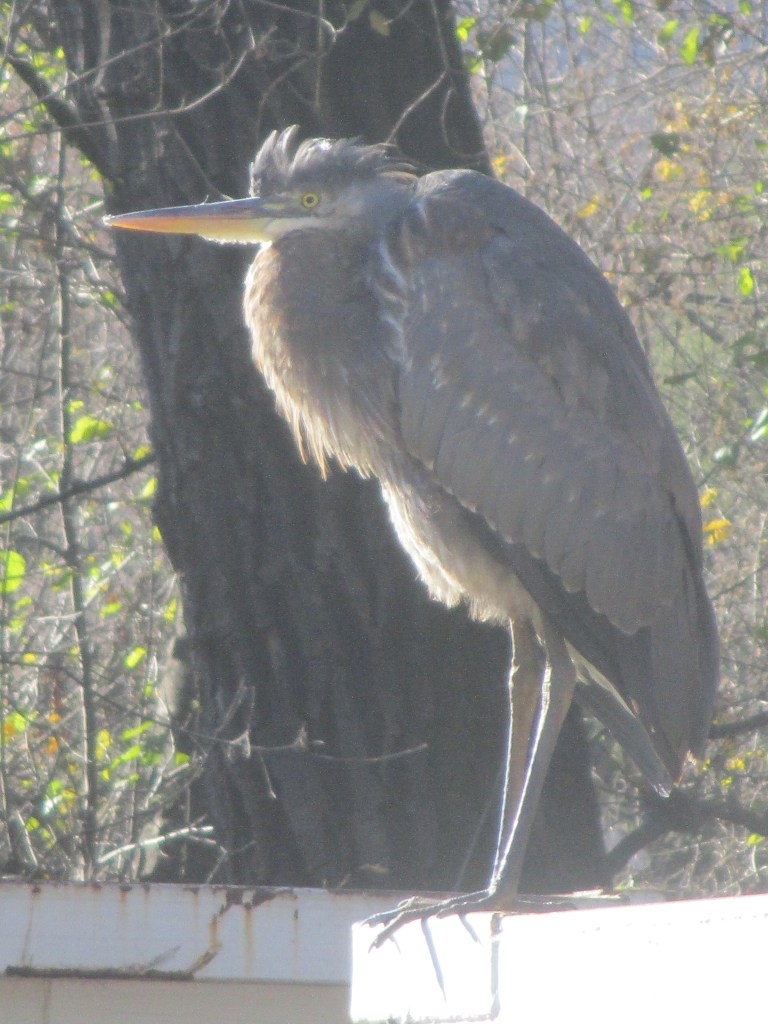
4. Blue heron sometimes visits the lawns during rainy weather. It sometimes catches gophers! I do not know why it came by without rain. Maybe Big Bird needs directions to Sesame Street.
5. Rock on! This is no more relevant to horticulture than Big Bird or a rotten pine trunk. I just happen to like finding this familiar rock again. It moves around somewhat, but does not get far.

6. Rhody does not cooperate for pictures. Nonetheless, everyone loves Rhody, and wants to see his pictures. It was not easy, but I managed to get this one before he realized I had a camera.

This is the link for Six on Saturday, for anyone else who would like to participate:
https://thepropagatorblog.wordpress.com/2017/09/18/six-on-saturday-a-participant-guide/
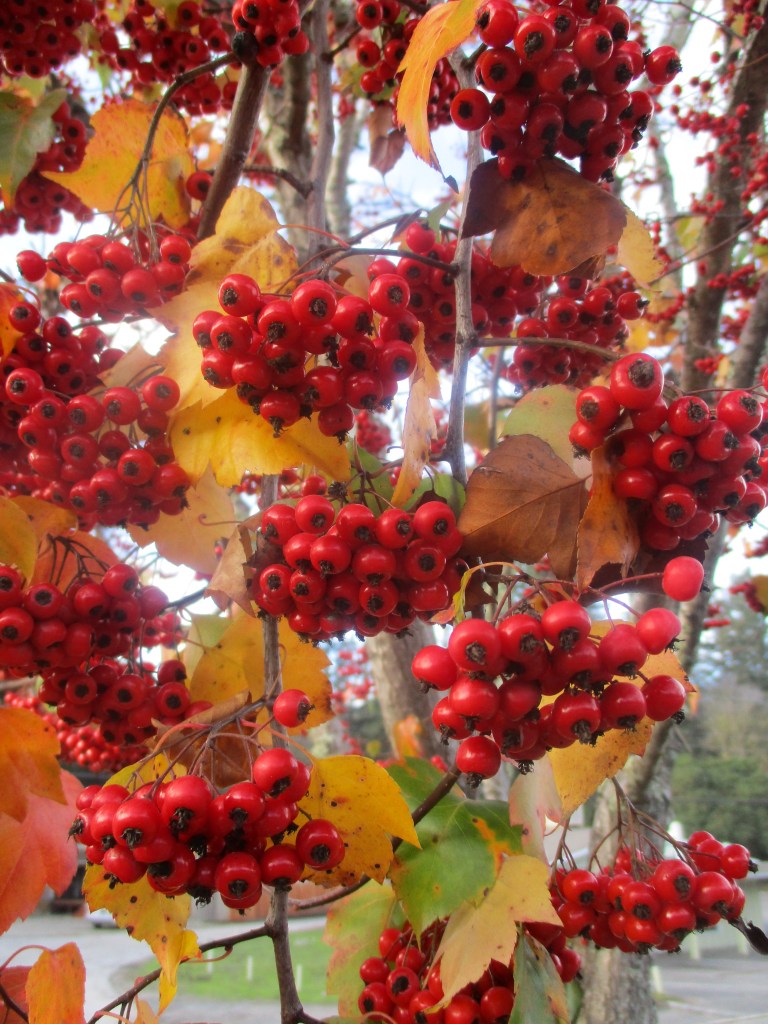



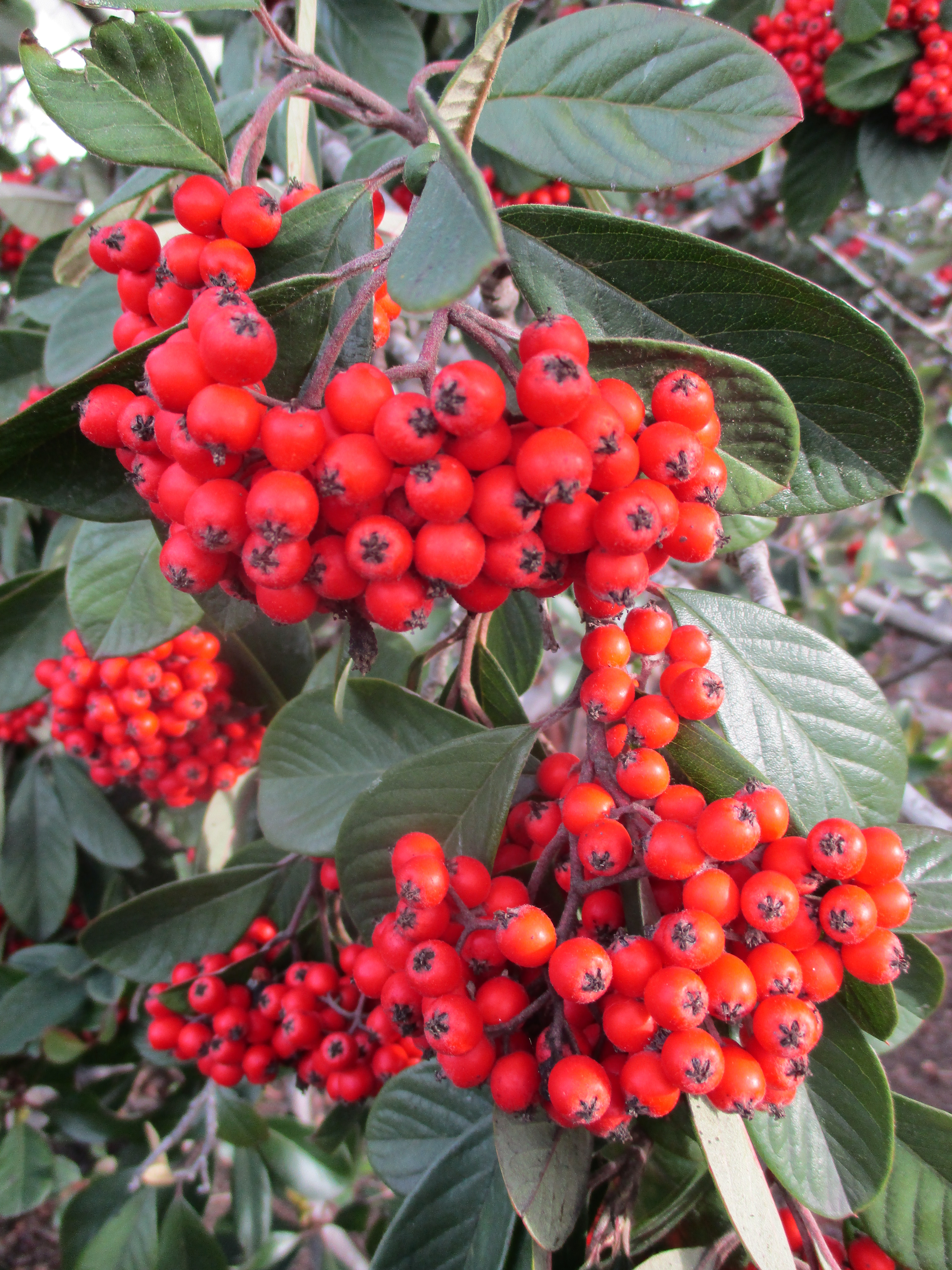 Nothing lasts forever. Spring flowers fade. Summer fruit gets eaten. Fall color falls from the trees and gets raked away. Berries and other small fruits that ripen to provide a bit of color through late autumn get eaten by birds and squirrels through winter. Every type of berry and every season is unique. It is impossible to predict how long particular berries will last through any particular season.
 Some of the most convenient bird feeders in the garden are some of the many plants we grow. Since so many plants exploit the birds as much as they get exploited by the birds, they naturally produce something that the birds want, when they want it. Right now, meaty seeds cater to migratory birds that need to plump up to travel, hoping that some of the seeds get dropped elsewhere or buried for later (hence ‘sown’ if forgotten, as they often are).
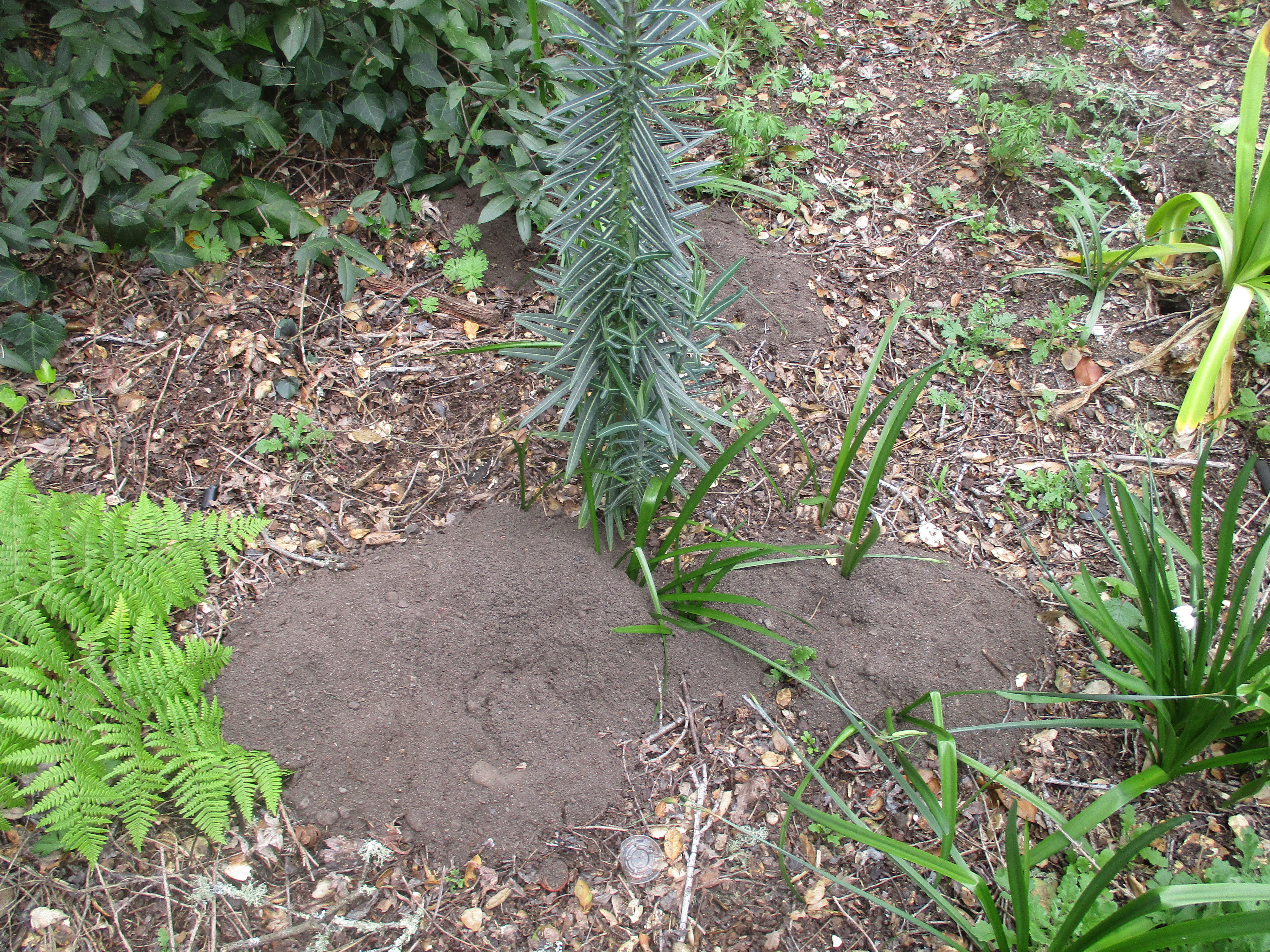
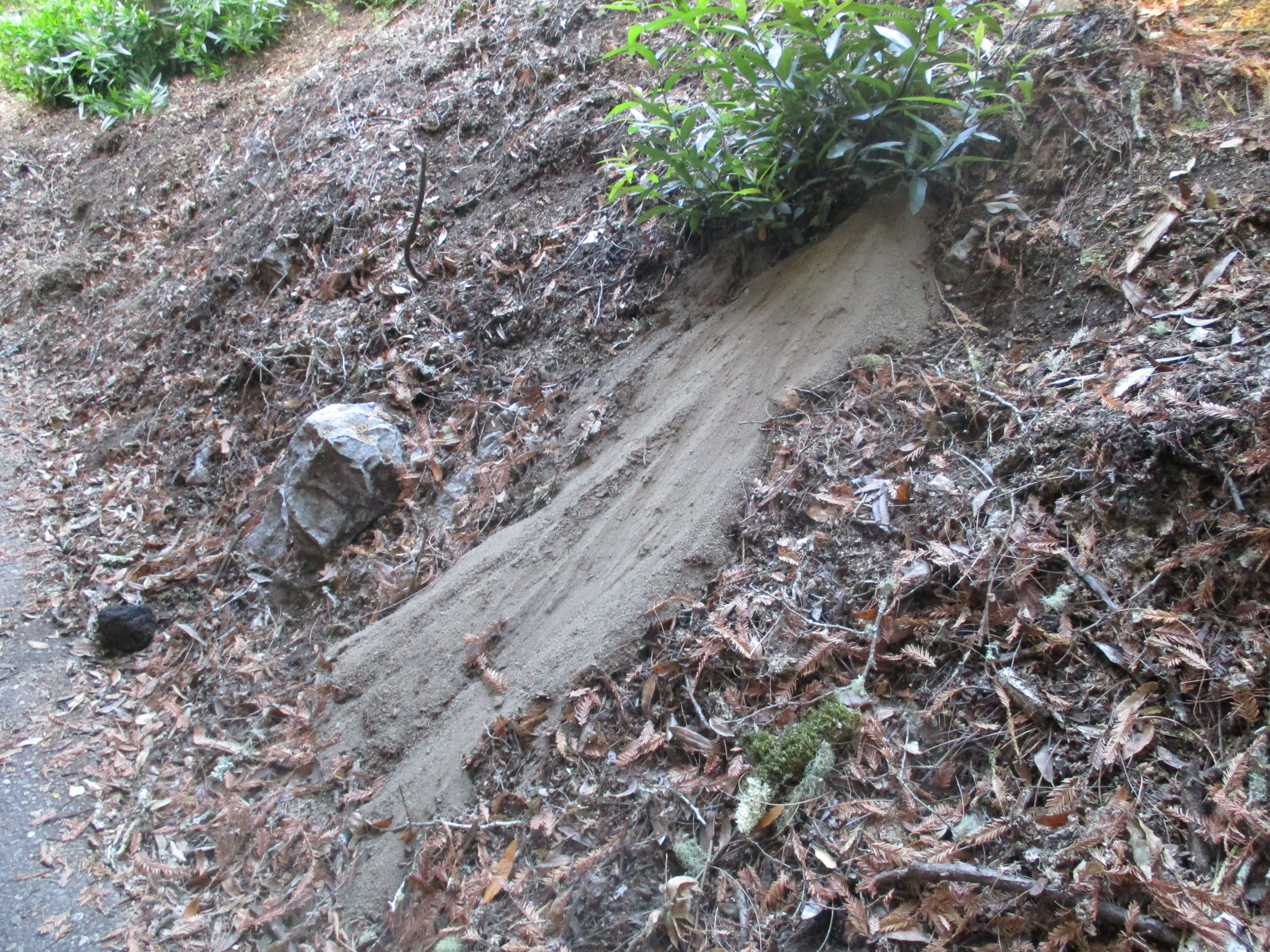 If gopher burrows had windows, this burrow would have hillside views. If gophers had better eyesight, the one who lives here could enjoy the views from such windows. Of course, views are not a concern for any gopher. They just want to burrow through the soil to eat the many roots they encounter. They do not often emerge from their homes for more than the ejection of soil.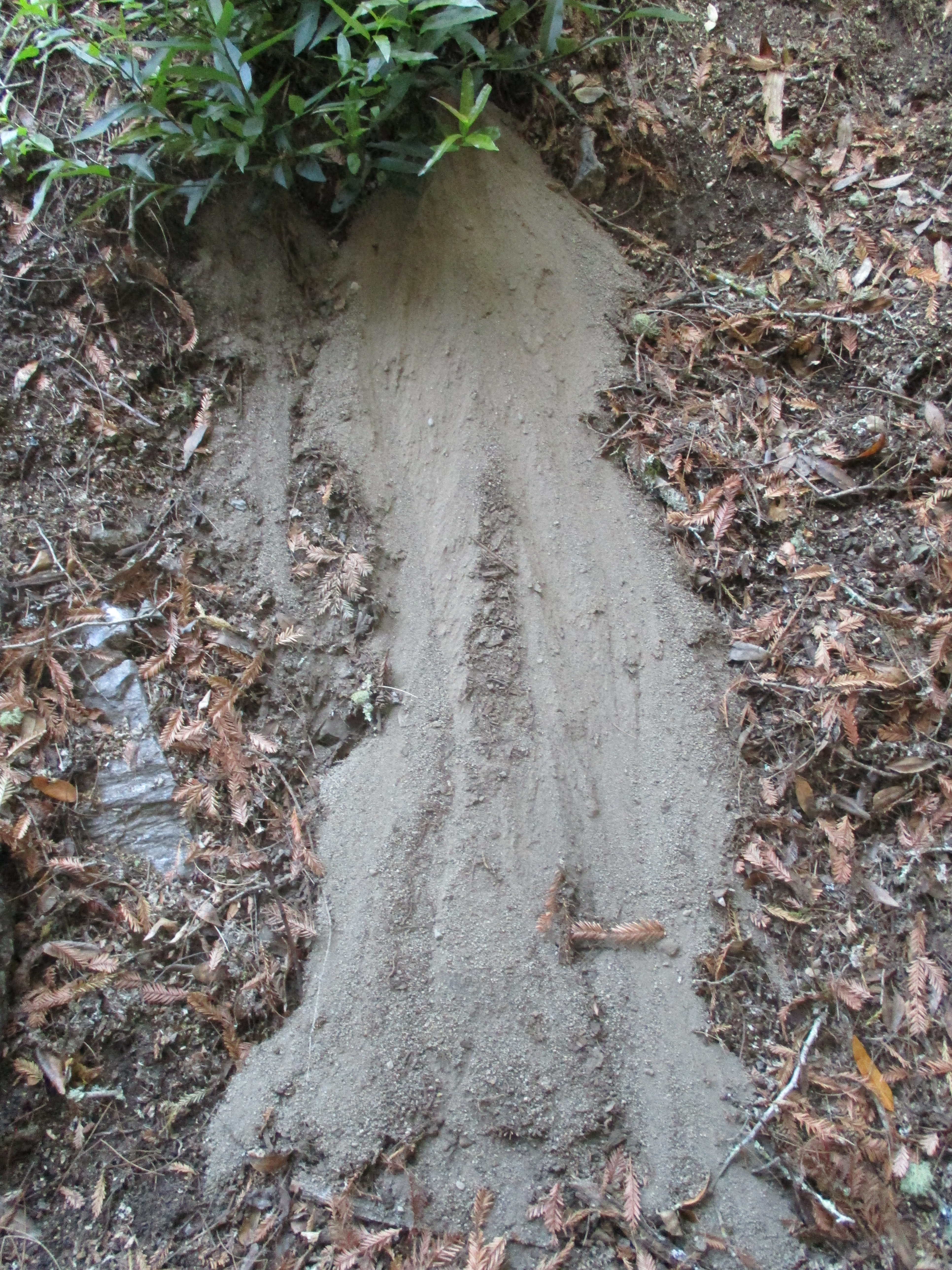
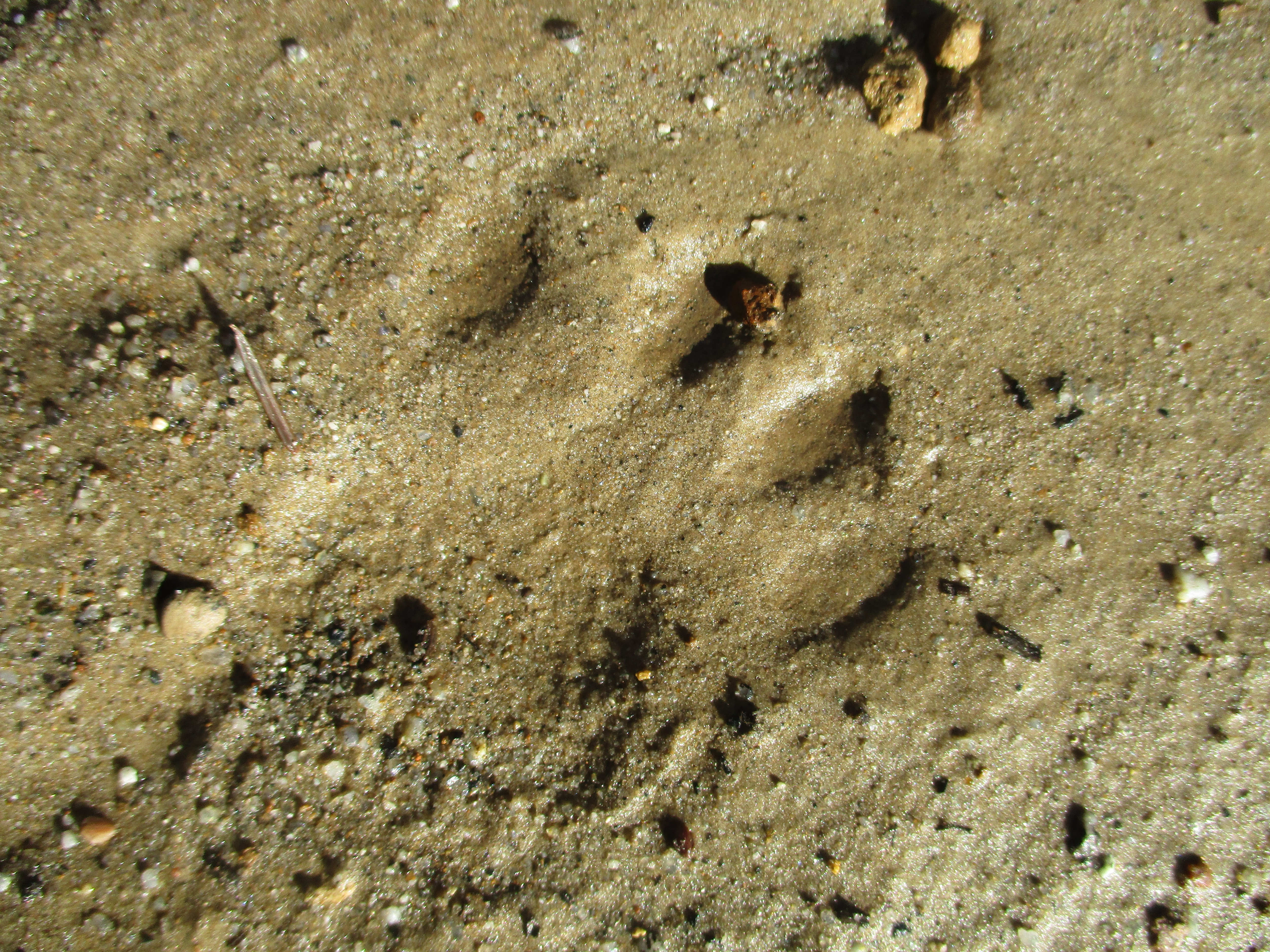
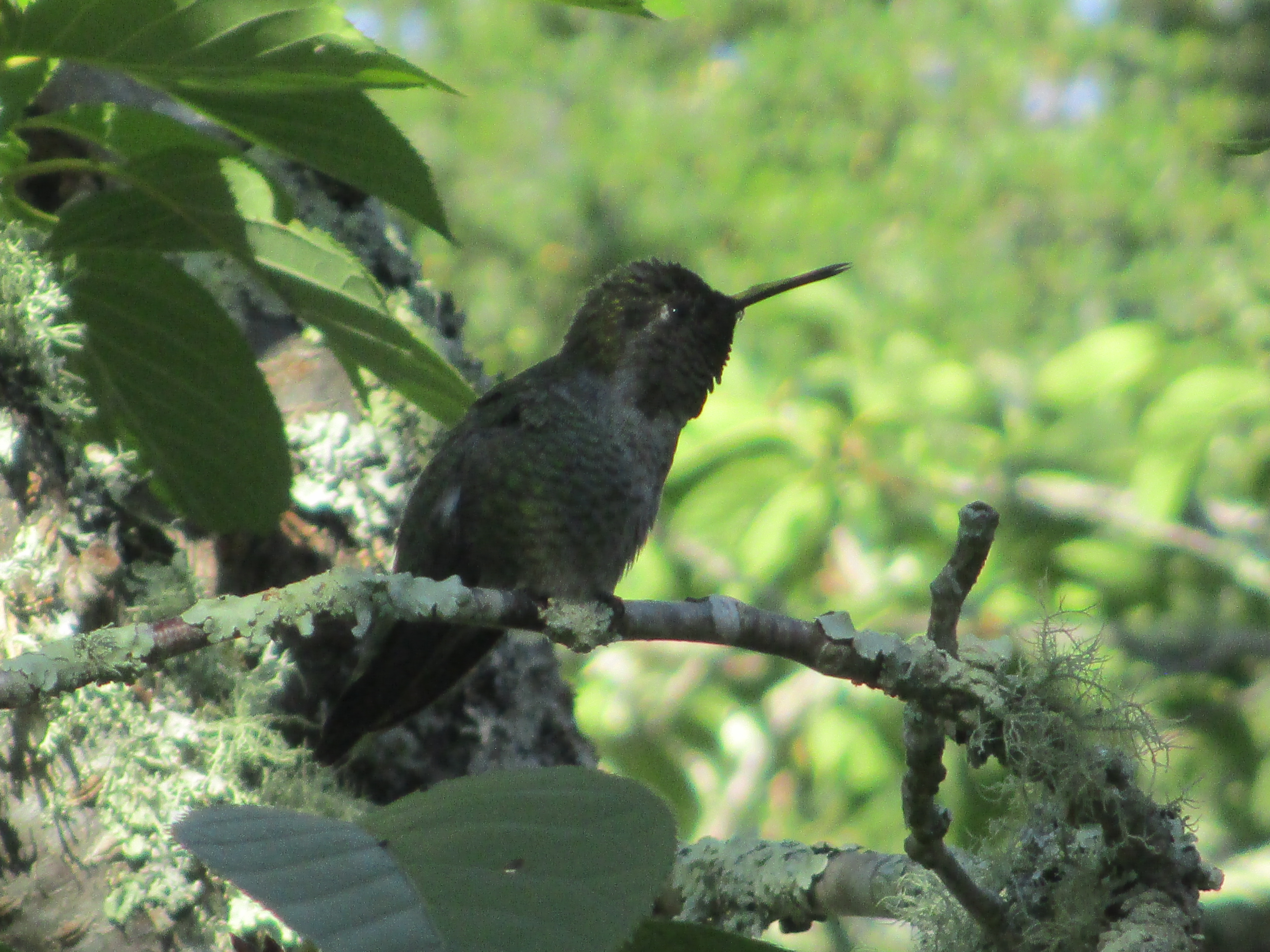 Wildlife is a topic that is notably lacking from my articles. I mention only that which must be ‘escorted’ out of the landscapes, like
 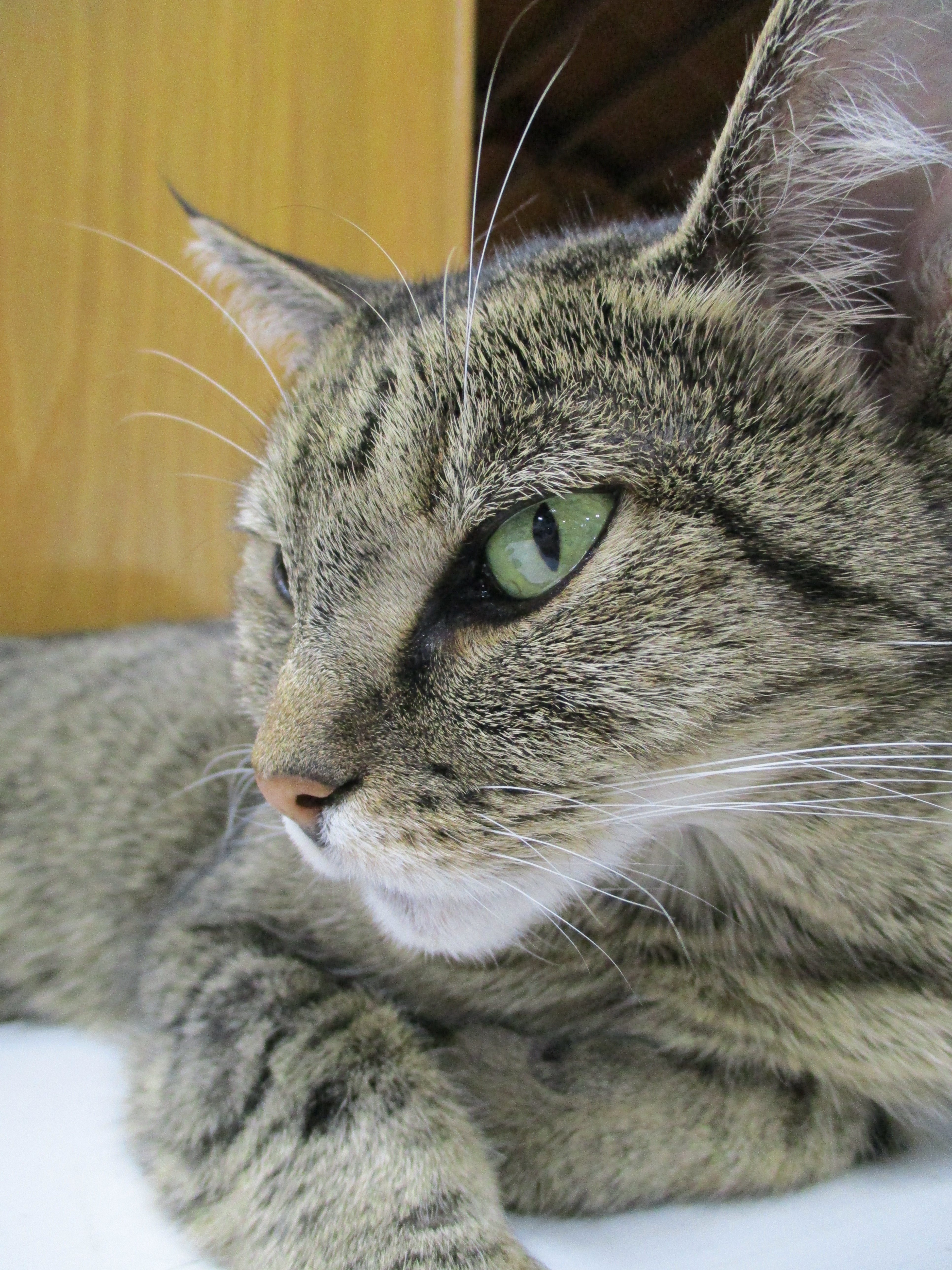 Anyone who has ever owned a cat knows that no one owns a cat. They do whatever they want to do, whenever and however they want to do it. They take orders from no one. If they decide to use a dry spot in the garden as their litterbox, or a tree trunk as their scratching post, it is impossible to dissuade them. They are so smug and arrogant. It is no wonder that so many dogs dislike them.
 These are perfect conditions for crop circles. Even without any convenient grain crops, there is plenty of tall grass in unmanaged and ungrazed fields. All this grass needs is to be crafted into crop circles.

