
The main difficulty with such a mild climate is that many plants do not get sufficient chill in winter. Several types of apples do not perform well here without it. Only a few are productive in Beverly Hills (in the Los Angeles region), where I sometimes need to modify my gardening column accordingly. A few of my neighbors here somehow grow peonies; but I do not even bother.
Even plant that require more chill than they get here seem to be aware that it is cooler at this time of year. Their deciduous foliage turns color and eventually falls to the ground. They just want the weather to get a bit cooler and to stay cooler for a bit longer before they are convinced that it is really winter. Otherwise, they think that autumn simply merges directly into spring.
I really do not know what hydrangeas are thinking though. They perform about as well in milder climates of Southern California, and may not bother to defoliate completely if old foliage can linger until it is replaced by new foliage. In the mildest climates, bloom is merely subdued through winter, but might continue sporadically. I am not convinced that they need any chill at all.
The hydrangeas here get pruned shortly after the roses, and almost as severely. (They are a bit more complicated than roses, and a bit less cooperative, but respond well to their pruning.) I started the process on Thursday with a few that needed to be relocated, and will be finishing on Wednesday or Thursday. Most of the remaining yellowed old foliage falls away in the process.
Their lingering bloom is a bit more disconcerting. I hate to waste what the old hydrangeas put so much effort into producing. Some of the best blooms were outfitted with a bit of eucalyptus foliage (since they lacked their own) and given away to others who work here. However, there were invariably some undeveloped blooms that were just discarded as they got pruned away.
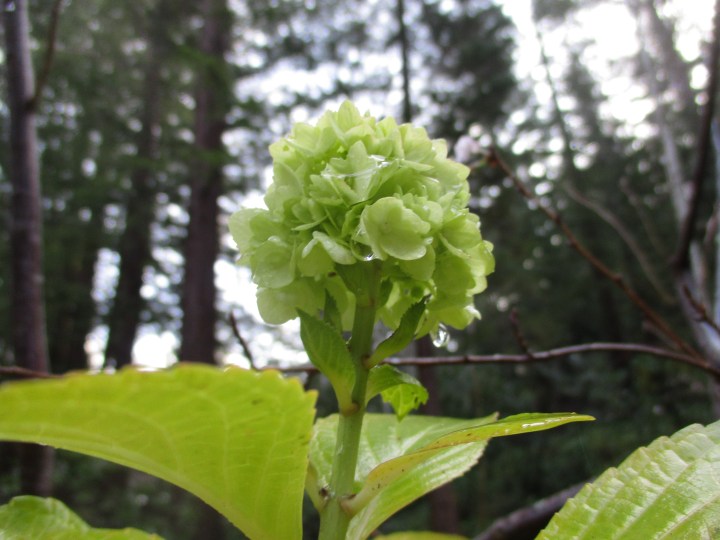
Hydrangeas seem to appreciate a good chill, but do not seem to need it, or expect it to last for very long. I sometimes wonder if I could just groom them to remove old canes throughout the year rather than pruning them aggressively in winter. I do not remember ever pruning any in Southern California, but might expect them to be less responsive to the even milder weather.
For me, they would be easier to prune where winter is cool enough for them to be completely dormant. Without foliage, it would not seem like I would be pruning them while they are still active. Without bloom, I would not be concerned about the waste. I could just prune them like so many other deciduous plants. There really are a few disadvantages to mild winter weather.

 The internet makes it possible to communicate with people who enjoy gardening all over the World. It can be amusing to hear what garden enthusiasts in Australia are doing now in early summer. Is it always summer in Ecuador? A common theme in much of America is that there is not much gardening to do right now. It might be more accurate to say that no one wants to go out in the cold.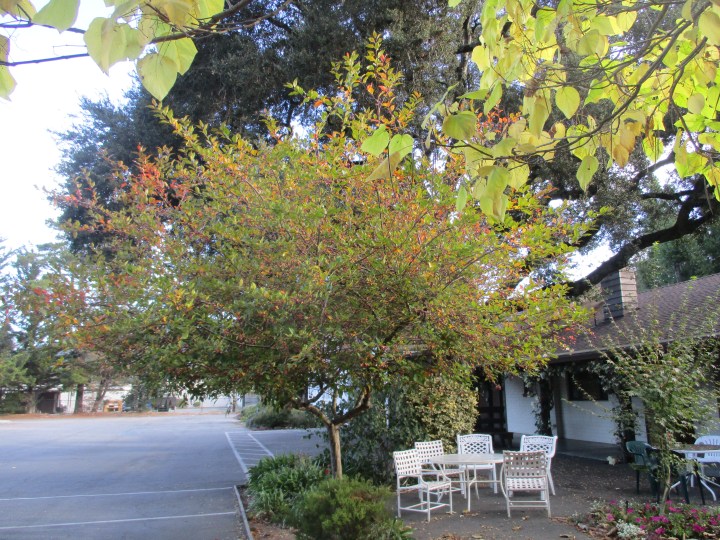
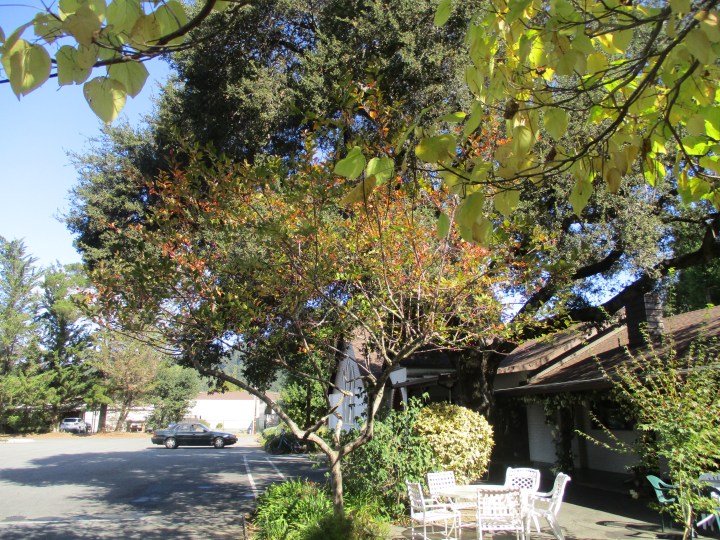 It is amazing what just a few parishioners and friends can accomplish in just a few hours from about nine to noon on Saturday morning. It is only happens a few times through the year, so we make the most of it to catch up on all sorts of maintenance and projects at Felton Presbyterian Church. (My parish should do this sort of thing.) I was there to work in the minimal landscape.
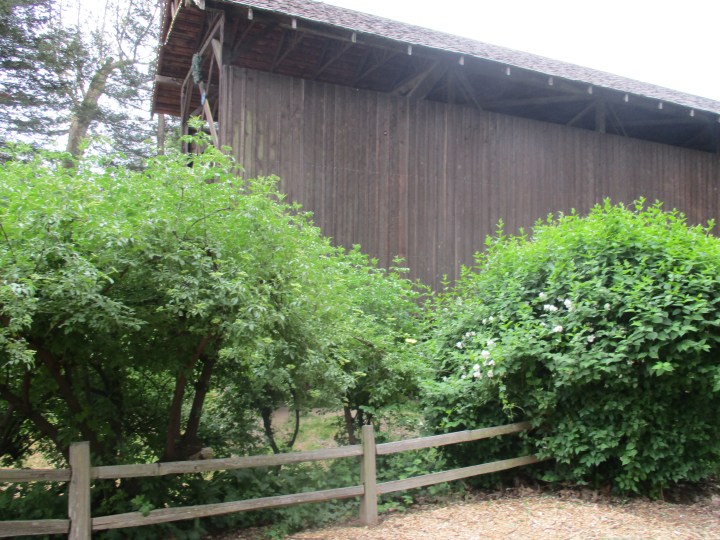 Pollarding and coppicing are proper pruning techniques. If you think you are an arborist who believes otherwise, do not waste my time arguing about it. More than likely, you are neither as educated nor as experienced as I am with such matters, or you work exclusively with trees for which such procedures would be very inappropriate.
 This theme may be getting a bit redundant about now. There is just so much that needs to be done in the garden through winter for what will bloom in spring and summer. We plant new fruit trees, and prune mature ones. When we finish planting spring bulbs, we can start planting summer bulbs. Berries, rhubarb and grapes all get planted. With all this going on, it is also time to prune roses.
 The vast orchards of the Sacramento and San Joaquin Valleys might make the impression that production of fruit is easy. The trees naturally bloom in spring, and develop fruit over summer, as if they do most of the work prior to harvest. In reality, those trees have been so extensively bred to maximize production that they need, among other maintenance, very specialized pruning in winter.
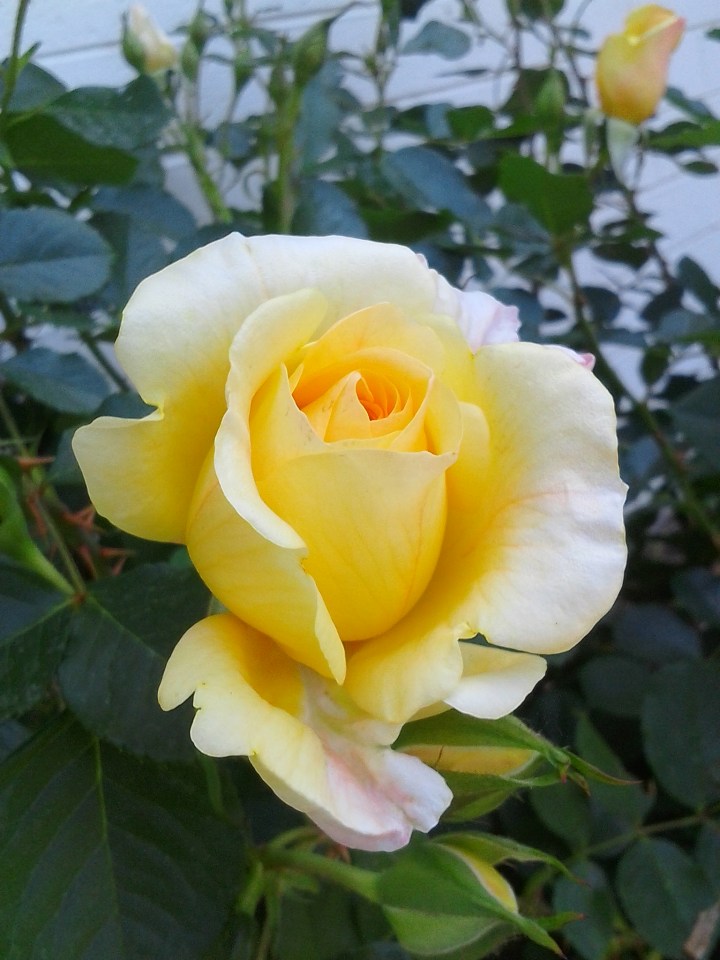 The main problems with roses locally are not related to climate, soil, insects or disease. Warm and semi-arid climates of California happen to be some of the best places in the World for roses. Sure, many roses have problems with insects such as aphid, and diseases such as powdery mildew, but primarily because such pathogens proliferate among roses that are not pruned properly.
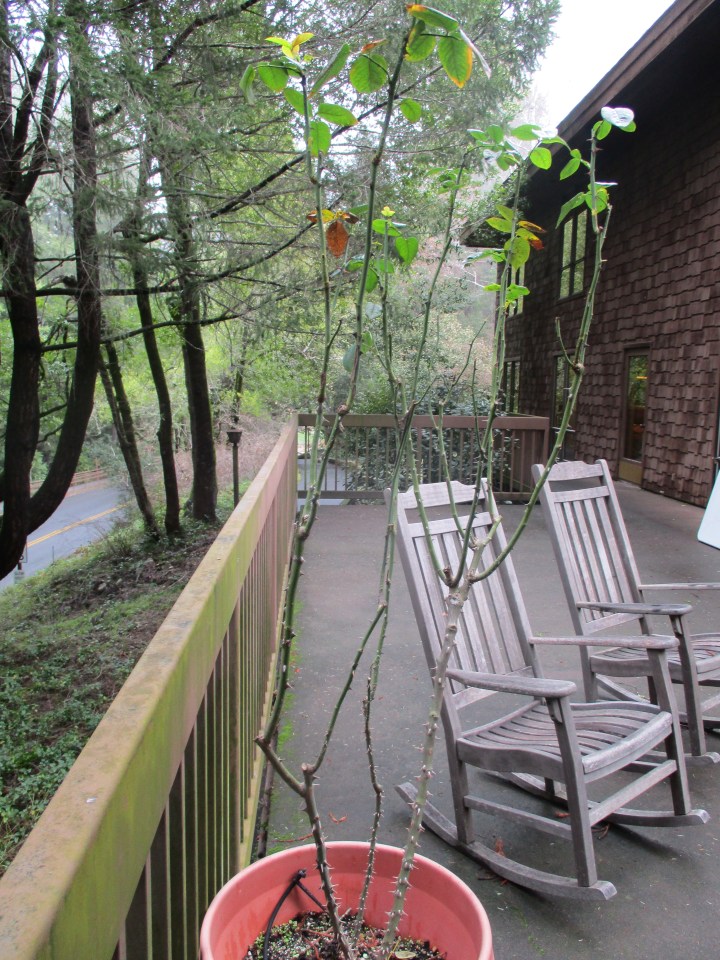 Winter is for pruning. Any good native of the Santa Clara Valley knows that. It starts as soon as the first deciduous fruit trees defoliate and continues to the last minute rush to finish before the buds start to swell at the end of winter. It may seem like there would be no last minute rush now that all the orchards are gone, but there is so much in landscapes to prune that prioritizing and scheduling pruning takes a bit of effort. Just like we know that apples and pears can be pruned slightly later than apricots and prunes, in the landscape, we know that sycamores might be delayed until the birches are done. Naturally, I feel compelled to prune the flowering cherries and fosythias, but am almost content to wait until after they finish blooming in early spring. Of course, I cringe as I write this.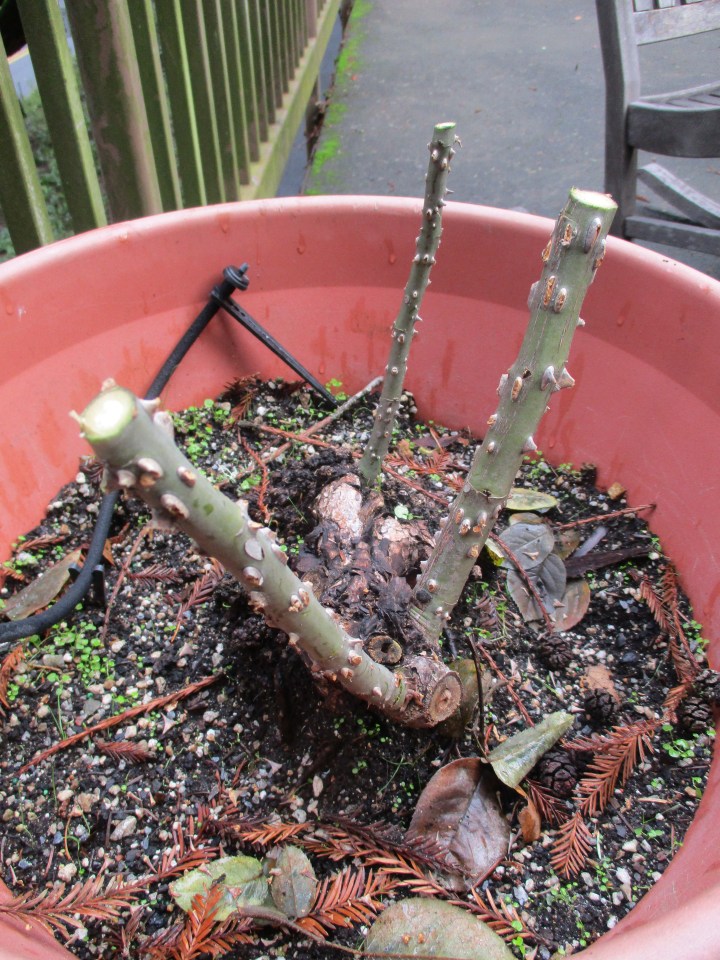
 Winter is the best time for major pruning of most plants. They do not mind it so much while they are dormant. However, there are exceptions. Winter pruning might be a bit too early for a few plants that are grown for their late winter or early spring bloom. It is best to wait until immediately after bloom to prune or trim flowering cherry, flowering plum, flowering crabapple and flowering quince.
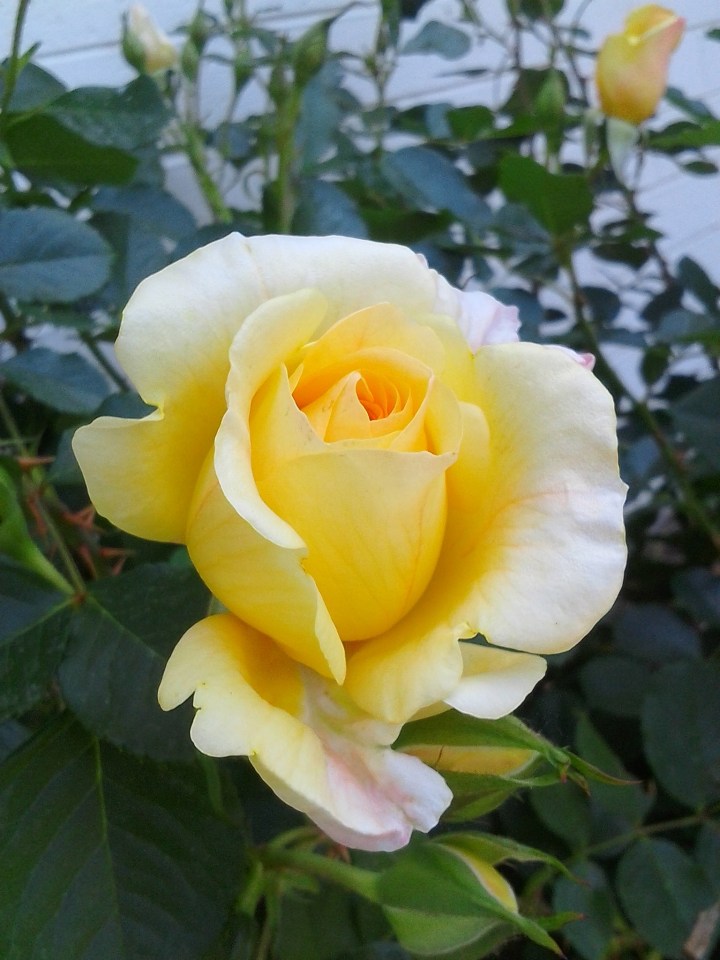 Winter is no excuse to be less diligent in the garden. It would seem that gardening would be less demanding because there is less going on, and so many plants are dormant. However, dormancy is precisely why there is so much to do through winter. Bare root plants and bulbs are planted because they are dormant. Fruit trees get pruned because they are dormant. Now it is time for roses.
 Tony Tomeo