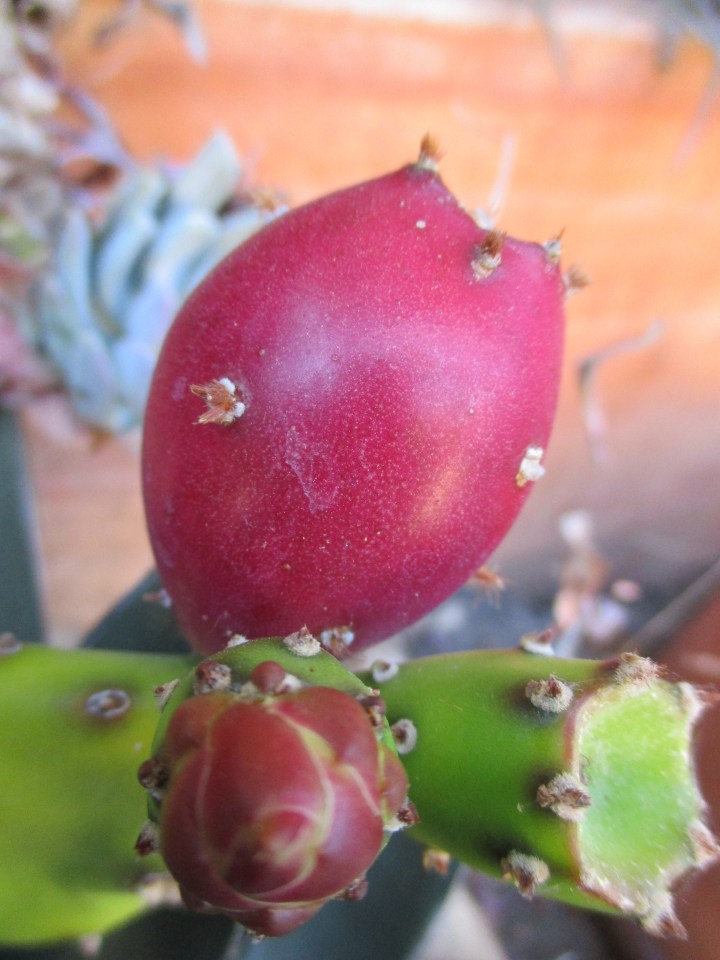
 Those of us who grew up with the old fashioned stone fruit orchards or vineyards might remember some of the traditional methods for protecting the ripening fruit from birds. Mulberry trees were grown on the corners of some orchards to keep birds well fed and less hungry for the ripe orchard fruit. Mulberry cultivars were selected to ripen just prior to the fruit within the particular orchards.
The trees were not there to produce fruit to be harvested like the fruit within the orchards was. Most, but not all of what the birds did not consume fell to the ground and rotted. Only small quantities of the overly abundant fruit was taken by a few neighbors who made jam or syrup with with it. Mulberries were a byproduct of the orchards that some put to good use just because it was available.
Decades ago, it was much easier to get a bit of fruit from neglected or naturalized fruit trees in rural regions and on roadsides without offending anyone. Isolated remnants of the old fruit orchards were common. American plum, which had been used as understock for orchard trees, had naturalized in some regions. For those daring enough to harvest them, so had Himalayan blackberry.
Even now, we can find a bit of fruit where do not expect it to be. A few plants that are grown more for their visual appeal can be surprisingly generous with their fruit production. Pineapple guava, which is now popularly grown as a simple evergreen hedge, used to be grown instead for its small tart guavas. Purple leaf plum, as it matures, may not be quite as fruitless as it is purported to be.
The difficulty with the more unfamiliar types of fruit is finding practical uses for it. The native blue elderberry makes excellent jelly or syrup, like black elderberry, but not many of us even know it is edible once cooked. Australian brush cherry, strawberry tree, English hawthorn and ‘Majestic Beauty’ Indian hawthorn, are never overly productive, but might sometimes make enough fruit for jelly.
Of course, no unfamiliar fruit or nut should be eaten prior to confirmation that it is safe for consumption.
 Big trees get big problems. Part of our job is to tend to these problems before they become dangerous. Many of these problems are somewhat easy to identify. A deteriorating ponderosa pine with browning foliage it difficult to ignore if it is tall enough to be seen above the rest of the forest more than a mile away.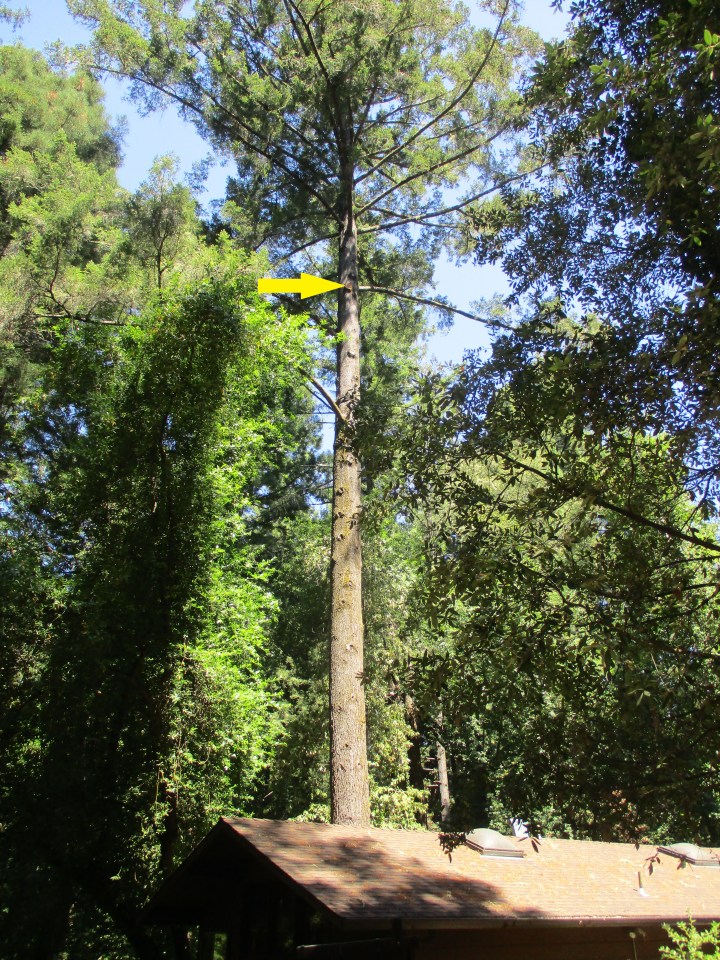



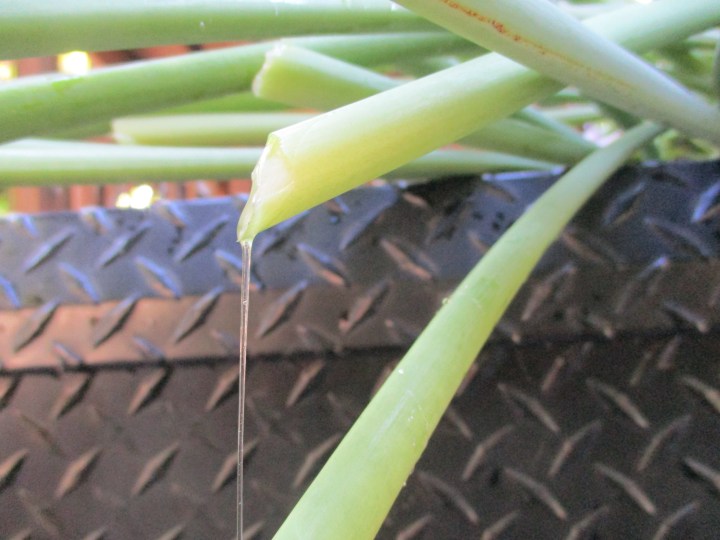

 It may not look too nasty, but barberry, Berberis thunbergii, is the sort of small hedge that one goes through only once. It does not have big strong branches to hold anyone back. In fact, the limber branches are quite twiggy. The tiny spines are not impressive either, and might go unnoticed by cursory observation. Yet, they are sharp enough and plentiful enough to make quite an impression!
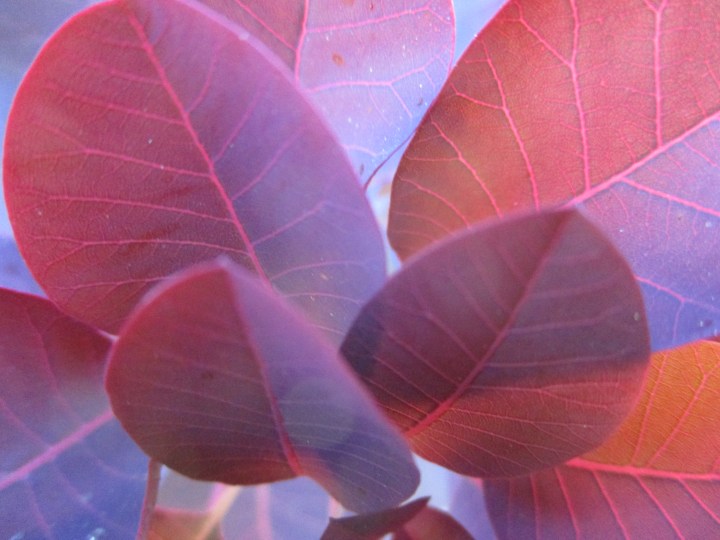 Autumn foliar color is not the concern yet. It develops later as deciduous plants defoliate for winter. Purplish, reddish, yellowish, bluish or gray foliar color that can be seen now is provided by plants that are colorful while actively growing. Almost all of this sort of foliage is most colorful when it is young and fresh, early in spring. Then, through summer, some of the best foliar color fades.
 Among pines, firs, redwoods and most excurrent trees (with central leader trunks), stubs or stumps of limbs that were shed are common and more apparent than they are among decurrent trees (which branch into many main limbs). The older lower stubs slowly but eventually decay and fall away as the trunks compartmentalize (heal over) where they were formerly attached.
 From formerly dormant bulbs just below where their foliage shriveled in the warmth of last spring, the naked brown floral stalks of naked lady, Amaryllis belladonna, grow fast to about two feet tall. They bloom suddenly with a few or several garish pink lily flowers about three inches long. They are sneaky about it too. Without foliage, and prior to flashy bloom, the bare stalks are easy to miss.
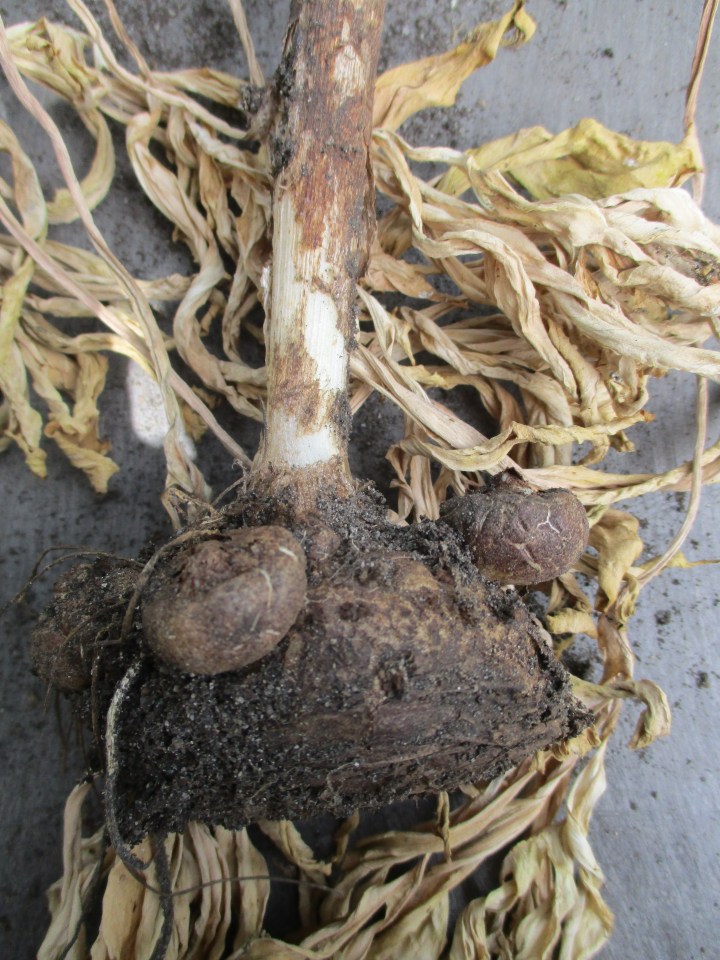 California buckeye, Aesculus californica, is an enigma. How does it survive while defoliated for so much of the year? Not all are so mysterious. Those that live in sheltered or forested situations behave like normal deciduous trees, by defoliating in autumn, and refoliating in spring, after a brief winter dormancy. Those that are more exposed in warm and windy situations make us wonder.
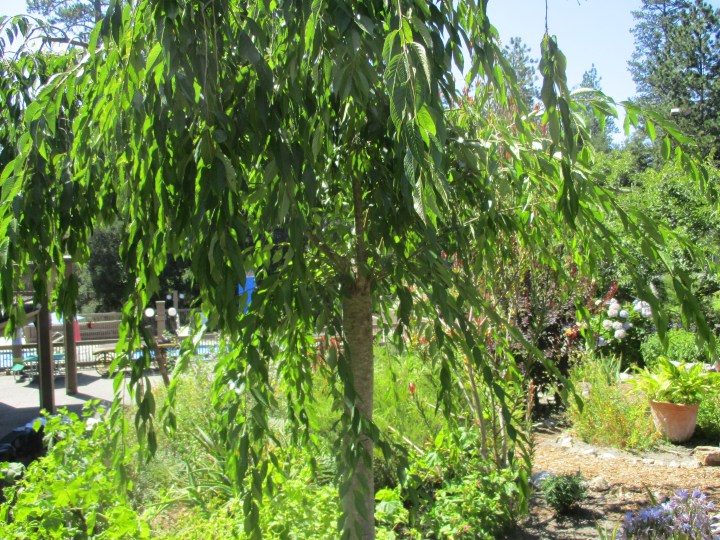 Weeping flowering cherry is another type of tree that almost never gets appreciated like it should. Like so many Japanese maples, they get planted into situation where so-called ‘gardeners’ shear them into nondescript globs of worthless foliage that only get in the way. Some get shorn so regularly that they are deprived of bloom. Their form and bloom are their two main assets.
