Six on Saturday: Cat Burglar

Is a cat burglar a kitty who steals things, or someone who steals from kitties? There are a few kitties here, and, apparently, a burglar. I determined that two of the kitties are appropriate for Six on Saturday because they have horticultural names. The burglar is less appropriate, and is gone anyway. I am quite annoyed that someone came here, likely during the day, and stole from us. A small hesper palm that I grew from a seedling, two specimens of golden bamboo, and a larger Mexican fan palm got taken.

1. Cat – Black Jack, like the oak, Quercus marilandica, has a good horticultural or arboricultural name. He is a solid black Maine coon cat, and is no more cooperative for a picture than Rhody.

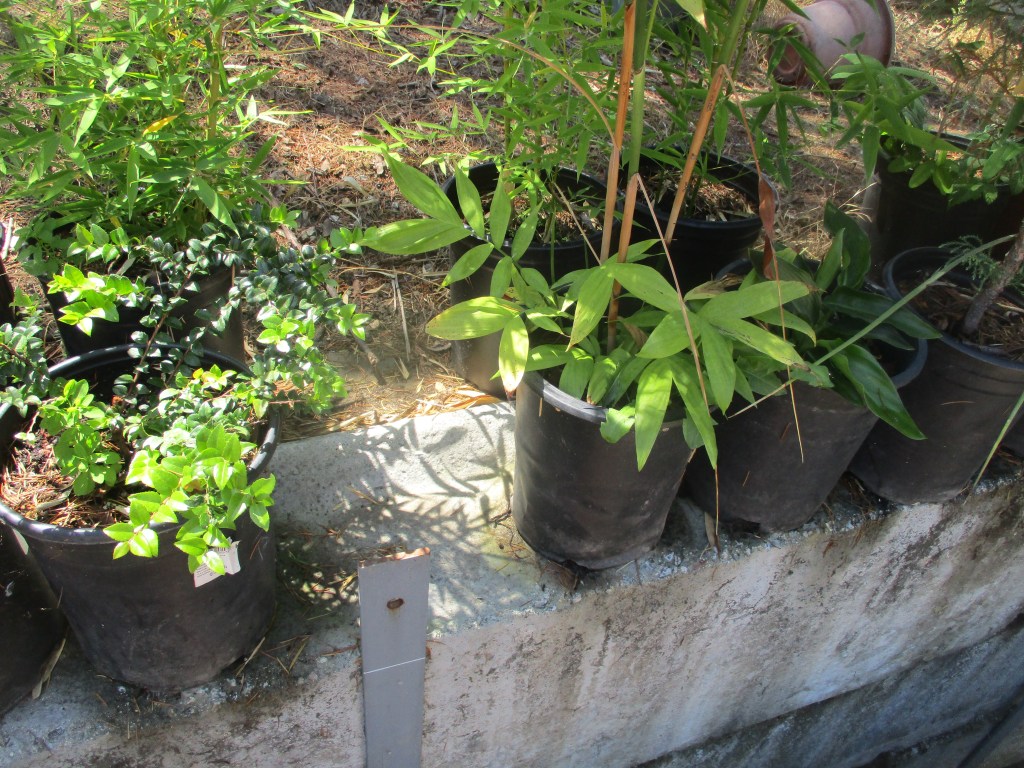
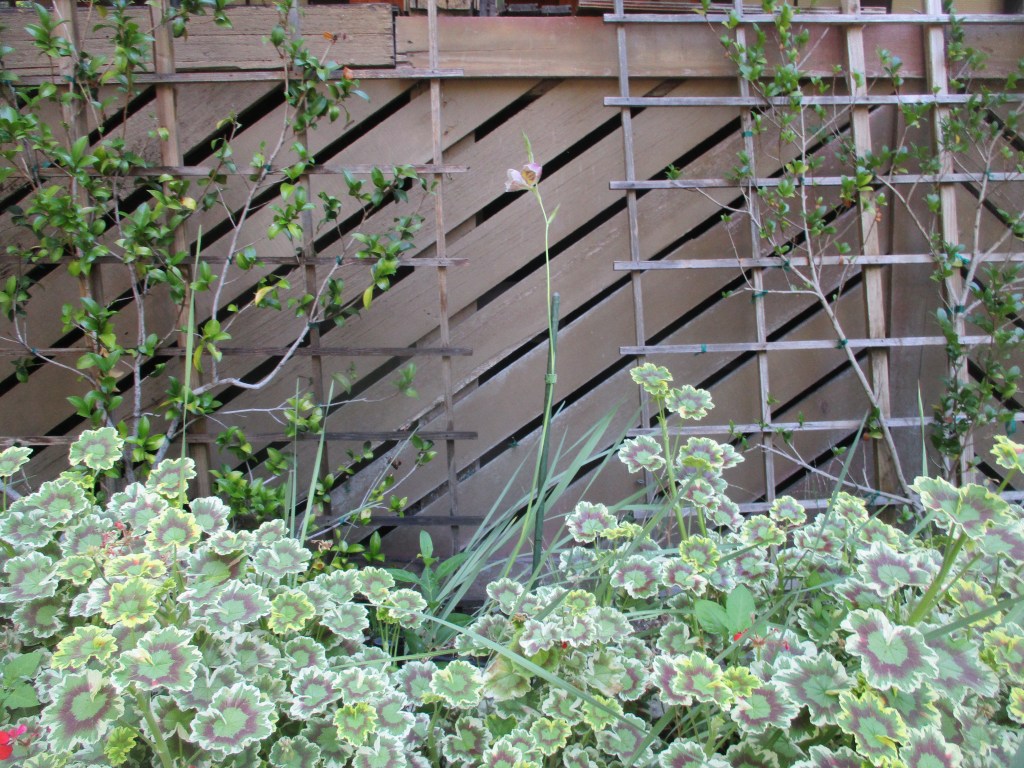
2. Burglar – Hesper palm, Brahea armata, lived here, in the blank spot on top of the wall. Golden bamboo, Phyllostachys aurea, lived right behind it and in the blank spot four cans to the right.
3. Cat – Pepper, like a species of Caspicum, has a good horticultural name too. She looks something like a penguin with a bit of brown, but is no more cooperative for a picture than Black Jack.

4. Burglar – I know I brought back more shoots of this unidentified species of Aloe from my downtown planter box. At least these four remain. They will get groomed and return to the planter.

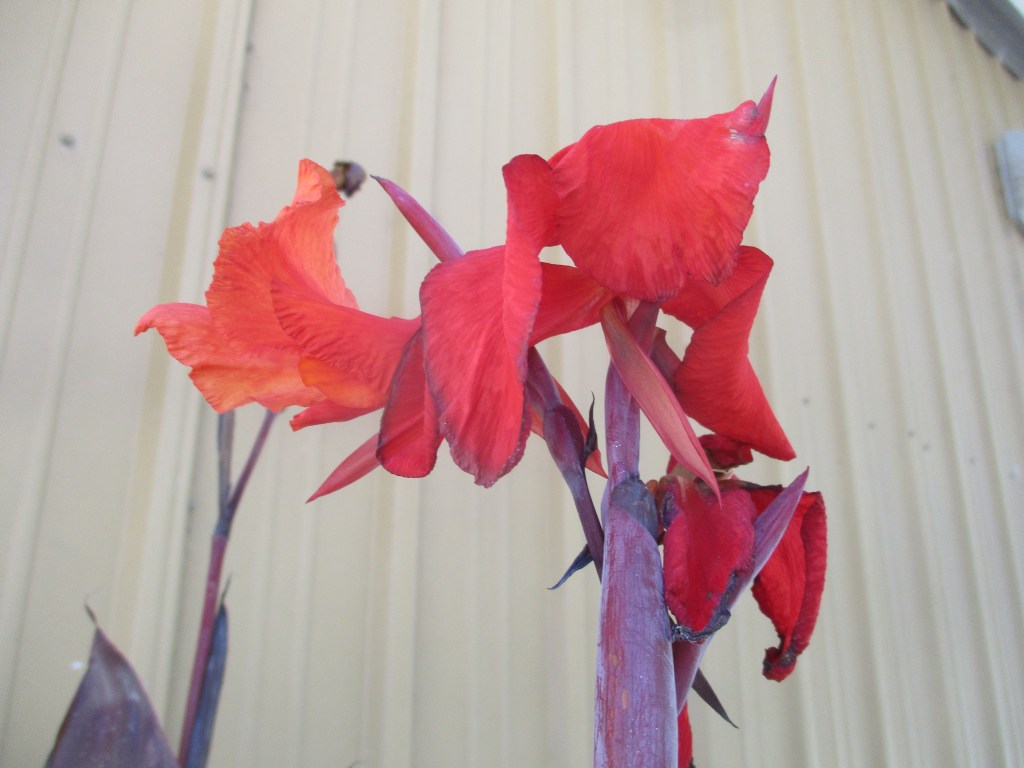
5. Canna – This also came from the downtown planter box. It needed to be removed to facilitate the repair of a few broken tiles. It will eventually return with the Aloe. This bloom is a surprise.
6. Vine maple – Acer circinatum is still healthy and reasonably happy after getting yanked from its landscape by a backhoe during the warmth of summer. I did not expect it to survive so well.

This is the link for Six on Saturday, for anyone else who would like to participate:

Six on Saturday: Eucalyptus

Blue gum earned a bad reputation for all species of the genus decades ago. It really is as massive, messy, combustible, unstable and structurally deficient as reputed. Some find its foliar aroma to be objectionable. Fortunately, it is not as invasive as formerly alleged. It is common only because it was planted so extensively a long time ago, and is somewhat naturalized in some regions.

Other eucalypti are more appropriate to landscape situations than blue gum, which is #6 below. #3 and many others are now classified as Corymbia, rather than Eucalyptus. Genus is omitted for these Six.

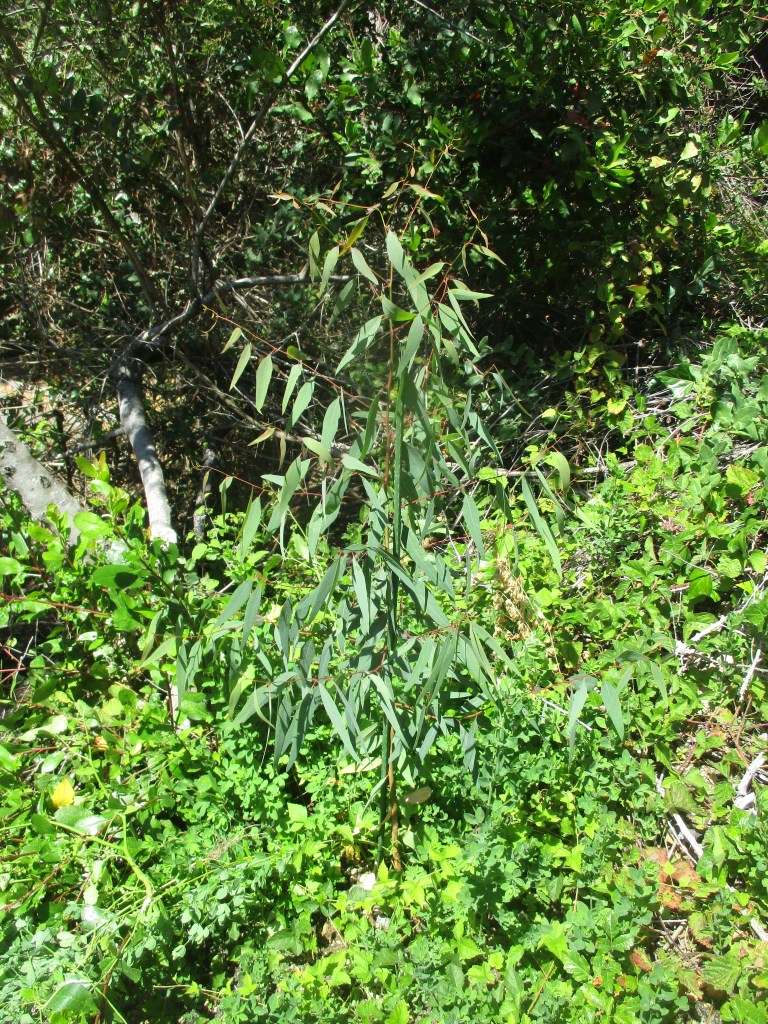
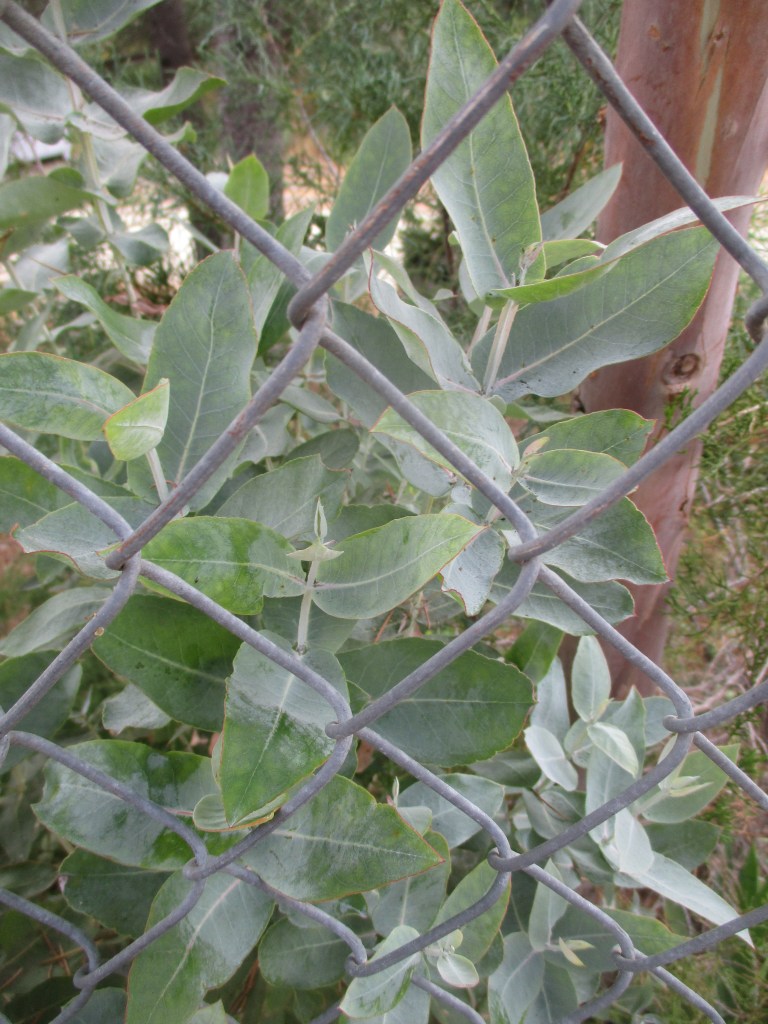
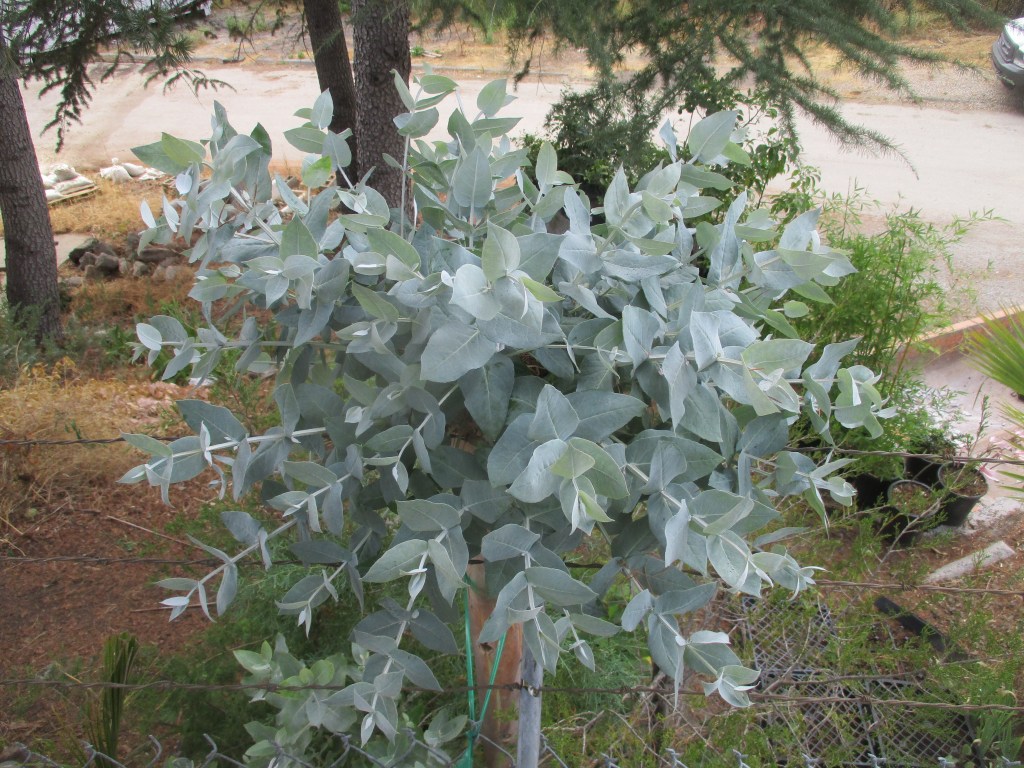
1. pulverulenta or cinerea is the only eucalyptus that was here when I arrived. I learned this species as ‘cinerea’. However, the correct designation seems to be ‘pulverulenta’. #2 should match.

2. cinerea or pulverulenta, as mentioned above, was supposed to match #1. It was labeled as cinerea. I thought that #1 is cinerea. I still do not know which is cinerea and which is pulverulenta.

3. sideroxylon is the first tree I planted in 2021. For such a dinky tree, it already has quite a history. I gave it to my colleague who appreciates the distinctively dark and coarsely textured bark.

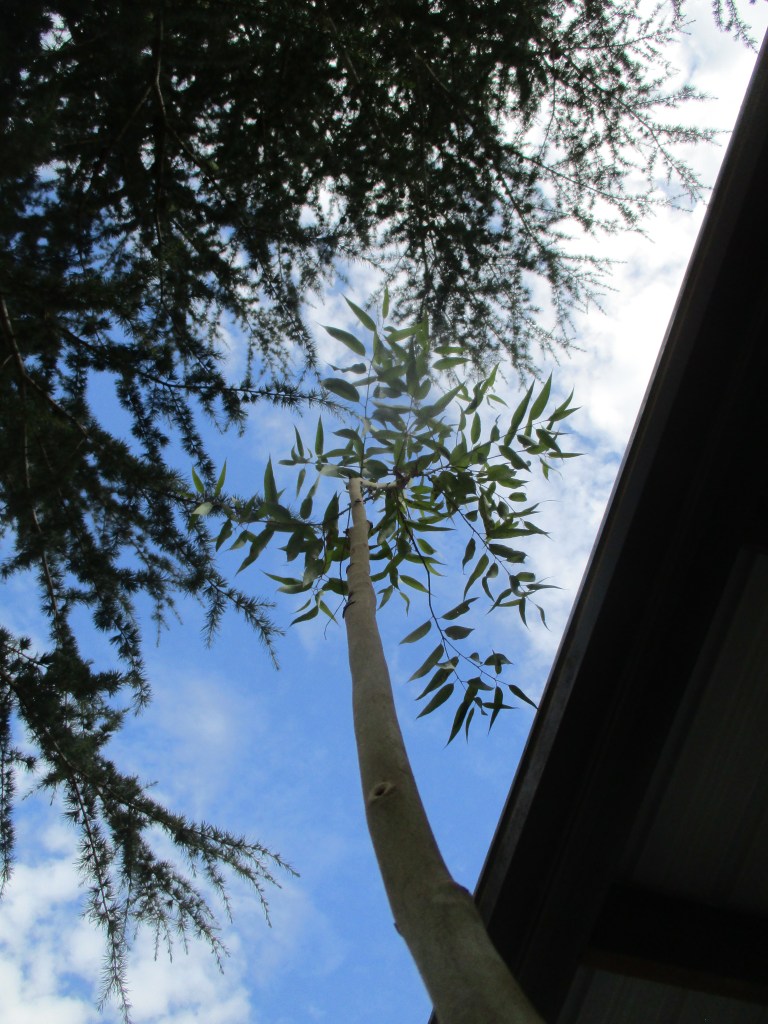
4. citriodora is as goofy as it looks. It is about fifteen feet tall, with just a few leaves at the very top. Its smooth white bark contrasts with that of #3, which it will be planted close to this winter.

5. globulus ‘Compacta’ gets coppiced to produce aromatic juvenile foliage, but is less aromatic than the straight species, #6. It might be my least favorite eucalyptus, although I am fond of #6.

6. globulus gets pollarded to produce aromatic juvenile foliage, like #5, but on a trunk. It is the eucalyptus that gives all other eucalyptus a bad reputation. Nonetheless, I like its grand stature.

This is the link for Six on Saturday, for anyone else who would like to participate:
https://thepropagatorblog.wordpress.com/2017/09/18/six-on-saturday-a-participant-guide/

Six on Saturday: Gladiolus papilio

Gladiolus papilio was the topic of my Six on Saturday post for the tenth of November in 2018, when the author of Tangly Cottage Gardening Journal sent me bulbs from one of her landscapes. Embarrassingly, that was almost three years ago. They were properly installed into a landscape here, and grew well for their first season. However, they needed to be relocated as their bed got renovated. They had been in no mood to bloom during recovery. Then, while I was away, a colleague staked a single unfamiliar bloom.

1. Here it is! This is the first bloom of the RAD Gladiolus papilio since it was planted here almost three years ago! I know it looks silly staked like this, but it would not stand upright otherwise.

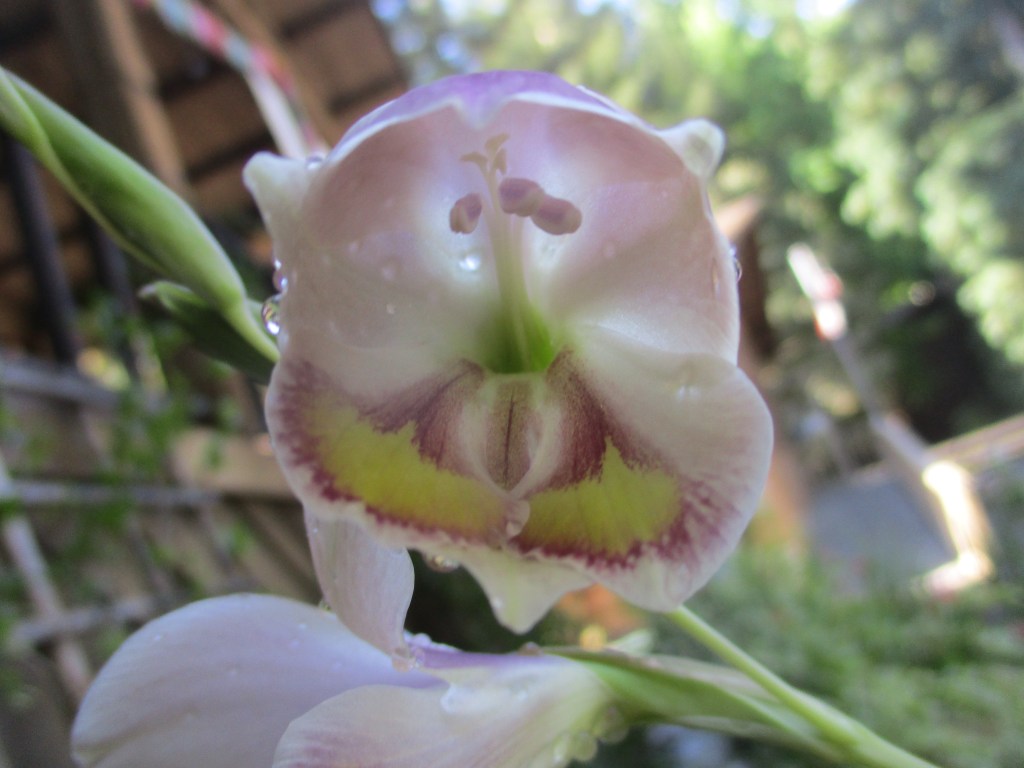
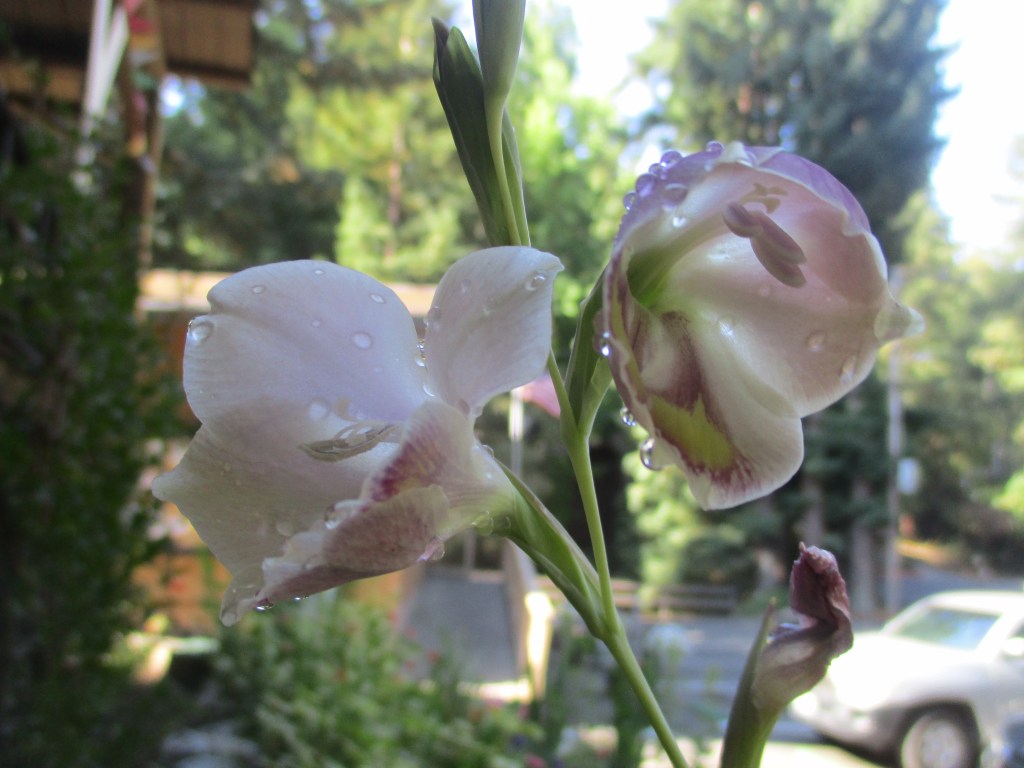
2. Bloom is exemplary. Well, I believe that it is. I am unfamiliar with this species, so studied it and pictures of it online. It would have been nice to get a picture before the first floret shriveled.

3. The exteriors of the florets seems to be almost light gray blushed with pale purple. Upon closer inspection, they seem to be pale purple with pale white. I am certainly not an expert on color.

4. The interiors exhibit a slightly more distinct pattern with the same colors, as well as a pair of yellow blotches in front where pollinators can see them. I do not know who the pollinators are.

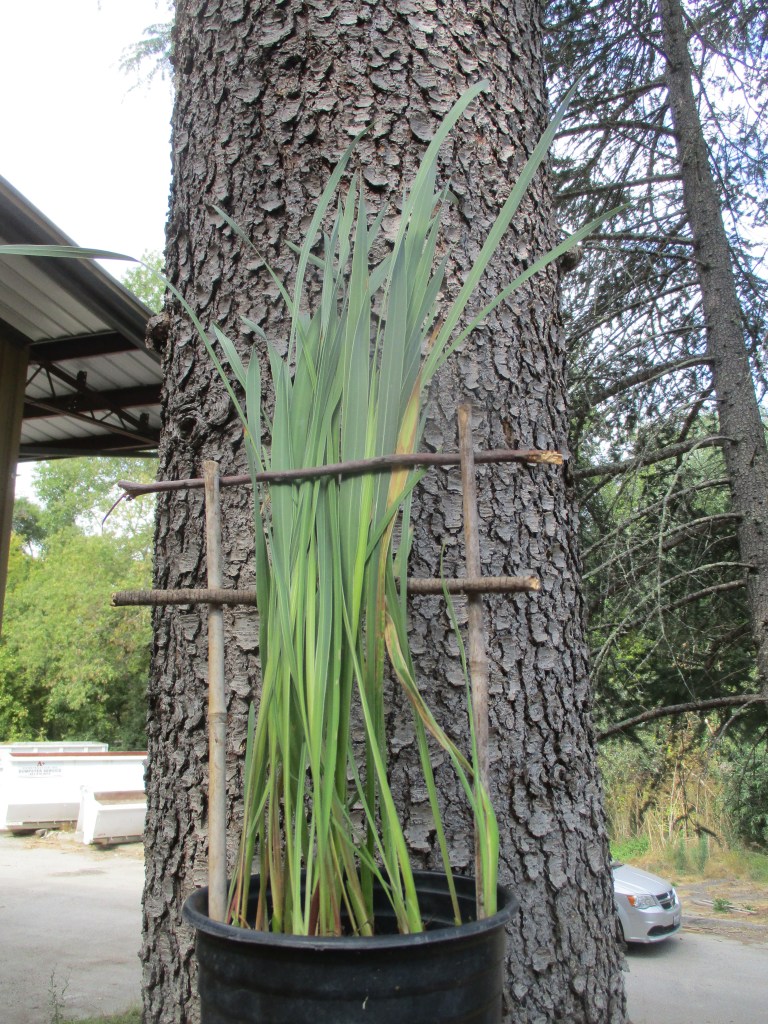
5. A few bulbs got canned so that they can eventually get planted directly into my garden, without getting dug from where the rest of them live. They were staked like this only for this picture.

6. Rhody does not understand what all this fuss is about. He would be more interested to read about the many other dogs, kitties and, of course, Skooter of Tangly Cottage Gardening Journal.

This is the link for Six on Saturday, for anyone else who would like to participate:
https://thepropagatorblog.wordpress.com/2017/09/18/six-on-saturday-a-participant-guide/

Six on Saturday: How It Should Be


Well, I can not argue that ‘everything is as it should be’. Turkeys serve more of a purpose than food, although I can not figure out what their other purpose is. Coleus are so delightfully colorful that those with more discerning taste than mine enjoy new and ‘improved’ cultivars. Many of those same people with discerning taste also enjoy Japanese maple too much to consider options. Both my blue and white lily of the Nile are still the best! Yes, but . . .

1. Turkey belongs in an oven, or perhaps in a freezer. She should not be doing this at the shops as I write. At least she is not somewhere else shredding flowers or pulling up irrigation emitters.

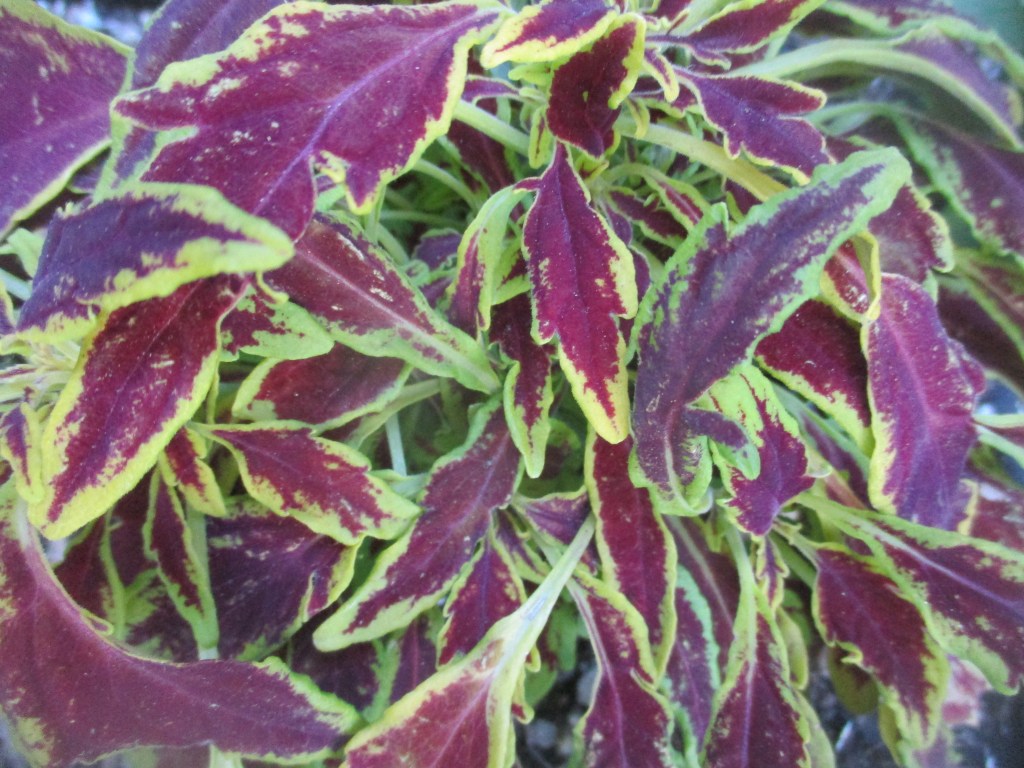
2. Coleus reminds me why I dislike most modern cultivars. I would find this to be more appealing if I did not know what this is, or if I did not know the potential of good old fashioned coleus.

3. Coleus should look like this, which is more similar to how it looked when it was popular as a houseplant decades ago. My kindergarten teacher grew one like this in our classroom back then.

4. Vine maple should be more popular than Japanese maple is. I realize that Japanese maple is much more interesting and diverse. However, now that it is very popular, it is almost mundane.

5. Lily of the Nile should also bloom red, for a red white and blue bloom on Independence Day. There are plenty that bloom blue here. The first that will bloom white were added a month ago.

6. Rhody should cooperate when I need his help with an illustration. I needed a picture of mulch. I had visions of a stylish model in a Halston dress, leaning on a fender of a new 1972 Electra.

This is the link for Six on Saturday, for anyone else who would like to participate:
https://thepropagatorblog.wordpress.com/2017/09/18/six-on-saturday-a-participant-guide/

Six on Saturday: Folly

There is a certain degree of silliness to horticulture. Some of us indulge in it whenever there is an opportunity to do so. I prefer to conform to most rules when I can, but even I rarely engage in irresponsible gardening tactics. My predilection for white, and associated lack of appreciation for more interesting color, might be the most obvious example. Another example is my desire to grow too many useless plants simply because propagation stock happens to be available, or because I happen to enjoy the particular plants. Hey, it keeps me happy.

1. Agave attenuata – fox tail agave needed to be removed from one site, so should have been relocated neatly to another. It instead got cut down (with a chain saw!). It is now a shabby cutting.

2. Calandrinia grandiflora – rock purslane was more fortunate as it remained intact for removal and relocation, but will now get dismantled into a bunch of cuttings. Look at its silly little pot!

3. Phoenix dactylifera – date palm grew from seed in a neighbor’s compost pile. It would be nice if one is female and the other is male, but they could not produce fruit for many years anyway.

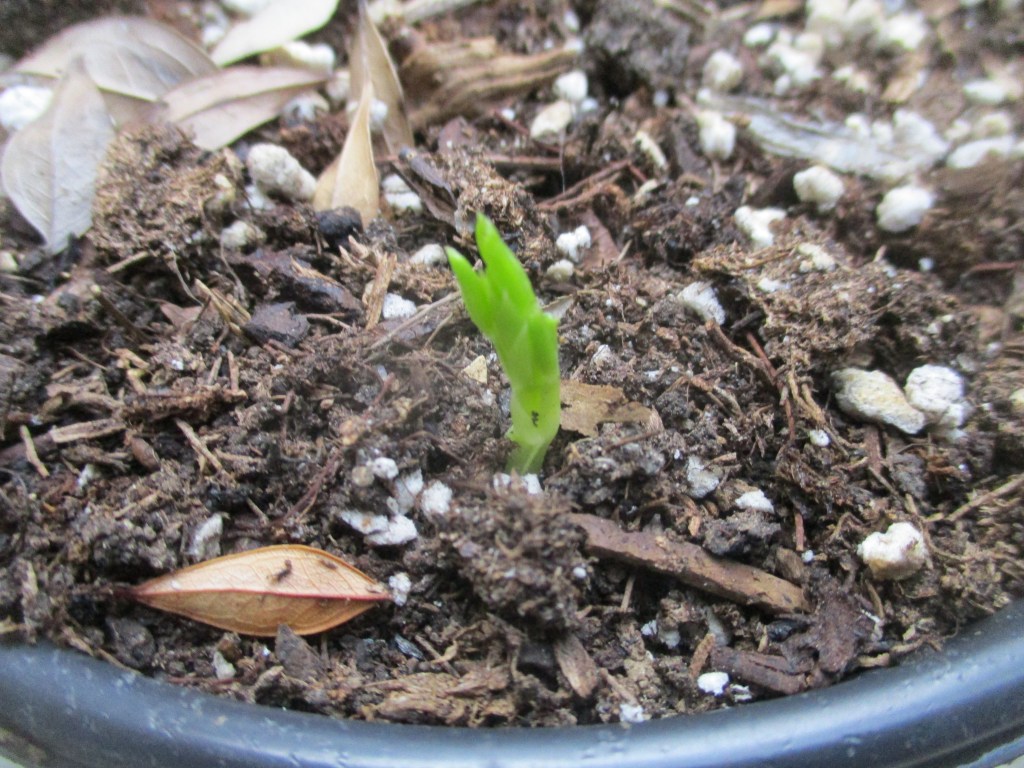
4. Lathyrus latifolius – perennial pea is common, but only a few bloom white. I tagged two to dig and can this winter. Well, I did not wait. They were already dormant. Now they are sprouting.

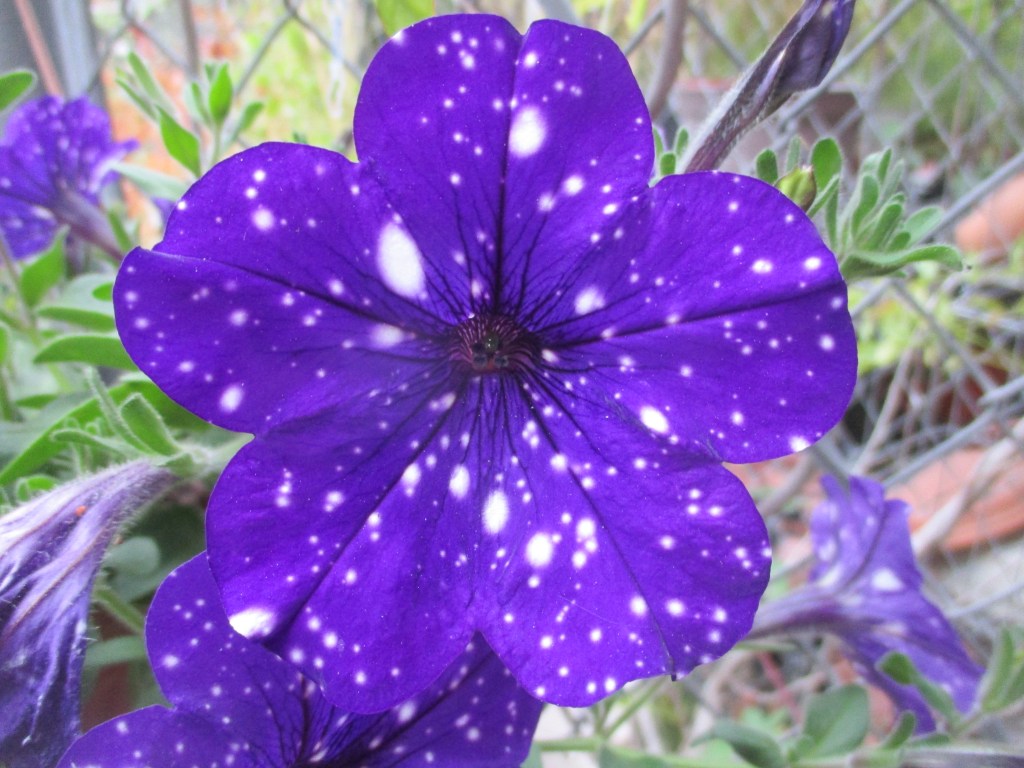
5. Petunia X hybrida – petunia is something that I do not get involved with at work. I lack proficiency with color. My colleague found this ‘Night Sky’ petunia, and despite reviews, is trialing it.

6. Rhody would not allow me to get a good picture of him, so I got this bad one instead. Everyone loves Rhody. He really is exemplary. Even his bad pictures are the best of all Six on Saturday.

This is the link for Six on Saturday, for anyone else who would like to participate:
https://thepropagatorblog.wordpress.com/2017/09/18/six-on-saturday-a-participant-guide/

Six on Saturday: Friends

Brent, my colleague down south, plants street trees. He has been doing so for decades. Some of the older trees are quite mature now. Brent telephones me to tell me whenever the first trees on opposite sides of a street meet in the middle. It is like a graduation for that particular colony of trees. The various species mature at different rates, so they ‘meet’ over their particular street on their own distinct schedule. Brent watches them all, and attends all of their ‘graduations’. Anyway, that is what the first picture reminded me of.

1. Redwoods meeting friends over a road is not uncommon here. For compact street trees that got planted at the same time on opposite sides of an urban street, it is an indication of maturity.

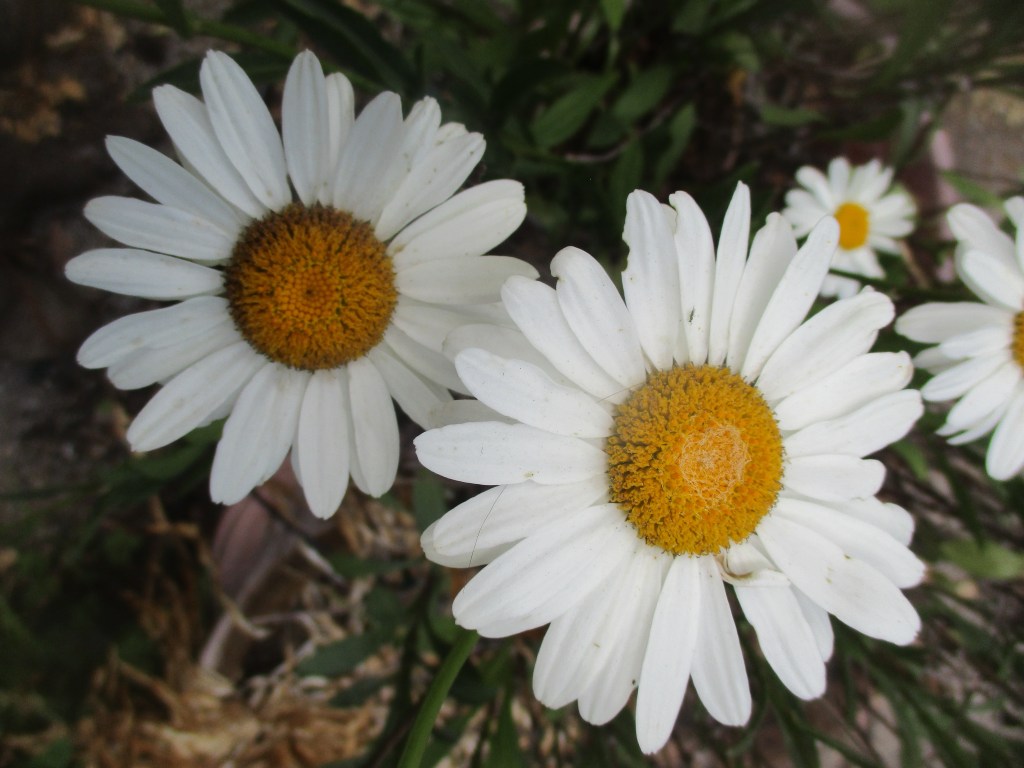
2. Shasta daisies are not exactly friends. They are just two of many separate flowers on the same mature plant. They are composite flowers, so each one contains many tiny but distinct flowers.

3. Lily of the Nile, while piled with many friends, waiting to get groomed and moved to another garden, looks like Sigmund the Sea Monster should stay away from the Pacific Coast Highway.

4. Deodar cedar seedlings that grew where they could not live in an industrial yard were relocated to be with friends in a landscape a few years ago. Some, although not all, are now doing well.

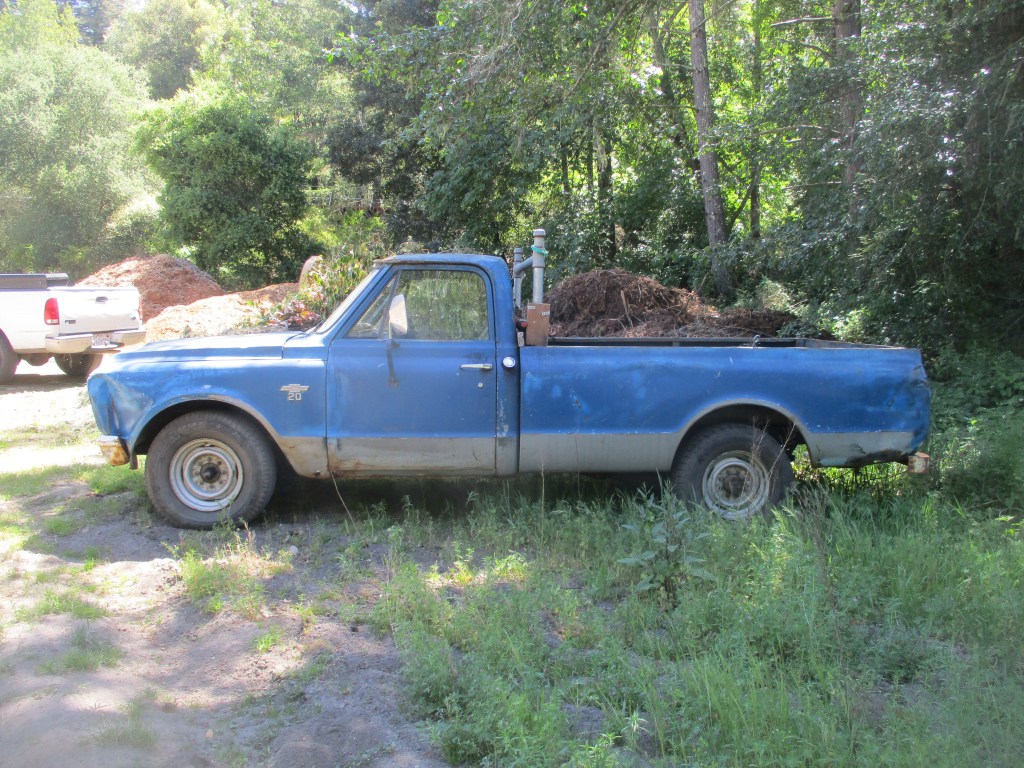
5. Beau, the 1967 C10, has a friend also, named Bo, and he is a 1967 C20. Beau helped me bring so much of my old plant material from the Santa Clara Valley. Bo does not get around so much.

6. Rhody is man’s best friend. Like all of his colleagues, he is very committed to his career, which is, of course, his commitment to his colleagues. In this picture, he happily awaits their arrival.

This is the link for Six on Saturday, for anyone else who would like to participate:
https://thepropagatorblog.wordpress.com/2017/09/18/six-on-saturday-a-participant-guide/

Six on Saturday: Integration


Brent, my colleague down south, scoffs at my predilection for white, as well as the exclusivity of the white garden from which I got pictures for Six on Saturday for last week. I suppose that he is entitled to that since he is a renowned landscape designer and I am not. White is my favorite color regardless; although I lack a white garden of my own, and have no intention of developing one. Exclusivity is no simple task. Some flowers that are not white are too appealing to easily dismiss. Some move in without invitation. Some are not what they should be.

1. Cestrum nocturnum – night blooming jasmine blooms pale white. After installing it, I learned that it might bloom pale yellow! Fortunately, it is next door, just barely beyond the landscape.

2. Bergenia crassifolia – pigsqueak has inhabited the space behind el Catedral de Santa Clara de Los Gatos longer than anyone can remember. It blooms pink, but is not visible from out front.

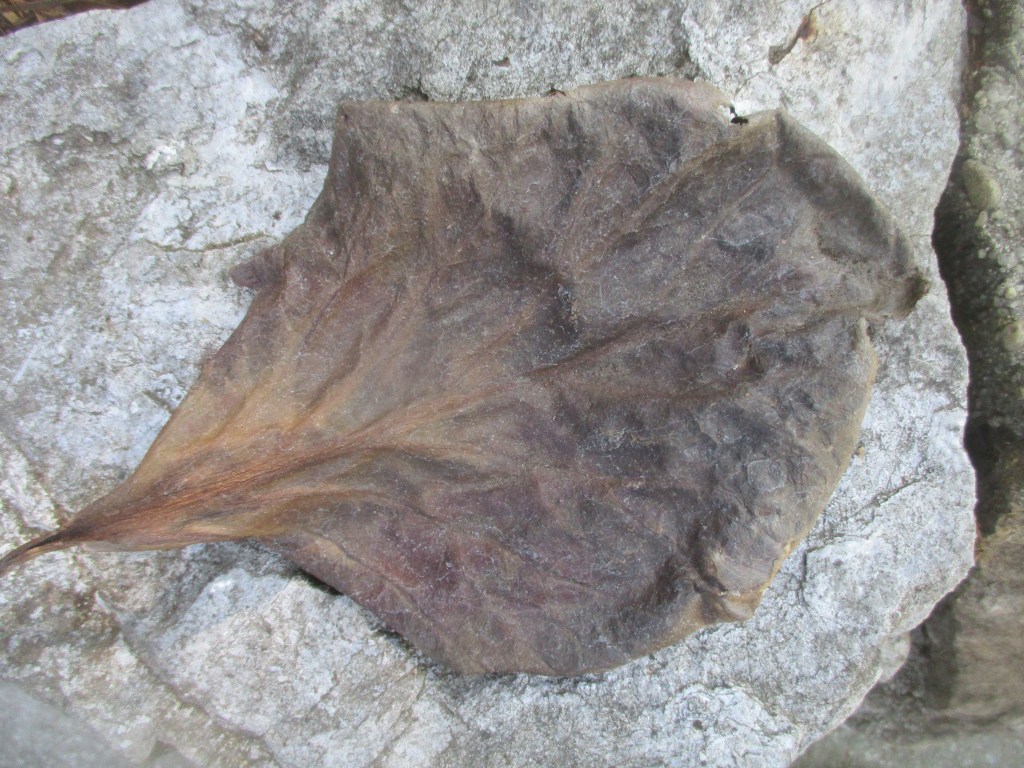
3. Bergenia crassifolia – pigsqueak should be groomed of old desiccated leaves. Incidentally, leaves blackened by frost are used as tea. I am unimpressed. These leaves are not frosted, just old.

4. Lychnis coronaria – rose campion is naturalized here, but is too pretty to pull while the landscape is still so sparse. It can bloom white, as well as red or pink, but I have not seen it do so yet.

5. Agapanthus orientalis – lily of the Nile was likely here about as long as the pigsqueak out back. Now that the first white lily of the Nile here was added at the road, the blue will be dismissed.

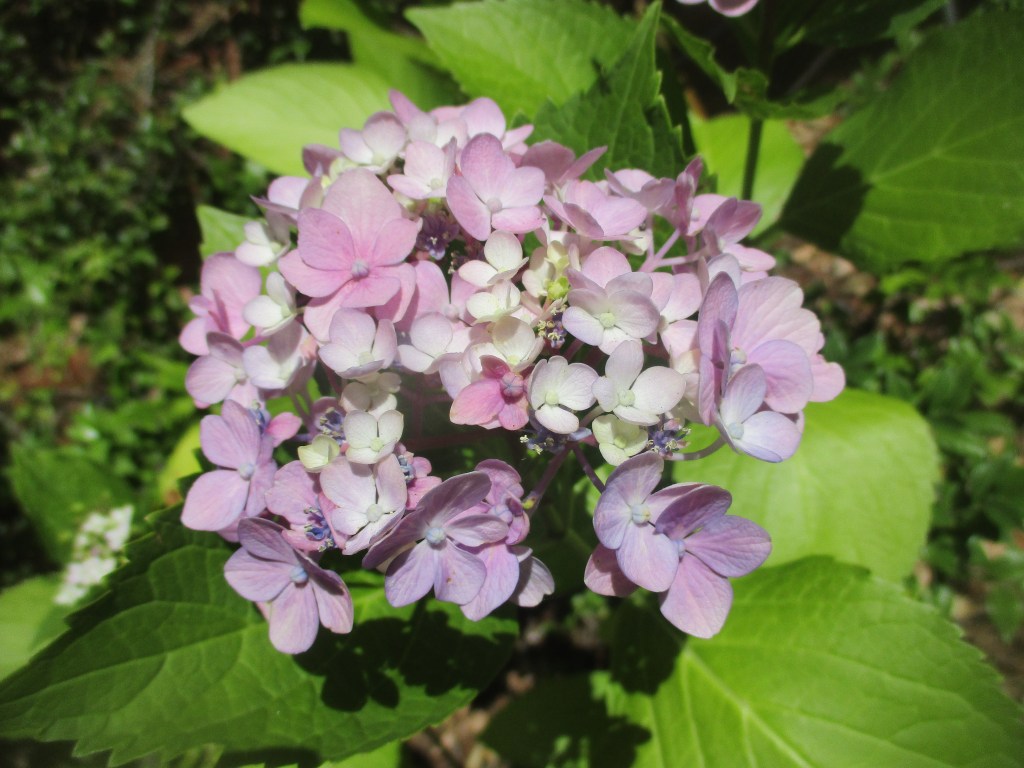
6. Hydrangea macrophylla – hydrangea got relocated to here from another landscape specifically because it was white. Now it is doing this. I do not know what color this is, but it is not white.

This is the link for Six on Saturday, for anyone else who would like to participate:
https://thepropagatorblog.wordpress.com/2017/09/18/six-on-saturday-a-participant-guide/

Six on Saturday: el Catedral de Santa Clara de Los Gatos

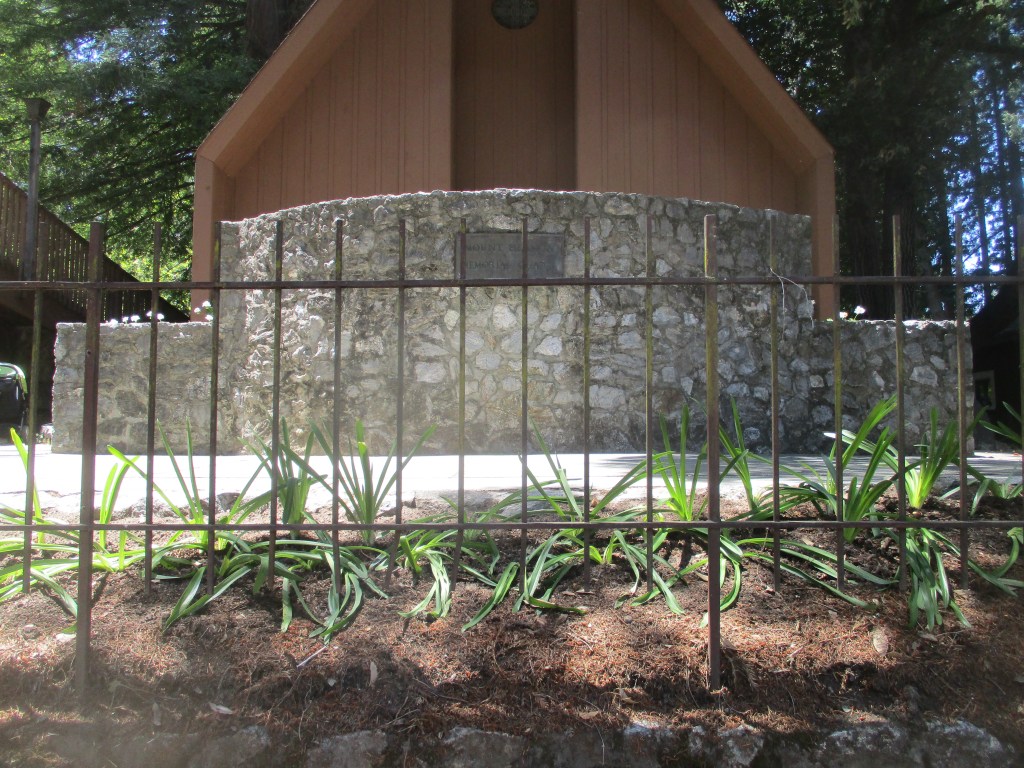
To everyone else, it is merely the Memorial Chapel. I prefer to think of it as el Catedral de Santa Clara de Los Gatos. It is a long story. Not only is it my favorite building that I work around, but it is outfitted with one of my favorite landscapes. Floral color is limited to white! My favorite color! There is not much to the landscape yet, but there will be later, particularly as the removal of adjacent trees improves sun exposure. Relocation of lily of the Nile is untimely, but necessary.

1. White lily of the Nile are a perfect fit here. They will function like a low hedge between the sidewalk and the roadway, without getting high enough to obscure the façade of the small Chapel.

2. Since the roadway is more than five feet below the sidewalk, the dense border of lily of the Nile will make the retaining wall seem less precipitous. The shading Douglas fir will get removed.

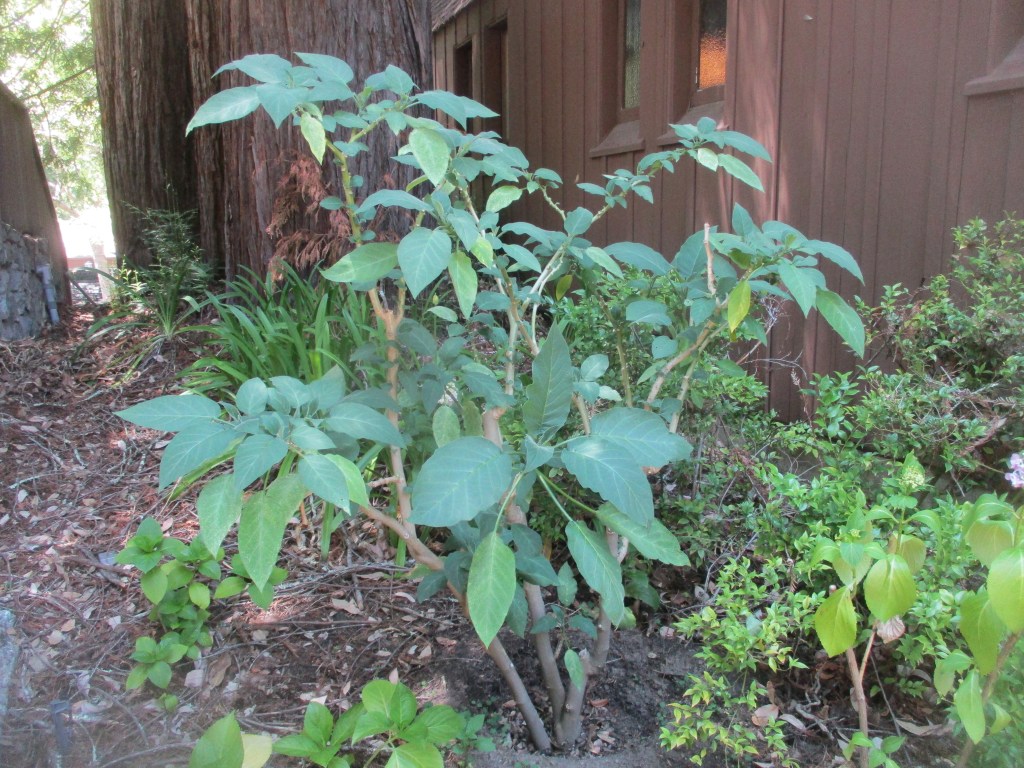
3. Double white angel’s trumpet was also a perfect fit when it was relocated here from the same garden that the lily of the Nile came from, but got majorly distressed by spider mite infestation.

4. It is recovering splendidly now, and is even developing floral buds again. Its future is uncertain though, since mites may continue to be a recurring problem. It lives next door to the Chapel.

5. Zonal geraniums presently provide the most white bloom here, although I can not take credit for them. Someone else put them here. I merely pruned them back when they were overgrown.

6. This is not what it looks like. This gentleman may seem to be expressing his opinion of the exclusivity of the white garden, or perhaps my predilection for white, but he is merely being silly.

This is the link for Six on Saturday, for anyone else who would like to participate:

https://thepropagatorblog.wordpress.com/2017/09/18/six-on-saturday-a-participant-guide/

Six on Saturday: Revenge of Halston Junior

The saga continues. This time, descendants of Halston have invaded a bed that was outfitted with a layer of gopher wire that was intended to prevent such invasion. This apparently ineffective gopher wire now provides a layer of defense for the invaders. Attempts to cut through the wire in order to set traps causes tunnels to collapse, so that there are no intact tunnels in which to set the traps. These pictures are several days old. Not many nasturtiums remain. Some of the adjacent scarlet sage are missing also.

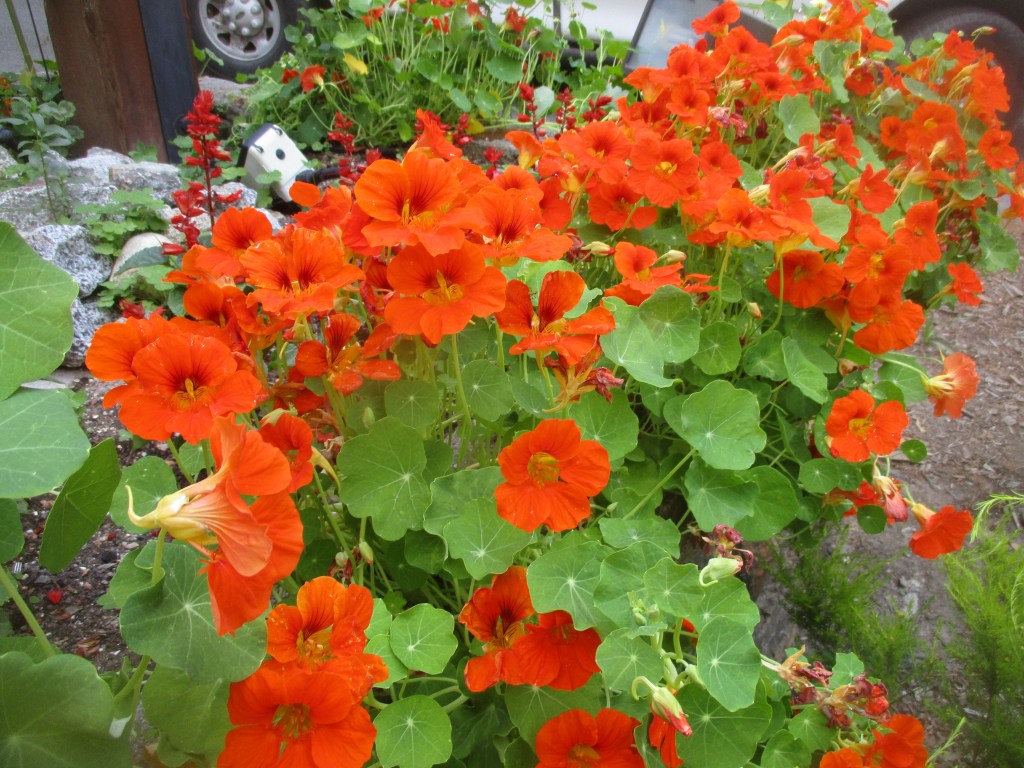
1. Nasturtiums grow like weeds. Perhaps they are. Nonetheless, they are among my favorites. These were supposed to be a mix of colors, but are mostly this vivid orange. I could not complain.

2. Is this very pale yellow or creamy white? Of the many nasturtiums that grew here from seed of mixed colors, this was one of only a few that were not the richly reddish orange shown above.

3. Bright yellow was about as scarce, with only two plants of this color. Another bloomed with rich red flowers; but I neglected to get a picture of it. I never met a nasturtium that I did not like.

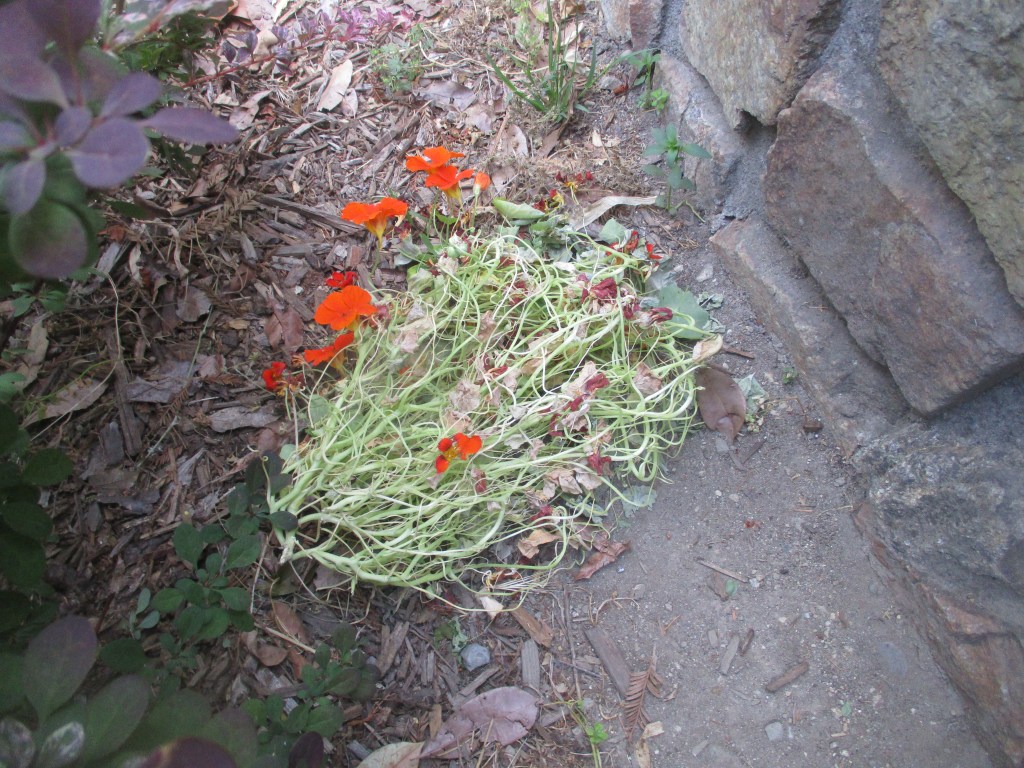
4. This was a problem. The entire top of the stone wall had been occupied by healthy nasturtiums earlier. The small plant with yellow flowers to the right of this gap was just beginning to wilt.

5. This was below the gap. The main stem, which is now to the lower left, was chewed through. There was no attempt to hide the evidence, although other plants had been pulled underground.

6. Just in case there was any doubt about who the culprit was, this new volcano appeared nearby. Unfortunately, the gopher wire that was installed below this bed now impedes with trapping.

This is the link for Six on Saturday, for anyone else who would like to participate:

https://thepropagatorblog.wordpress.com/2017/09/18/six-on-saturday-a-participant-guide/

Six on Saturday: Oops!


These Six for this Saturday are a minor collection of embarrassing but otherwise useless images that are perhaps too amusing to merely delete. Some had been accumulating for quite a while. The first may not seem like the worst, but is associated with a more embarrassing picture from another ‘Six on Saturday’ of last April. That entire procedure was just too dysfunctional to write about. The fifth picture was actually planned, and should actually work, regardless of how silly it looks here now.

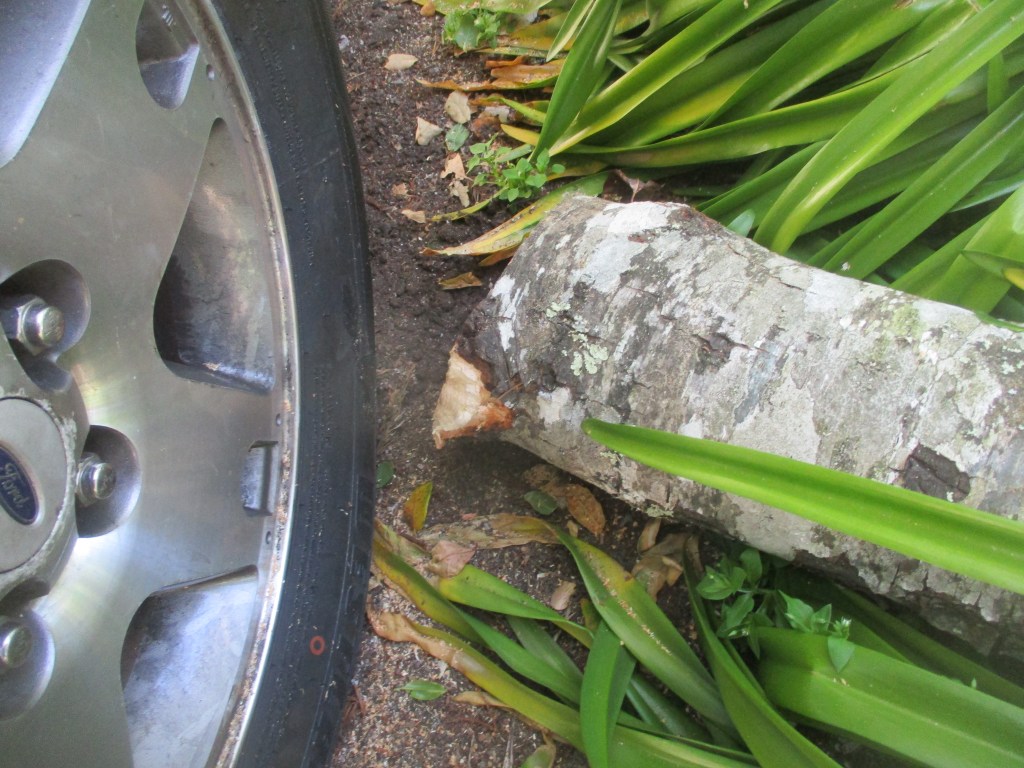
1. Black cherry is so rare here that I met only one in my entire career; and sadly, it needed to be removed. What I did not show at the time was how close this bit got to an adjacent parked car.

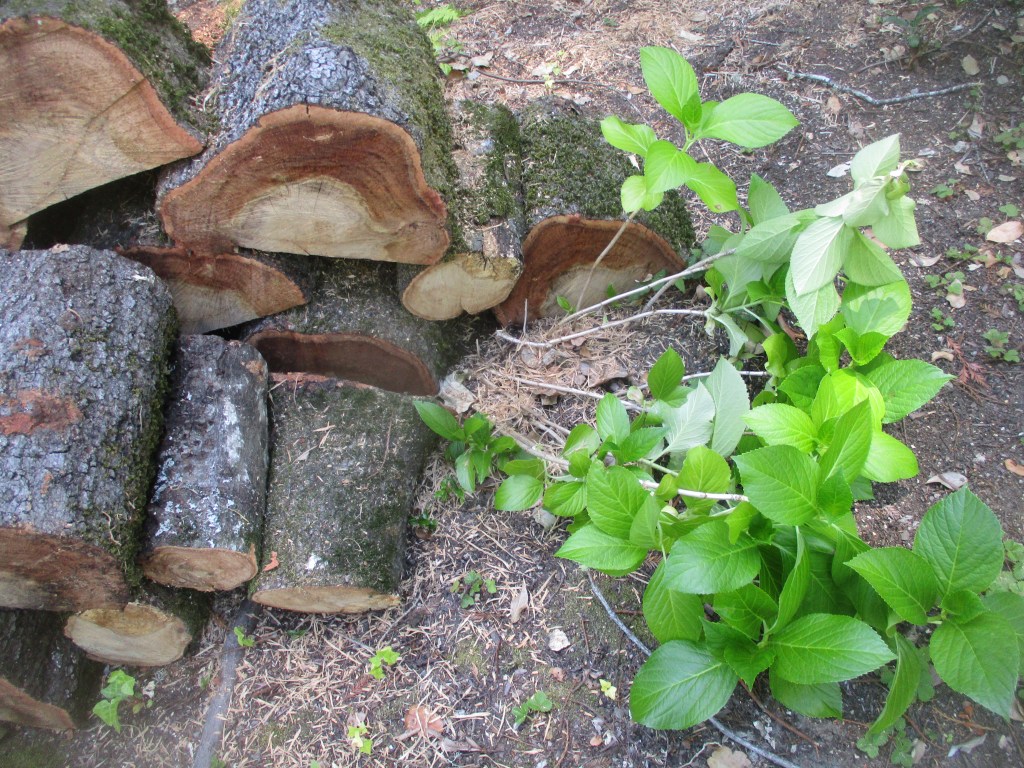
2. Arborists who cut down bigger trees for us are remarkably proficient. However, after removing this canyon live oak without any damage, they piled the firewood onto one of my hydrangeas.

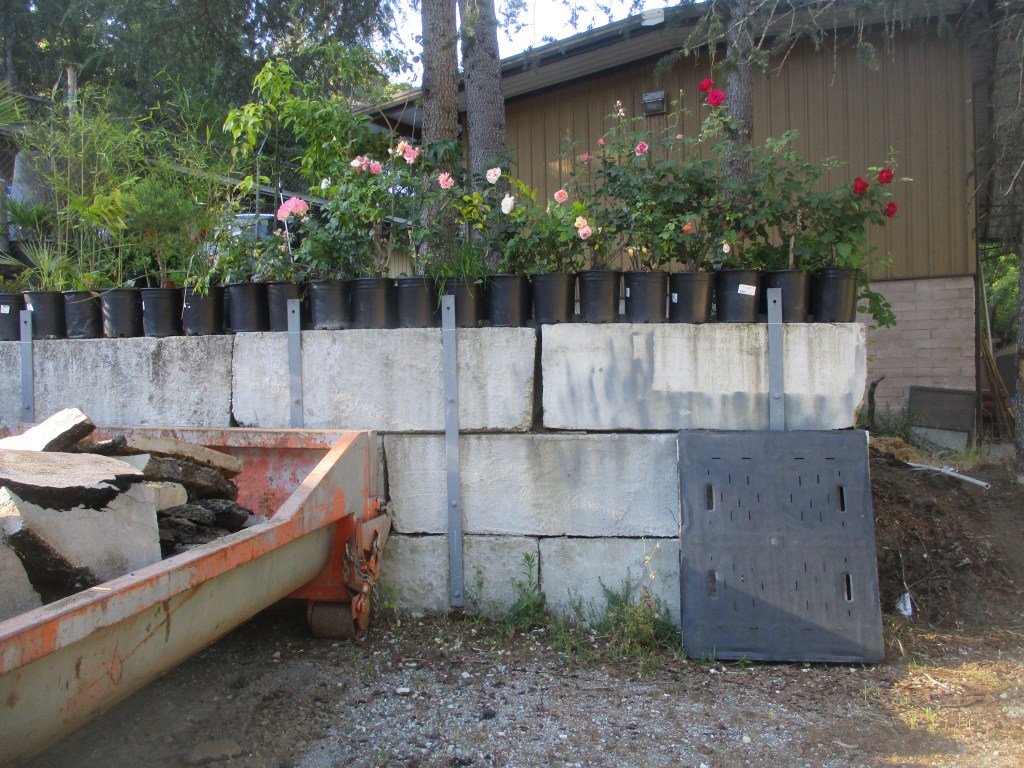
3. It made sense at the time. There are two rows of canned plants on top of this retaining wall. Roses are in the sunnier outer row. Now, they need to be deadheaded; but I can not reach them.

4. Land is famously expensive here. Nonetheless, we get it delivered for free whenever we want it. The quality is good, and on rare occasion, it comes with surprises such as callas or narcissus.

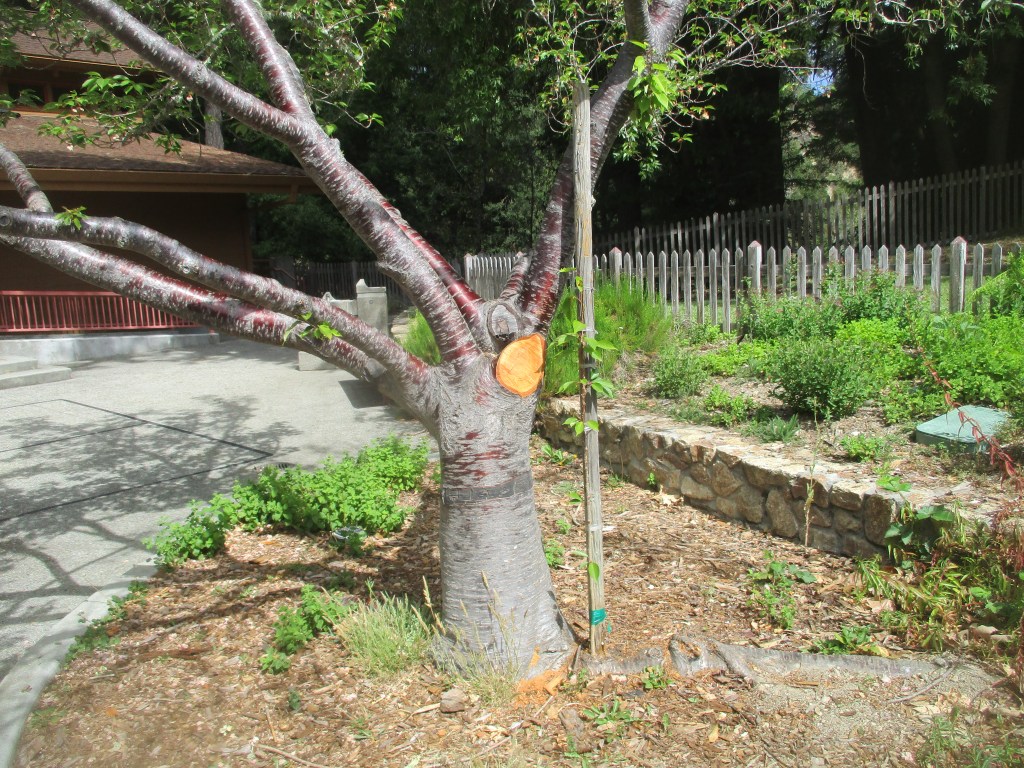
5. This ungrafted flowering cherry tree would not stop suckering. Now that it is succumbing to scald, one of its own suckers is groomed and staked to replace it. This stake is nailed to the tree.

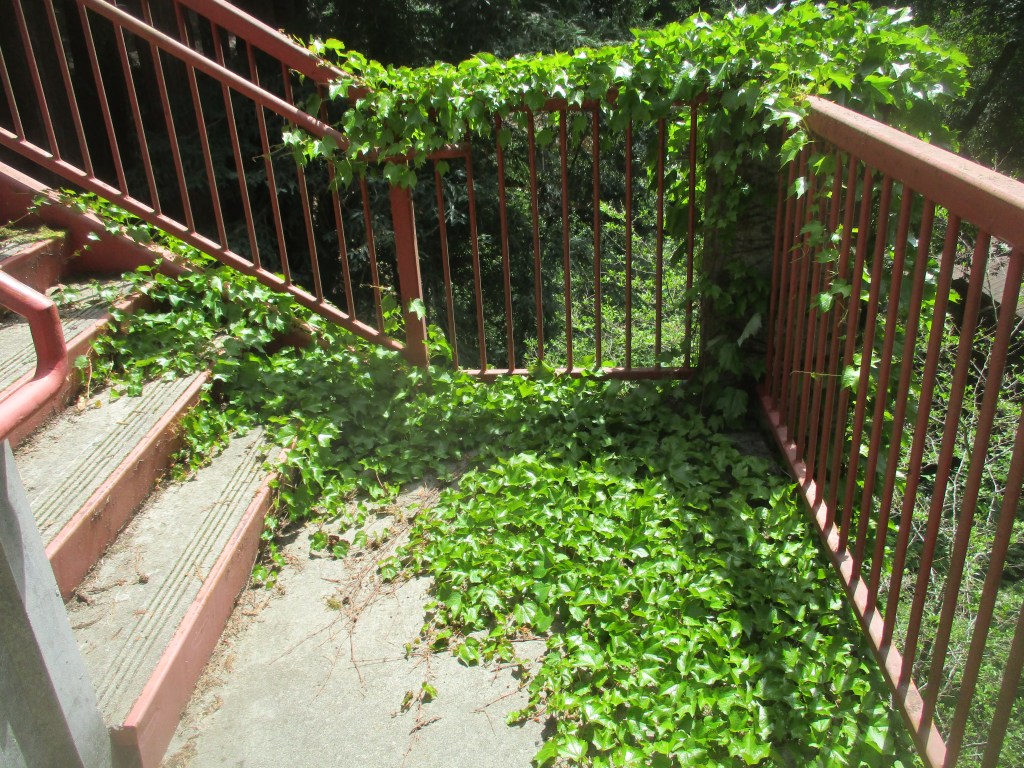
6. While unused during the past year, the buildings at work were neglected more than the landscapes were. No one was here to tell us what this Boston ivy was doing on this exterior stairwell.

This is the link for Six on Saturday, for anyone else who would like to participate:

https://thepropagatorblog.wordpress.com/2017/09/18/six-on-saturday-a-participant-guide/