 No, this is not a Paris daisy. It is a common euryops daisy, Euryops pectinatus. It is obviously related, but the flowers are bright yellow rather than clear white with yellow centers, and the foliage is darker green. It is more resilient, so became more common in landscapes as quickly as mow, blow and go ‘gardeners’ replaced real gardeners who actually know something of horticulture. There is certainly nothing wrong with it. It is just cliché.
The few remaining Paris daisies are fancier cultivars of the old fashioned traditional sort anyway. Some bloom pale pink. Some bloom pale yellow. Flowers might have fluffy centers of the same color. Foliage might be pale grayish green. Plants are more compact. The cultivar that most closely resembles the old Paris daisy has more profuse, but smaller flowers. The cultivars are all quite nice, but are not quite the same as what we remember.
The original Paris daisy, Chrysanthemum frutescens, which is now known as Argyranthemum frutescens, was the sort of flower you wore in your hair if you were going to San Francisco in the late 1960s, or according to my memory, in the very early 1970s. It looked just like the three plastic daisies in the upper right (or lower left) corner of those cool AstroTurf door mats that were so popular. Perhaps they were cliché for their time too.
Cuttings rooted in half pint mason jars on kitchen windowsills to replace older plants. Our mothers grew them in the garden, supposedly to repel the bad insects, and attract the good insects to eat the bad ones who did not take the hint. In that regard, Paris daisies were how young horticulturists learned about vegetative propagation and ‘integrated pest management’ (IPM). They were so familiar back then; but then disappeared by the 1990s.
Only recently, Brent, my colleague in the Los Angeles region who I so frequently mention (typically in a disparaging manner) found just two specimens at a nursery in Southern California, and promptly procured both. One if for his garden, and one is for mine!



 Pluots, plumcots, apriums and peacharines! Who comes up with this stuff?! Aren’t good old fashioned plums, apricots, peaches and nectarines good enough? Who decides that these weird hybrids are somehow better than their parents? Some of them are actually quite weird, or downright ugly. Several do not even look like they would taste good. It may be an acquired taste; but I have all the good taste that I need without acquiring any more.
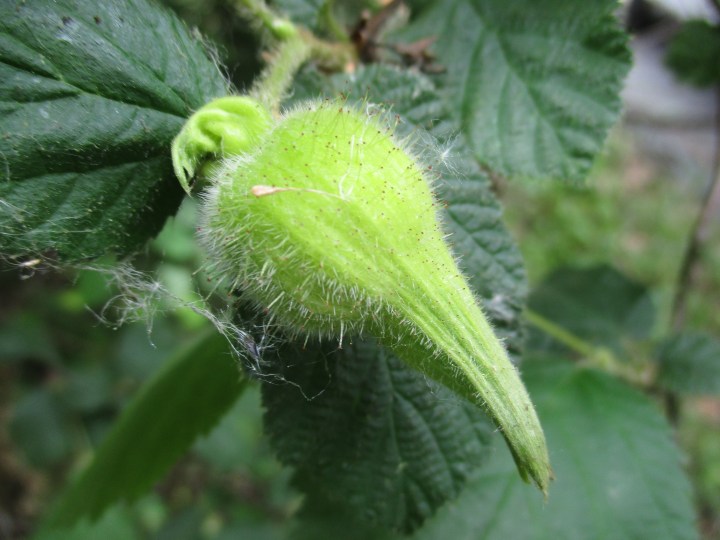 Not just any nuts, but precisely the sort that I recently discussed with a colleague, as I explained how they do not grow here. The nuts that is. The big thicket forming shrubs that are supposed to produce them not only grow here, but are a relatively common native. I just rarely see even a single nut on them. I sort of wondered how they mange to procreate with such rare seeds that invariably get taken by unconcerned rodents or birds.
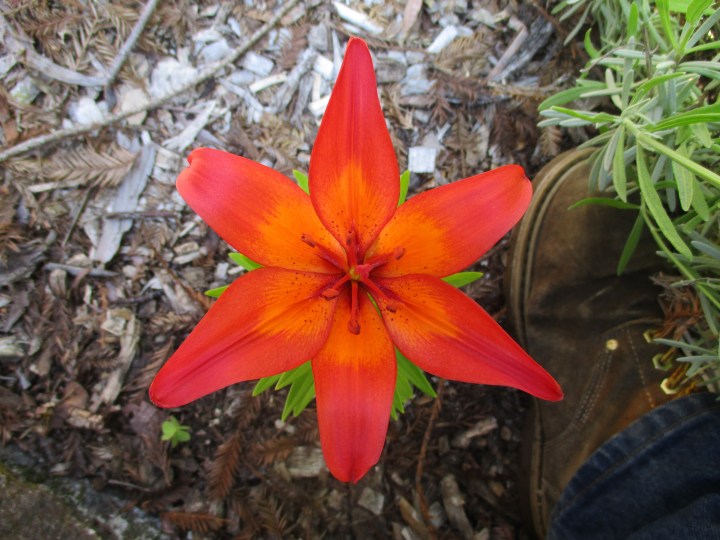 What a delightful surprise! It happens sometimes here in the rose garden. It may not look like much, as a short stemmed single lily floret that is mostly overwhelmed by the English lavender that I held back with my boot for this picture. It should be three feet tall or so, with several florets. The surprise is that no one planted it. Well, at least no one planted it recently. This rose garden has more history than is obvious from what blooms here now.



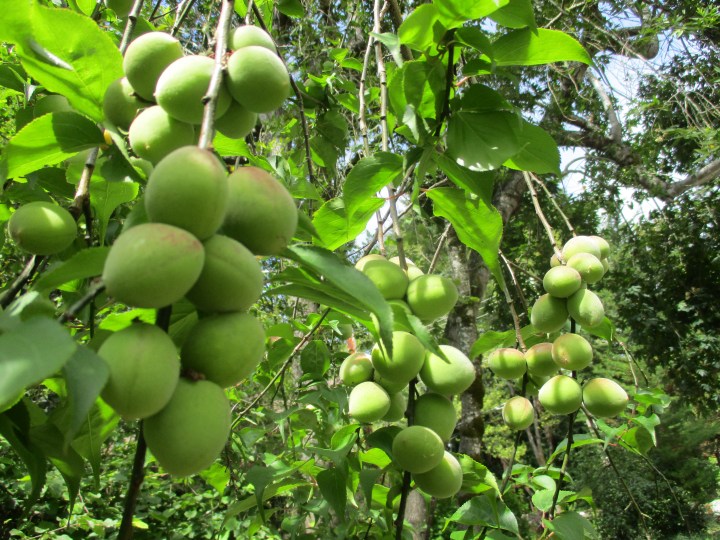 They do not come with instructions for their maintenance. Deciduous fruit trees, particularly the stone fruit trees (such as cherry, plum, prune, apricot nectarine and peach) and pomme fruit trees (such as apple and pear), can be procured as easily as nasturtium seed or petunias. Whether bare-root in winter or canned (potted), they very often get planted into gardens where they are expected to produce their fruit as easily as daisies bloom.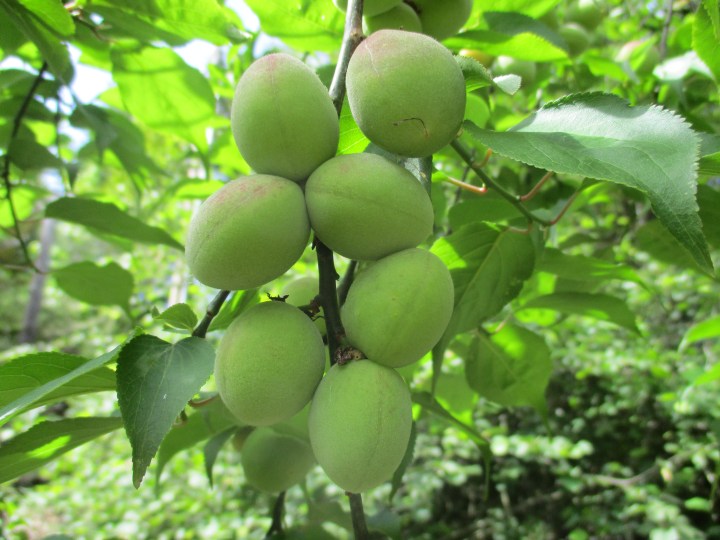
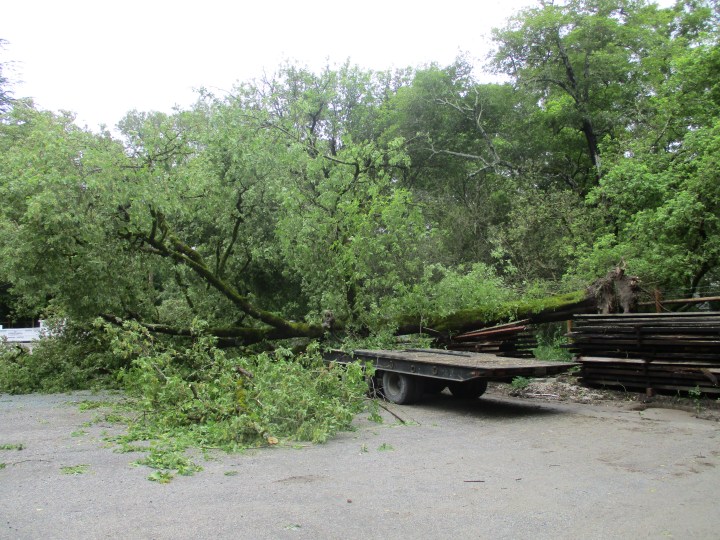 This is a formerly unplanned sequel to the article ‘

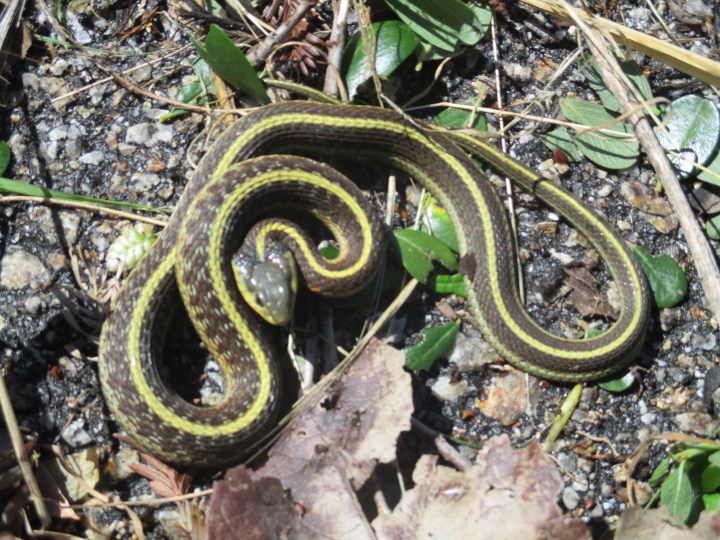 This little critter surprised me at work last week. Even though I knew it to be harmless, my instinctual response was to get away from it fast. I have encountered enough rattlesnakes to know better than to take the time to identify a snake before getting some distance from it. Even after identifying a snake as a harmless garter snake, I still prefer to avoid it as it leaves. This one was in no hurry, so got picked up with a rake and set safely aside.


 Tony Tomeo