Curb Mongrel

Perhaps I should not complain. My pawpaw, American persimmon, elderberry and salmonberry were grown from seed because I prefer what grows wild within their respective native ranges.

tonytomeo's avatarTony Tomeo

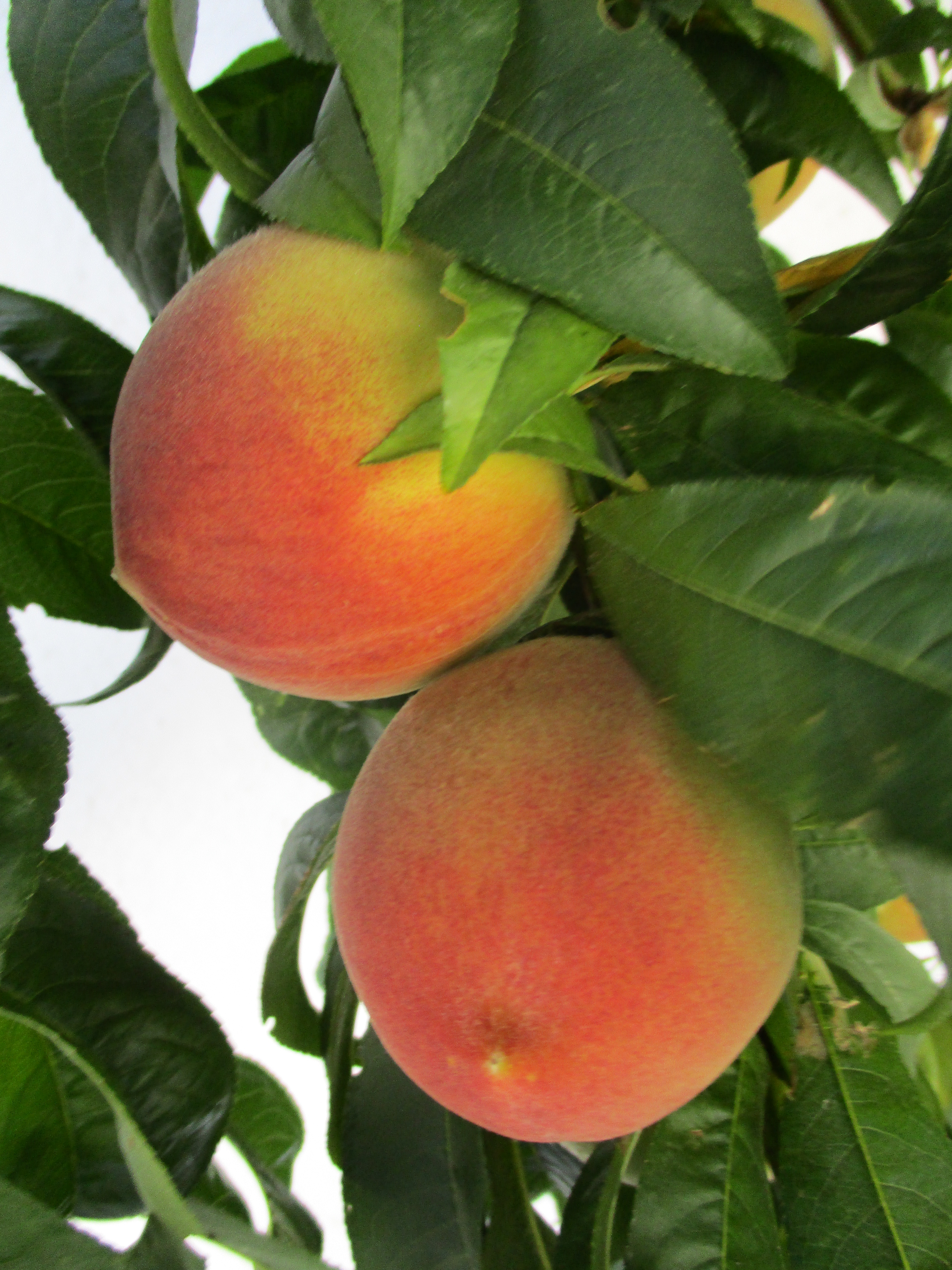
P91208Fruit trees, with few exceptions, have been extensively bred to produce the quality of fruit that we expect from them. Some are consequently genetically unstable, or at least less genetically stable than their wild ancestors were. Even if they never mutate or try to revert to a more stable state, they are very unlikely to produce seed that can develop into genetically similar trees.

In other words, they are not ‘true-to-type’. Their seed might grow into trees that produce fruit that resembles that of one of their ancestors, or of a pollinating parent tree. It is impossible to predict what fruit will be like until it actually develops.

That may take a while. Some seed grown fruit trees start out with juvenile growth, and take a few years to mature enough to bloom and produce fruit. Some types of avocado trees grow tall and lanky for a few years before…

View original post 365 more words
Reassignment

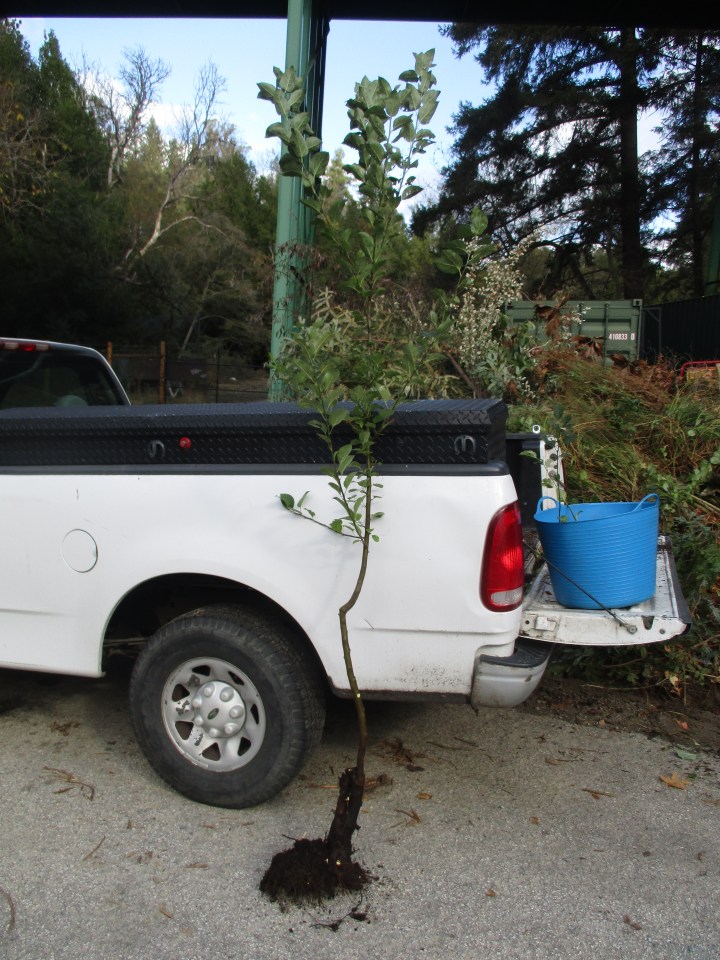
Three years after this article posted, the surplus is getting to be embarrassing. Reassignable material that does not get reassigned immediately gets canned at the yard, and is now occupying a bit of space, and needs to be irrigated through most of the year.

tonytomeo's avatarTony Tomeo

P91207K

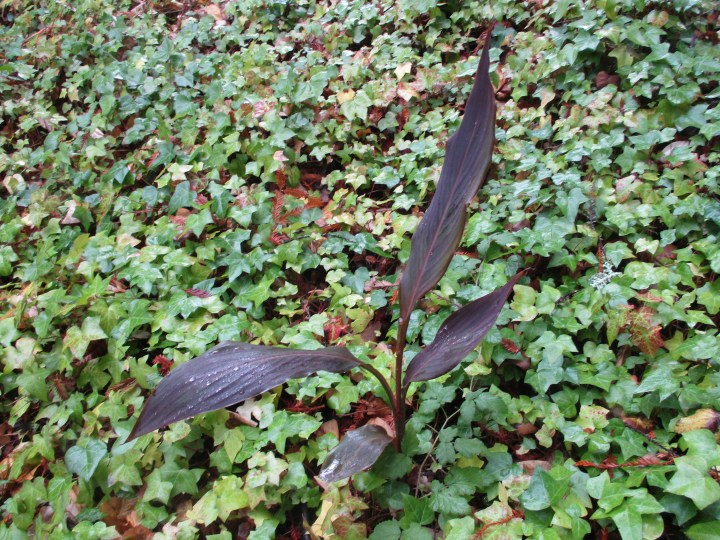
There is quite a bit of open space in some parts of the landscapes. It is not as if the landscapes are lacking much. There just happens to be a few spots where a bit more could be added. This expanse of healthy English ivy was already appealing, but lacked interest.

There is also quite a bit of spare plants out and about in the landscapes. It is not as if there is anything wrong with spare plants. There just happens to be too many of them. These cannas got overgrown and crowded within their original colony in another landscape, so needed to be divided and thinned out.

We are not a so-called ‘landscape’ company, which profits from the removal of some plants, and the installation of others. There is no incentive to dispose of as much vegetation as we could bill a client for. Nor is there any incentive…

View original post 150 more words

Six on Saturday: Bad Timing

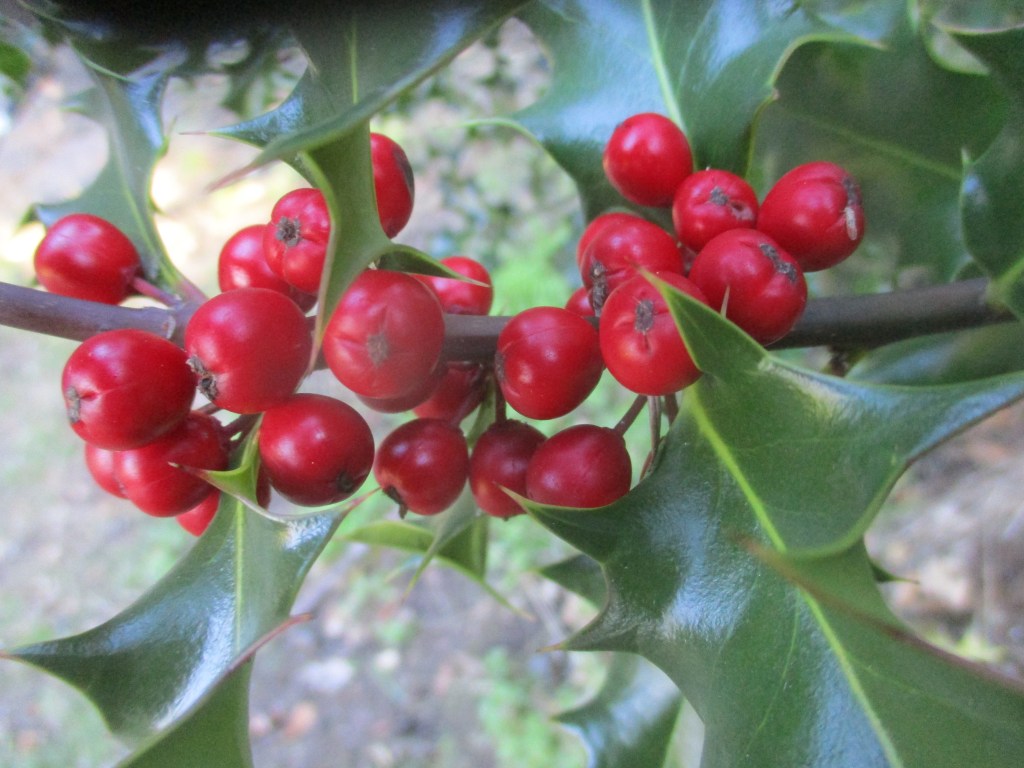
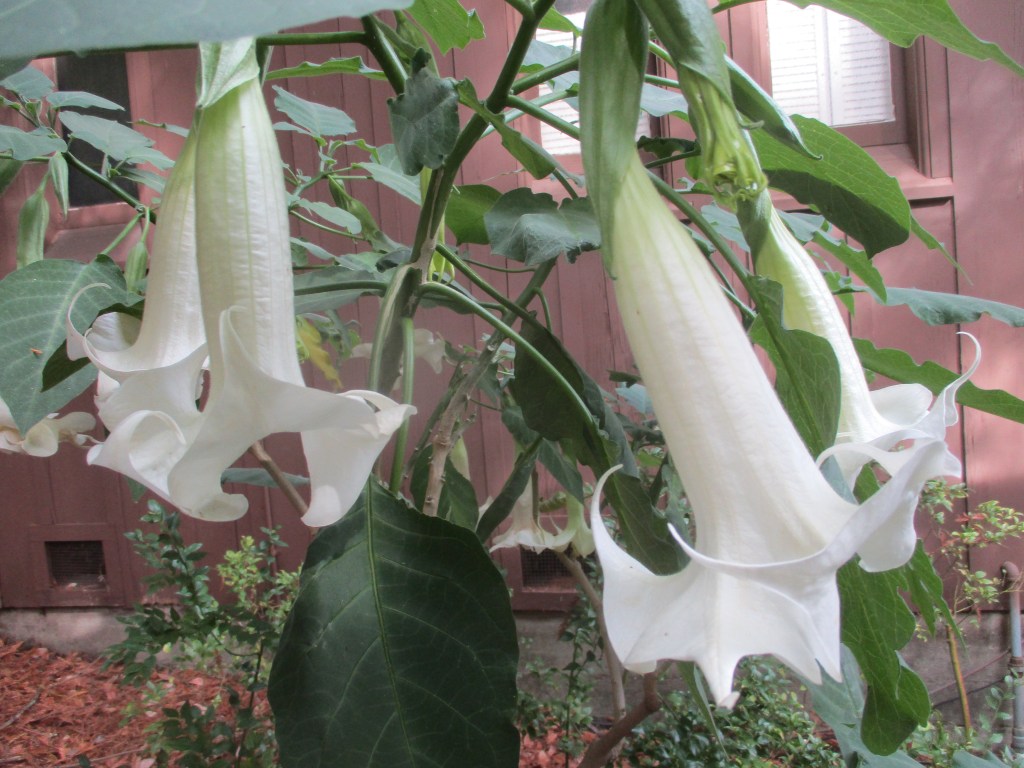
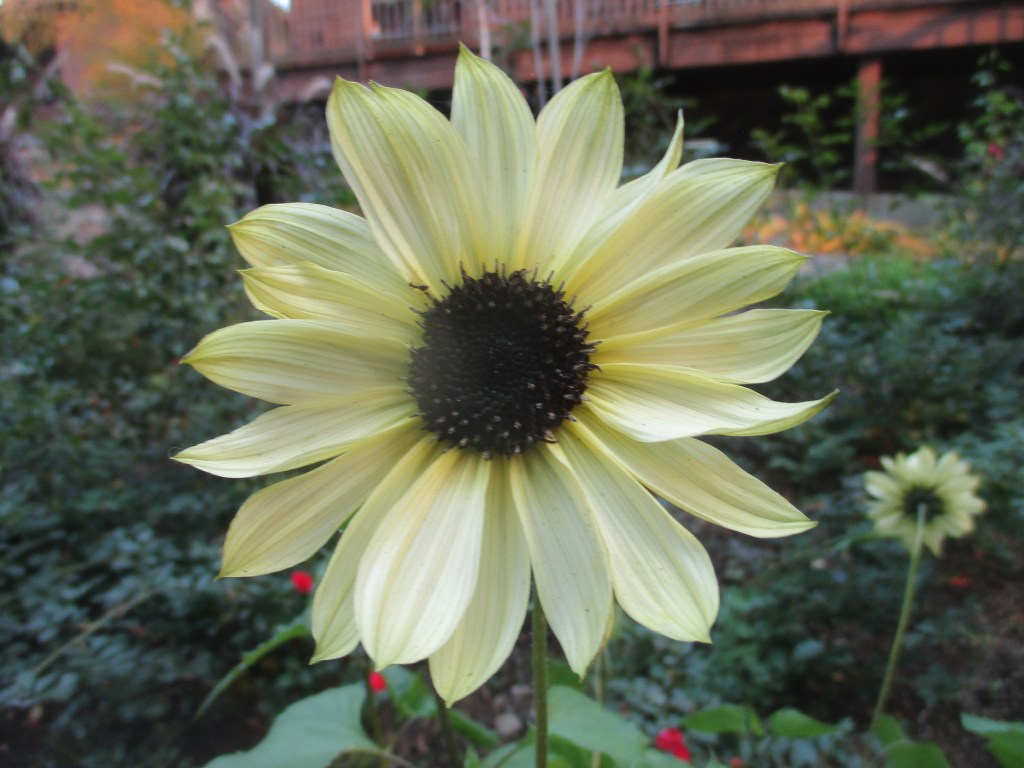
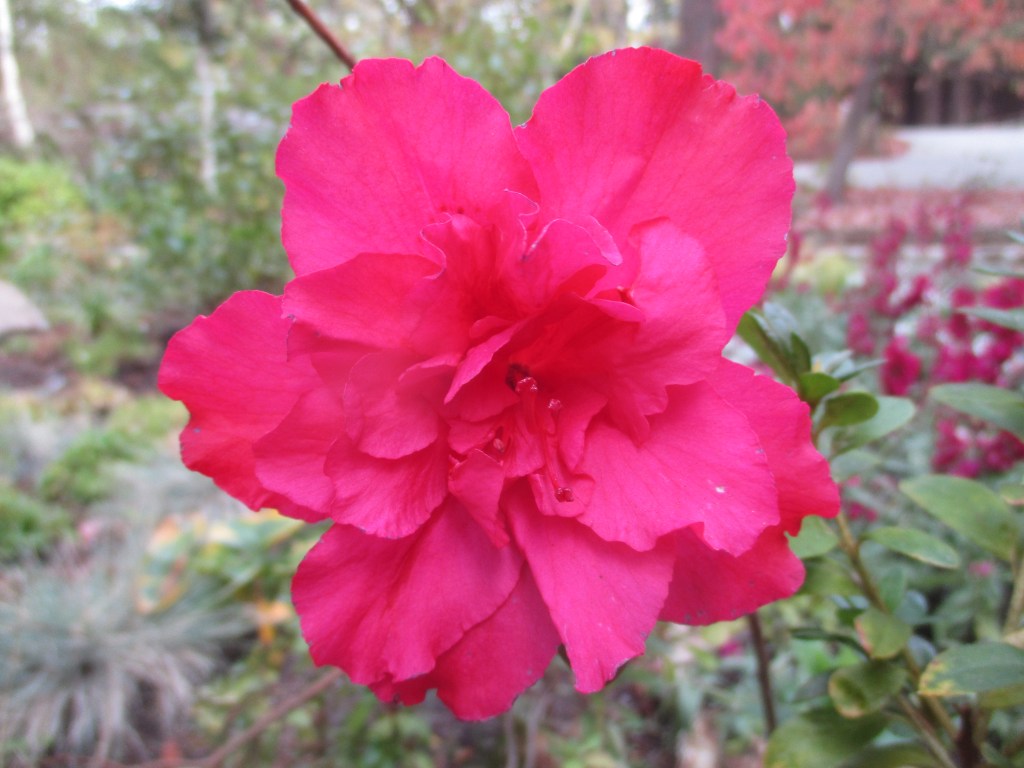
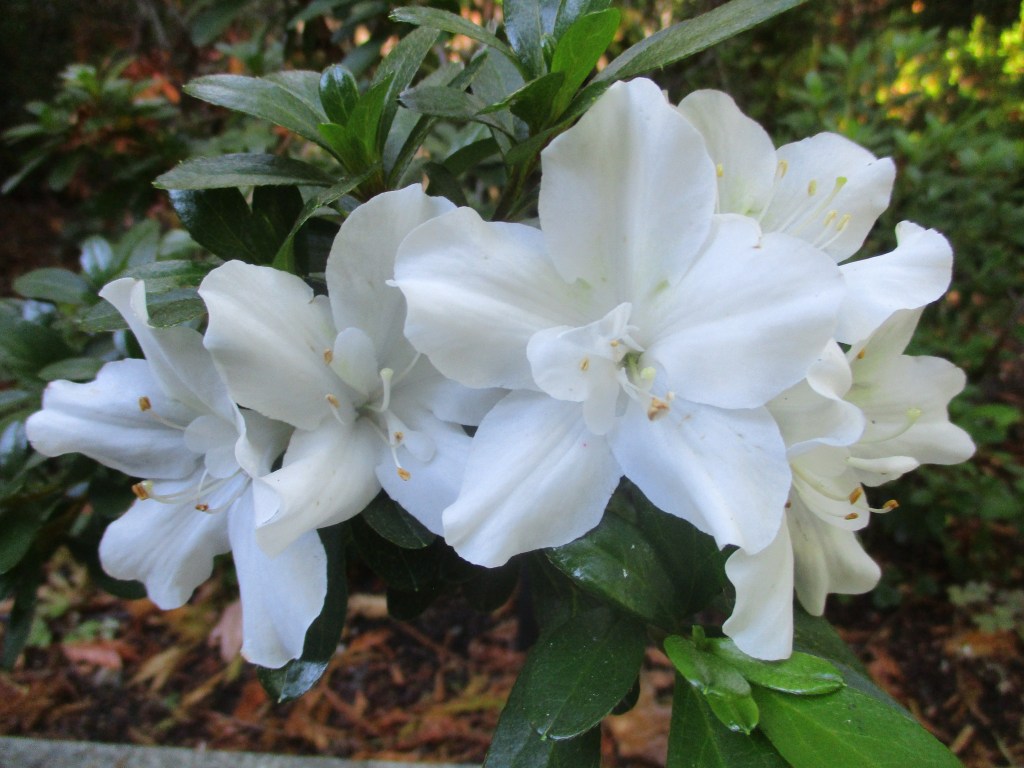
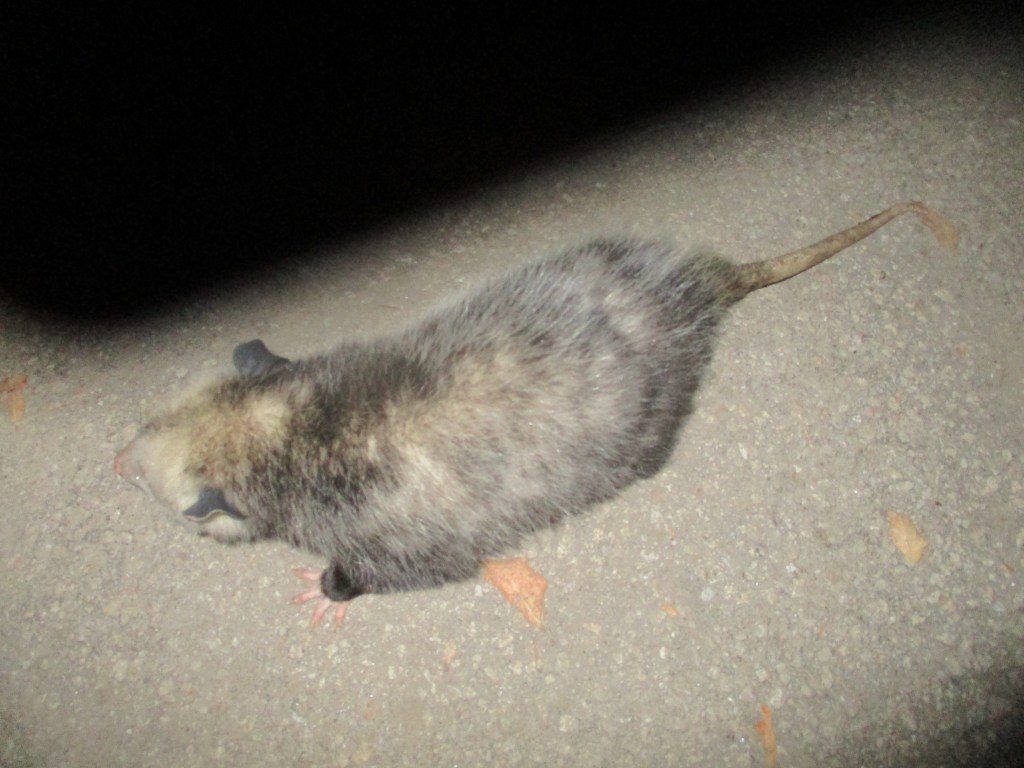
The preponderance of white amongst these ‘Six on Saturday’ is merely coincidental, and might not be obvious anyway. Only #2 and #4 are actually white. Contrary to its cultivar name, #3 is really very pale yellow. As stylish as he might be, #6 is quite obviously gray. #1 bloomed with tiny white flowers earlier, but its berries are now as red as #5. Anyway, with the exception of #1, their timing is less than ideal. #2 and #3 are performing better than they have all year, but will not last for long now that the weather is cooling. #4 and #5, although slightly confused, should still bloom splendidly in season. #6 was not there in the morning.

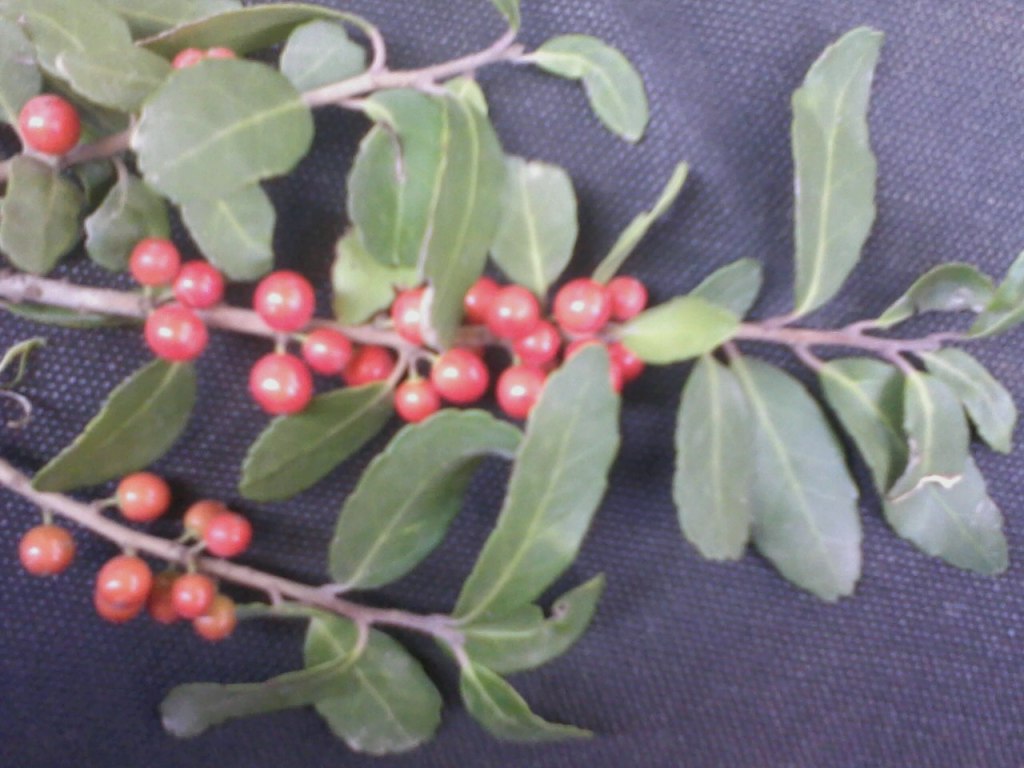
1. Ilex aquifolium, English holly is doing nothing that it should not be doing at this time of year, but is rarely so prolific with its berries here. It might be more invasive if it were.

2. Brugmansia X candida ‘Double White’, double white Angel’s trumpet is likewise a bit more enthusiastic than it typically is, but at the wrong time, as autumn becomes winter.

3. Helianthus debilis ‘Italian White’, Italian white sunflower is blooming like the angel’s trumpet, at the wrong time. It grew slowly through summer to begin blooming this late.

4. Rhododendron, azalea of an unidentified cultivar is either very late or very early. This unseasonal bloom deducts from the bloom for the following season, but is rather minor.

5. Rhododendron, azalea of another unidentified cultivar bloomed even earlier, or not so late, as this is an older picture. The minor consequences are the same. This white is rad!

6. Kenny II waddled out to meet me as I went out to close the gates for the night, but did not seem to do so intentionally. He stopped waddling when he encountered me, so I left.

This is the link for Six on Saturday, for anyone else who would like to participate: https://thepropagatorblog.wordpress.com/2017/09/18/six-on-saturday-a-participant-guide/

Yaupon

The unflattering Latin name does not suit the yaupon, which can make a tailored formal hedge of dense foliage, or a neat informal (unshorn) screen that may occasionally produce a few colorful winter berries.

Hollies are innately uncommon in California. Yaupon (holly), Ilex vomitoria, happens to be one of the least common. Ironically, because of its small leaves and dense growth, it is more tolerant to frequent shearing by maintenance gardeners who ruin other hollies. It can actually make a nice shorn hedge.

Hedged yaupon can eventually get up to the eaves of a single story. Unshorn plants can reach the eaves of a second story, and might display showy red berries about an eighth of an inch wide. The small and often randomly serrate leaves are only about half to an inch long, and maybe half an inch wide.

Grafting fact and fiction

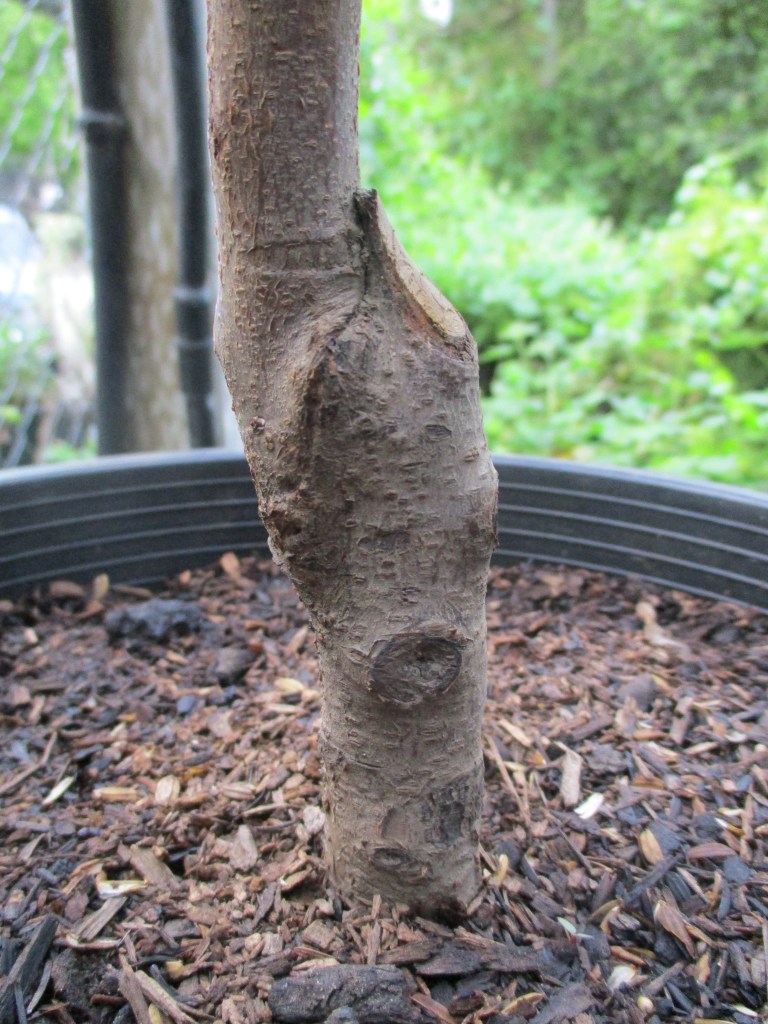
The scion is above this graft union. The rootstock is below.

There are not many Californians of my generation who do not remember growing avocado trees from seeds when we were kids. We simply impaled the big seeds around the middle with three evenly spaced toothpicks to suspend them from the rims of Dixie cups partly full of water. If just the bottoms of these seeds remained properly submerged, they grew roots and a stem with a few leaves, all they needed to grow into trees that were producing too many avocados by the time we got to high school.

Yet, I and others of my generation have always heard that avocado trees need to be grafted to produce fruit. (Grafting is the union of two or more compatible but different plants. The ‘scion’ is the upper portion that forms a trunk, branches and foliage. The ‘rootstock’ is the lower portion that provides roots.) Well, this is obviously not true, but does make us wonder about the advantages of grafted trees.

They myth of seed grown trees being unproductive probably originates from the tendency for seed grown avocado trees to be unproductive for the first few years during the juvenile stage. Scions of grafted trees are taken from adult growth that is ready to bloom and fruit immediately; although even grafted trees need a few years to grow large enough to produce more than just a few avocados.

Many plants are juvenile while young, in order to better compete in the wild. While juvenile, avocado tree seedlings grow vigorously enough to compete with other trees. Adult habits of blooming and fruiting would only slow them down. Besides being fruitless for many years, citrus seedlings are very thorny through their juvenile phase, to avoid getting eaten by grazing animals. Scions of grafted citrus trees are from relatively thornless adult growth that is immediately ready to produce fruit.

The primary advantage of grafting fruit trees though, is keeping the many different cultivars (cultivated varieties) ‘true to type’, since many seed grown plants exhibit at least some degree of genetic variation from their parents. For example, avocados from seed grown (ungrafted) trees tend to be much larger, but often less flavorful than the fruit that the original seed came from. No one really knows what the fruit will be like until it actually develops. Some seed grown peaches are indistinguishable from their parents, but most are very different. However, most pecans and chestnuts are actually produced from ungrafted seed grown trees.

The secondary advantage of grafting fruit trees is the ability to graft onto dwarfing rootstock. Although few avocado trees are dwarf trees, almost all citrus trees for home gardens are grafted onto dwarfing rootstock that keeps them more compact and proportionate to home gardens. Most deciduous fruit trees are similarly grafted onto semi-dwarf rootstock.

Horridculture – Half-Breed

Nowadays, these weird hybrids are more commonly available than some of the more reliable traditional cultivars.

tonytomeo's avatarTony Tomeo

70726thumbCher explained a long time ago that a half-breed is nothing to brag about. Some of us just don’t get it. A few clients still introduce me to their weirdly bred stone fruit trees as if they are both justification for great pride, as well as something that a professional horticulturist of the Santa Clara Valley has not already encountered a few thousand times. I at least try to act impressed.
The stone fruits that grew in the orchards of the Santa Clara Valley half a century ago were the best. That is why they were grown here. The climate and soil were ideal for their production. Traditional cultivars produced so abundantly and reliably that there was no need to breed new cultivars. The quality was exemplary. Consequently, only a few were actually developed here.

Half-breeds, or weird breeds of any unnatural ratio, started to be developed more than a…

View original post 305 more words

Arborvitae

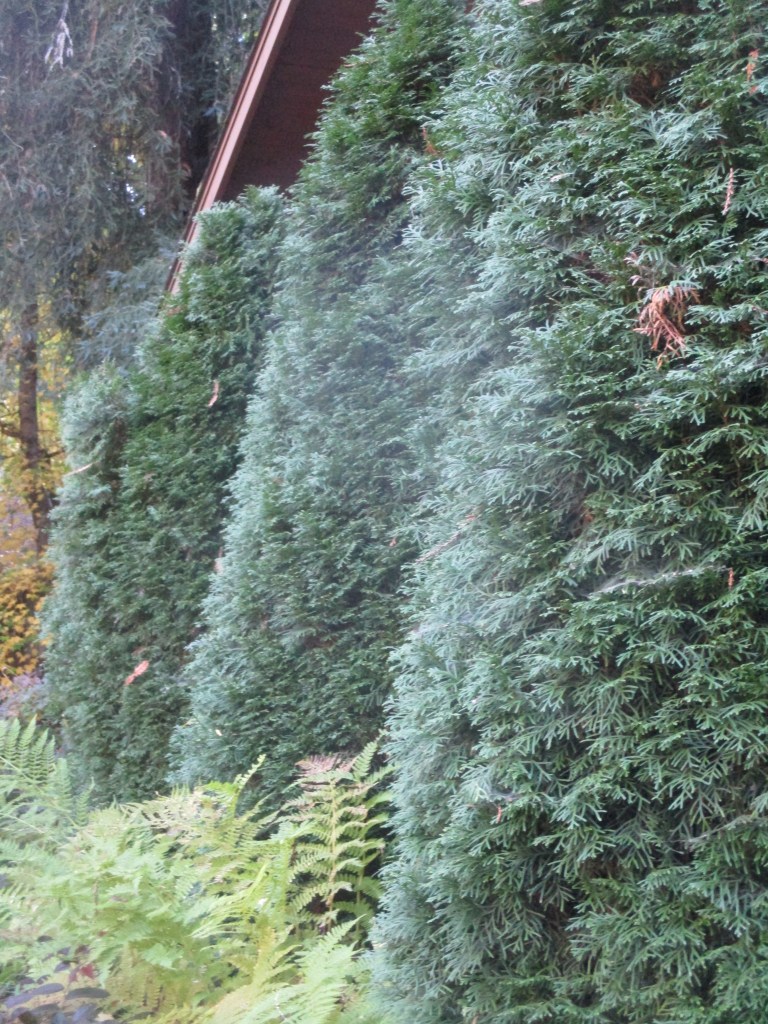
Arborvitae is mostly tall evergreen shrubbery.

During the Colonial Period of America, American arborvitae, Thuja occidentalis, was one of the first native species to become popular for home gardening. It is native as far south as the Great Smoky Mountains, and as far east as Minnesota. Wild trees can be fifty feet tall, with trunks as wide as three feet. They might grow larger to compete with other trees.

Of course, the oldest cultivated varieties, as well as relatively modern cultivars, are much more compact. Many modern cultivars are hybrids. Some are different species. They are densely evergreen shrubbery that work well as hedging. Their distinctly ruddy or grayish brown bark is barely visible. Their bloom is unimpressive. Foliage is their primary asset.

It is quite an asset. Although arborvitae is conducive to shearing, its billowy foliar texture is too appealing to compromise by frequent shearing. Scale leaves are barely more than an eighth of an inch long, like those of junipers, but are more pliable on soft and flattened foliar sprays. Such sprays are delightful coniferous evergreens for wreaths and garlands.

Live Christmas Trees Eventually Mature

Most conifers are not so compact.

Christmas trees grow on farms. They are an agricultural commodity. Their unnatural and intensive cultivation is no asset to any associated natural ecosystem. Their harvest does not deprive ecosystems of natural components. Live Christmas trees are at least equally as unnatural. Their cultivation involves more synthetic materials and unnatural irrigation.

There should be no shame associated with the procurement of cut Christmas trees. They are merely cut foliage that is significantly more substantial than that which accompanies cut flowers. Furthermore, live Christmas trees are not an ecologically responsible option. They are merely potted plants that can be difficult to accommodate within home gardens.

That certainly should not invalidate the appeal and potential practicality of live Christmas trees. With proper maintenance, other potted plants, such as houseplants, can grow and perform for many years. Since live Christmas trees are coniferous species that get rather large, they demand more attention. All are not necessarily totally unmanageable though.

Some compact conifers, such as dwarf Alberta spruce and compact cultivars of Colorado blue spruce, can remain within pots for many years. They need either larger pots as they grow, or occasional root trimming if they stay within their same pots for a few years. Their roots outgrow pots as slowly as their canopies grow. They also require diligent watering.

Unfortunately, the most common of decorated live Christmas trees that are available from supermarkets are also the most problematic. Most are either Canary Island pine or Italian stone pine, which grow surprisingly large for such seemingly innocent small evergreens. They very often go into compact gardens, where their bulky roots displace infrastructure, such as pavement and turf grass.

Contrary to popular belief, planting live Christmas trees in the wild after Christmas is not a practical option. Because their roots were confined to pots, they rely on irrigation while they disperse roots into the ground. They can not survive without irrigation after the rainy season. Besides, trees that are not native could be detrimental to the native ecosystems.

Deciduous Evergreens

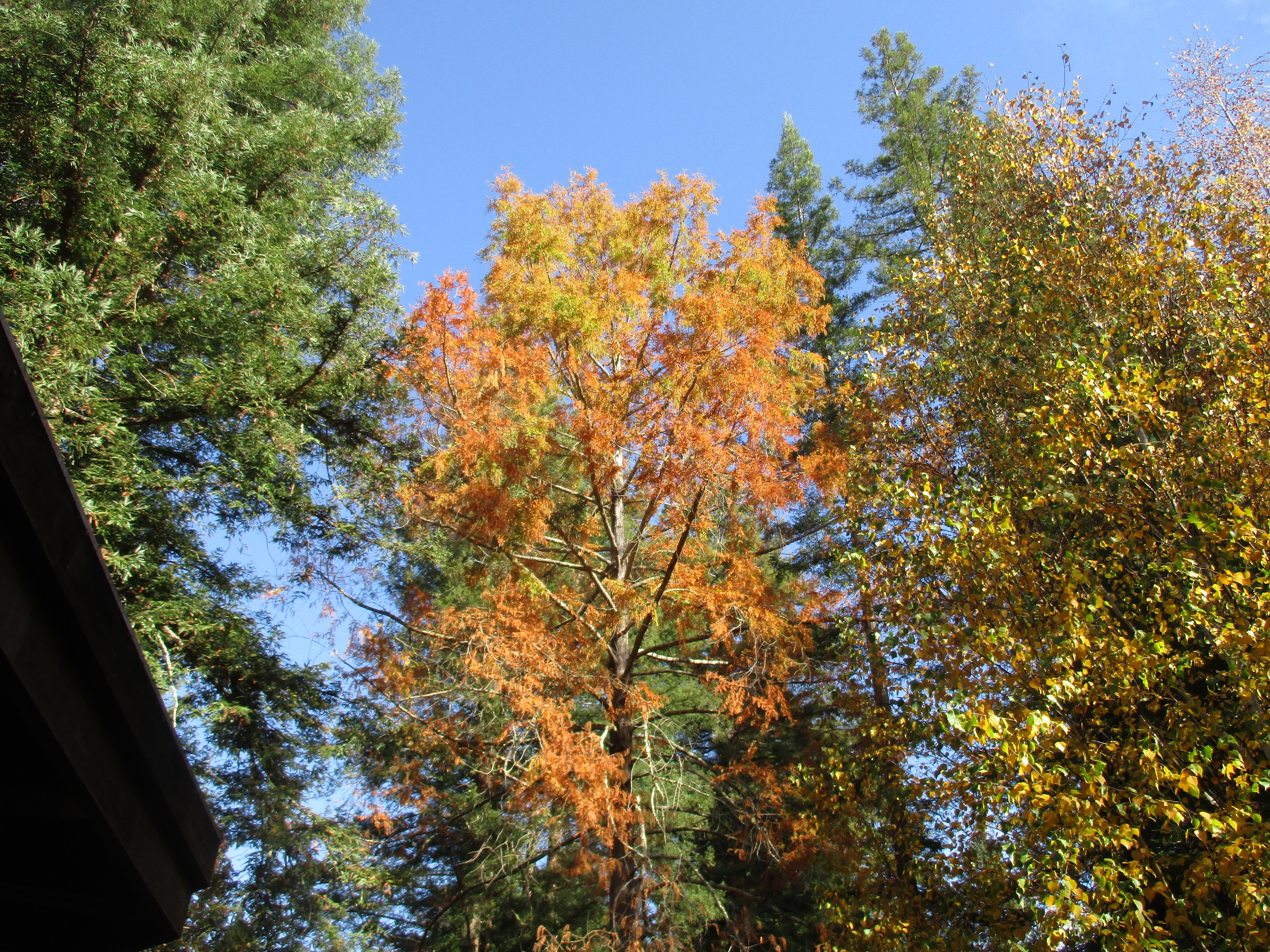
Sadly, the bald cypress of the last illustration here was removed to relinquish space for outdoor dining when social distancing limited use of indoor dining facilities.

tonytomeo's avatarTony Tomeo

P91201Well, that is certainly a contradiction of terms. One might say it is an oxymoron. Decades ago, it really was how we classified what we now know more simply as ‘deciduous conifers’. There are not many of them. Ginkgo is a gymnosperm like conifers are, but is not really a conifer. Otherwise, there are only five other types of deciduous conifers, which defoliate through winter.

Laryx is a genus of about a dozen species that are known collectively as larch. Taxodium includes two species known as bald cypress, as well as a third evergreen species. Pseudolaryx amabilis, known as golden larch, Glyptostrobus pensilis, known as Chinese swamp cypress, and Metasequoia glyptostroboides, known as dawn redwood, are all three monospecific genera.

Some species of larch are common within their respective natural ranges. So are the bald cypresses. The others are quite rare. However, dawn redwood became a fad…

View original post 153 more words

Rainy Season

Although the rainy season started nearly two months ago, it is still gratifying to remember the later beginning of the rainy season three years ago.

tonytomeo's avatarTony Tomeo

As I mentioned this morning, the first storm since spring delivered a bit more than an inch and a half of rain before dawn on Wednesday, ending the fire season. The second storm is here right now. It is expected to be followed by a continuous series of storms that will provide rain through Monday, showers through Thursday, more rain on Friday, and showers . . . forever!

It is now the rainy season.

The video above shows what rain does. It gets things wet. It is, after all, composed of water. It falls mysteriously from the sky, which, as you can plainly see, is occupied only by a mostly monochromatic gray cloud cover. Seriously! There is nothing else up there. There is no one on the roof with a hose or anything of the sort. All that water just falls from the cloud cover above.

I could not get…

View original post 276 more words