The simple pink or sometimes red or white flowers of angel wing begonia are not as flashy as those of other begonias, and are not abundant enough to provide much color. During warm weather, they are merely a minor bonus to the striking foliage. As the name implies, the big and angularly lobed leaves are shaped like wings of angels. Upper surfaces are glossy and dark green with irregular silvery spots. Undersides are even glossier and reddish bronze. With support, the lanky cane stems can get more than twelve feet tall. However, because older tall canes produce runty foliage, they are often pruned out to promote more vigorous and lushly foliated young canes.
Because they are sensitive to frost, and also because they are ideal houseplants, angel wing begonias are typically grown in containers. They like rather regular but not excessive watering, and rich potting soil. Abundant sunlight enhances foliar color; but harsh exposure roasts foliage. Partial shade is not a problem.
Hostas go dormant and defoliate for winter, and regenerate for spring.
Many plants are deciduous in autumn and winter, which means that they defoliate or die back, and then refoliate or regenerate in spring. Many others are evergreen, which simply means that they are always foliated through all seasons. What many people do not realize is that evergreen plants replace their foliage just like deciduous plants do. They just do not do it in such distinct phases of defoliation, dormancy and refoliation.
Tropical plants like cannas and some of the various begonias really have no need for formal defoliation, since they are from climates that lack winter. In the wild, they continually and systematically shed old stems as they produce new stems. Locally, they tend to shed more than they grow during late autumn and winter. The large types of begonias tend to keep their canes for so many years that it is not so obvious. Where winters are colder, cannas freeze to the ground, only to regenerate from their thick rhizomes as winter ends.
Zonal geraniums may seem rather tired this time of year for the opposite reason. They expect late autumn weather to include frost that would kill them back to the ground where they would stay relatively dormant until warmer weather after winter. Just because their foliage is instead evergreen through winter does not mean that it should be. It lingers and often becomes infested with mildew and rust (fungal diseases) that proliferate in humid autumn weather.
However, zonal geraniums need not be pruned back just yet. Even if they eventually get damaged by frost, pruning should be delayed so that the already damaged older foliage and stems can shelter the even more sensitive new growth as it emerges below. They can get cut back after frost would be likely.
Evergreen pear can get very spotty once the warm weather runs out because the same damp and cool weather that inhibits its growth also promotes proliferation of the blight that damages and discolors the foliage. The damaged foliage eventually gets replaced as new foliage emerges in spring, but will remain spotty and discolored until then. Photinia does not get as spotty, but holds blighted foliage longer into the following summer. Ivy can be temporarily damaged by a visually similar blight.
Two others have already written about this far more proficiently than I would have: https://sweetgumandpines.wordpress.com/2018/11/18/abomination/ https://gardendaze.blog/2018/11/19/amaryllis-queen-of-the-forced-bulbs/
These two articles say it all. I would not have bothered to write about it too if I had not already taken the picture above. I did not read the label to learn what one of these articles said about why these bulbs were waxed. It seals in moisture, so that the bulbs do not desiccate while they bloom without water or moist media. They at least get water when forced by the conventional manner.
I suppose to many who force amaryllis bulbs, there is no problem with waxing them like this, since they are typically discarded as their forced bloom deteriorates. There is no expectation for the bulbs to survive the process to regenerate and bloom the following year. We can at least pretend that we intend to nurture amaryllis bulbs that bloom…
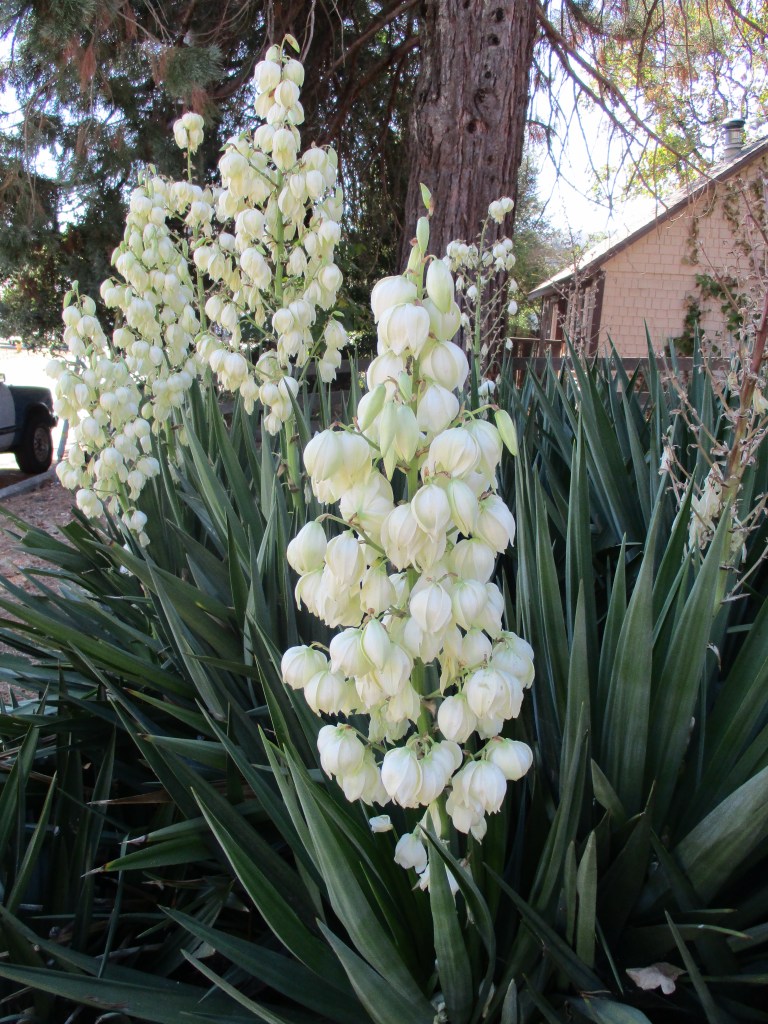
A few of the fifty or so species of Yucca go by the names of Spanish bayonet or Spanish dagger. Both common names apply to Yucca gloriosa. However, only this single species is also the mound lily. Most other Spanish bayonet and Spanish dagger are from deserts or chaparrals. Mound lily is from southeastern North America, so likes periodic watering.
If that is not confusing enough, the curved leaf yucca, which had been Yucca recurvifolia, is now Yucca gloriosa var.(iety) tristis. It has distinctly pliable leaves with a matte surface texture, and is rarely variegated. Mound lily has stiffer and smoother leaves that are more likely to be variegated. It had been rare, but is becoming one of the more popular yuccas.
Although it does not grow fast, and takes many years to form stout trunks, mound lily can eventually get taller than six feet. Taller floral panicles rise above the densely evergreen foliage. The small and pendulous flowers are pale white, perhaps blushed with brownish purple and pink. The leaves are about a foot or two long and maybe three inches wide, with very sharp terminal spines.
Gardens might be colorful throughout the year here. There is not much time between the latest of the autumn flowers and the earliest of the spring flowers. Winter flowers are glad to compensate for the lapse. Of course, there are plenty of flowers in spring and summer. Nonetheless, dried flowers are more popular now that there are fewer flowers for cutting.
The quantity of flowers blooming within a particular season might not be proportionate to the quantity of flowers available for cutting. Flowers that bloom through winter, even if as abundant as spring or summer flowers, do not develop as fast. Harvesting too many bird of Paradise flowers depletes the limited supply before something else can replace them.
Deciduous foliage that provides spectacular color through autumn is no substitute for cut flowers. Nor is the majority of colorful bark that becomes more prominent through winter. Some colorful berries can function like cut flowers, but only if there are plenty to spare in the garden. Conventional dried flowers that grew last summer may be useful about now.
For the venturesome and resourceful, unconventional dried flowers and other dried plant parts can also be fun. Such items, unlike statice, straw flower, lavender and other familiar dried flowers, might be byproducts of gardening. They might be derived from detritus that should otherwise go to compost or greenwaste. Some might even be products of weeds!
Pampas grass, both garden varieties and the invasively naturalized type, produces bold blooms that dry quite well. Because the leaves can cause such nasty paper cuts, flowers might be easier to harvest from a distance, with a pole pruner. Hair spray can contain the fuzz, so that it does not disperse indoors. Cat tails, if still intact, are compatible with them.
Floral stems of lily of the Nile, New Zealand flax, and some species of Yucca are striking even after bloom. After deadheading, they can become flowerless dried flowers. Fruiting structures are no problem to remove. If within reach, some palms may provide distinctive bloom trusses. Floral design can be as imaginative as gardening and landscape design.
Root pruning is nothing new. It is done more commonly than we think about for many aggressive perennials like lily-of-the-Nile, that like to disperse their roots into areas where we want to grow more docile annual bedding plants or vegetables. We might do it halfway, or more, around a shrubby plant during spring or summer if we plant on digging and moving it the following autumn. For most small and low profile plants, root pruning is sort of tolerable. The plants that we do it to may not like it, but it is sometimes necessary, and better than not doing so. Trees are not like most small and low profile plants. Most are very sensitive to root pruning when mature. They are not so proficient at replacing the portions of their root systems that they are deprived of. Large roots that get severed are very susceptible to decay, which slowly…
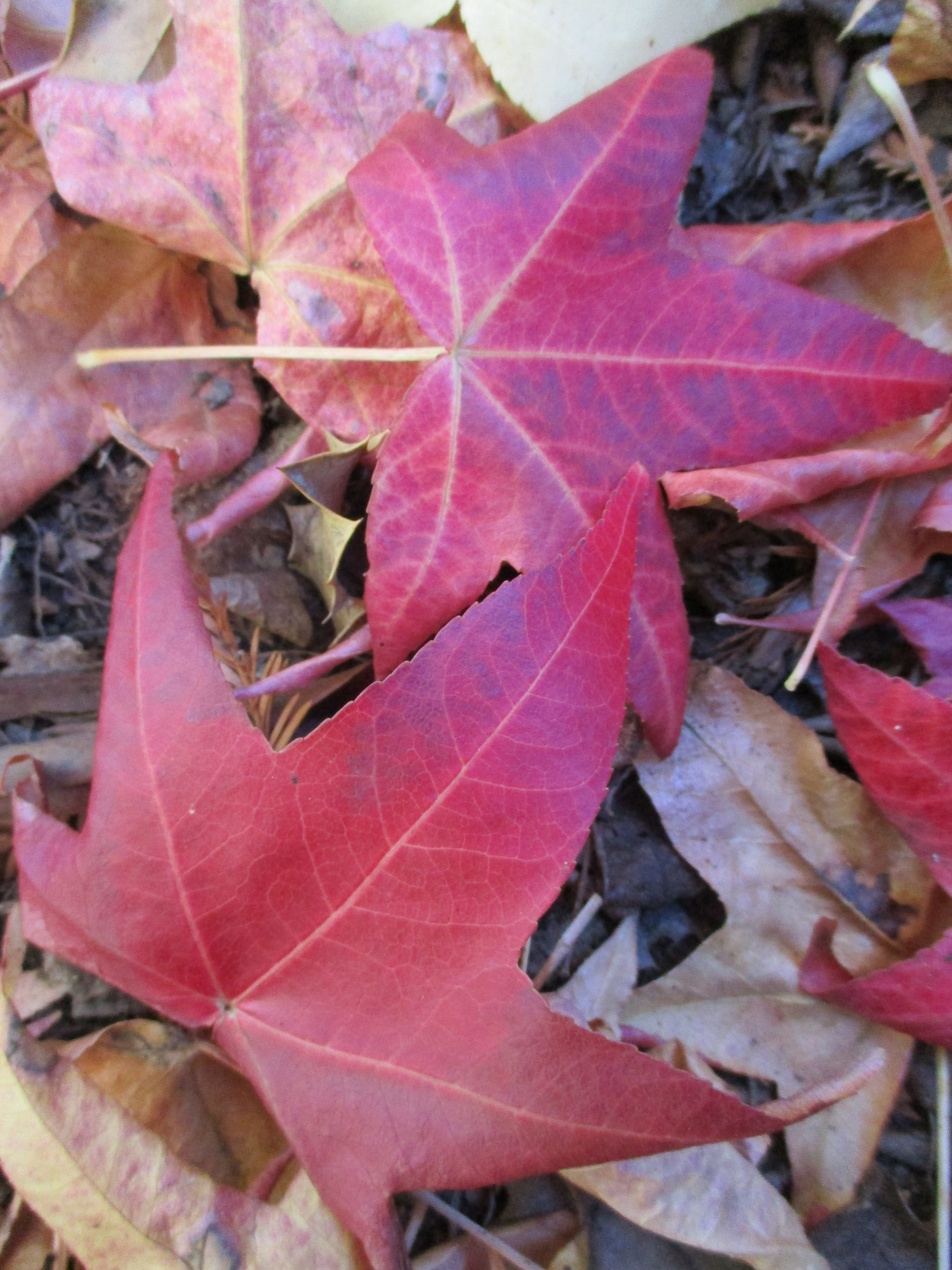
We may not get much foliar color in autumn here, but we get enough. Sweetgums do not need much cool weather to color well. They would probably have colored better and held their foliage a bit better if the weather got cooler faster, but we can not complain about what we got. Most of the crape myrtles are still completely green. Cottonwoods are defoliating, but without much color. Maples are rare here. The three best trees for color in autumn here are sweetgum, pistache and flowering pear. Of these, we happen to have several sweetgums here. Sweetgum is not the sort of tree that I would recommend for home gardens. They are innately very likely to develop structural deficiency. By the time such problems are identified, they are difficult to correct without disfigurement. Aggressive roots are likely to displace pavement, and sometimes invade septic systems. Then there are all those…
The small hesper palm that was taken from my garden last August has returned. A colleague directed me to it, at the home of one of his neighbors. I appropriated it without inquiring about its presence there. I suspect that it was taken as random ‘greenery’. However, if the neighbor actually wants a palm, I may provide one that is more appropriate to the particular situation. Since I got only a single picture of the recovered hesper palm though, my Six on Saturday for this week are completely random.
1. Hesper palm would not have been happy here in the shade of a redwood forest. It happened to be just across the driveway from where the kitties of ‘Cat Burglar’ live. It is back at home now.
2. Windmill palm is more impressive. It will be dug and canned for a former resident of the now abandoned house to the left. My date palm seedlings came from the compost pile at this home.
3. Dracaena palm (which is not actually a palm) was too big and tall for me to relocate from the now abandoned house, but not too large for gophers to relocate. They put it right onto the eave.
4. Deodar cedar was relocated three years ago, without the assistance of gophers. Most met a most unfortunate fate with a weed eater. This specimen got established slowly, but is happy now.
5. Gnomes annoy me! I do not know why this appeared in one of the landscapes, but it will go into the trash if not removed. My statue of Saint Francis, in my own garden, offended a neighbor.
6. Rhody does not allow me to get too annoyed. He is posing with mulch because mulch was the topic of the gardening column when this and a few other formerly unused pictures were taken.
This is the link for Six on Saturday, for anyone else who would like to participate:
Statice is about as colorful dried as it is while fresh.
The papery flowers of annual statice, Limonium sinuatum, are so popular as seemingly synthetic dried flowers that many garden enthusiasts are surprised to find that they are happy to bloom naturally in home gardens. The clear shades of blue, purple, pink, orange, yellow and white seem to be dyed. The one or two foot tall flower stems are outfitted with odd papery ‘wings’ that make the stems seem wider than they actually are. Deeply lobed basal foliage forms shallow rosettes. Mature plants are about one or two feet tall, and a foot or so wide. Bloom begins late in summer, and continues into autumn. Good sun exposure and good drainage are preferred. Seed can be sown directly, or young plants can be added to the garden early in spring.
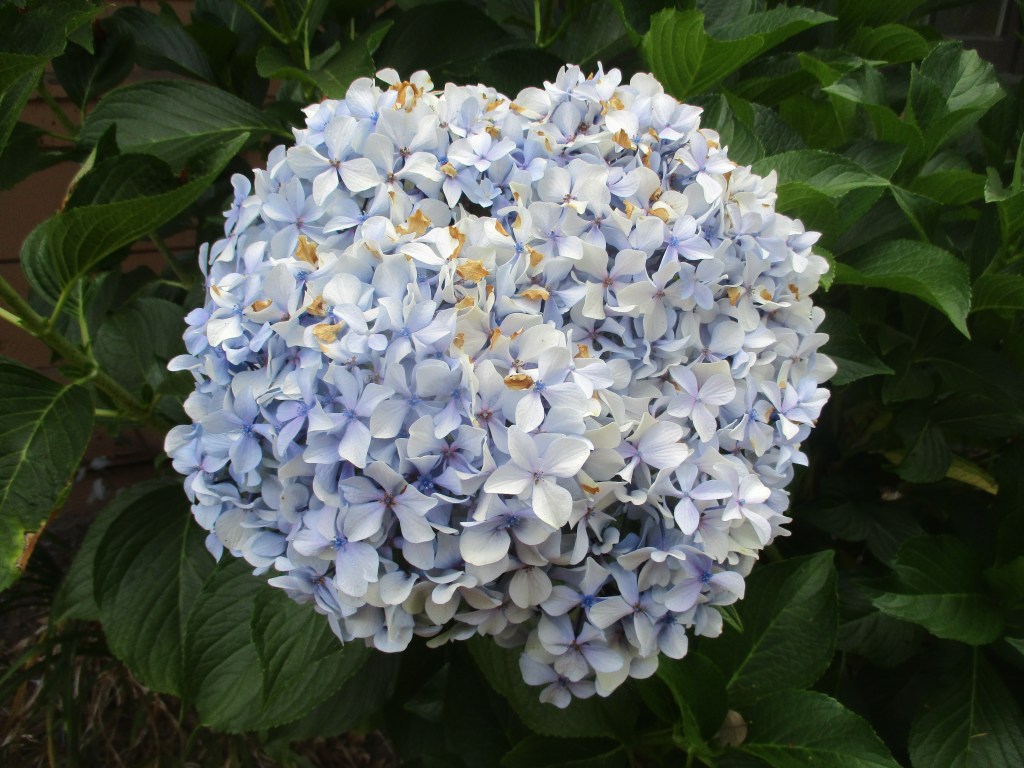
With proper processing, hydrangea bloom can be dried.
Statice, strawflower and globe thistle continue to bloom later than most other summer annuals, and hold their flowers longer. Even after bloom, the flowers are so stiff and ‘crispy’ that they remain intact and colorful until they succumb to exposure to weather. If cut and brought in from the weather soon enough, they will last as dried flowers at least until fresh flowers start to bloom in the garden next spring.
Strawflower and larger globe thistle tend to wilt and droop from the weight of the bulky flowers, so should be tied in small bunches and hung upside down to dry. Perennial statice (which has larger blooms than annual statice) tends to flop to the ground, but the stems often bend only at the base so that the rest of the stem length stays somewhat straight. Smaller globe thistle and annual statice often dry standing up while still out in the garden.
Yarrow and English lavender can be dried as well, but lose most of their color. Lavender dries naturally in the garden. Yarrow can likewise be allowed to dry in the garden, but probably keeps a bit more color if cut while still fresh and hung upside down. Because yarrow blooms are so wide, they should be hung individually or in small bundles. Queen Anne’s lace has even wider blooms that curl inward as they dry, so they really should be hung individually.
Old hydrangea flowers that are only beginning to fade can dry surprisingly well if cut and hung individually before they deteriorate too much or start to rot. Some varieties retain color better than others. Some fade almost completely to an appealing brown paper bag.
There are not many roses this time of year, but when they do bloom, even they can be cut and dried while beginning to unfurl. Only a few small and tightly budded roses can be dried when completely open. Because they droop right below the blooms, roses should be hung upside down to dry. Dark colored roses get very dark as they dry. White roses turn tan. Pink and yellow are probably the better colors.
Cat-tails and pampas grass flowers are big, bold and dated cut flowers. Yet, for situations where big flowers fit, they are just as practical now as they were in the 1970s. Because pampas grass flowers shed, and cat-tails can explode (to disperse their seed), they should be sprayed with hair spray or another fixative to keep them contained. Pampas grass foliage has dangerously serrate edges that can give nasty paper cuts, so should be handled carefully, and displayed out of the way.


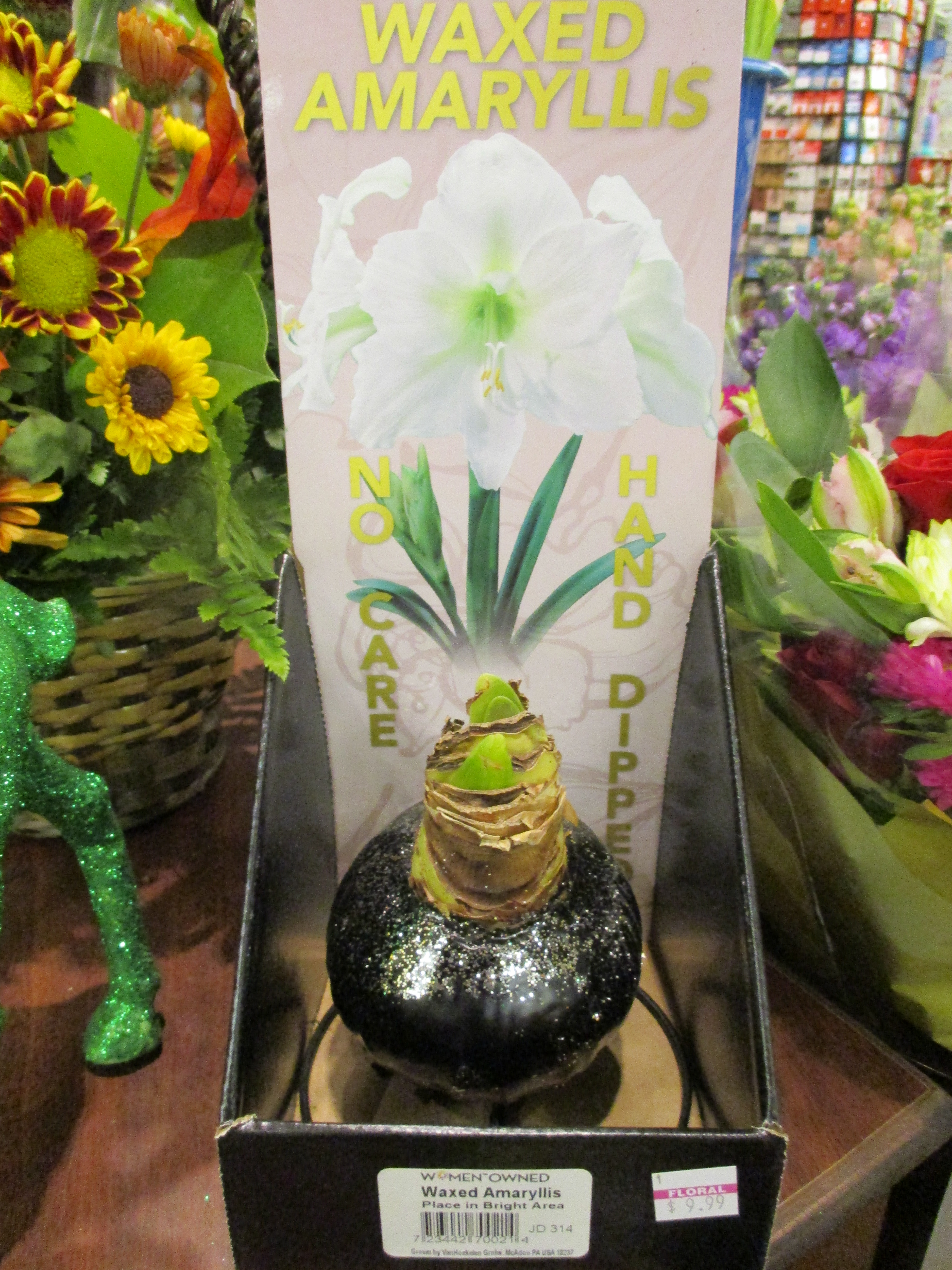 Two others have already written about this far more proficiently than I would have:
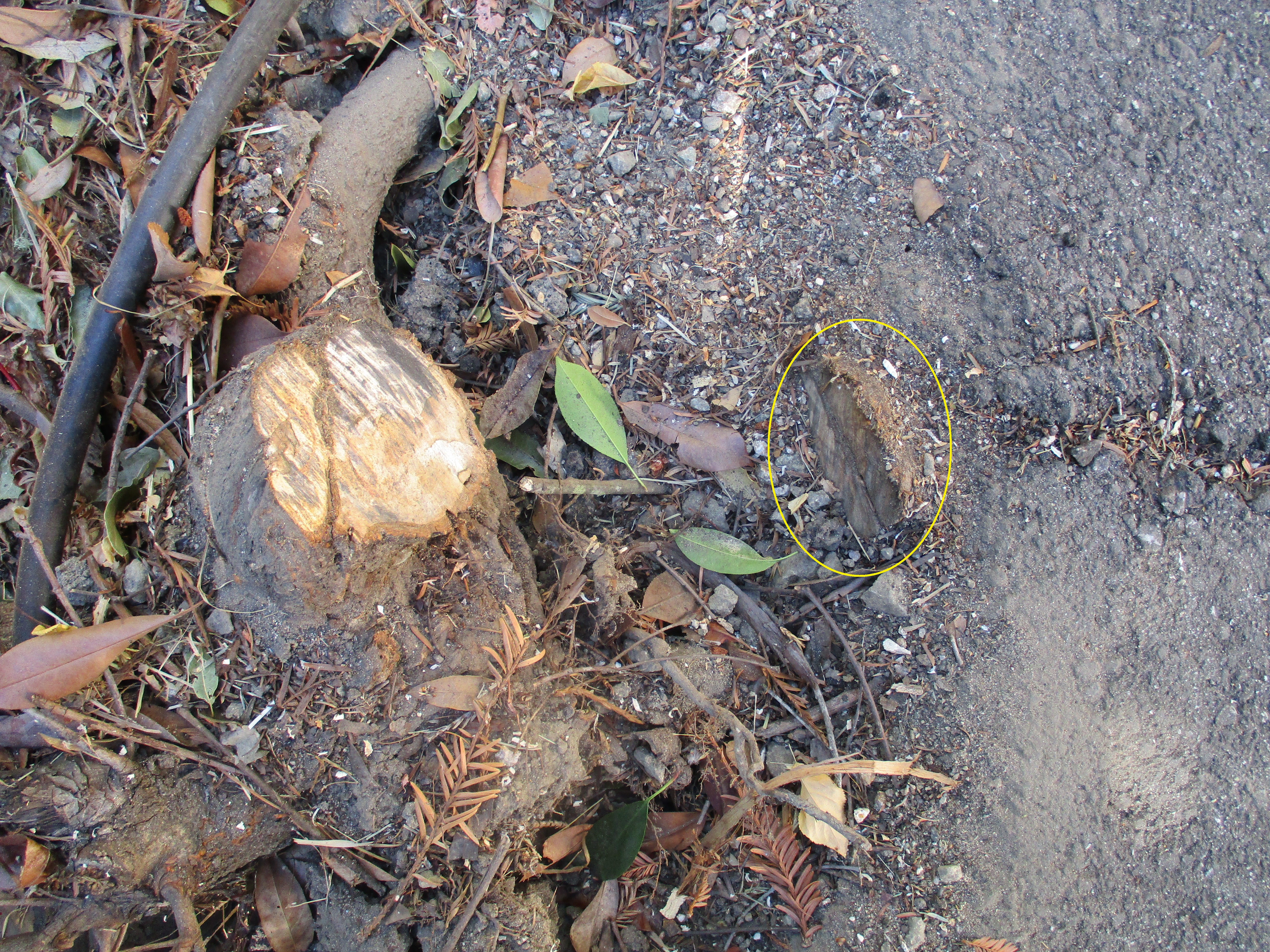 Root pruning is nothing new. It is done more commonly than we think about for many aggressive perennials like lily-of-the-Nile, that like to disperse their roots into areas where we want to grow more docile annual bedding plants or vegetables. We might do it halfway, or more, around a shrubby plant during spring or summer if we plant on digging and moving it the following autumn. For most small and low profile plants, root pruning is sort of tolerable. The plants that we do it to may not like it, but it is sometimes necessary, and better than not doing so.
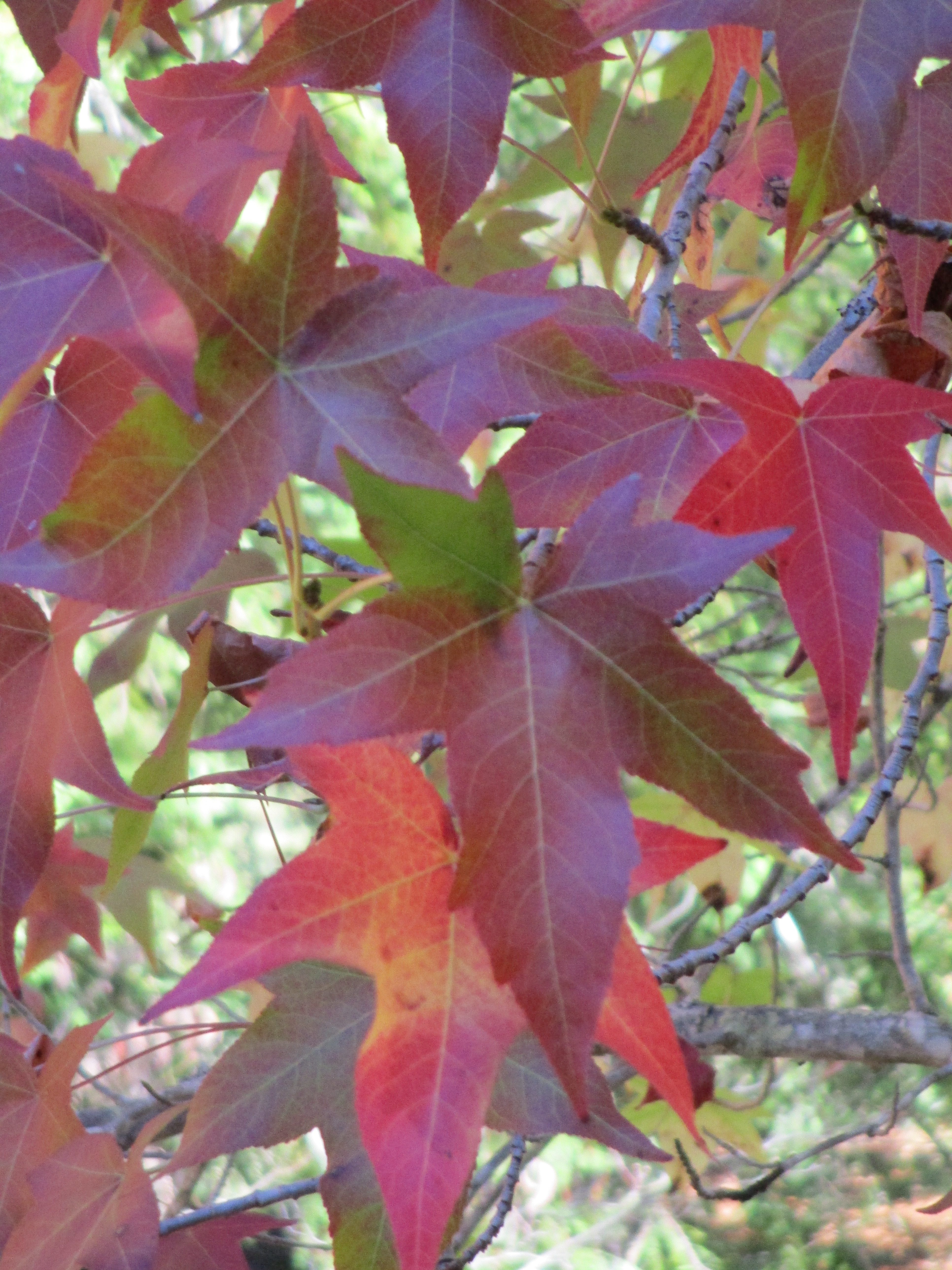 We may not get much foliar color in autumn here, but we get enough. Sweetgums do not need much cool weather to color well. They would probably have colored better and held their foliage a bit better if the weather got cooler faster, but we can not complain about what we got. Most of the crape myrtles are still completely green. Cottonwoods are defoliating, but without much color. Maples are rare here. The three best trees for color in autumn here are sweetgum, pistache and flowering pear. Of these, we happen to have several sweetgums here.