
Weeding otherwise bare and unused ground is no fun. Nor is weed whacking. Mulching inhibits future weed growth, but requires occasional replenishment. For many situations, ground cover plants are more practical. Once established, many sorts effectively exclude most weeds. Even more contain dust, and inhibit erosion of the surface of the soil below.
As the terminology implies, ground cover plants are simply plants that disperse laterally, over the surface of the ground. Many migrate by subterranean stems known as rhizomes, or by stems on the surface of the soil, known as stolons. Some are vines that behave like stolons. Also, many are merely prostrate shrubbery that does not stand upright very high.
Ground cover plants generally require more maintenance than mulch, and most want for some degree of irrigation. Conversely they require less effort than weeding. Furthermore, ground cover plants can live on slopes that are too steep for mulch to adhere to, and are more appealing than mulch. They might be as colorful or fragrant as other sorts of plants.
Prostrate shrubbery, such as creeping cultivars of juniper, manzanita and ceanothus, are best in areas that are big enough to accommodate their width at maturity. Within confined spaces, they need pruning around the edges, which exposes unappealingly bare interior stems. Prostrate shrubbery generally gets higher than other types of ground cover plants.
The many vines that work as ground cover probably stay lower than prostrate shrubbery, unless of course they climb into bigger shrubbery and trees. Algerian ivy and English ivy are famously aggressive if they overwhelm other vegetation. Also, they can cling to walls and ruin paint and siding. Star jasmine climbs too, but does not cling, and is more docile.
Perennial ground cover plants, such as various iceplant, trailing gazania, trailing African daisy and pigface (freeway iceplant), tend to stay lower than other types. Most require no grooming over their upper surface, so only need trimming around the edges. Scraps from trimming during winter can become cuttings for bare patches or elsewhere in the garden. Several types root efficiently.

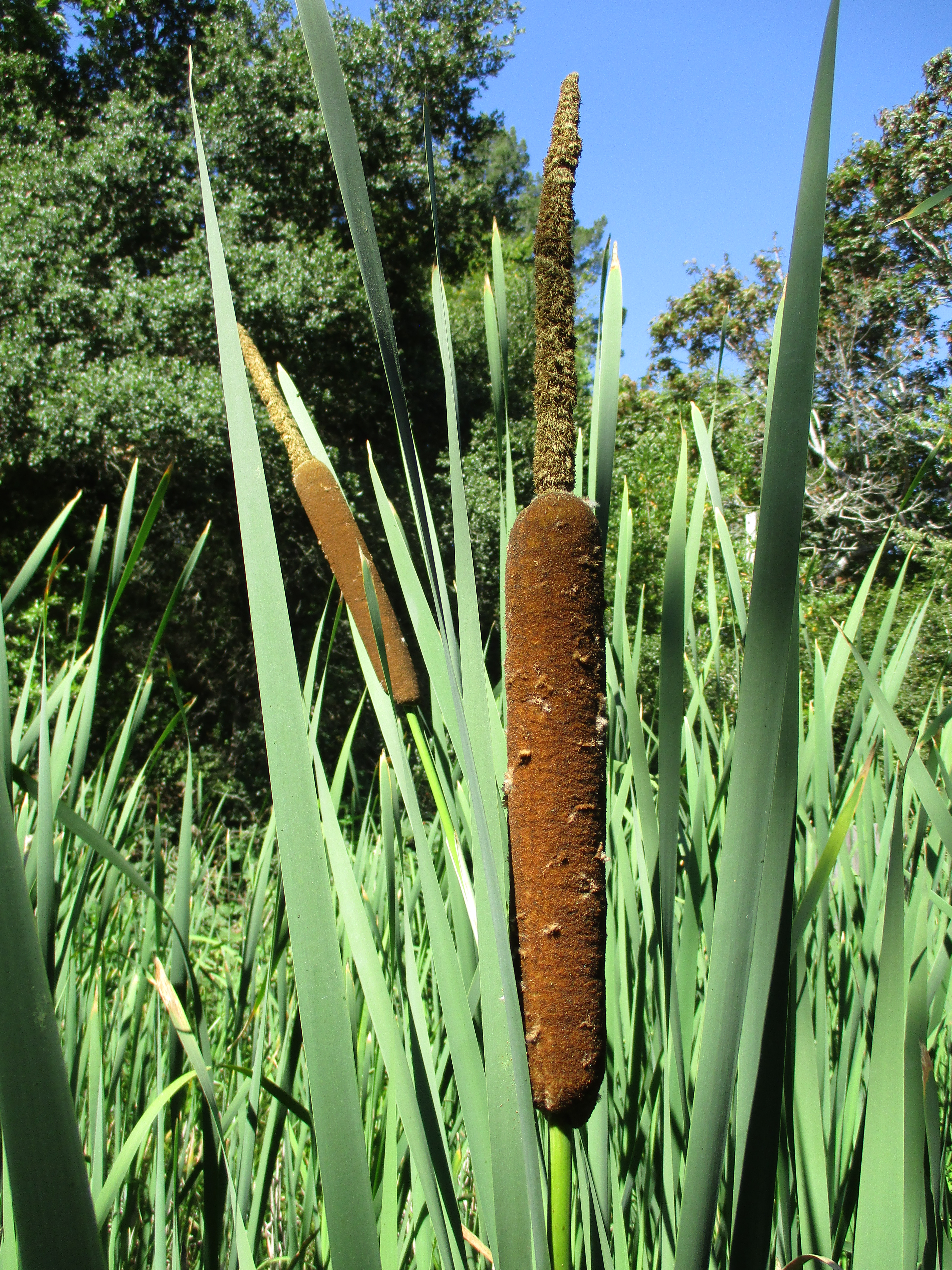 Urban sprawl replaced the formerly vast orchards of the Santa Clara Valley a long time ago. Nowadays, it is difficult to imagine that they were ever here. Apricots, prunes, cherries, almonds, walnuts and all that the region was once famous for are all now rare commodities.
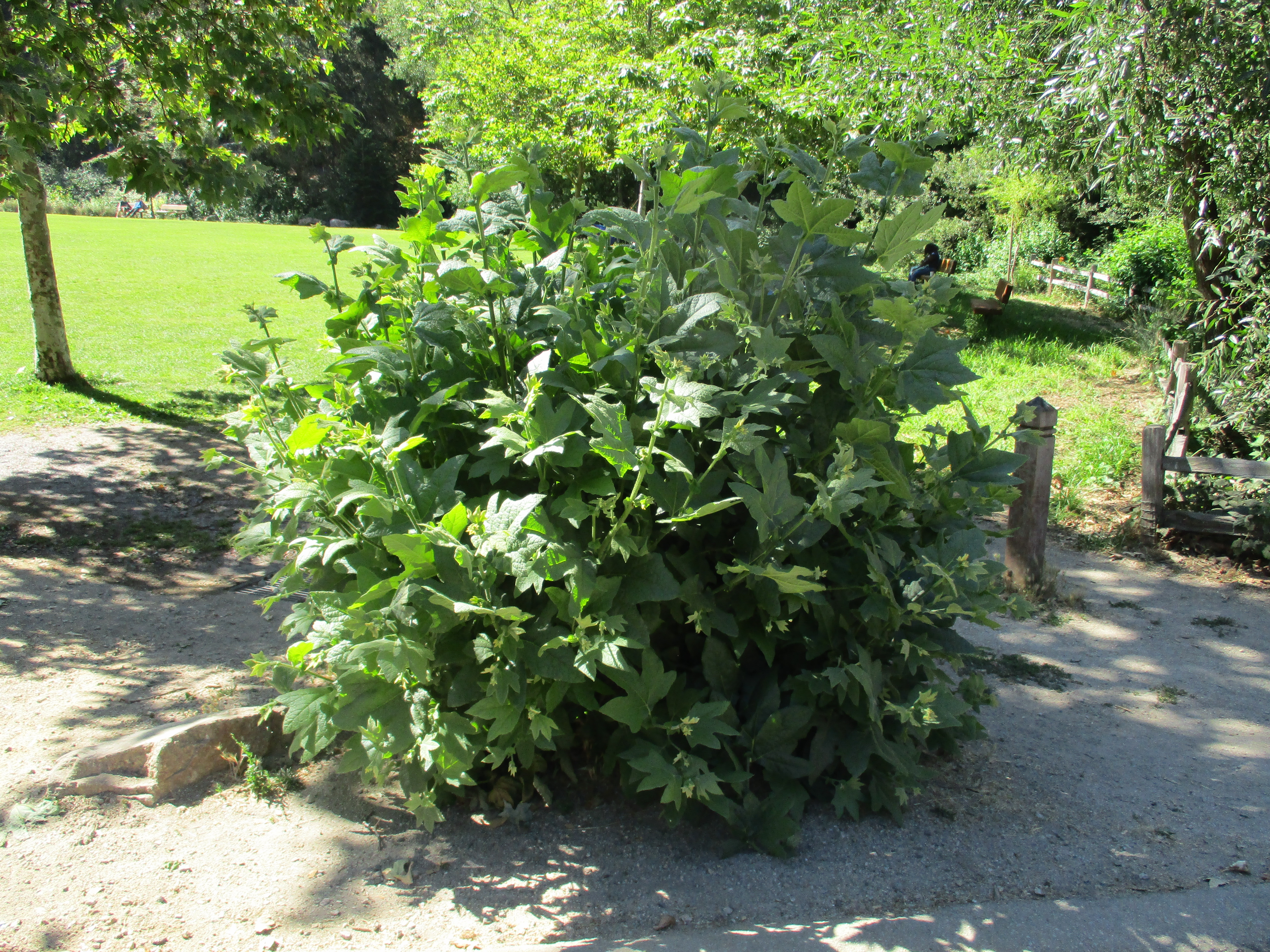 Coppiced trees and shrubs are just like pollarded trees, but without the trunk and main limbs. Instead of getting cut back to the same distended knuckles at the ends of disproportionately stout limbs, they get cut back to the same stump just above grade over winter. Some get coppiced annually. Others get coppiced only when they get too big. The coppiced California sycamore in this picture may never get coppiced again.
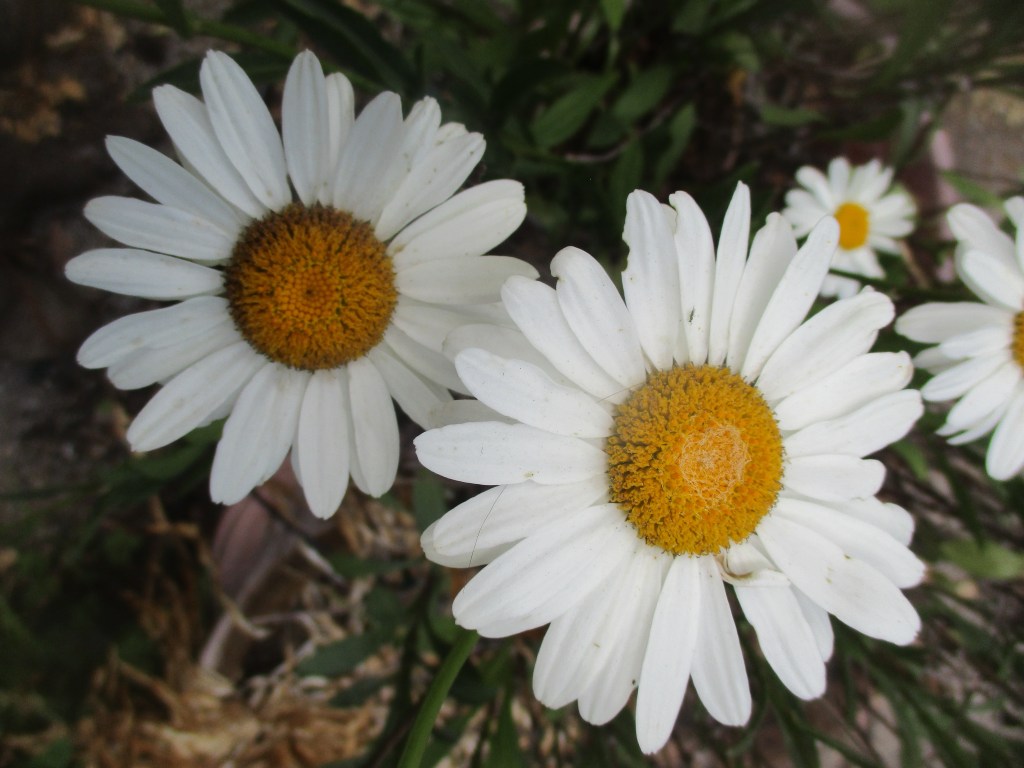


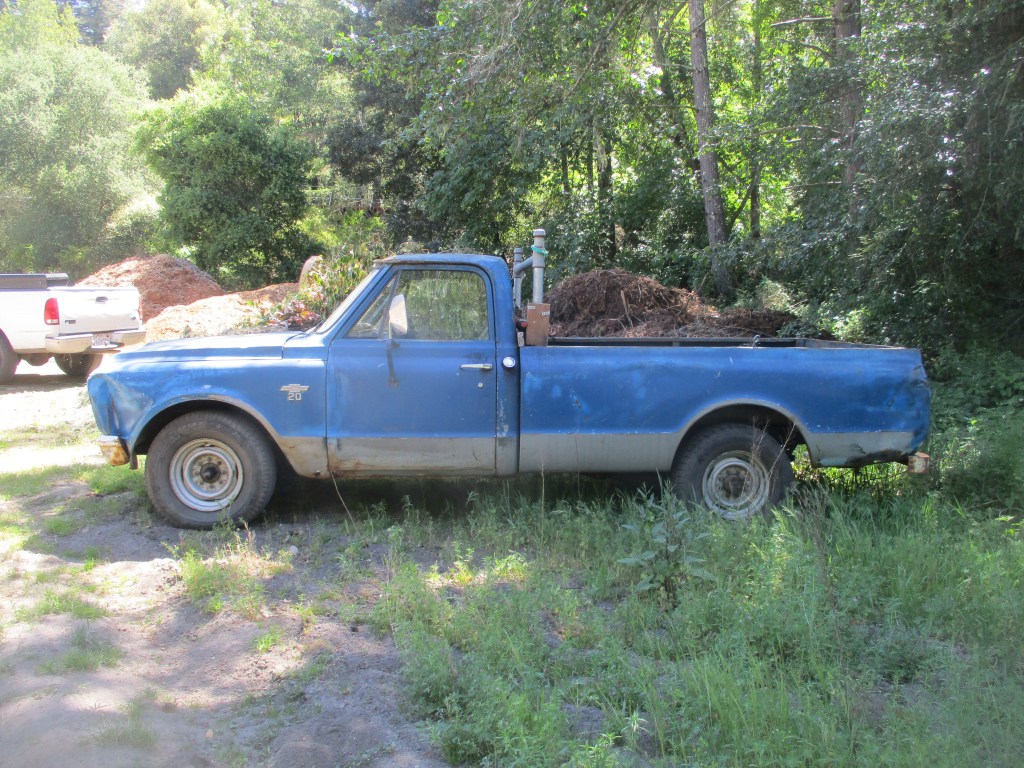


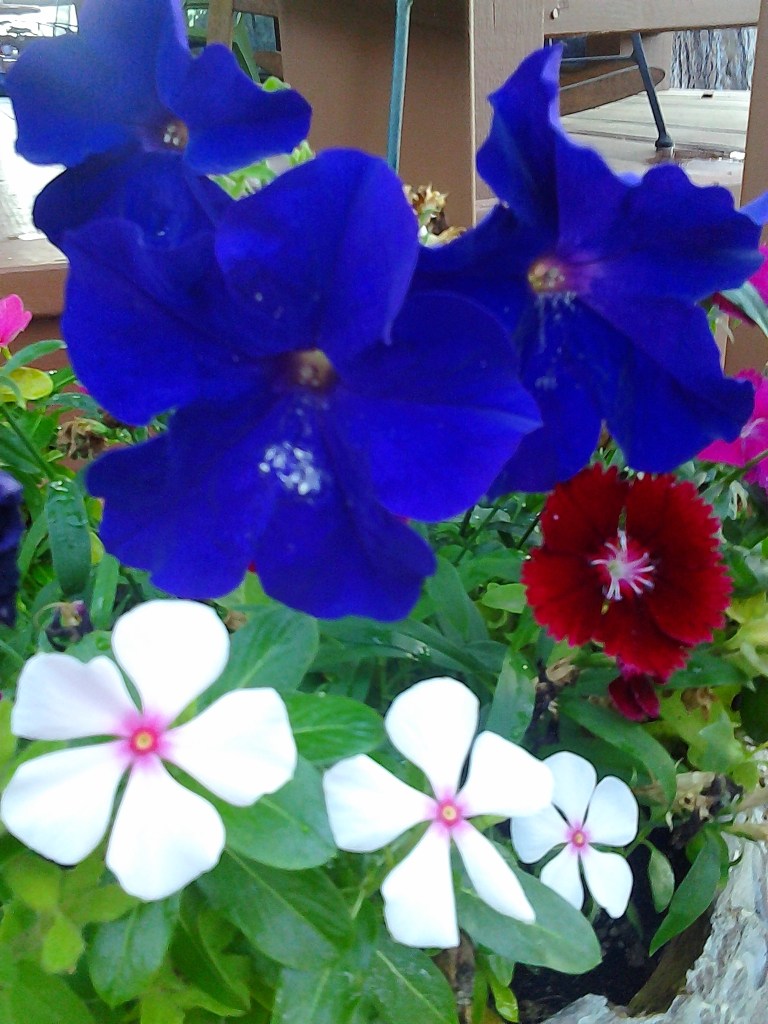
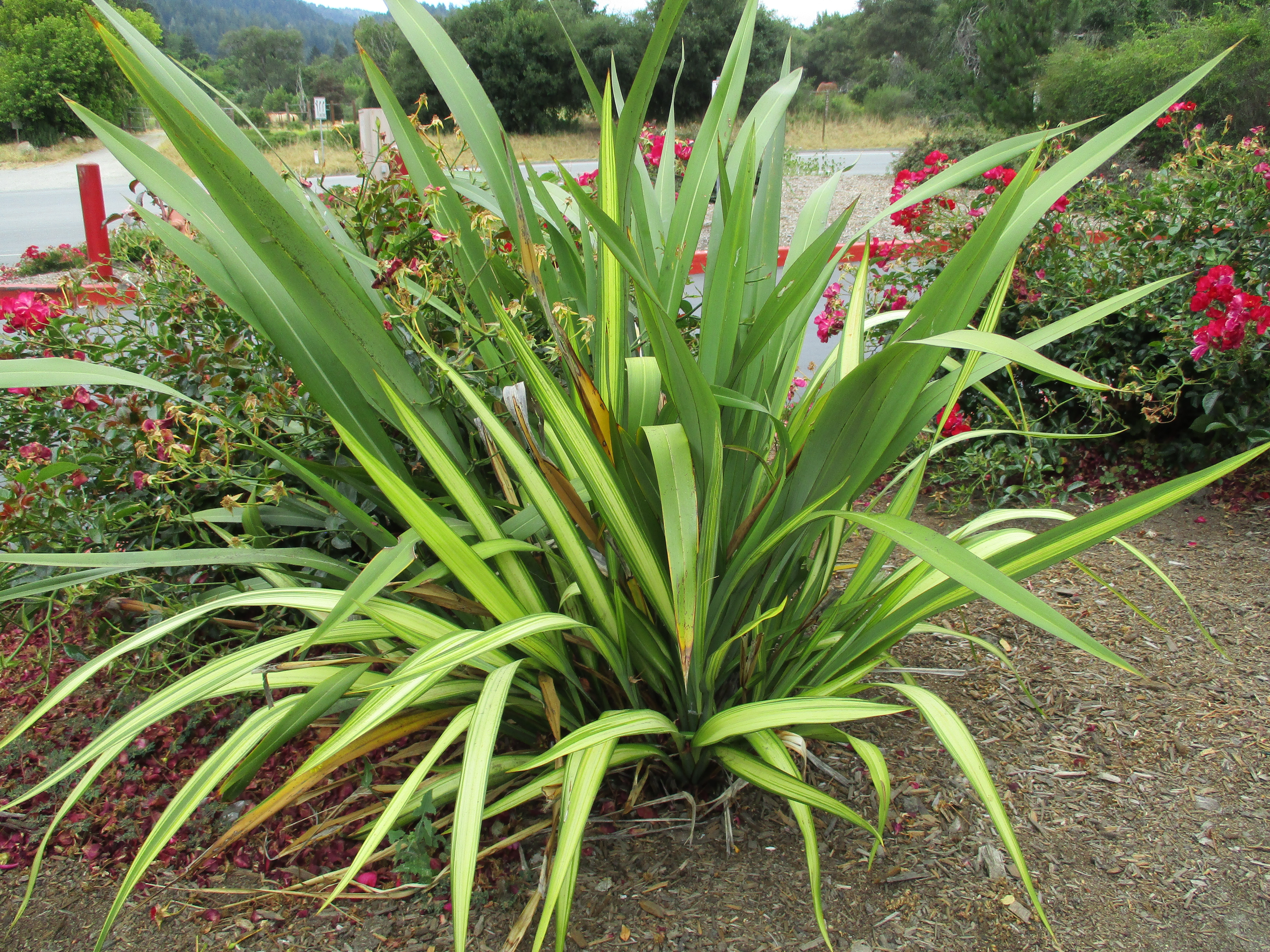 Mutants are the source of many of our favorite cultivars of otherwise simpler specie. Many cultivars of plants with compact, pendulous or fastigiate (strictly vertical) growth, or variegated, bronzed, golden or otherwise abnormally colored foliage, were derived from ‘sports’, which are mutant stems that appear on otherwise normal plants. Thornless blackberries were sports of thorny cultivars. Fruitless mulberry is a sport of white mulberry. There is no shortage of mutants.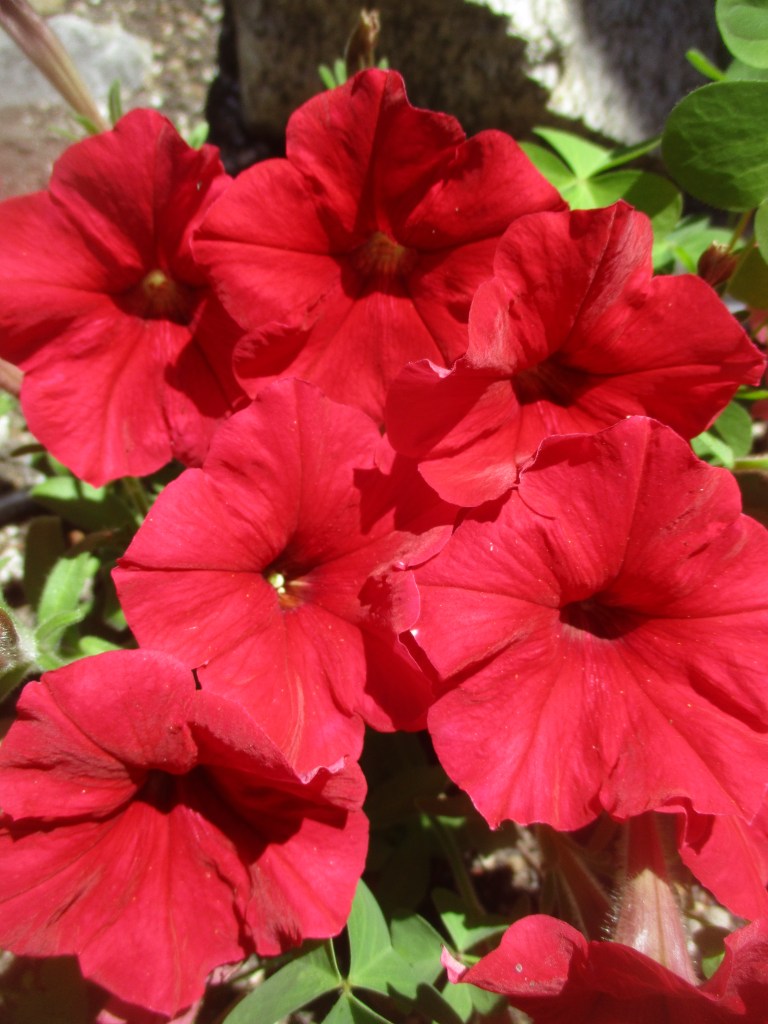

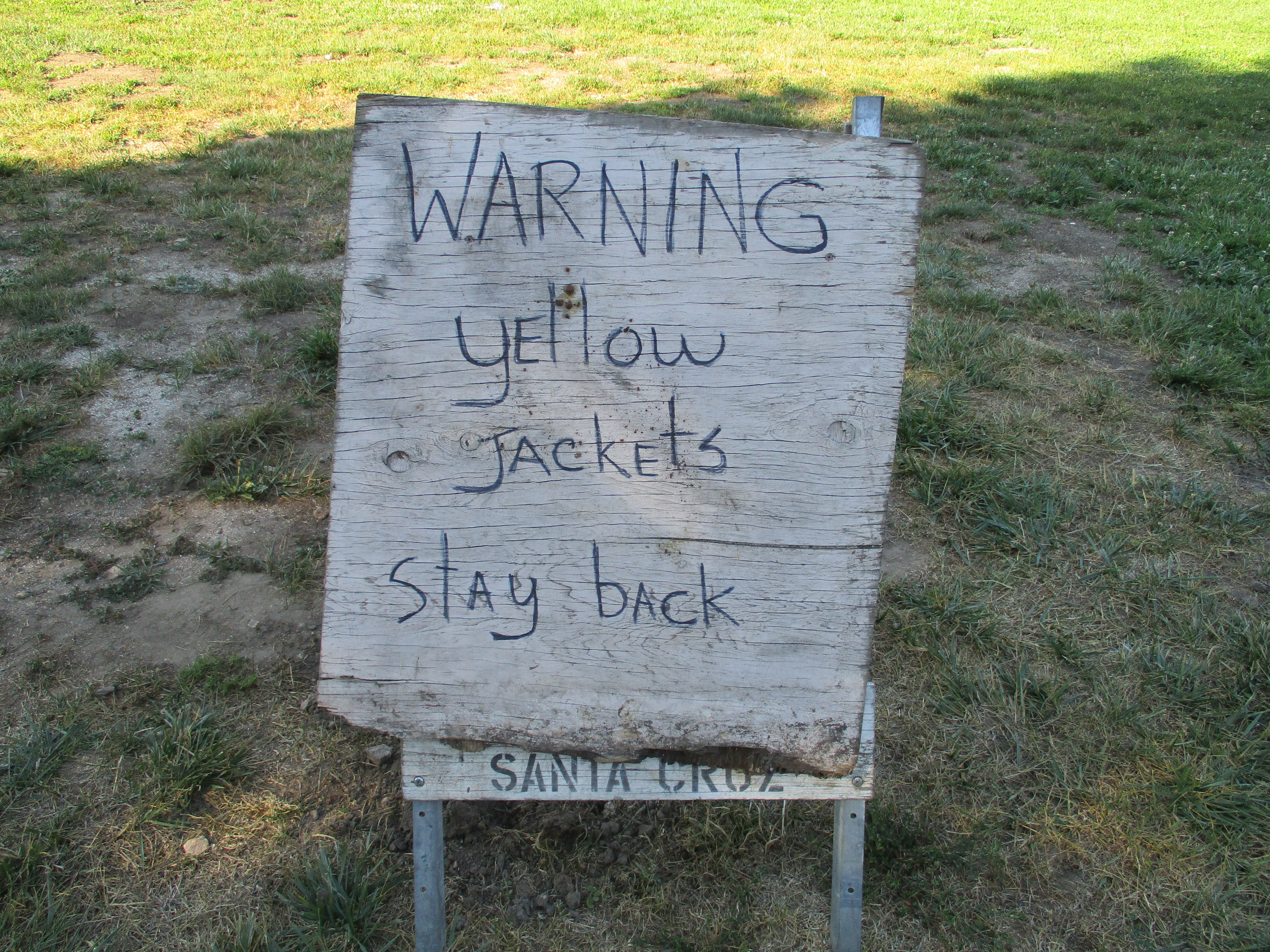 You would think that those who maintain the County Parks would be prepared for anything. They nearly are. They know how to deal with gophers, moles, voles, weeds, flooding, all sorts of unpleasant weather, and of course, spontaneous limb failure of massive trees. They apparently did not plan for this one.
 Tony Tomeo