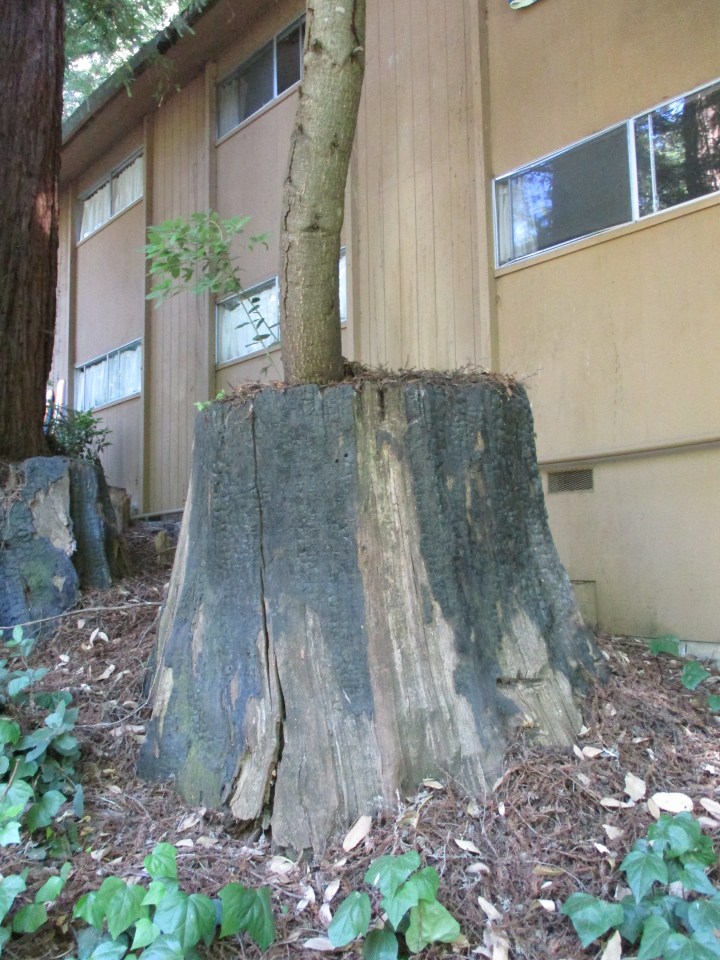
My garden really is not much to talk about. Really. It is just a bunch of redwoods with a bit of other native vegetation dominating the few items that I added into the mix. There are fourteen stock fig trees, but they are very small and mostly obscured by the underbrush. The elderberries, currants and huckleberries are the same as what grows wild, so they do not look like much either. Even the cane berries look very similar to the native blackberries. There is a quince tree, some rhubarb, and some small prickly pear, but they are barely visible amongst the other vegetation. Well, that is enough talk about why my garden is not much to talk about.
These pictures are from one of the gardens that one of my colleagues maintains.
1. Hibiscus is probably the flashiest bloom in this garden now. I have no idea what cultivar this hibiscus is; and I am not even certain about the species. It sure is impressive though. This flower is more than six inches wide!
2. Red honeysuckle is something that I really want to grow, but can not justify it. I mean, it does not exactly ‘do’ anything more than look good. It is not fragrant like Japanese honeysuckle is. This one took a while to bloom.
3. Zonal geranium happens to be one of my favorite perennials, even if others consider it to be too cheap and common. I do not know if this one is pink, peach, salmon . . . or one of those odd colors that only girls can see.
4. Mandevilla is my best guess. Again, I do not know the species. Did I mention that this is not my garden? I do happen to like this one though, because it is so perfectly white. Otherwise, I am none too keen on mandevilla.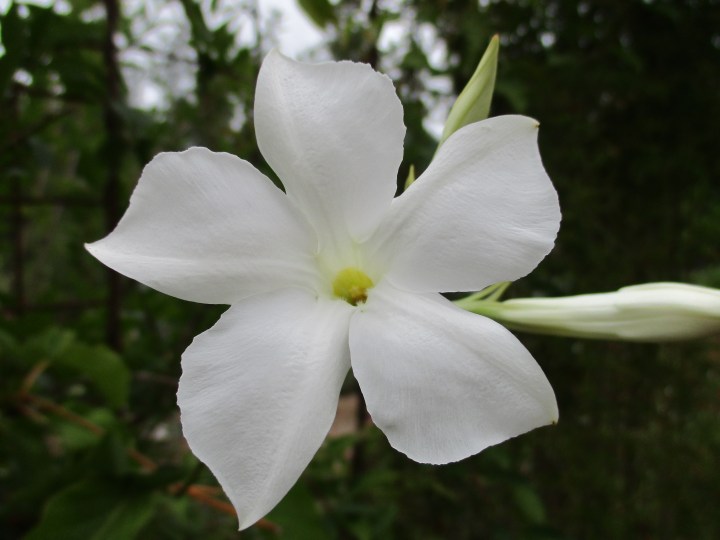
5. Morning glory is quite happy here. This one is annual of course. There was a perennial white morning glory known as a moonflower nearby, but it succumbed to frost last winter. Hope for its recovery ran out months ago.
6. 4:00 (four o’clock) is a prolific naturalized exotic species. I would not say that it is invasive, but merely prolific. I do not know if this one is 4:00 a.m. or 4:00 p.m., but I do know it will not be the last. More on that later.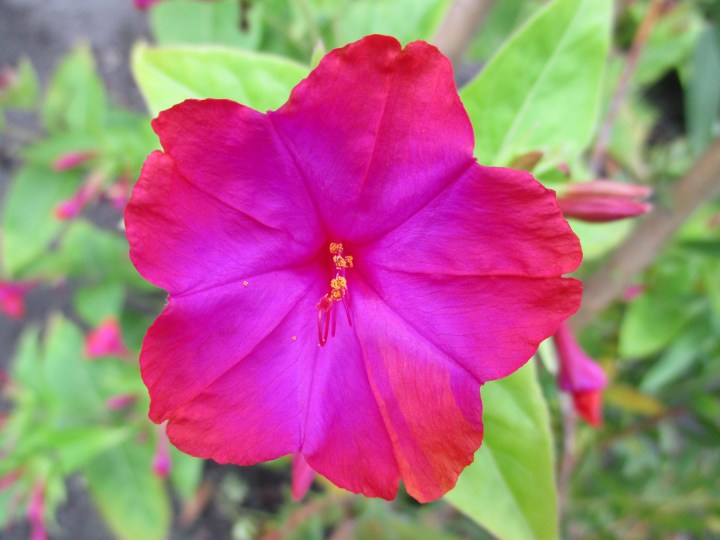
This is the link for Six on Saturday, for anyone else who would like to participate:
https://thepropagatorblog.wordpress.com/2017/09/18/six-on-saturday-a-participant-guide/
 Skyscrapers are already very efficient. They fit more usable floorspace into their ‘footprint’ than any other type of building does. They conserve energy that gets used for heating and cooling by exposing less of that floorspace to the outside weather. For all that usable floorspace, they need only a single roof.



 When they became a fad in the 2000s, it was one of the very few fads that was actually sensible for California. Agaves certainly are not for every landscape, and certainly do not suit everyone’s taste, but they are ideal for the climate here. In some regards, they are more practical than the more popular of the native specie that tend to be scrubby looking and short lived. Agaves really should have become trendy a long time ago.
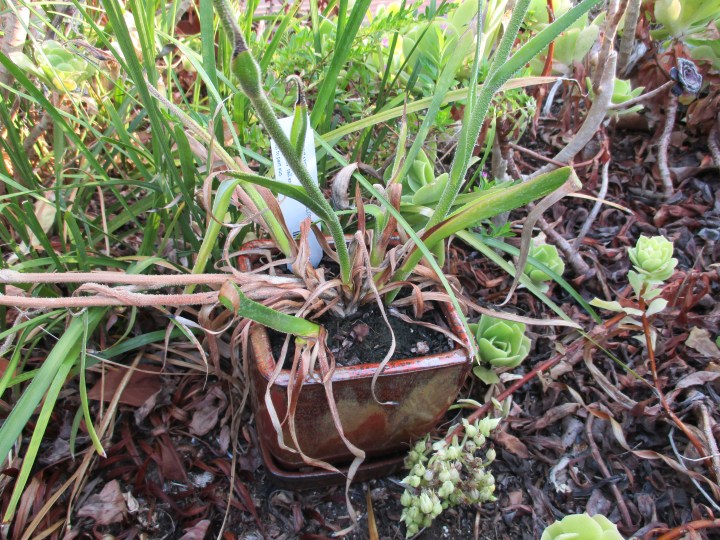


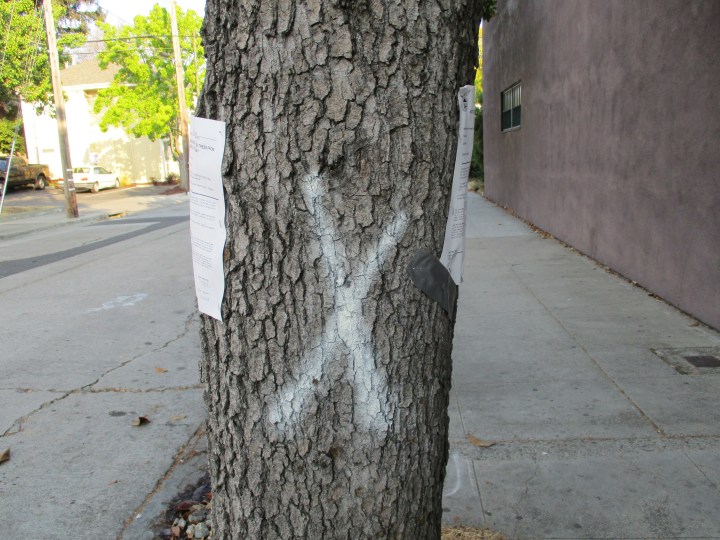
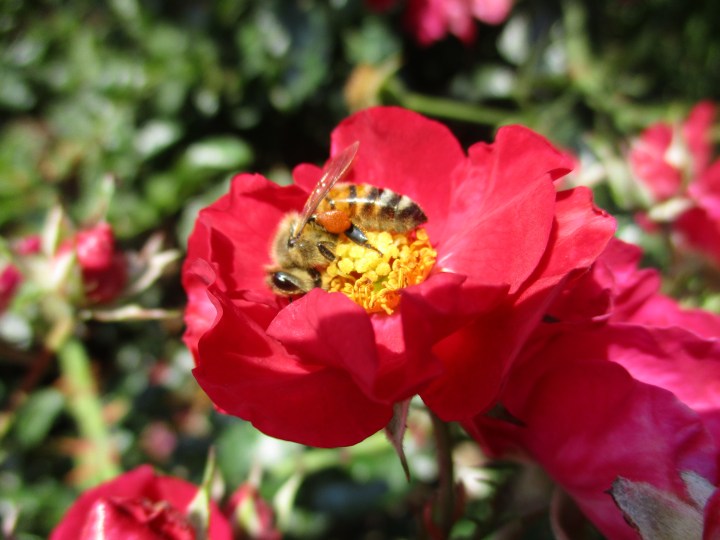
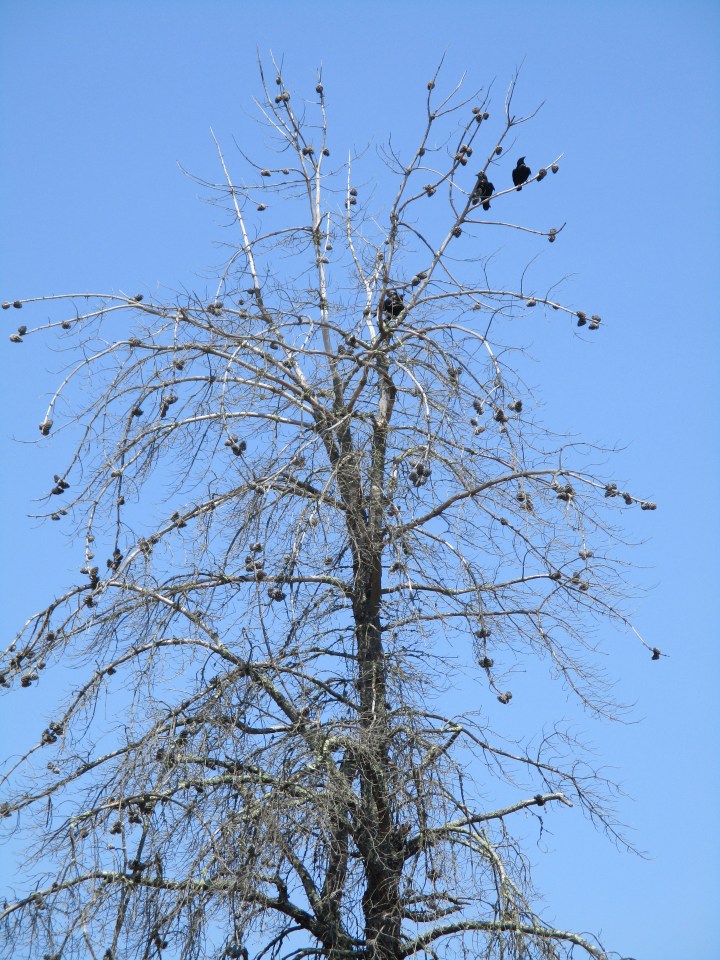 It is quite natural. Death, I mean. Every living thing does it at one time or another. Even the oldest bristlecone pines that live for thousands of years eventually do it. The Monterey pine in this picture did it quite efficiently. The three crows perched on top make it look extra dead. You know, not merely dead, but very dead. If this tree were in my own garden, I would be totally saddened by its death, but there is nothing that I could do about it.


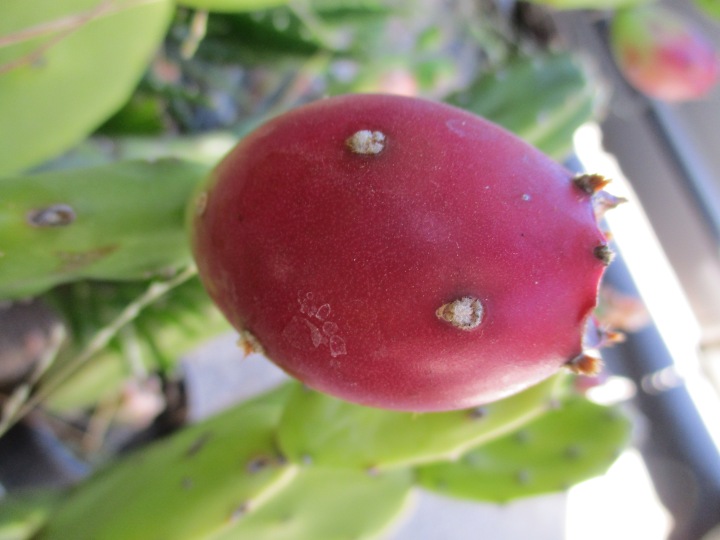
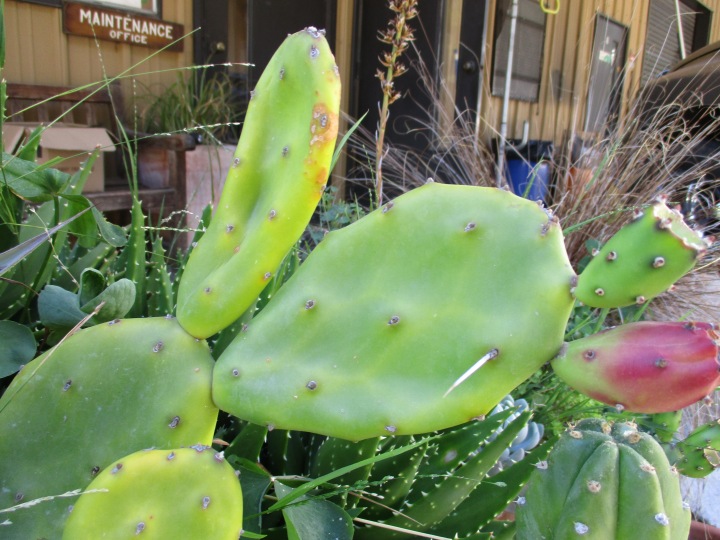
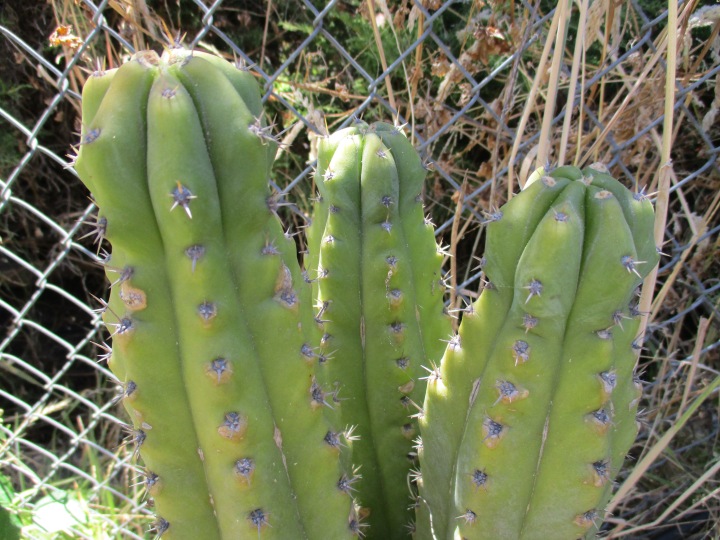
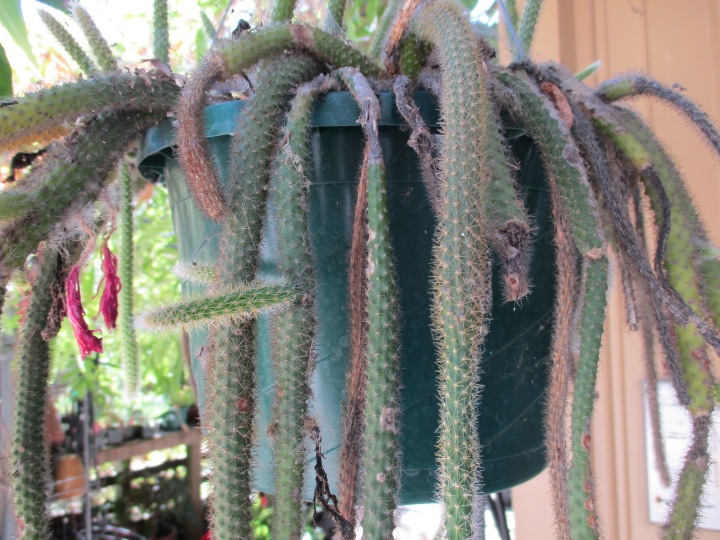
 This rant may not go in the direction you expect it to. The pictures suggest that this would be about the bad vegetation management crews who severely disfigure trees that get too close to utility cables. It is not.
 This brief article from a few days ago discusses a few more details about easements.