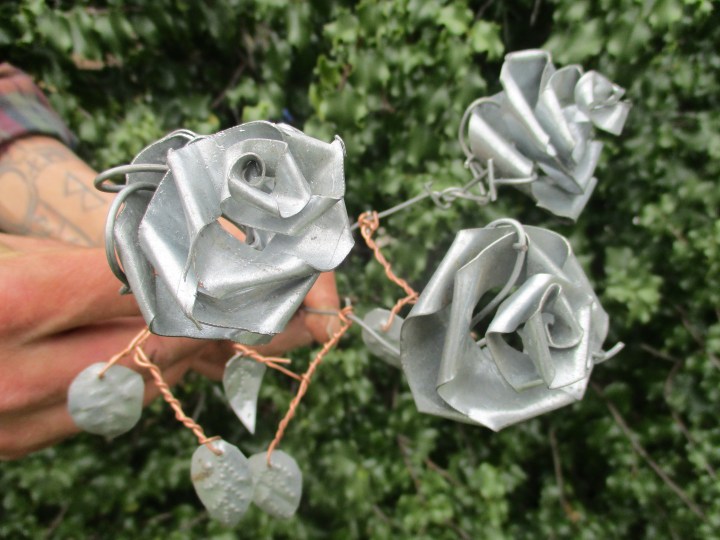
 ‘Sterling Silver’ and ‘Stainless Steel’ are two hybrid tea roses that were quite popular decades ago. ‘Copper’ and ‘Aluminum’ are not. However, I did happen to write a bit about the aluminum roses in the picture above on the Facebook page of Felton League on January 28, and included a link to an older article that featured a picture of copper roses. They are not at all relevant to horticulture, but are interesting nonetheless.
Felton League is an informational forum for the distinguished small group of displaced or socially outcast people and their friends in Felton, California. That is how it is described on Facebook. Those who are more directly familiar with us know us as a community group that not only advocates for the local homeless, but also provides compelling insight into homeless culture, and confronts the trend of animosity and hostility for anyone perceived to be homeless.
This is the post on Felton League from January 28:
Some of us participate in the River Cleanups here and elsewhere in Santa Cruz County. Some regularly collect trash for disposal throughout the year. One takes trash collection a step further by creating these metallic roses from some of the collected debris. They were featured in this article about garden art that was published in local newspapers between San Francisco and Beverly Hills in the summer of 2017; https://tonytomeo.com/2018/07/12/be-tactful-with-garden-art/ . (Not all of the articles used this illustration. The link is for the article as it was posted last July, about a year after it was published.) The copper roses of the original article were made from copper pipe. The newer silvery roses are made from flashing found in the San Lorenzo River. The thorny stems are made from scraps of fencing material that resembles a fine gauge of hog wire, that was found closer to Zayante Creek. The leaves are wired on with random bits of copper wire. These roses are often sold to tourists and local merchants to finance the banquets hosted by ‘Let’s Have Soup’ in Felton Covered Bridge Park.
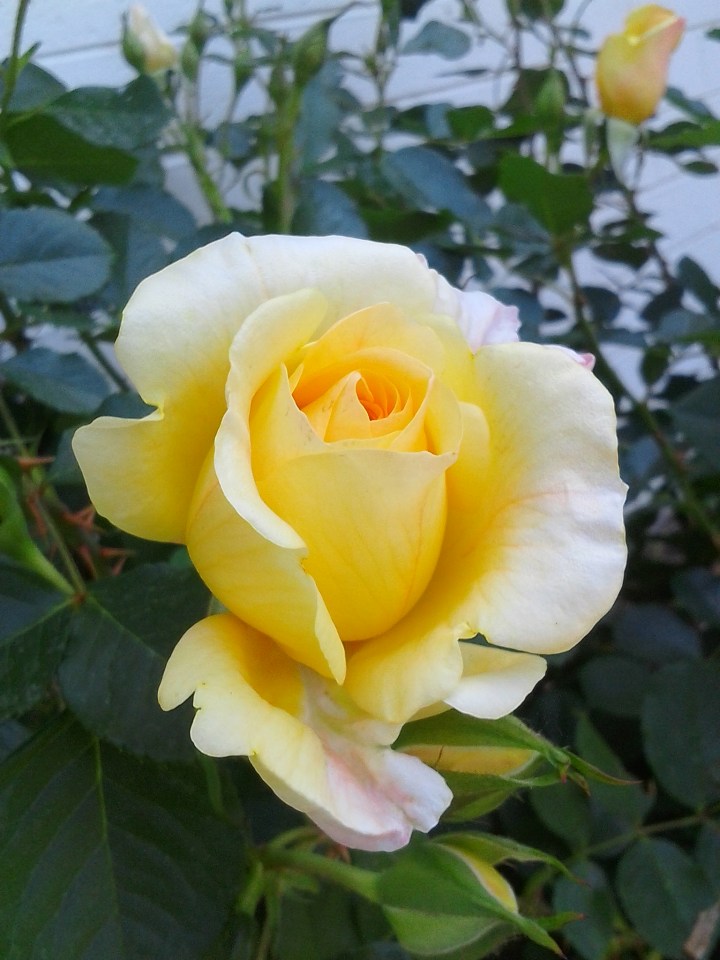 The main problems with roses locally are not related to climate, soil, insects or disease. Warm and semi-arid climates of California happen to be some of the best places in the World for roses. Sure, many roses have problems with insects such as aphid, and diseases such as powdery mildew, but primarily because such pathogens proliferate among roses that are not pruned properly.
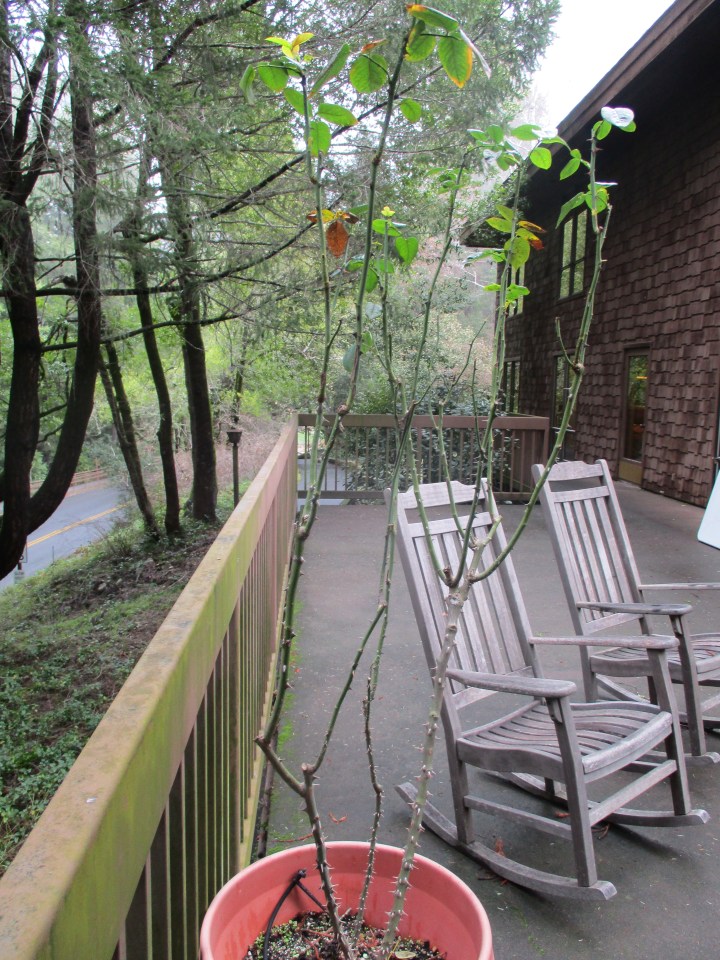 Winter is for pruning. Any good native of the Santa Clara Valley knows that. It starts as soon as the first deciduous fruit trees defoliate and continues to the last minute rush to finish before the buds start to swell at the end of winter. It may seem like there would be no last minute rush now that all the orchards are gone, but there is so much in landscapes to prune that prioritizing and scheduling pruning takes a bit of effort. Just like we know that apples and pears can be pruned slightly later than apricots and prunes, in the landscape, we know that sycamores might be delayed until the birches are done. Naturally, I feel compelled to prune the flowering cherries and fosythias, but am almost content to wait until after they finish blooming in early spring. Of course, I cringe as I write this.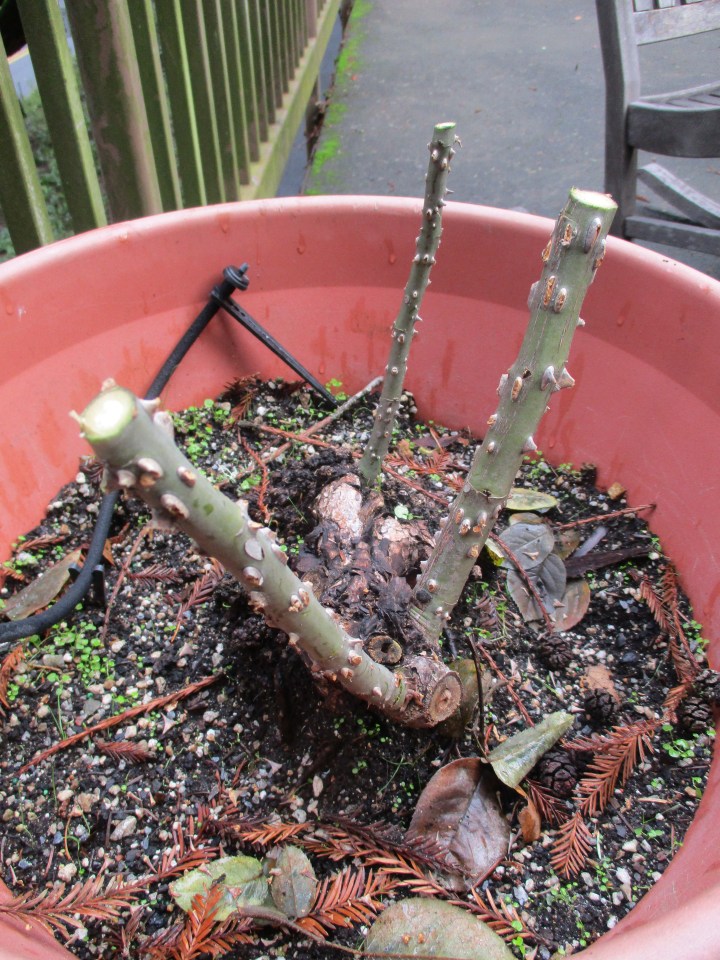
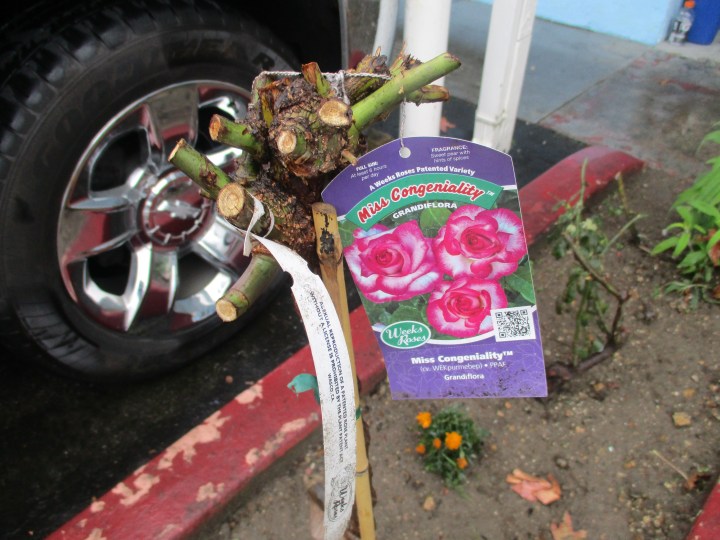 Now, before I commence with my rant and long list of problems with this picture, I should mention that this seemingly abused rose tree does seem to be appreciated. All the roses in this landscape seem to be very healthy, and they bloom constantly between spring and autumn. Their performance suggests that they are regularly fertilized and deadheaded.
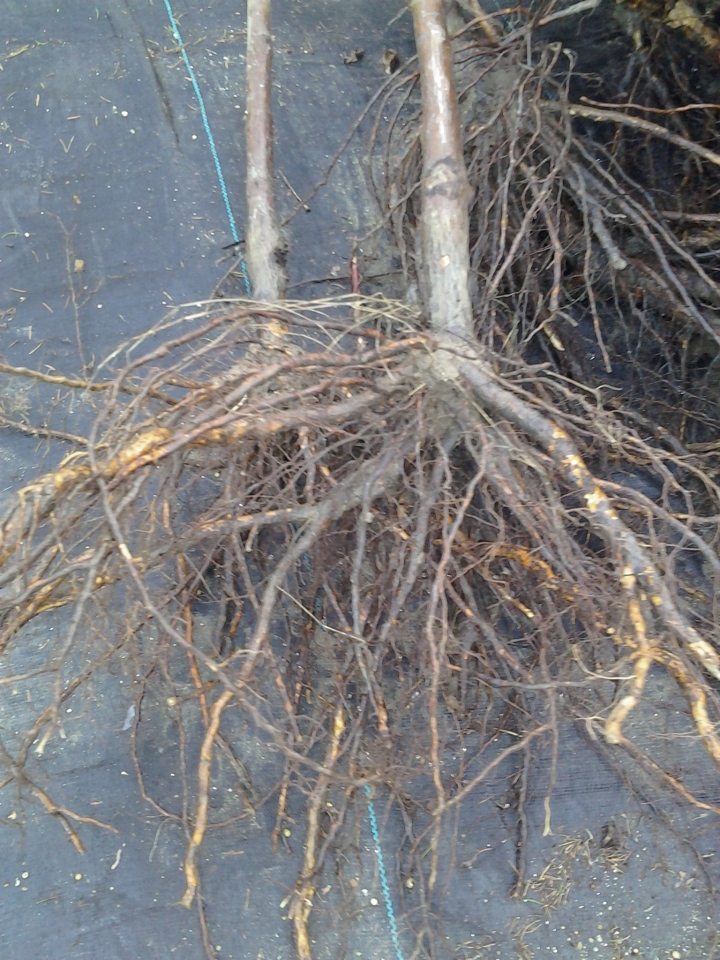 Autumn really is the season for planting. That is the general rule. One generalization about general rules is that they generally do not apply to all of the specifics. In other words, there are likely certain exceptions. In this case, there are some types of plants that should not be planted in autumn. The next best season for planting is probably winter, which happens to be ‘bare root season’.
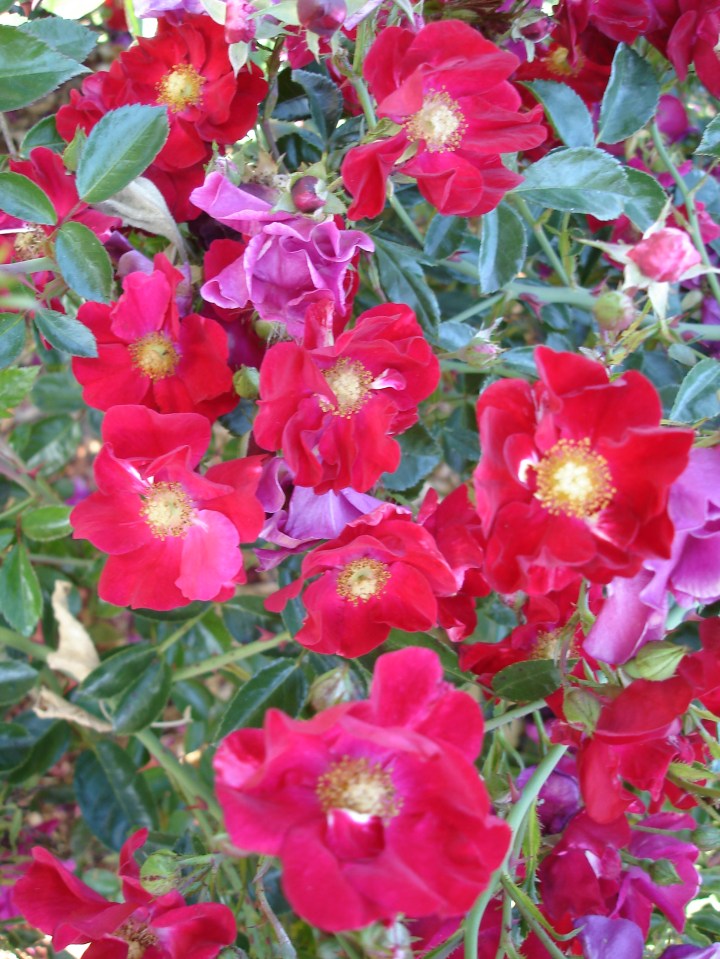 They compare to more traditional roses like instant coffee compares to real coffee. They are too easy and cheesy. However, even instant coffee can be rather good as long it is not expected to taste like the real thing. Likewise, carpet roses do not produce big and fancy flowers on long stems for cutting, but they have other attributes that are advantageous in the landscape.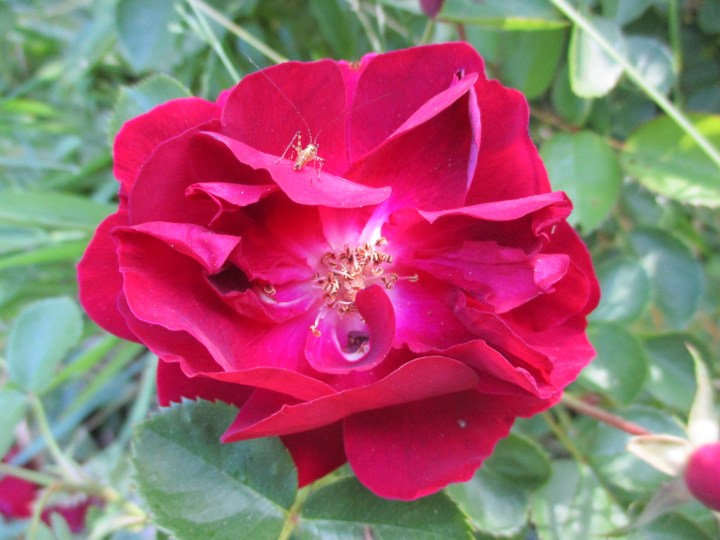
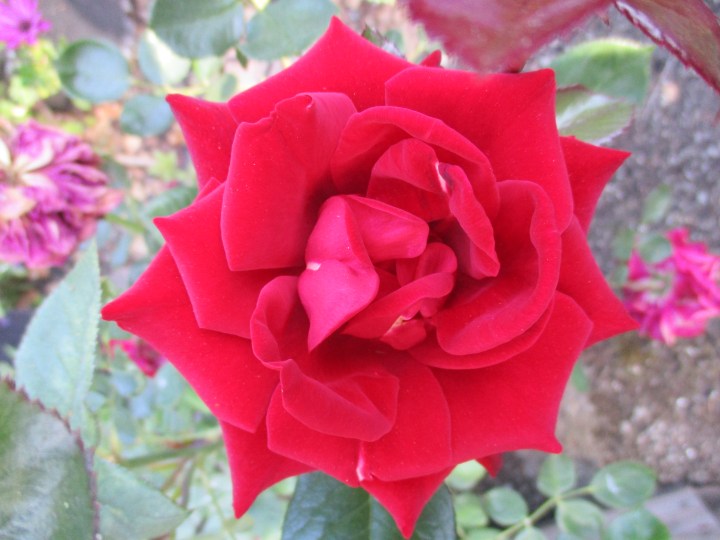
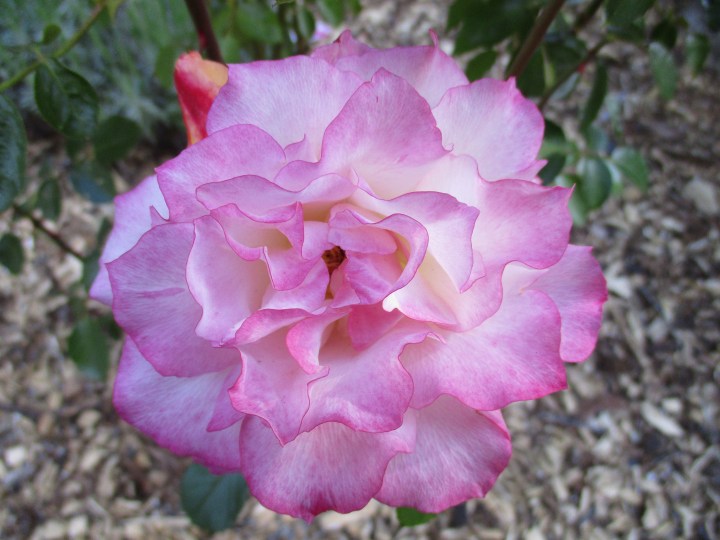
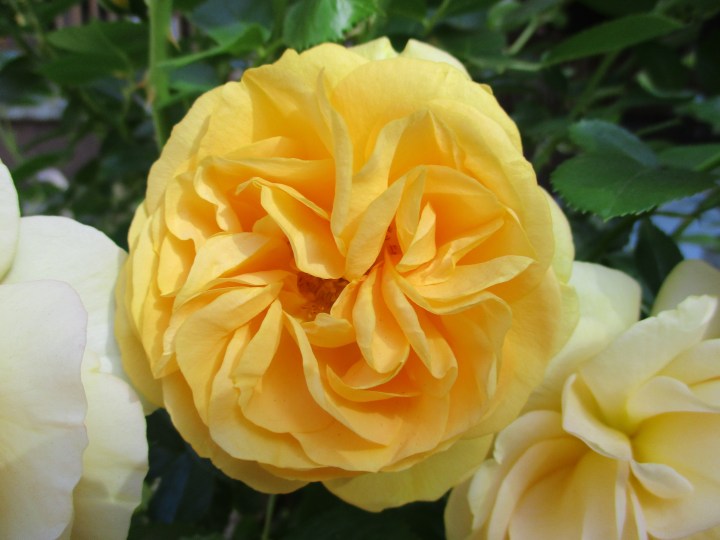
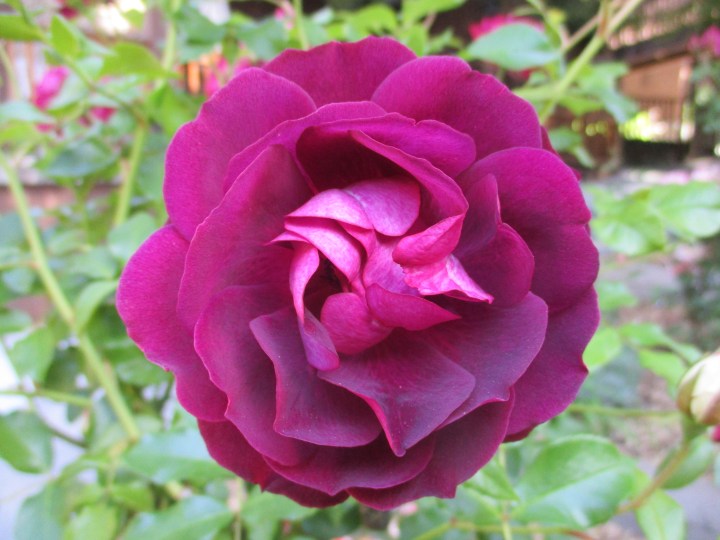


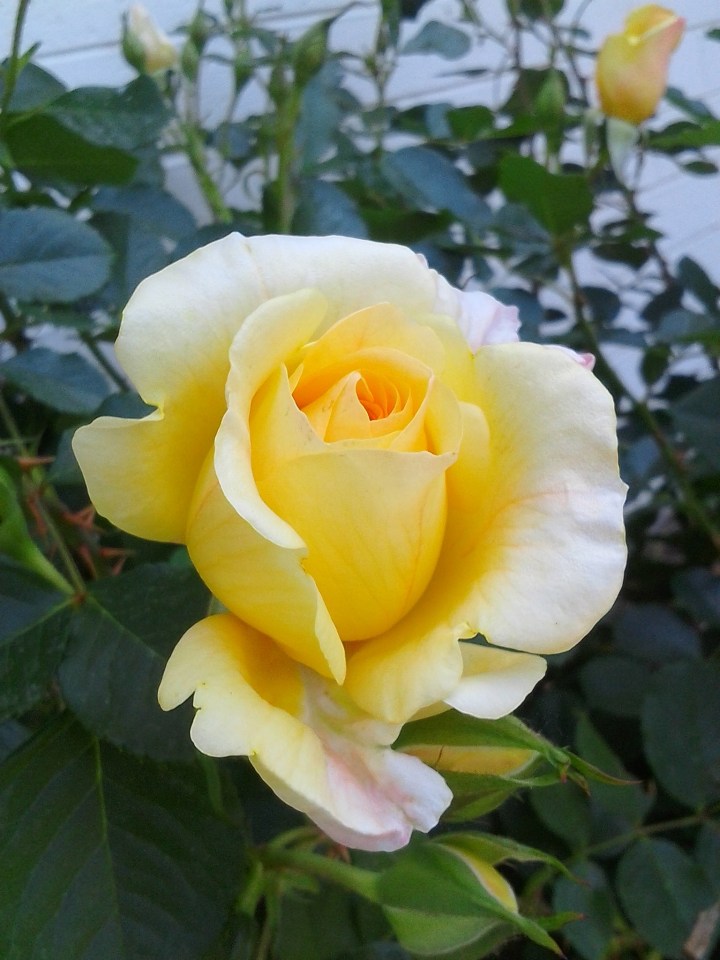 Winter is no excuse to be less diligent in the garden. It would seem that gardening would be less demanding because there is less going on, and so many plants are dormant. However, dormancy is precisely why there is so much to do through winter. Bare root plants and bulbs are planted because they are dormant. Fruit trees get pruned because they are dormant. Now it is time for roses.


