Gads! Another three year old reminder of why I can not work with so-called ‘landscape’ companies.

 Roots hold up trees. That is part of their job. They grow along with the trees they support, and disperse as necessary to maintain stability. Trees grown within the confinement of cans (pots) or boxes, and then installed into a landscape, are typically staked temporarily until their roots adequately disperse and stabilize. Once unnecessary, stakes and bindings must be removed.
Mature palms that get relocated are supported temporarily by guy wires. They are just too big to be supported by stakes. Because palm trunks to not grow any wider as at they grow taller, they are not damaged by the sorts of bindings that would damage the fattening trunks of other trees. Like stakes on other trees, guy wires must be removed as they become unnecessary.
Although they can be appropriate in unusual circumstances in which stakes would not be practical, guy wires are rarely used on trees that are…
View original post 415 more words
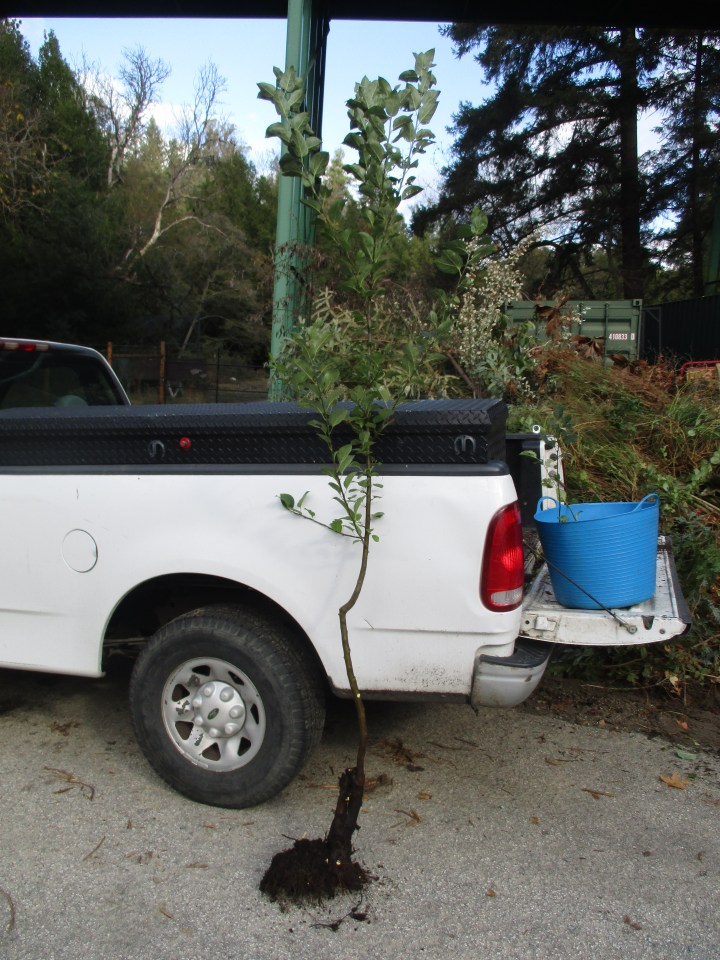 Fruit trees, with few exceptions, have been extensively bred to produce the quality of fruit that we expect from them. Some are consequently genetically unstable, or at least less genetically stable than their wild ancestors were. Even if they never mutate or try to revert to a more stable state, they are very unlikely to produce seed that can develop into genetically similar trees.
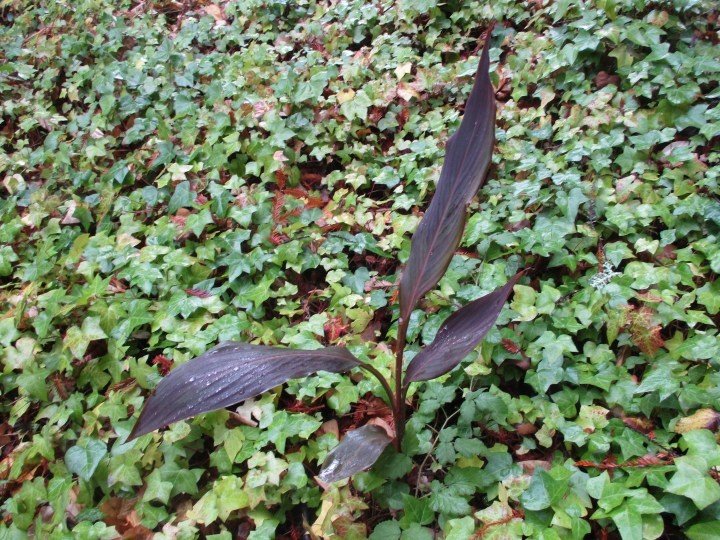
 Cher explained a long time ago that a half-breed is nothing to brag about. Some of us just don’t get it. A few clients still introduce me to their weirdly bred stone fruit trees as if they are both justification for great pride, as well as something that a professional horticulturist of the Santa Clara Valley has not already encountered a few thousand times. I at least try to act impressed.
 Well, that is certainly a contradiction of terms. One might say it is an oxymoron. Decades ago, it really was how we classified what we now know more simply as ‘deciduous conifers’. There are not many of them. Ginkgo is a gymnosperm like conifers are, but is not really a conifer. Otherwise, there are only five other types of deciduous conifers, which defoliate through winter.
 Bare root fruit trees will be available in about a month. It is probably my favorite time of year for going to nurseries. (Since I grow just about everything I want from bits of landscape debris, I do not often go to retail nurseries.) It is also rather frustrating to see what sorts of bare root material are popular nowadays, and what sorts are not. Horticulture has gotten so ridiculous!
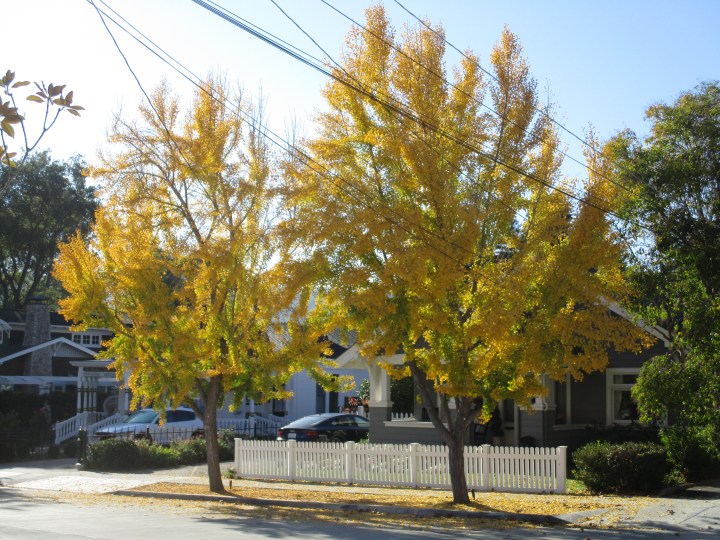 Much of my work involves street trees. They need more of my kind of attention than most other trees. They must conform to more restrictive limitations. They endure more abuse. They are the most prominent trees on urban properties. Because some are assets of their respective municipalities, they are more stringently protected by local ordinances than other trees are.
 There have been only three hints at precipitation since last spring.

 Remember this from Sesame Street?

